proudly serving
the mid-south


Signs Your Freezer Door Gaskets Need Replacement and How to Spot Them Early
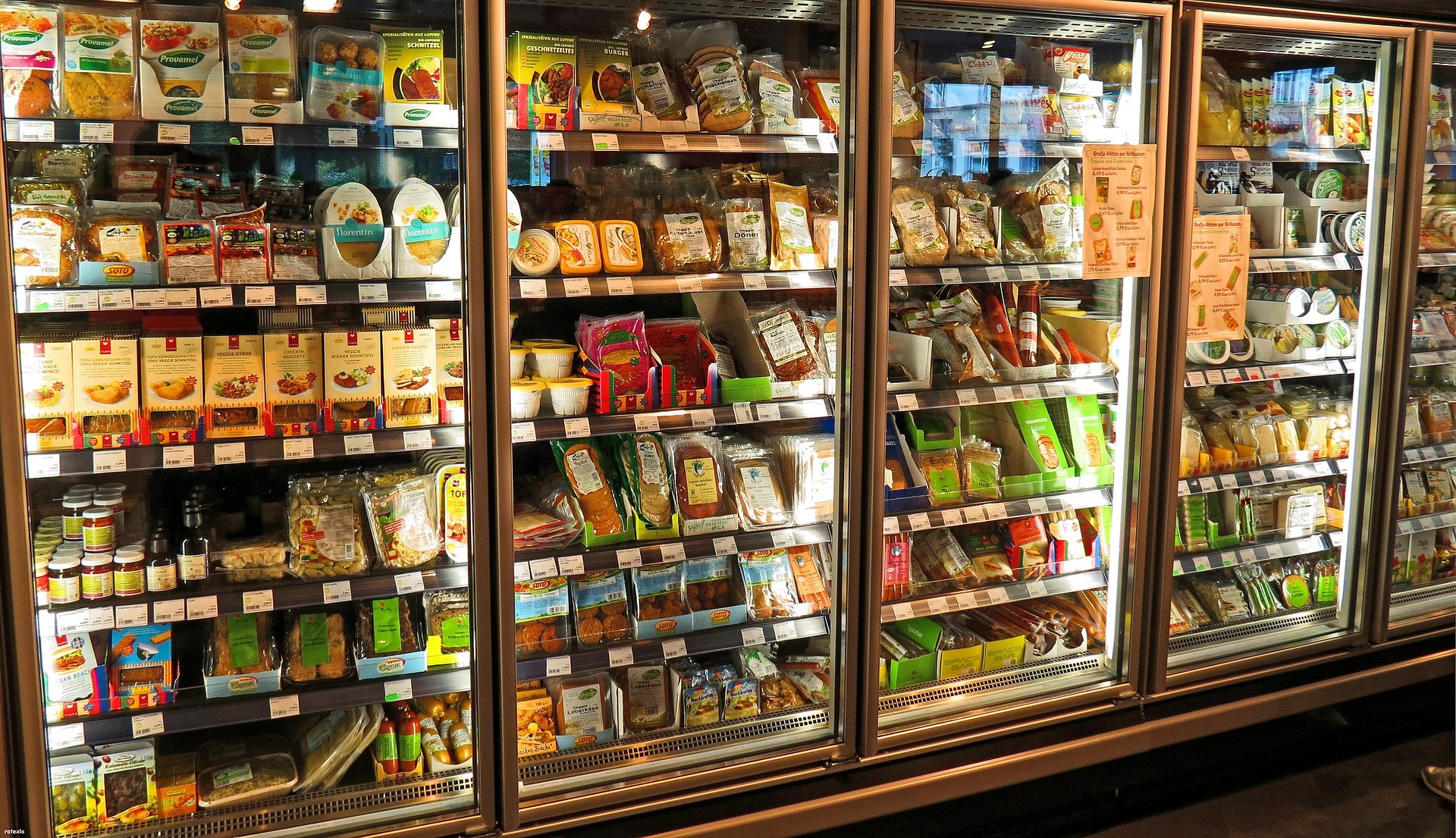
Your freezer door gaskets are crucial for trapping cold air inside and keeping energy bills in check. If those seals start cracking, tearing, or coming loose, cold air leaks out, and your freezer works overtime. That means more frost, uneven temps, and eventually, wasted money and food.
Ever notice a dollar bill slipping out from the door seal with barely any resistance? Or maybe you spot frost hugging the edges? Those are dead giveaways your gaskets need attention. At Memphis Ice, we’ve watched this exact problem snowball for Mid-South businesses since 1977—worn door gaskets can turn into bigger headaches if ignored.
Take a minute every so often to check your freezer seals. It’s a simple habit that protects your inventory and keeps your system from burning out. Whether you run a restaurant or a clinic, keeping those door gaskets in shape is one of the easiest ways to avoid trouble.
Key Signs Your Freezer Door Gaskets Need Replacement
A solid freezer door gasket keeps cold air in and bills down. When it gives out, your freezer has to hustle, which means more frost, extra moisture, and sometimes food that just doesn’t last. Here’s what to watch for: visible damage, frost, moisture, and any trouble closing the door. Spotting these early? That’s money in your pocket.
Visible Cracks or Splits
Take a close look at your freezer’s door gasket. Any cracks, splits, or tears? Even the tiniest break lets cold air sneak out, making your freezer less efficient.
Run your fingers along the edges every month or so. If you find rough spots or the gasket doesn’t sit flush, it’s probably time for a replacement. Sometimes worn gaskets feel brittle, other times sticky.
Swapping out a damaged gasket helps your freezer run better and keeps food safe. Memphis Ice always suggests picking a gasket that fits your model—don’t just grab any old one.
Persistent Frost Buildup
Notice frost or ice building up around the door? Your gasket could be the culprit. Warm, moist air sneaks in through gaps and freezes.
A bad gasket lets this cycle repeat, piling up frost and making your freezer work harder. That’s wasted energy and uneven cooling.
Sure, defrosting helps, but if frost keeps coming back around the door, it’s probably time for a new gasket. Fixing it stops the frost for good and helps your freezer do its job.
Frequent Moisture or Condensation
Moisture around your freezer door is a big red flag for gasket problems. Condensation shows up when warm air leaks in.
You might spot water droplets on the gasket, the door frame, or even the floor nearby. Over time, that moisture can cause rust, mold, or food spoilage.
Wipe the gasket down with warm, soapy water every so often. But if the moisture keeps coming back, replacing the gasket is the way to go. A tight seal keeps things dry and your food safe.
Difficulty Closing the Freezer Door
Is your freezer door sticky, tough to close, or does it pop open? The gasket might be to blame. Bent or worn gaskets can make the door hard to seal.
Try the paper test: close the door on a piece of paper and pull. If it slides out with no effort, your gasket isn’t doing its job.
A door that won’t close properly burns energy and makes the freezer run hot. Swap out the gasket to restore a good seal and protect your inventory.
Memphis Ice has seen a lot of Mid-South businesses dodge bigger problems just by staying on top of gasket checks and quick replacements. It’s worth it.
Performance and Energy Impacts
Damaged freezer door gaskets don’t just mess with the door—they can stress your equipment and drive up energy use. Let’s talk about how weak seals can quietly raise your bills and make cold storage a hassle.
Increasing Energy Bills
Leaky gaskets mean cold air escapes. Your freezer’s compressor has to kick on more often to make up for it. That extra work adds up on your electric bill.
You might wonder why your energy costs are creeping up. Even small cracks or a gasket that’s not seated right can waste a surprising amount of energy.
Fixing or replacing the gasket usually pays off quickly. Keeping your freezer sealed tight helps control costs and avoids breakdowns. We’ve seen plenty of businesses save real money just by catching gasket issues early.
Struggling to Maintain Cold Temperatures
When door seals go bad, warm air slips in. That leads to uneven temperatures and hot spots that can spoil food. Suddenly, your temperature controls aren’t reliable, and your inventory’s at risk.
Your freezer may start cycling more than usual or even run nonstop, never quite hitting the right coldness. That’s tough on the machine and wears it out faster. It’s especially tricky in busy kitchens or during hot spells.
Want to stay ahead of it? Test gasket effectiveness now and then. The dollar bill trick is quick—if it slides out easily, time for a new gasket. It’s a small step that can save a lot of hassle.
Visual and Physical Inspection Tips
If you want your freezer running at its best, check those door gaskets regularly. Look for wear and make sure the seal is still tight. A few simple tests can help you catch problems before they turn into costly repairs.
Testing with the Dollar Bill Method
This one’s easy. Grab a dollar bill (or any paper), close the freezer door with it half inside the seal, and try to pull it out.
If it slides out with little resistance, the gasket isn’t holding tight. Move the bill around the edge to check different spots. A good seal should grip the bill.
This quick test helps you spot leaks that let cold air out. If the gasket fails in a few areas, it’s time to swap it out.
Examining for Loose or Warped Seals
Look for spots where the gasket is loose, cracked, or warped. It should sit flat against the door frame every time.
Run your hand along the gasket—feel for softness, damage, or spots that peel away. Sometimes dirt or grease makes the gasket lose its grip, so clean it with warm soapy water every so often.
If you see holes, tears, or parts that don’t line up, your freezer door gasket needs attention. Memphis Ice has caught these issues for local businesses before they snowball into bigger problems.
Odors and Food Quality Changes
Failing freezer door gaskets can bring odd smells and mess with how your food keeps. These little changes often mean air and moisture are sneaking in. Noticing them early can save your food and your wallet.
Unpleasant Smells from the Freezer
If you catch weird or sour smells coming from your freezer, the seals could be at fault. Loose or damaged gaskets let in warm, moist air, which leads to frost and even mold.
Check for off-putting smells often. They might come from spoiled food or trapped water. When cold air leaks out, odors linger and the freezer struggles to keep things cool. Make sure the gaskets are snug and not cracked or dirty.
A quick clean with warm soapy water can help, but if the smell comes back, you probably need a new gasket. Memphis Ice suggests checking monthly to keep odors (and problems) away.
Food Spoiling Faster Than Usual
Leaky gaskets mean food doesn’t stay as fresh or safe. Cold air loss makes your freezer work harder, and that causes temperature swings. Result? Faster spoilage and freezer burn.
Ever see ice crystals on meat or freezer bags that feel damp? That’s a sign your freezer isn’t keeping food frozen right. Perishables lose quality fast when the seal fails.
If you notice food going bad sooner, check those gaskets. Damaged seals are usually the culprit. Replacing them brings your freezer back up to speed. Memphis Ice can help with gasket inspections and replacements so your food stays safe.
Next Steps After Noticing Gasket Problems
Spot a damaged or leaky freezer door gasket? Don’t wait. Replacing it right away helps your freezer run efficiently and stops energy waste. You’ll need to pick a gasket that fits and then decide if you want to do it yourself or call in a pro.
Choosing the Right Replacement Gasket
Getting the right gasket matters. It should match your freezer’s size, shape, and magnetic strength. Most freezers use magnetic gaskets for a tight seal. If it doesn’t fit, you’ll have cooling issues.
Look for tough materials that stand up to cold and daily use. Some gaskets have adhesive or clips for easier installation. Not sure what you need? Check your manual or ask a local expert.
DIY Versus Professional Replacement
You can replace a gasket yourself if you’re handy and have a few tools. Just remove the old gasket, clean the frame, and fit the new one carefully. Make sure the door seals all the way around.
If your freezer’s big or the seals are complicated, calling a pro makes sense. Memphis Ice can swap gaskets fast and check for other problems at the same time. Plus, you usually get a warranty and avoid mistakes that could cost more later.
Frequently Asked Questions
Keeping your freezer door gasket in good shape saves energy and protects your food. Here are some common questions—and answers—about spotting problems and what to do next.
How can I tell if my fridge door seal is no longer effective?
Look for cracks, tears, or gaps in the seal. If you feel warm air sneaking in or notice frost buildup, the seal’s probably shot.
What are the signs that indicate a freezer door gasket needs to be replaced?
Check for visible damage like splits or missing pieces. If your freezer runs longer or the door feels loose, the gasket may need replacing.
Why is my freezer door seal not sticking, and what should I do about it?
Dirt or sticky stuff can keep the seal from closing right. Clean it with warm soapy water and dry it well. If it still won’t stick, it’s probably warped or damaged.
When is it time to replace the seal on my freezer door?
Replace the gasket if it won’t seal tight after cleaning, or if you see higher energy bills or food spoiling. Don’t put it off or you might end up with bigger problems.
Is there a way to fix a freezer door seal, or does it need to be replaced?
Minor issues? Sometimes you can soften the gasket with a hairdryer or reposition it. But if you see serious cracks or damage, it’s best to replace it.
What’s the typical cost range for refrigerator door seal replacement?
You’re probably looking at somewhere between $80 and $150 for both parts and labor. At Memphis Ice, we do our best to keep things affordable and reliable, so your equipment stays in good shape without breaking the bank.