proudly serving
the mid-south
How to Know When It’s Time to Replace Your Ice Maker – Memphis Ice
How do you know it’s time to replace your ice maker? Find out the signs of an ice machine that’s going bad when you read The Scoop from Memphis Ice!
Like almost any appliance or commercial kitchen equipment, ice makers are susceptible to wear and tear over time, which can affect their performance and efficiency. As a business owner responsible for running a restaurant or bar, it’s important to know when it’s time to replace your commercial ice machine. To get to know the signs you should look for to know when it’s time to replace your ice maker, keep reading!
7 Signs Of An Ice Maker Going Bad
1. Slow Ice Production
One of the most obvious signs that your ice maker is wearing out is when your ice production slows down noticeably—or grinds to a total halt. This can be the result of a failing compressor or evaporator coils, mineral buildup on the internal components, or issues with the water supply.
When you notice a reduction in ice production, it’s a good idea to measure the ice production rates. If you’re producing less ice than you were a few months ago, it might be time to start considering a replacement.
2. Noisy Operation
If your ice maker is louder than it used to be, makes unusual noises or disrupts the peace in your establishment, it’s highly likely that something is wrong. The noise could be due to issues such as a loosened component, a failing motor, or vibrating internal parts. While a quiet ice maker is a sign of a well-functioning machine, an abnormally loud ice machine is a sign that you need to call an ice machine repair technician.
3. Frequent Repairs
Constant equipment failure is an expensive distraction to running your business. The cost and hassle of ongoing repairs are a sure sign that it’s time to consider a replacement ice machine. Frequent breakdowns indicate that your machine is either outdated or that there is a critical component that needs to be replaced.
Ultimately, buying a new ice maker will give you more reliable ice production, save you money in the long run, and improve the overall efficiency of your business.
4. Outdated Or Inefficient Model
Advancements in ice maker technology have made many ice makers more energy-efficient and eco-friendly. If your business is relying on an older model, the chances are that you’re wasting money each month on your energy bill. When you upgrade to a newer model, consider an Energy Star approved machine to keep your hard-earned money in your pocket.
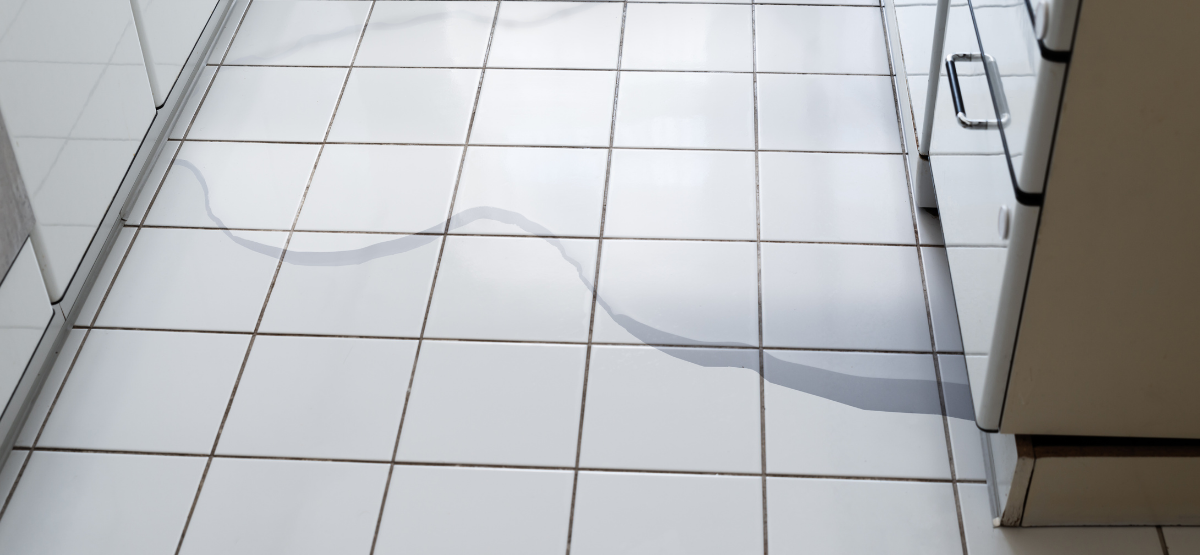
5. Leaks & Water Problems
If your ice maker is leaking or causing water problems in your establishment, it’s a sign of serious problems that need to be addressed quickly. Leaking can be due to anything from a clogged drain hose to a damaged pump or leaking water line. Depending on the severity of the problem and the age of your ice machine, it may be best to replace your ice maker.
Leaks and water issues need to be addressed promptly before they cause water damage and mold.
Related: Common Problems That Could Cause Your Ice Machine To Stop Working
6. Aesthetic Considerations
If your ice machine is installed in a back room or kitchen, the appearance of your machine isn’t a top concern. But if your bar’s under-counter ice machine is chipped, scratched, dented, or looks like it was manufactured in the Ice Ages, it may be time to give your machine a facelift—or replace it altogether.
In today’s competitive markets, appearances matter, and an old, outdated ice maker can negatively impact your business’s visual appeal. If you’re considering a kitchen renovation or a new bar buildout, it’s essential to integrate an ice maker that complements your establishment’s overall design.
7. Poor Ice Quality
If you notice cloudy ice, an odd taste, or an odor in your ice, it’s likely that your ice maker needs service. Poor ice quality is caused by mineral buildup, issues with the water supply, or bacterial growth in the machine. Inconsistent cube size is another sign of poor ice quality, and while some ice makers come with adjustable settings, it’s usually a sign of a malfunctioning machine.
Poor ice quality doesn’t always mean you need to buy a new ice machine, but it’s a sign that something is wrong with your equipment. Call an ice machine service technician and get the issue resolved quickly.
Get The Most Out Of Your Ice Machine: Invest in Preventative Maintenance
Think of routine maintenance as a checkup for your ice machine. A service tech inspects, cleans, and maintains your ice maker before a breakdown occurs. As a result, your equipment is optimized for efficiency and runs better, for longer periods of time. Preventative maintenance is a smart way to take care of ice machine maintenance before it becomes an emergency repair.
Buy New & Used Ice Machines At Memphis Ice Machine Company
Recognizing the signs that it’s time for a new ice maker can save you from a world of inconvenience and frustration. At Memphis Ice Machine Company, we offer a wide range of commercial ice makers to suit your needs, as well as a preventative maintenance program to keep your machine in top condition.
Contact us today to find the perfect ice maker for your business and explore the benefits of our maintenance program to ensure smooth, worry-free ice production. Don’t wait until your ice maker causes water damage or disrupts your business’s routine–contact us today!