proudly serving
the mid-south

Safety Compliance for Commercial Refrigeration Made Easy and Effective
Keeping your commercial refrigeration running safely and up to code is essential for your business. Safety compliance for commercial refrigeration means protecting your food, your customers, and your team by following health and safety rules that prevent spoilage and reduce risks like equipment failure or contamination.
You rely on refrigeration systems every day—from walk-in coolers to ice machines—to keep your kitchen and storage areas safe. Memphis Ice knows that when these systems fail, your operation can face fines, lost food, and unhappy customers.
Making sure your equipment meets all regulations helps you avoid these problems and keeps your business running smoothly. With nearly 50 years serving the Mid-South, Memphis Ice is here to help you understand the key safety standards and maintenance steps that keep your refrigeration compliant and reliable.
Understanding Safety Compliance for Commercial Refrigeration
Keeping your refrigeration systems safe and up to code protects your business and the food you store. You need to follow specific rules, know why safety matters, and understand the types of equipment covered.
Doing this right helps avoid fines, reduces risks, and keeps your operations smooth.
Key Compliance Standards and Regulations
You must follow local, state, and federal rules for commercial refrigeration. Important regulations include:
- EPA refrigerant rules: Control the use and disposal of refrigerants to protect the environment.
- OSHA workplace safety standards: Ensure employee safety around refrigeration systems.
- FDA food storage guidelines: Maintain correct temperatures to keep food safe.
Standards like UL 60335-2-89 help keep equipment safe when using flammable refrigerants. ASHRAE Standard 15.2 also guides safe refrigeration in residential and commercial spaces.
Staying compliant means investing in certified equipment and following maintenance schedules.
The Role of Safety in Commercial Refrigeration
Safety is about more than avoiding fines; it prevents accidents and food spoilage. Leaks, electrical issues, or cold failures can hurt workers and customers.
Proper leak detection and the use of protective gear (PPE) are critical. For your business, safety means consistent temperatures, which preserves food quality.
A safe refrigeration system also supports your kitchen staff by reducing emergency repairs.
Types of Commercial Refrigeration Equipment
Different refrigeration units need different safety attention. Common types include:
- Walk-in coolers and freezers: Large spaces for bulk storage, requiring reliable temperature control.
- Reach-in refrigerators: Smaller units for quick access, often in kitchens or bars.
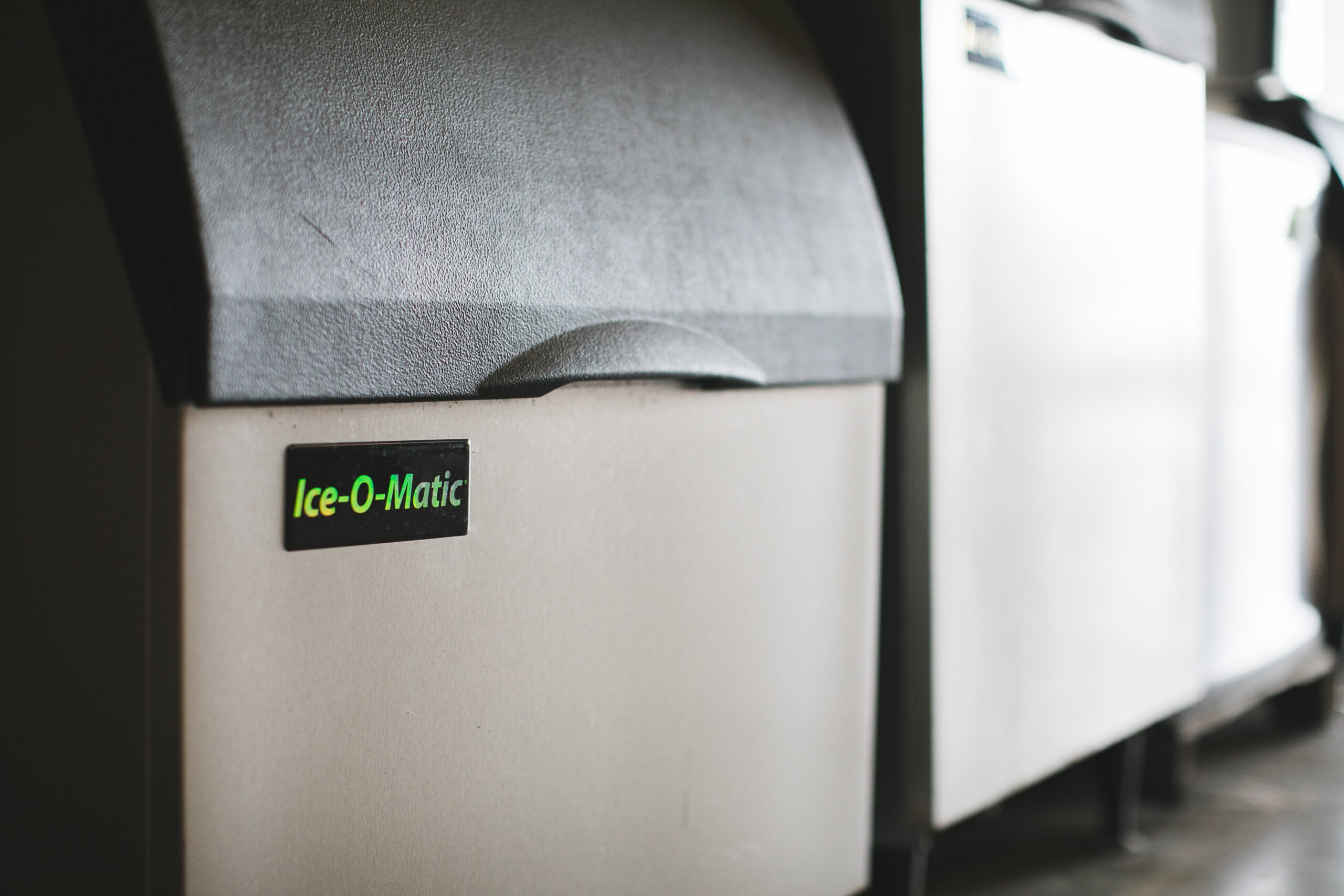
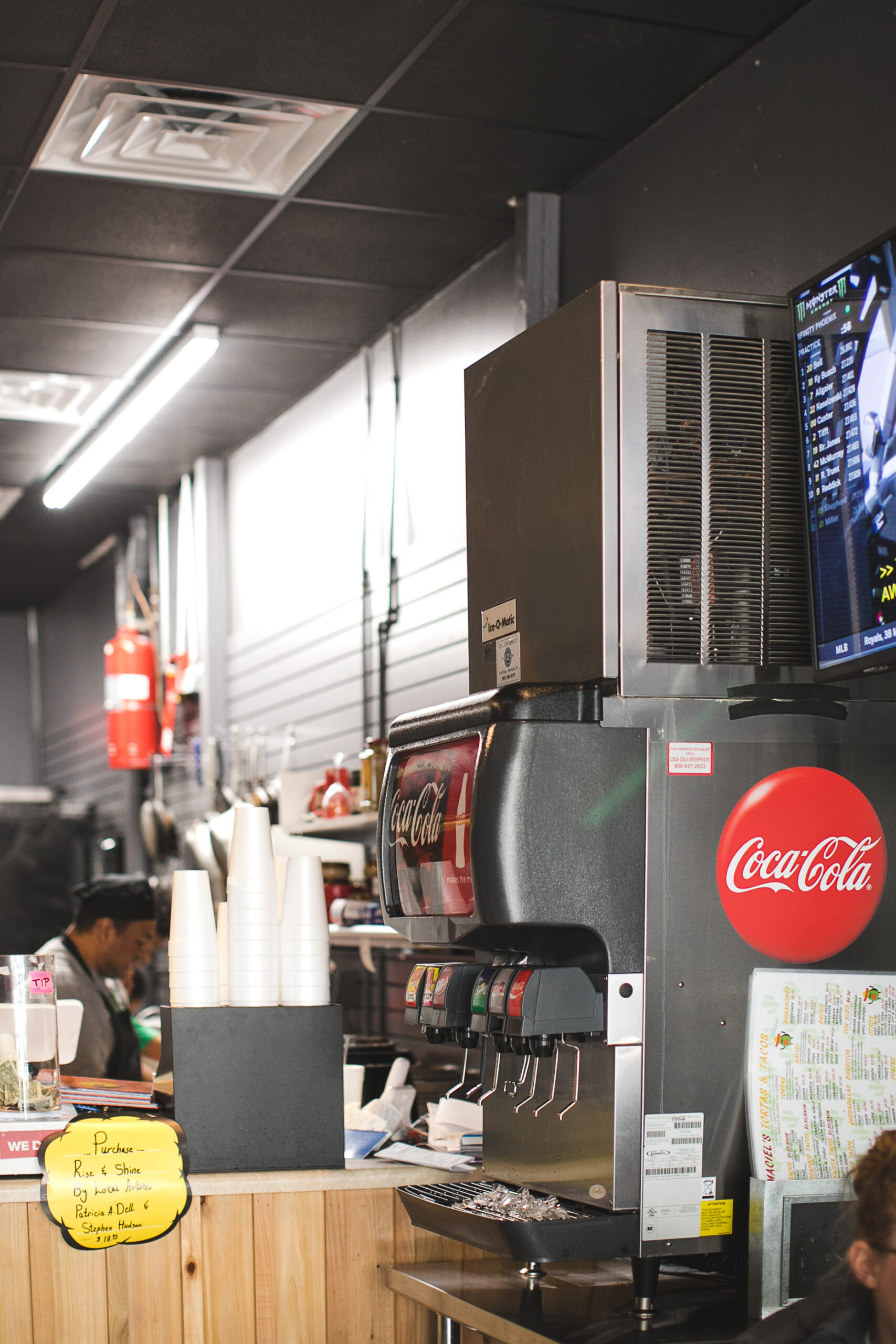
- Ice machines: Critical for food service and hospitality, needing regular cleaning and service.
- Display cases: Used in retail, they must keep food visible and cold without risking safety.
Each type has unique safety demands and must meet relevant standards. Knowing the differences helps you maintain compliance and protect your operation’s specific needs.
Regulatory Bodies and Standards
To keep your commercial refrigeration safe and legal, you need to follow rules set by several important agencies. These rules cover equipment safety, refrigerant use, and local building requirements.
Understanding them helps you avoid fines and keeps your customers and staff safe.
OSHA Guidelines for Refrigeration
The Occupational Safety and Health Administration (OSHA) focuses on workplace safety. For commercial refrigeration, OSHA enforces rules about handling refrigerants, equipment operation, and worker protection.
You must ensure your staff uses proper safety gear and follows protocol to avoid leaks or refrigerant exposure. OSHA also requires regular training and hazard communication about chemicals used in systems.
If your refrigeration uses certain refrigerants, monitoring for gas leaks and ventilation is critical. Following OSHA standards lowers risks on the job.
EPA Regulations and Legal Requirements
The Environmental Protection Agency (EPA) regulates refrigerants because many hurt the ozone or cause global warming. Strict rules control which refrigerants you can use and how to dispose of old ones.
The EPA phases out harmful refrigerants like R-22. You must switch to approved alternatives with lower global warming potential (GWP).
Proper recovery and recycling of refrigerants during service or disposal are mandatory to avoid penalties.
State and Local Codes Impacting Compliance
Your refrigeration must also meet state and local codes, which add extra layers of rules about installation, energy efficiency, and safety inspections. For example, some states require certification for technicians servicing coolers and freezers.
Local agencies may mandate energy-saving standards or noise controls. Building codes affect how and where refrigeration units can be placed.
Since regulations vary across Memphis, West TN, and nearby areas, working with trusted local experts ensures you meet all rules without headaches.
Hazard Identification and Risk Assessment
Knowing what can go wrong and figuring out how serious those risks are is key to keeping your commercial refrigeration safe. Spotting hazards early and assessing them helps you take the right actions before problems happen.
This keeps your staff safe and your equipment running smoothly.
Common Safety Hazards
Refrigeration systems have several common hazards you need to watch for. These include refrigerant leaks, which can be toxic or flammable depending on the type used.
Ammonia and halocarbons are two refrigerants often involved in incidents. Slips and falls around wet floors near coolers are frequent issues.
Electrical shocks can happen if wiring or controls are damaged. Mechanical parts such as compressors and fans can cause injuries if proper guards aren’t in place.
Personal protective equipment (PPE) like gloves and goggles helps protect your team during maintenance. Proper signs for slippery areas and safe work procedures reduce risks around your refrigeration units.
Performing Risk Assessments
Start your risk assessment with a thorough inspection of all refrigeration components. Check for refrigerant leaks, electrical conditions, mechanical wear, and any unsafe behaviors you observe.
Use a checklist to cover all common hazard areas. Rate each risk based on how likely it is to happen and how severe the outcome could be.
This helps you prioritize which problems need immediate attention. Air quality around the units is important too.
For example, leaked refrigerants can create dangerous concentrations. Using air dispersion models or sensors can help measure this risk.
Training your team on how to identify hazards and use equipment safely is part of the process.
Documenting Findings and Actions
Record every step of your hazard identification and risk assessment. This includes notes on the risks found, ratings assigned, and planned actions to fix or control those risks.
Keep a clear log that staff can access. This supports accountability and makes future inspections easier.
Use simple formats such as tables or checklists to organize information clearly. Include follow-up dates to check if corrective measures are working.
Regular updates help avoid overlooked hazards. Communicate findings openly with your team so everyone stays informed.
Documenting well helps meet safety rules and shows your commitment to protecting your business and employees.
Best Practices for Equipment Installation
Installing commercial refrigeration equipment the right way reduces risks and ensures your system works smoothly. Proper setup also helps you follow rules and keeps everyone safe around the equipment.
Safe Installation Procedures
When installing refrigeration units, start by checking the site carefully. Make sure the area is clean, dry, and has good ventilation to prevent heat buildup.
Proper ventilation also avoids buildup of harmful gases in case of leaks. Leak detection is a must before adding refrigerant.
This means testing all connections and seals to catch any leaks early. Using approved tools and following leak-tight procedures protects your staff and equipment.
Wear personal protective equipment (PPE) like gloves and safety glasses during installation. Keep refrigerants handled properly to avoid exposure.
Follow local safety codes closely to reduce accidents.
Certification and Licensing Requirements
Only certified technicians should install commercial refrigeration. Licensing ensures installers know safety standards and local regulations.
It also means your equipment meets environmental laws on refrigerants, including EPA rules. Before installation starts, confirm your technician’s credentials and check if permits are needed.
Some areas require special certifications for handling refrigerants or working with industrial systems. Keeping all licenses current is key to avoiding fines and ensuring inspections pass without issues.
Proper documentation also helps if you need service or warranty support later.
Regular Maintenance for Compliance
Keeping your commercial refrigeration safe and compliant takes steady care and smart scheduling. You need to watch the equipment closely, handle refrigerants carefully, and keep everything clean to meet health and safety rules without hassle.
Scheduled Inspection Protocols
Regular inspections are key to spotting problems before they cause trouble. You should schedule checks on your refrigeration units at least once a month.
This includes looking at temperature controls, door seals, and electrical components. Create a checklist covering:
- Temperature accuracy
- Seal and gasket condition
- Compressor and fan operation
- Defrost system performance
Document the results every time. This record helps prove you follow safety laws and supports timely repairs.
Scheduled checks also keep your unit running efficiently.
Proper Refrigerant Handling
Refrigerants require special care to protect the environment and meet EPA rules. Only trained staff should handle or refill refrigerants in your equipment.
Always use the right type of refrigerant specified by the manufacturer. Avoid leaks by inspecting hoses and connections during each service.
Keep these points in mind:
- Never vent refrigerants into the air
- Store refrigerants safely in labeled containers
- Dispose of old refrigerants through approved channels
Following these steps prevents fines and protects your team.
Cleaning and Upkeep for Safety
Clean equipment works better and meets health standards. You should clean condenser coils, drain lines, and drip pans regularly to stop mold and bacteria buildup.
Pay special attention to food contact surfaces inside the refrigerator. Use approved sanitizers and follow a strict cleaning schedule to prevent contamination.
Here’s a quick cleaning routine:
- Wipe shelves and walls weekly
- Clear debris from coils monthly
- Flush drain lines quarterly
Good upkeep also means changing air filters and checking door hinges. Keeping everything tidy supports safe, reliable cooling all year long.
Employee Training and Safety Procedures
To keep your commercial refrigeration running safely, your team needs clear guidance and proper training. This means setting up solid training programs, having an emergency plan ready, and making sure personal protective equipment (PPE) is used correctly.
Training Programs for Staff
Your staff should get regular training on how to operate and maintain refrigeration units safely. This includes understanding the mechanical parts, electrical systems, and potential hazards like refrigerant leaks.
Training should cover:
- Safe handling of refrigerants
- Proper start-up and shut-down procedures
- Routine maintenance tasks
- Hazard recognition and reporting
At Memphis Ice, we recommend annual OSHA 10-hour training for all field employees. Supervisors should complete OSHA 30-hour training to handle safety issues with more responsibility.
Hands-on sessions and refresher courses help your team stay sharp and follow the latest safety rules.
Emergency Response Planning
You need a clear emergency plan to protect employees and limit damage if something goes wrong. This plan should include:
- Steps for quick evacuation
- Procedures to safely shut down refrigeration systems
- Contact info for emergency services and key personnel
- First aid measures for exposure or injury
- Fire safety guidelines
Make sure everyone knows their role in an emergency. Regular drills help your staff practice and stay prepared.
Posting easy-to-read emergency instructions near refrigeration units is a good idea to boost awareness.
Personal Protective Equipment Guidelines
Using the right PPE is essential when working with refrigeration equipment to avoid injuries and exposure to harmful substances. Key PPE items include:
- Safety goggles or face shields to protect eyes
- Gloves resistant to chemicals and cold temperatures
- Respirators when handling refrigerants or in areas with poor ventilation
- Protective clothing to reduce skin contact with hazardous materials
PPE should be inspected regularly and replaced if damaged. Training employees on proper PPE use ensures they stay protected during routine tasks and in emergencies.
Recordkeeping and Documentation
Keeping detailed records is key to staying safe and meeting the law with your commercial refrigeration. It helps you track refrigerant use, repairs, and technician information.
This way, you avoid fines and keep your equipment running smoothly.
Maintaining Compliance Records
You need to keep documents on every service or repair involving refrigerant. Be sure to record:
- Date and type of service
- Amount of refrigerant added or removed
- Technician’s certification information
- Invoices or work orders
These records must be kept for at least three years. Organize them so you can quickly find details if needed.
Memphis Ice knows how important these records are for your business. They help prevent leaks and show you follow EPA rules.
Audit Preparation and Reporting
When an audit happens, you want everything ready. Have your records up to date and easy to access.
Auditors will check for:
- Proper refrigerant tracking
- Proof of leak repairs
- Correct disposal of appliances
- Technician certification
Creating a checklist can help you prepare. Regularly review your documentation to catch missing info before it’s too late.
If you need help staying on top of these needs, experts like those at Memphis Ice can support you. They make sure your records are complete and compliant.
Emerging Technologies and Innovations
New technologies are helping make commercial refrigeration safer and greener. These advances focus on keeping your products at the right temperature while cutting down risks and environmental impact.
They also make it easier to follow safety rules without extra hassle.
Automated Compliance Monitoring
Automated monitoring systems keep a close eye on your refrigeration units 24/7. They can detect temperature changes, door openings, or leaks right away.
Alerts are sent to your phone or computer so you can fix problems before they affect your products. These systems also store important data needed for safety inspections.
That means less manual record-keeping and fewer chances for errors. With automated monitoring, you’re always ready for compliance audits.
For businesses in Memphis and the surrounding Mid-South, Memphis Ice offers solutions that include these smart systems. They help you stay compliant while protecting your inventory and customers.
Eco-Friendly Refrigeration Solutions
Using eco-friendly refrigerants is now a major focus for safety and the environment. New options like CO2 refrigerants and magnetic cooling use less energy and have lower global warming potential.
The EPA requires low-GWP refrigerants in all new units starting January 2025. These greener technologies also reduce leaks and harmful emissions.
Thermal insulation and LED lighting further improve efficiency, saving your business money. Memphis Ice can guide you through upgrading to refrigeration systems that meet these new standards.
Consequences of Non-Compliance
Ignoring safety rules for commercial refrigeration can lead to big problems for your business. These include costly penalties from the law as well as disruptions that affect daily operations.
Knowing what’s at stake helps you keep your equipment and team safe.
Legal and Financial Penalties
When you don’t follow refrigeration safety standards, the fines can be steep. Regulators may impose penalties for improper refrigerant handling or failure to maintain equipment.
These fines can reach thousands of dollars, hurting your budget. Beyond fines, non-compliance can lead to lawsuits if someone gets sick or injured because of unsafe refrigeration.
That adds legal fees and damages on top of fines.
Impact on Business Operations
Failing to comply with refrigeration safety standards can disrupt your daily work. Equipment breakdowns due to poor maintenance or illegal refrigerant use can cause costly downtime.
When your refrigeration fails, you risk losing valuable food or medicine stored inside. This not only wastes money but also can harm your reputation.
Regulators might also shut down your business temporarily for violations. That can lead to lost sales and unhappy customers.
Frequently Asked Questions
Keeping your commercial refrigeration systems safe and compliant means understanding important rules about refrigerants, energy use, temperatures, and safety steps.
Proper record-keeping and staying current with new industrial refrigeration laws also play a big role.
What are the latest EPA guidelines for refrigerant use in commercial refrigeration systems?
The EPA now requires the use of low-global-warming-potential (GWP) refrigerants in commercial refrigeration. You must also track and report refrigerant leaks and emissions regularly.
Using certified technicians for handling refrigerants is mandatory.
How do the Energy Conservation Standards for walk-in coolers and freezers affect my business?
Energy standards set minimum efficiency levels for your walk-in coolers and freezers. This means your equipment must meet specific power use limits.
Upgrading to compliant units or retrofitting old ones can lower energy bills and avoid penalties.
What temperature ranges must be maintained in commercial refrigerators to comply with FDA guidelines?
Your commercial refrigerators should keep food at 41°F (5°C) or lower. Freezers must stay at 0°F (-18°C) or below.
Monitoring temperatures daily helps prevent food spoilage and protects your customers.
What safety precautions should be implemented for operating commercial refrigeration equipment?
Always ensure regular maintenance to avoid leaks and equipment failure. Use proper personal protective equipment (PPE) when servicing.
Staff training on safe handling and emergency procedures is essential. Proper ventilation should be maintained to prevent gas buildup.
Where can I find a free download of the EPA refrigerant log sheet for record-keeping?
The EPA refrigerant log sheet can be downloaded free from the EPA’s official website. Keeping this log updated is key for inspections and proves your compliance with refrigerant regulations.
What are the new regulatory requirements for industrial process refrigeration as of 2025?
New rules focus on stricter leak monitoring and faster repairs for industrial refrigeration systems. You must implement leak detection technology and document all repairs promptly.
Training staff on these regulations is necessary to meet compliance.
At Memphis Ice, we’ve been keeping businesses cool since 1977. If you have questions or need help with compliance, talk to one of our Memphis refrigeration experts.