proudly serving
the mid-south


Refrigeration Safety Tips for New Restaurant Staff: Easy Ways to Stay Safe and Compliant
Working with restaurant refrigeration is about more than just keeping food cold. If you know how to keep your equipment running safely, you’ll protect your inventory and avoid headaches. For new staff, picking up a few refrigeration safety tips can really make your job smoother—and help dodge those surprise kitchen disasters.
At Memphis Ice, we’ve noticed that regular checks and good habits go a long way. From walk-in coolers to ice machines, every piece of equipment needs a little attention to stay reliable. This guide lays out the basics you’ll want to know to keep things cool, safe, and ready for the dinner rush.
Recognizing Common Refrigeration Hazards
Spotting dangers in restaurant refrigeration can save you a lot of trouble. Some hazards are obvious, but others? Not so much. You’ll want to keep an eye out for temperature changes, electrical issues, and risky moving parts.
Temperature Fluctuations
Sudden changes inside fridges or freezers can wreck your food and create unsafe conditions. If temperatures creep up, bacteria can multiply fast. Sometimes you’ll spot warm spots or weird frost—both are red flags.
Always check your thermometer for the right temperature:
- Refrigerators: at or below 40°F (4°C)
- Freezers: below 0°F (-18°C)
If you keep seeing temperature swings, you might have a busted seal, clogged vent, or a tired motor. Don’t wait around—deal with these problems fast to avoid food loss. Regular checks really help keep things on track.
Electric Shock Risks
Fridges and freezers mix electricity and water—a combo that can get dangerous. If you see exposed wires or wet outlets, there’s a risk of shock. Never handle plugs or cords with wet hands.
Don’t mess with electrical parts unless you’re trained or a Memphis Ice tech is there. Make sure cords aren’t frayed and outlets stay dry. If you notice sparks, a burning smell, or flickering lights, speak up right away.
Unplug units before cleaning or doing any maintenance. It’s a simple step, but it keeps you safe.
Physical Injuries from Moving Parts
Big fridges have fans, compressors, and sometimes conveyor belts. These can pinch, cut, or snag fingers and clothing if you’re not careful.
Don’t put your hands or tools into vents or behind covers while machines are running. Always turn off equipment before checking or cleaning moving parts. Doors are heavy, so watch your fingers—those bruises aren’t fun.
Memphis Ice suggests gloves and the right tools for repairs. A little caution goes a long way to avoid workplace accidents.
Safe Food Storage Practices
Keeping food safe isn’t complicated, but it does take some attention: temperature, placement, and cleanliness matter. These basics protect your customers and keep the kitchen out of trouble.
Proper Temperature Settings
Your refrigerators and freezers need to be set just right. Refrigerators should stay at or below 40°F (4°C); freezers at 0°F (-18°C) or colder. Check temps with a thermometer at least twice a day.
If your units get too warm, bacteria can grow and food can spoil. Don’t cram in too much stuff—cold air needs space to circulate. And, of course, keep doors closed as much as possible.
Sticking to these temps helps cut down on waste. If you’re struggling, a reliable repair service can help you get back on track.
Correct Food Placement
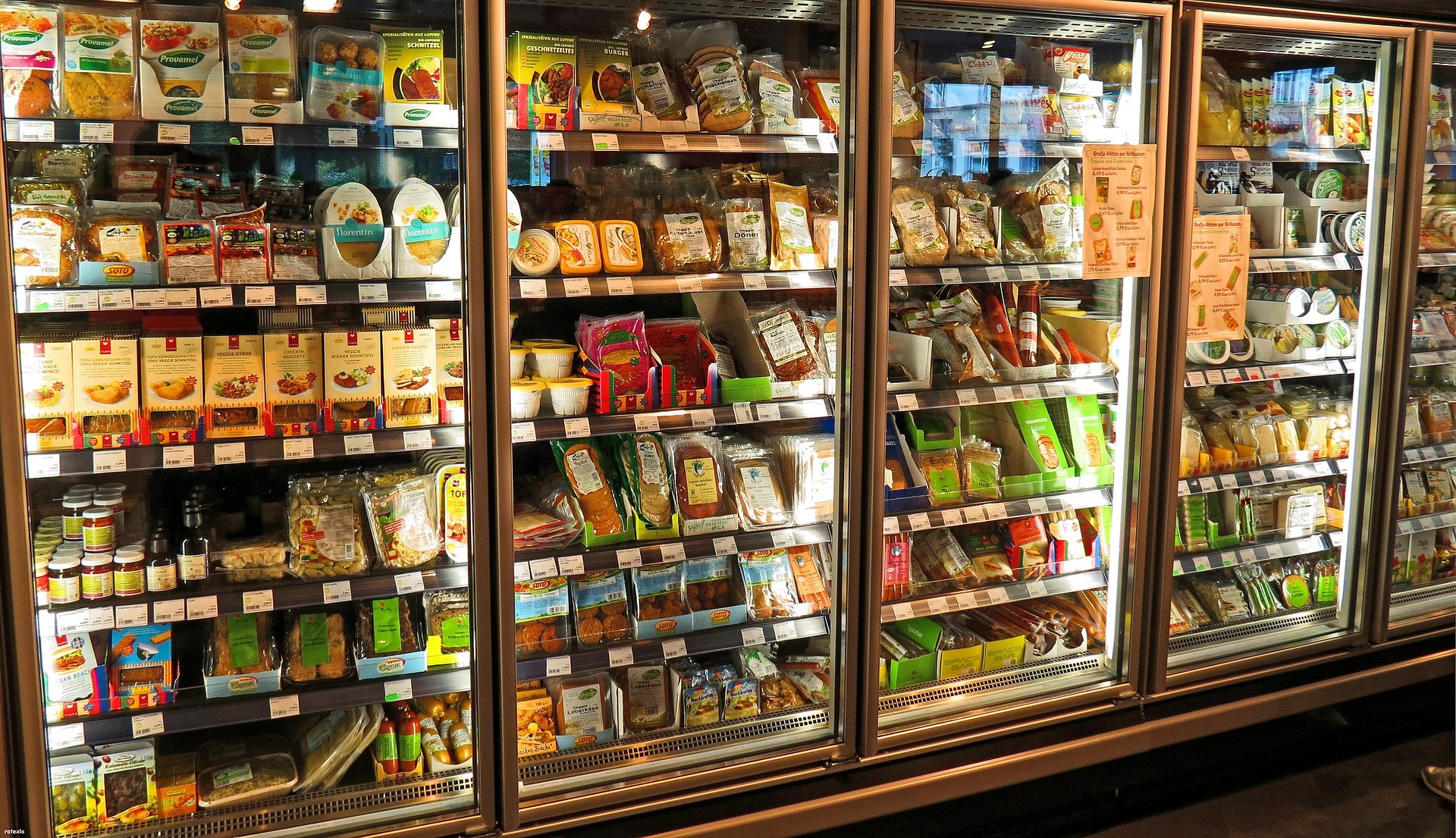
Where you stash food in the cooler matters. Raw meat, poultry, and seafood should always go on the bottom shelves—no one wants their juices dripping down onto other foods.
Put ready-to-eat stuff, like cooked foods and salads, up top. That way, you avoid cross-contamination. Use airtight containers or wrap things tightly to keep food fresh and separated.
Keep fruits and veggies away from raw proteins. Label everything with dates so you use up older items first. A tidy cooler makes life easier for everyone.
Preventing Cross-Contamination
Cross-contamination is when germs move from one food to another. Use clean containers, and always grab a new cutting board for raw versus cooked foods.
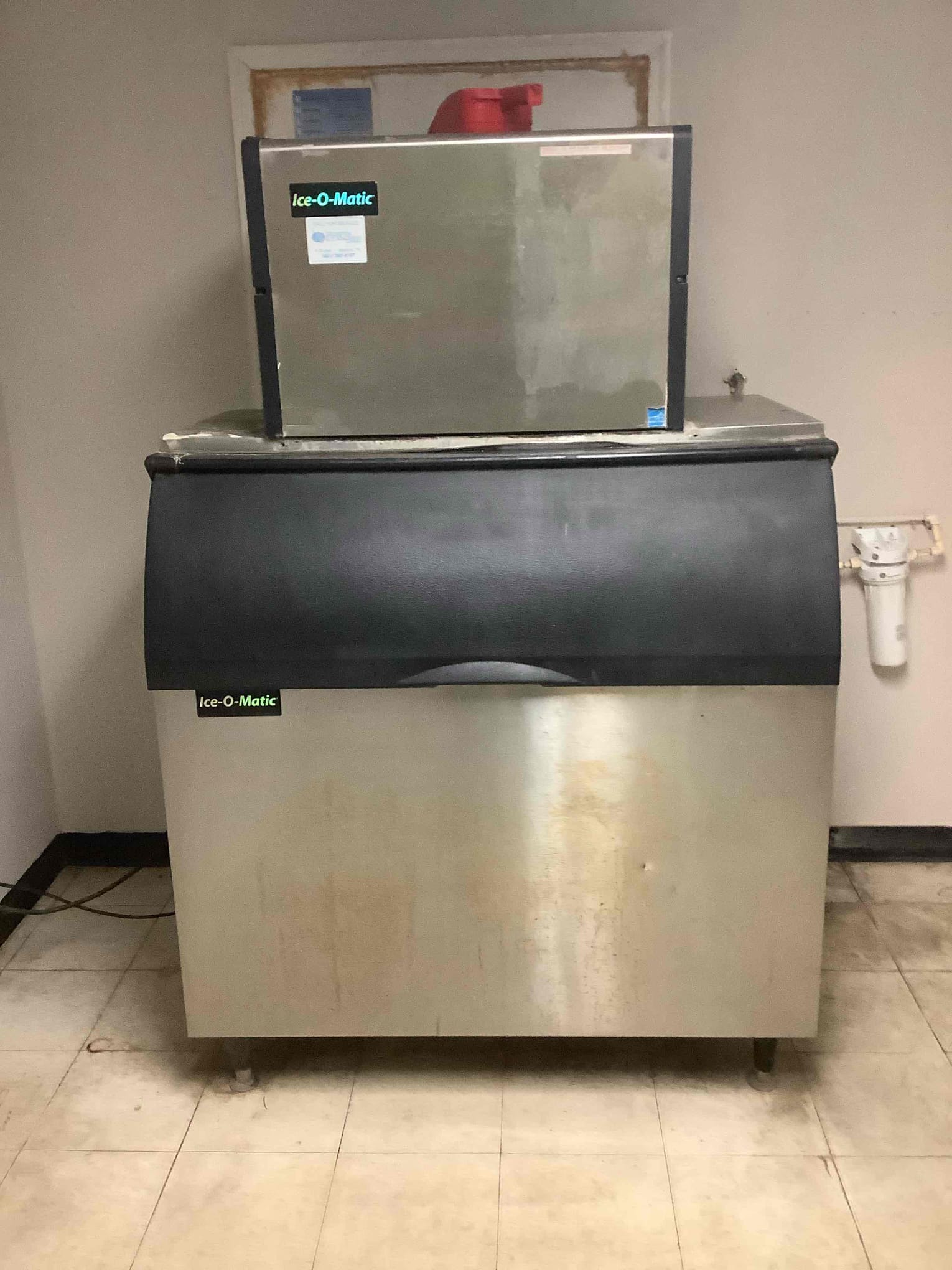
Wash your hands and tools before switching foods. Keep the walk-in and ice machine clean—Memphis Ice recommends regular maintenance to keep bacteria at bay.
Don’t leave unpackaged foods on the floor or uncovered. Use shelves and trays to keep things up and protected. These habits keep your kitchen safe and your food fresh, not to mention staying on the health inspector’s good side.
Daily Refrigeration Safety Checks
A quick daily check can catch small problems before they turn into big ones. Watch for leaks, door seal issues, and make sure your thermometer is telling the truth.
Monitoring for Leaks
Look around the base and behind your fridges for water or damp spots. Leaks might come from busted drain lines or bad seals, and they can cause expensive damage if you ignore them. Water on the floor or in drip pans? Not a good sign.
If you see a leak, report it. Leaks might also mean refrigerant loss, which messes with cooling and can harm the system. Spotting these early saves a ton of hassle.
Wipe up spills as soon as you see them. Dry floors are safer for everyone, and you’ll protect your equipment, too.
Inspecting Door Seals
Door seals (gaskets) keep cold air in. Every day, run your hand along the seals to check for cracks, tears, or grime. Bad seals let warm air sneak in, making your fridge work harder and spiking energy costs.
Make sure the doors close tight. If you spot damage, let someone know so they can fix it. Replacing seals quickly keeps energy bills down and food safe.
Clean seals with mild detergent and warm water—skip the harsh chemicals. A clean, flexible seal is your best friend for reliable refrigeration.
Evaluating Thermometer Accuracy
Your thermometer tells you if food is safe. Make sure it’s easy to see and placed in the center of the unit each morning. If you have a handheld thermometer, double-check the reading.
If the reading is off by more than 2 degrees, let your manager know. Bad thermometer readings can lead to unsafe food.
Keep thermometers clean and free of frost. Calibrate digital ones regularly. Accurate temps keep you compliant and your food fresh.
Handling Refrigerants Responsibly
Dealing with refrigerants means you need to know what you’re working with, wear the right gear, and act fast if there’s a leak. These steps protect you, your coworkers, and the equipment.
Identifying Refrigerant Types
Before you do anything, figure out what refrigerant your equipment uses. Common ones: R-134a, R-404A, and newer eco-friendly options like R-448A. Each has its own rules and environmental impact.
Check the label on the unit or look in the manual. If you’re not sure, ask a trained Memphis Ice tech or your service provider. Never mix refrigerants or use the wrong one—it can wreck the system.
Some refrigerants need special handling and disposal, thanks to environmental laws. Following the rules keeps your restaurant compliant and avoids fines.
Personal Protective Equipment Guidelines
When you handle refrigerants, always wear PPE:
- Safety goggles
- Chemical-resistant gloves
- Long sleeves and pants
Refrigerants can cause frostbite or skin irritation. Eye protection is a must—leaks can do real damage.
Check your gear before you use it. No holes, no tears. The right equipment is your best bet for staying safe.
Response to Refrigerant Leaks
If you think there’s a refrigerant leak, move quickly. First, turn off the equipment if it’s safe. Open doors or windows to air out the space.
Don’t try to fix the leak unless you’re certified. Instead, tell your supervisor or call a qualified tech. Leaks can hurt cooling and cause health problems like dizziness or trouble breathing.
Keep a log of leaks and repairs. This helps keep your system reliable and shows you’re following safety rules.
Emergency Procedures and Team Training
Knowing what to do in refrigeration emergencies protects your staff and business. Having clear steps and trained team members makes all the difference when things go sideways.
Accident Response Protocols
If something goes wrong with refrigeration equipment, try to stay calm and size up the situation. If someone’s hurt, call for medical help right away. Turn off the equipment if you can do it safely.
Make sure everyone knows how to report problems fast. Set up a clear system—maybe a phone chain or alert button—to get help quickly. Keep a first aid kit and emergency numbers near the equipment.
Train your team to notice early warning signs—weird noises, leaks, or temp changes should be reported immediately. Practice these steps during regular training so everyone’s ready.
Evacuation Steps for Gas Leaks
If you smell gas or suspect a leak, get out right away. Don’t flip switches or use phones inside—sparks can cause explosions. Tell everyone to leave calmly and use the nearest exit.
Once you’re outside, call emergency services. Make sure everyone meets at the designated spot so you can account for the team. Don’t go back in until the pros say it’s safe.
Run regular drills to help your team remember the plan. Label gas shut-off valves and train staff how to use them if it’s safe. These steps keep everyone safer until help arrives.
Frequently Asked Questions
Keeping your restaurant’s refrigeration safe comes down to knowing the right temps, stopping spills from spreading germs, and following food safety basics. Getting the hang of cooling times and fridge organization will help keep food fresh and safe.
What is the recommended temperature range for safe food storage in a refrigerator?
Keep your refrigerator between 34°F and 40°F (1°C to 4°C). That’s cold enough to slow bacteria but not so cold that things freeze.
How do you prevent contamination from spillage in a restaurant fridge?
Store raw foods on the bottom shelves so their juices don’t drip onto other items. Use sealed containers for liquids and wipe up spills right away.
What’s the 2-hour/4-hour rule for cooling food, and how does it apply to food safety?
Cool food from 135°F to 70°F within 2 hours, then down to 41°F or below within 4 hours. If you miss those times, toss the food—bacteria can multiply fast.
What are the seven critical food safety rules every new restaurant staff should follow?
- Wash your hands often.
- Store food at safe temperatures.
- Use different equipment for raw and cooked foods.
- Clean and sanitize surfaces regularly.
- Follow proper cooling and reheating times.
- Label and date all stored food.
- Avoid cross-contamination by handling food properly.
Can you explain the ‘first in, first out’ principle in restaurant refrigeration?
It’s all about using up older food before the newer stuff. When you restock, just slide the fresh items behind what’s already there. That way, the things that’ve been sitting longest get used first. Always give those dates a quick glance—nobody wants surprise science experiments lurking in the fridge. Keeps waste down and, honestly, just makes life easier in a busy kitchen.
How does proper refrigerator organization contribute to food safety in a restaurant?
When you organize your fridge the right way, air can move freely and food stays at safe temperatures. You’ll also keep raw and cooked foods separate, cutting down on cross-contamination. Plus, it’s just easier to catch expired items before they become a problem. That’s a real win for your restaurant’s safety game.
If you ever need advice on keeping your equipment in top shape, Memphis Ice is around to help you get the most out of your refrigeration setup.