proudly serving
the mid-south


Refrigeration Considerations for New Restaurant Openings: Tips for Efficiency and Freshness
Opening a new restaurant? Picking the right refrigeration isn’t just about keeping food cold—it’s about keeping your kitchen humming and your customers happy. The trick is finding reliable units that fit your menu and kitchen size, all while holding steady temps. That’ll help you sidestep spoilage disasters and keep food safety on point.
Your refrigeration needs go way beyond a basic fridge or freezer. Walk-ins, prep tables, reach-ins—each one pulls its weight every day. Partnering with local experts like Memphis Ice means you get a system that actually fits your business, not some cookie-cutter setup. Less downtime, fewer headaches.
Thinking ahead? Maintenance and energy use matter more than you’d think. Set things up right and keep up with regular checks, and your gear will last longer and work better. Staying proactive keeps your new spot chill, even when things get hectic.
Understanding Restaurant Refrigeration Needs
Picking out the right refrigeration for your restaurant means looking at what equipment you need, how much you’ll store, and how your menu shapes all that. Nail these basics and you’re already ahead—food stays fresh, safe, and ready to serve.
Types of Commercial Refrigeration Equipment
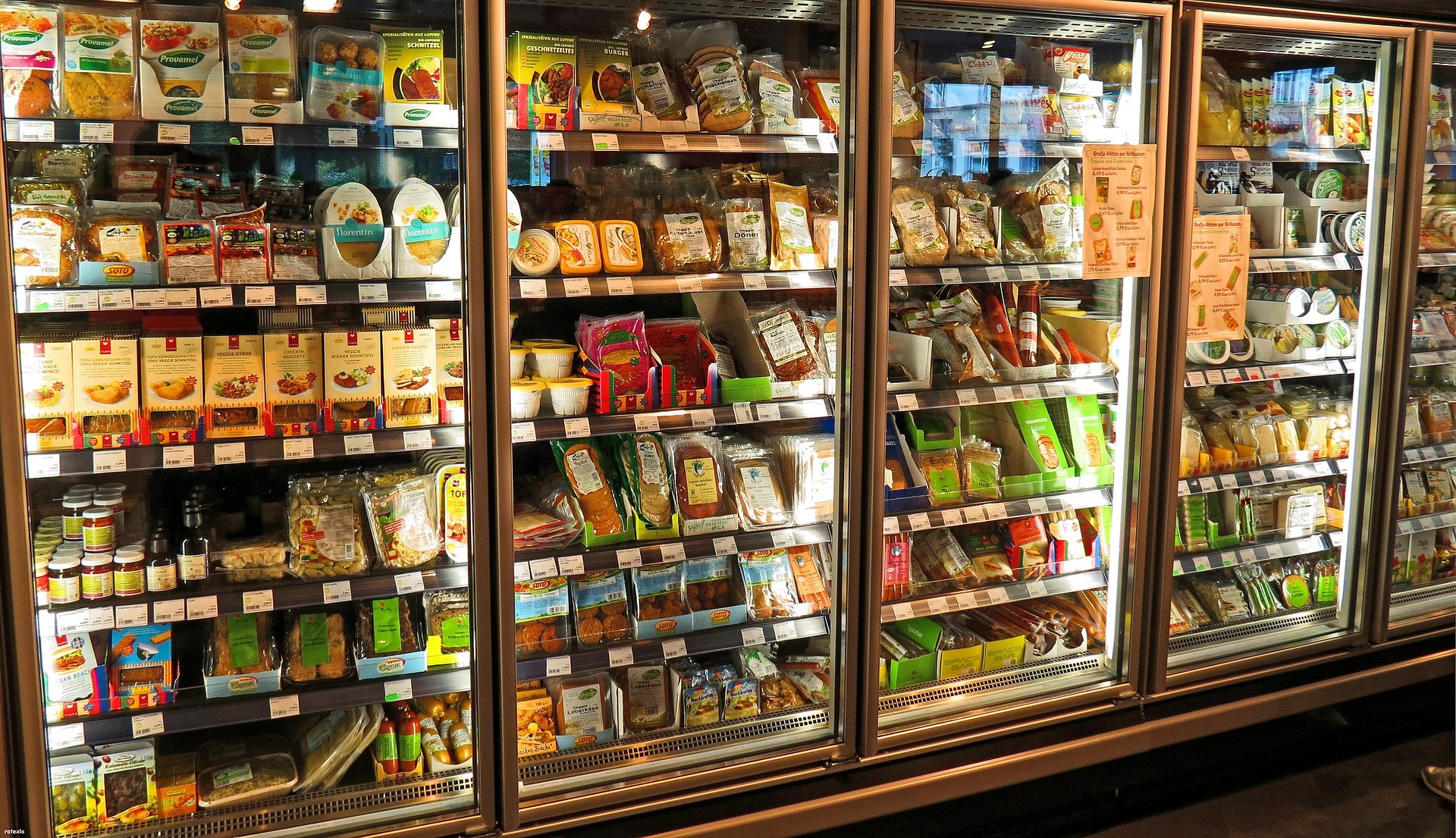
Most kitchens mix and match different refrigeration units. Walk-in coolers and freezers handle the big stuff, like bulk deliveries. Reach-ins are for things you need fast during a rush. There are also under-counter units and prep tables with built-in cooling—handy for keeping things within arm’s reach.
Each type has its job. Walk-ins store the heavy loads, reach-ins keep essentials close, and smaller units help with prep. Your choices come down to kitchen layout and how food moves through your space.
Volume and Storage Requirements
How much space do you need? That depends on how much food you go through and how often you get deliveries. Weekly shipments mean you’ll need more cold storage to last several days. If you get stuff daily, you can get by with less—but your refrigeration better be reliable.
Plan for the busiest times, not just the slow days. More storage means you’re less likely to run out when things get wild. Map out your menu volume and match your storage—walk-ins for big stuff, smaller units for quick grabs.
Menu-Driven Refrigeration Planning
What you serve shapes what you need. A hot kitchen isn’t the same as a place focused on salads or sushi. If seafood’s your thing, you’ll want equipment that can freeze fast and chill precisely.
Think about each prep stage. Sauces and salads? Keep those ingredients close in small fridges. Bulk meats? That’s freezer territory. Your refrigeration setup should match your menu’s rhythm—otherwise, you’ll lose quality and waste food.
When it’s time to get your kitchen sorted, Memphis Ice can help you pick a refrigeration setup that actually fits your needs. They know their stuff and keep things running with as little drama as possible.
Selecting the Right Refrigeration Equipment
Picking refrigeration gear is a balancing act—energy use, kitchen space, and the kinds of food you’re storing all matter. These decisions shape your workflow, impact your bills, and keep food safe.
Energy Efficiency and Sustainability
Energy-efficient fridges cut bills and are easier on the planet. ENERGY STAR units use less power and usually have better insulation and smarter controls.
Eco-friendly refrigerants are worth a look too. They help you stay within local regulations and keep emissions down.
Maintenance matters here. Clean coils, tight door seals, and tuned compressors keep things running efficiently. At Memphis Ice, our service experts can help you keep energy waste in check.
Size and Space Considerations
Measure twice, buy once. Your kitchen only has so much room, so make sure gear fits your layout and food volume. Reach-ins are great for tight spaces and quick access. Walk-ins handle more, but they eat up space and cost more upfront.
Think about where you prep and how often you restock. Fridges near prep stations save steps and keep temps steady. Leave space around everything for air flow—crowding leads to overheating.
Don’t buy too big or too small. Oversized units waste energy, undersized ones leave you scrambling. We help Memphis businesses find the right size so you’re not over- or under-equipped.
Specialized Units for Different Foods
Not all foods want the same conditions. Meat, produce, dairy, drinks—they all have their quirks. Deli cases keep meat cold and visible, while produce drawers keep veggies crisp with the right humidity.
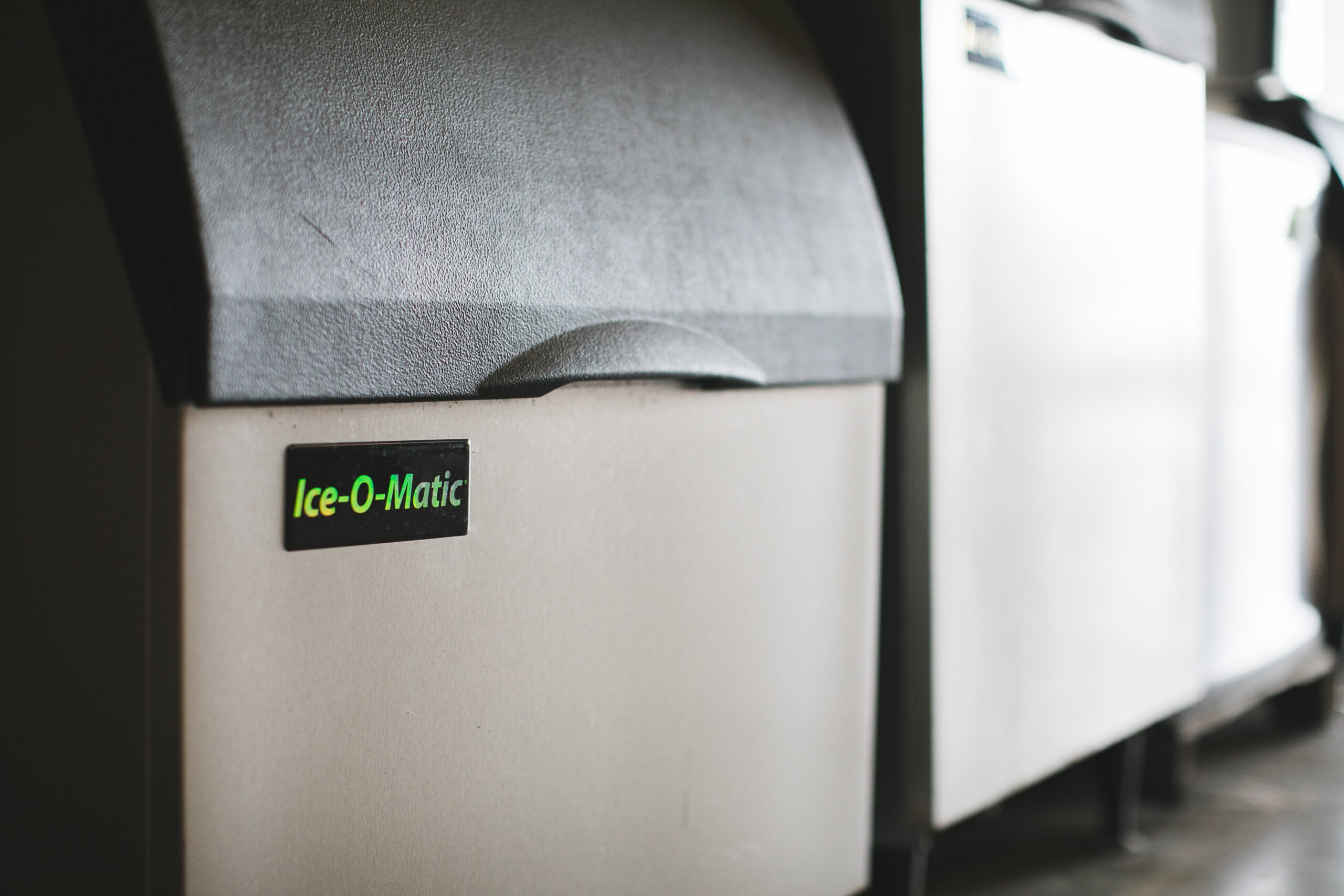
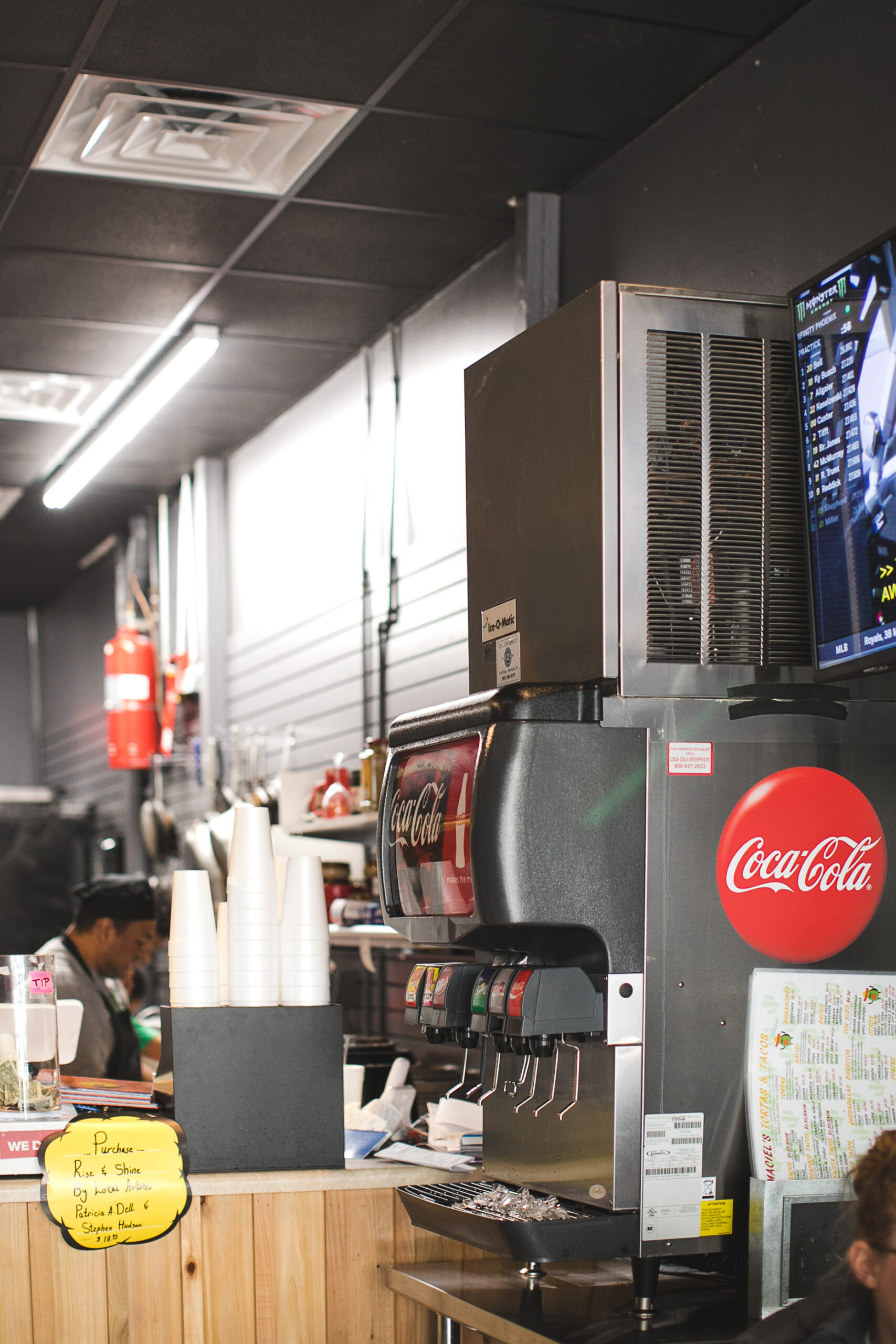
If you’re serving drinks, bar fridges with glass doors make life easier. Ice machines? Can’t forget those. Memphis Ice can help you pick units that keep up with your pace.
Specialized gear means better food and less waste. It also helps you meet health codes by holding proper temps. Match your units to your menu and stocking habits for the best results.
Installation and Layout Planning
Get your refrigeration install right and you’ll save yourself a ton of stress. Where units go, how easy they are to reach, and whether your space can support their needs—all of that affects how smoothly your kitchen runs.
Optimal Placement for Workflow
Put refrigeration where it makes sense. Fridges and freezers should be close to prep and cooking areas so staff aren’t running laps. A reach-in by the prep table can save a lot of steps.
Don’t stick fridges next to ovens or dishwashers—heat makes them work harder and costs you more. Leave space between units for air to move. Crowding leads to uneven cooling and headaches.
Plan for variety. Separate units for fresh and frozen stuff keep things organized and safe. During peak times, make sure staff can open doors without blocking each other or the aisles.
Ventilation and Accessibility
Ventilation’s a big deal. Refrigeration units throw off heat, so they need breathing room. If hot air gets trapped, compressors overheat and things break down.
Make sure you can get at everything for cleaning and maintenance. Regular gasket checks and coil cleanings keep things running smooth. Place gear where techs won’t have to move mountains to do their job.
Doors and drawers should open all the way—no fighting with walls or shelves. Clear aisles mean you can load and unload without a hassle.
Electrical and Plumbing Requirements
Commercial refrigeration pulls a lot of juice. You’ll need dedicated circuits, so double-check your electrical panel can handle the load.
Look for the right outlets nearby—GFCI outlets are often a must. If you’re adding ice makers or water-cooled condensers, make sure you’ve got reliable water lines and drains.
Plan your plumbing early, not after the fact. Bringing in pros can save you from code violations and expensive mistakes. Memphis Ice knows these details and gets your system up and running with no surprises.
Regulatory Compliance and Food Safety
Keeping food safe isn’t just about cold air—it’s about following rules, hitting the right temps, and catching issues before they snowball. You need solid systems to stay compliant and protect your customers.
Local Health Codes and Inspections
You’ve got to meet local health codes for food storage and refrigeration. That means regular cleaning, proper placement, and keeping temps within safe ranges. Health inspectors will check if you’re on top of it.
Blow an inspection and you risk fines or even getting shut down. Keep your refrigeration equipment clean and working. Know your local rules and be ready for surprise visits.
Memphis Ice techs can walk you through what’s required and help you keep things up to code.
Temperature Monitoring Solutions
You can’t wing it with food temps. Use digital thermometers or data loggers to track your coolers and freezers. Set alerts for when things drift out of the safe zone.
Stick to ranges like 34°F to 40°F for fridges and below 0°F for freezers. Check them daily. Automation helps you catch problems before you lose food or put customers at risk.
Data logs also give you proof for inspectors that you take food safety seriously.
Hazard Analysis and Critical Control Points (HACCP)
HACCP helps you spot and control food safety risks. You’ll map out food flow, identify critical points, and set limits like safe temps.
Monitor and document each step to cut down on problems. Memphis Ice can back up your HACCP plan with reliable equipment that keeps things cold at every stage. It’s the kind of system that meets FDA rules and keeps your operation safe.
Maintenance and Long-Term Management
Keeping refrigeration humming isn’t just luck—it’s about routines, preventive care, and a team that knows what to watch for. Stay ahead of breakdowns, and you’ll keep food safe and costs down.
Routine Cleaning Schedules
Dust and grime sneak up fast. Clean condenser coils, gaskets, and drain lines regularly to stop ice buildup and airflow problems. This keeps your system efficient and avoids breakdowns.
Make a simple checklist—daily, weekly, and monthly tasks. Wipe interiors every day, vacuum coils monthly. Keep a log so nothing slips through the cracks. It’s not glamorous, but it works.
Preventive Maintenance Tips
Bring in techs for regular inspections—refrigerant checks, door seals, and overall performance. Fixing little issues early saves you from big repair bills.
Build a maintenance plan that fits your gear. For walk-ins and ice machines, focus on steady temps and checking for leaks. Memphis Ice can set up a service plan that keeps your equipment in shape.
Staff Training and Best Practices
Your people make or break your refrigeration. Train them to spot temp swings, odd noises, or leaks. Show them how to load shelves without blocking airflow.
Keep records of any issues or repairs. Encourage fast reporting—don’t let problems fester. When everyone’s on board, your system runs smoother and lasts longer.
Frequently Asked Questions
Getting refrigeration right for your new restaurant is about choosing the equipment that fits, knowing your space, and keeping things efficient. You’ll want a maintenance plan, a handle on health codes, and a smart approach to food storage.
What are the essential refrigeration equipment pieces for a new restaurant?
You’ll need the basics: refrigerators, freezers, and prep tables with built-in cooling. Walk-ins or reach-ins are a must for bigger needs. Bar or under-counter coolers keep drinks ready and easy to grab.
How can I determine the adequate refrigeration capacity needed for my restaurant?
Look at your menu, food volume, and how fast you turn over inventory. Make sure you’ve got space for ingredients, prep, and finished dishes. Leave a little wiggle room for rushes—cramming things in never works out well.
Are there energy-efficient refrigeration solutions that could help reduce operating costs?
Absolutely. Go for Energy Star models and units with smart thermostats. LED lighting inside helps, and regular checks on seals and fans bump up efficiency. Less energy use means lower bills.
What maintenance procedures should I establish to ensure optimal refrigeration performance?
Set up regular checks on door seals, fans, compressors, and temps. Clean coils, keep an ear out for weird noises, and watch for frost. A steady maintenance rhythm keeps big problems at bay.
How do local health codes influence the choice of refrigeration in a new restaurant?
Health codes push you to keep foods cold—think under 41°F for fridges, 0°F for freezers. Inspectors want to see clean, accessible equipment, so picking units that are easy to wipe down just makes life easier.
Can you suggest any best practices for organizing and storing food safely in refrigerators?
Put raw meats on the lowest shelves so they don’t drip on foods you’re ready to eat. It helps to label and date everything—otherwise, who can really remember when that soup went in? Cover leftovers and try to use up the older stuff first. Don’t cram too much in, and try to keep the temperature steady.
Memphis Ice has helped restaurants keep their cool in the Mid-South since 1977. If you’re looking for kitchen advice that actually fits your space, a local expert might just make things a whole lot easier.