proudly serving
the mid-south


Tips for Preparing Cold Storage Before Major Events Friendly Guide to Staying Organized and Efficient
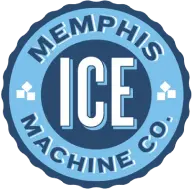
Getting your cold storage ready before a major event is honestly one of those things you’ll thank yourself for later. Keeping your food and drinks fresh and safe hinges on the basics: make sure your refrigeration units sit between 34°F and 38°F, and check that those door seals are tight. That alone keeps the cold in and spoilage out—plus, it saves you the headache (and cost) of losing product.
Don’t forget to peek at your ice machines and walk-in coolers for any weird noises, leaks, or other signs of trouble. We’ve been helping Mid-South businesses keep their equipment humming since 1977, so we get how crucial reliable refrigeration is when things get busy.
A little effort now goes a long way. When your cold storage is dialed in, you’re free to focus on your guests and your business, not scrambling over last-minute breakdowns.
Understanding Cold Storage Needs
How you prep cold storage really depends on your event’s size, type, and how long it’ll last. You’ve got to know how much space and cooling power your stuff actually needs. The right setup matches your event—no wasted energy, no risk of food going bad.
Event Types That Require Cold Storage
Big weddings, parties, festivals, trade shows—these all need cold storage. Food, drinks, or even flowers and other perishables need to stay fresh.
If you’re catering, make sure you’ve got enough refrigerated space for both ingredients and finished dishes. Outdoor events? You’ll probably want portable coolers or rented ice machines. Seasonal things like Oktoberfest or summer BBQs always spike the need for ice.
Healthcare events or product launches sometimes need precise temperature control. Knowing your event type helps you plan ahead and keep everything safe.
Assessing Storage Requirements
Start with a list—meats, dairy, drinks, flowers, whatever you’ve got. Figure out how much of each and how long they’ll need to stay cold.
Think about:
- How much product you have
- The temperature each item needs (frozen or just cold)
- How often you’ll open the doors
- Space for ice machines or extra refrigeration
This way, you don’t overload (or underuse) your setup, and you can predict power needs or when you’ll need to do maintenance. Matching your system to your real needs saves money and hassle.
Choosing the Right Cold Storage Solution
Pick equipment that fits your actual needs. Could be walk-in coolers, portable ice machines, or even refrigerated trucks.
Look for:
- Adjustable temps
- Energy efficiency
- Easy access and good organization inside
- Reliable service and maintenance
Having the right setup keeps your stuff at the right temp without wasting energy. Memphis Ice’s crew can help you pick the right system and get it serviced ahead of crunch time.
Pre-Event Cold Storage Preparation
Before a big event, get your cold storage clean, set to the right temps, and organized. It’s all about making sure things run smoothly when the doors open.
Cleaning and Sanitizing Units
Start by cleaning your walk-in coolers and ice machines. Clear out any old ice, spills, or gunk that could mess with your products. Use food-safe cleaners, nothing harsh.
Pay attention to door seals and vents—mold or dirt here can mess up cooling and let warm air in. Shelves and trays need a good wipe too.
Ice machines get gross if you skip cleaning. Buildup means bad ice and sluggish machines. If you rent from Memphis Ice, ask about their cleaning services.
Set a cleaning schedule that fits your event prep so you’re not scrambling last minute.
Temperature Calibration and Monitoring
Double-check that your refrigerators and freezers are holding the right temps before you load them up. Use a thermometer or digital monitor—don’t just trust the dial.
Keep fresh food between 33°F and 40°F, and frozen stuff at 0°F or below. Adjust each unit for what you’re storing.
Keep a temp log so you can catch issues early. If you see the numbers creeping up, call your Memphis refrigeration folks before it’s a crisis.
Organizing Inventory for Efficiency
Think through your storage layout. Group stuff by type and expiration date. Put the things you’ll need most often near the front.
Label shelves and use color-coded bins if you can—it just makes life easier.
Store ice separately from food to avoid cross-contamination. And don’t cram everything in—air needs to move.
When your storage is organized, your team spends less time hunting and more time serving.
Managing Perishable Goods
Keeping perishables fresh and organized before an event really cuts down on waste and makes setup a breeze. Smart placement and tracking mean you use space well and always know where things are.
Optimal Food Placement Strategies
Put items where they make sense based on spoilage risk. Work the “first in, first out” rule—older stuff up front, new in back. That way, you’re not tossing expired food.
Keep raw meats away from ready-to-eat stuff to avoid cross-contamination. Store meats on lower shelves to catch drips.
Fruits and veggies? Separate bins, with ventilation. Don’t jam-pack shelves—cold air needs to move.
Don’t block air vents, especially in walk-ins, if you want to keep temps steady. Seems obvious, but it’s easy to forget.
Labeling and Tracking Inventory
Label everything with the date received and use-by date. Waterproof labels and markers are a must—nothing worse than smeared ink.
Keep an inventory list, digital or old-school paper, so you know what you have and when you need to use or reorder it.
Color-coding helps—red for urgent, yellow for “use soon,” green for new. Simple, but it works.
We always tell folks: keep your cooler clean and organized. Makes your team’s life easier when things get hectic.
Safety and Compliance Considerations
Getting your cold storage event-ready means keeping things safe and following health rules. Your refrigeration has to work right to protect food and stay compliant—no one wants fines or sick guests.
Meeting Health Regulations
You’ve got to stick to local and federal health codes. Check your temps often—usually 32°F to 40°F for refrigerated goods.
Log those temperature checks. Inspectors love documentation, and it keeps you on track.
Clean equipment is non-negotiable. Regular cleaning stops bacteria from taking hold.
If something sounds off or temps are weird, get repairs lined up quickly. Memphis Ice catches small issues before they turn into event-day disasters.
Ensuring Food Safety During Storage
Consistent temps keep food safe. Try not to open your walk-ins or ice machines more than you have to—each time you do, you lose cold air.
Use proper shelving so air can move. Separate raw and cooked items. Label everything clearly so you use the oldest stuff first.
If your units have alarms or monitors, use them. They’ll tip you off if temps climb unexpectedly and give you a chance to fix things before it’s too late.
Logistics and Backup Planning
If you want things to go smoothly, line up your suppliers and have a backup plan for power outages. Good coordination keeps you from running short, and backup systems protect your stock when things go sideways.
Coordination with Vendors and Suppliers
Touch base with your vendors well ahead of time—ice, refrigeration, whatever you need. Nail down delivery times and locations.
Keep a contact list with key folks from each supplier. If something goes wrong, you’ll want to get answers fast.
Ask if they can handle last-minute requests. Memphis Ice always recommends staying in touch to avoid surprises.
Review your agreements in writing. It’s just easier to sort things out if everyone’s on the same page.
Contingency Planning for Power Outages
Power can go out at the worst times. Have a backup generator tested and ready. Make sure it can handle your whole refrigeration load.
Check your fuel or battery backup systems before the event. Keep emergency repair numbers handy.
If you can’t do a generator, arrange for quick ice deliveries from a reliable source like Memphis Ice. Fast rentals can save your inventory.
Label thermostat settings clearly, and train staff on manual overrides. That way, no one accidentally thaws everything.
A little planning goes a long way toward protecting your stock and your peace of mind.
Maintenance Before and During Events
Keeping cold storage in good shape before and during events is all about being proactive. Stay on top of checks and have a quick repair plan—downtime costs money and product.
Routine Equipment Checks
Do regular inspections before things get hectic. Make sure temperature controls are accurate—fluctuations can spoil food or spike your bills. Clear any frost or blockages that mess with airflow.
Check door seals for gaps or damage. Bad seals make your fridge work overtime. Clean condenser coils—dirty ones make the system struggle.
Watch your compressor. Weird noises or overheating? Time to call it in. Memphis Ice suggests getting these checks done weeks ahead so you’re not scrambling.
Emergency Repair Procedures
Even with prep, things break. Have a plan to reduce downtime:
- Spot the problem fast: Is it temp, noise, or a shutdown?
- Alert your maintenance team or Memphis Ice: The sooner, the better.
- Switch to backup equipment if you can: Rentals or spares keep things moving.
- Document what happened: Makes warranty claims and future fixes easier.
Train your staff on who to call and basic troubleshooting—like checking power or resetting controls. When every minute counts, a plan keeps you calm and moving.
Sustainability and Energy Efficiency in Cold Storage
Getting cold storage ready for a big event doesn’t just mean keeping things cold—it’s a chance to save energy and money, too. Energy-efficient equipment (look for Energy Star-rated machines) can help lower your bills and your footprint.
Efficient units give off less heat, so your cooler doesn’t have to work as hard to stay cold. That means less wear and tear and lower running costs.
Some easy ways to boost efficiency:
- Keep doors closed as much as you can.
- Don’t overload shelves—air needs to move.
- Stay on top of maintenance, like cleaning coils and checking seals.
Honestly, small tweaks add up. Our rentals at Memphis Ice have energy-saving features baked in—they help you stay cool without wasting power.
Consider upgrading to smart thermostats or timers. These let you control temps and run times, so you only use energy when you need it.
Sustainability isn’t just a buzzword—it keeps your operation solid and ready for anything. If you want advice on making your cold storage eco-friendly and efficient, give us a shout.
Post-Event Cold Storage Care
After your event, a few simple steps will keep your cold storage fresh for next time. Start with a thorough cleanup, then check what you’ve got left and jot down anything you’ll need to restock.
Proper Cleanup Processes
First up, get rid of any leftover food and ice. It might seem obvious, but this really helps prevent odors and stops bacteria from taking over. Grab some warm, soapy water and a clean cloth—wipe down the shelves, walls, and bins inside your cooler or ice machine. Skip the harsh chemicals; they can mess up surfaces or leave behind stuff you don’t want near your food.
Take out any removable parts, like trays or bins, and wash those separately. Let everything dry completely before you close things up again—otherwise, you’ll just invite mold.
If you rented a commercial ice machine (say, from Memphis Ice), don’t forget to clean out the hoses and filters too. It’s a little extra work, but it keeps the machine running well and saves headaches down the line.
Inventory Review and Restocking Tips
Next, scan your inventory. What’s gone? What’s spoiled? Make a quick list of stuff to replace—think ice bags, frozen goods, fresh ingredients, whatever you ran low on.
When you restock, stash similar items together and slap on clear labels. It makes life easier next time you’re in a rush. Shuffle older stuff to the front so you’ll use it up first and avoid waste.
Expecting another big event soon? Maybe bump up your order a bit so you’re not scrambling at the last minute. Memphis Ice can help if you need extra rentals or cold storage during busy stretches.
Frequently Asked Questions
Getting your cold storage set for big events isn’t just about what you buy—it’s how you store it, what kind of containers you use, and making sure you’re following food safety basics. There’s a bit of an art to organizing it all, honestly.
What essential items should I have on my food storage list for emergency events?
Water, canned goods, dried grains, and frozen veggies are must-haves. Toss in basic cooking supplies and anything for special diets. Ice and dry ice can be lifesavers if the power goes out and you need to keep things cold.
How can I choose the best containers for long-term food storage?
Go for airtight, moisture-proof, and tough containers. Food-grade plastic bins, glass jars, or vacuum-sealed bags all work. If you can see what’s inside without opening them, even better—it saves a ton of time.
What are the top foods to stockpile that have a long shelf life?
Rice, beans, pasta, canned fruits and veggies, powdered milk, and freeze-dried meals are all solid picks. Store them right and they’ll last ages.
Can you give me some creative ideas for organizing long-term food storage?
Label everything with dates and what’s inside—don’t skip this step. Stack containers to make the most of your space. Group foods by type (grains, proteins, snacks) so you can grab what you need fast, especially when things get hectic.
What are the recommended guidelines for developing a cold storage facility?
Aim for a steady temperature between 32°F and 40°F. Keep the place clean, well-ventilated, and easy to get into. Don’t overlook ice machine maintenance; it can save you from breakdowns when you least expect them.
How do I adhere to FDA cold storage regulations for food safety?
Keep perishable foods cold enough, and check those temps often—don’t just assume the fridge is working. Clean regularly, and keep raw stuff away from anything ready-to-eat. Write down your temperature checks so you’ve got proof if anyone asks.
Memphis Ice has been helping folks around the Mid-South with refrigeration since 1977. If you want to make sure your cold storage is up to the task, maybe chat with one of their experts.