proudly serving
the mid-south


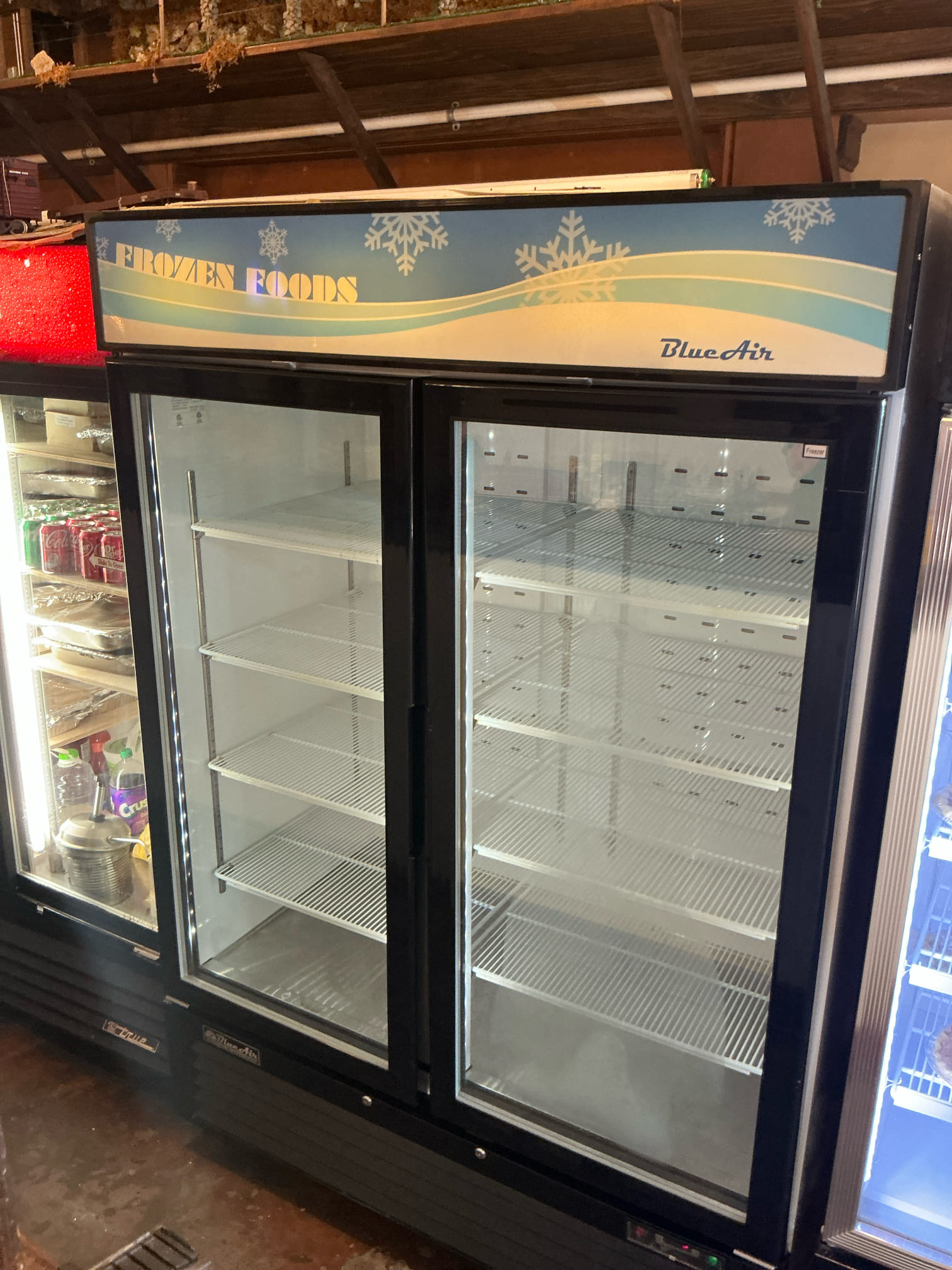
Common Causes of Warm Spots Inside Walk-In Coolers and How to Fix Them
Warm spots inside your walk-in cooler can put your products at risk and drive up energy costs. The usual culprits? Damaged door seals, blocked airflow from dirty or broken fans, low refrigerant, or compressor trouble. Any of these can make your cooler work overtime and still fall short on keeping things cold.
These problems often sneak up on you. Before you know it, inconsistent cooling threatens your inventory. Checking seals, cleaning coils, and inspecting fans regularly can help you dodge bigger headaches down the road. At Memphis Ice, we’ve been helping businesses stay cool since 1977. We know that a well-maintained cooler is key to protecting your bottom line.
If you notice warm spots or uneven cooling, don’t just shrug it off. Whether you need a quick walk-in cooler repair or just some routine TLC, calling in an expert can save you a lot in the long run. Let’s dig into what causes these warm spots and how you can tackle them.
Understanding Warm Spots in Walk-In Coolers
Warm spots inside your walk-in cooler usually pop up because cold air isn’t getting everywhere it should—or it’s leaking out. These uneven zones put your inventory at risk and force your cooler to work harder. Figuring out what’s behind these warm areas helps you catch issues early and keep things running smoothly.
How Temperature Imbalances Occur
Warm spots tend to show up when cold air can’t circulate properly. Maybe boxes are stacked too high, shelves are blocking vents, or a fan’s on the fritz.
Door seals that are cracked or worn let warm air sneak in, making it tough to keep everything cold. Dirt or frost on condenser coils cuts down cooling efficiency. Sometimes, low refrigerant or a failing compressor throws off the whole system.
Stay ahead of these problems by checking door seals, cleaning coils, and making sure fans are moving air well. Memphis Ice has helped plenty of Mid-South businesses by focusing on these basics during routine service.
Why Warm Spots Are a Problem
Warm spots create unsafe conditions for your stored goods. Food spoils faster if temperatures climb, which means more waste and possible health risks.
These spots make your cooler run longer and work harder, so your energy bills climb. Over time, that extra strain can lead to bigger breakdowns.
If you catch and fix small issues early, you’ll save money and avoid ruined products. Memphis Ice recommends checking temperature zones often so you can spot warm spots before things get out of hand.
Most Common Causes of Warm Spots
Warm spots in your walk-in cooler can spoil food and raise energy costs. Usually, they show up when air can’t move, seals are loose, or cooling parts aren’t doing their job. Fixing these issues fast keeps your cooler working and your inventory safe.
Blocked Airflow Vents
Airflow vents move cold air around your walk-in cooler. If boxes, equipment, or frost block these vents, cold air can’t get where it needs to go. Some spots stay warmer than they should.
Don’t stack things too close to vents and keep frost in check. Air needs to move freely from fans and vents. If there are shelves or prep tables inside, leave room around vents. Poor air circulation means warm spots—and higher bills.
Improper Door Seals
Door seals (gaskets) keep warm air out and cold air in. If the seals are cracked, torn, or don’t close right, warm air sneaks in. This makes areas near the door warmer than the rest.
Check your door seals often for wear and tears. Try closing the door on a piece of paper—if it slips out easily, your seal’s not tight enough. Damaged seals waste energy and weaken the cooling system. Memphis Ice says replace seals as soon as you spot a problem.
Malfunctioning Fans
Fans inside your cooler pull cold air across the evaporator coils and push it around. If fans stop or run slow, cold air doesn’t spread evenly.
Strange noises or nonstop cycling? Your fans might be failing. Without good airflow, some areas just won’t cool down. Maintenance means checking fan motors, blades, and wiring to keep things balanced. Memphis Ice can handle quick fan repairs so your cooler stays reliable.
Insulation and Structural Issues
Warm spots often come from places where cold air leaks out or heat sneaks in. Problems with insulation or gaps in the cooler’s structure throw off temperatures. These issues slow down your cooler’s ability to keep food safe and fresh.
Damaged Wall or Ceiling Insulation
Insulation keeps cold air inside and blocks out heat. If insulation in the walls or ceiling is damaged, wet, or missing, you’ll notice warm spots nearby. Moisture can ruin insulation over time—maybe from leaks, bad installation, or bumps during cleaning or moving stuff.
You might feel these spots are warmer, or see frost where air isn’t moving right. Fixing or replacing damaged insulation helps your cooler work better and cuts energy costs. When you call Memphis Ice, we’ll usually check insulation first. It’s worth catching early.
Gaps Around Doors and Panels
Small gaps in door seals or between panels let cold air out and warm air in. Door seals that are worn, cracked, or not closing right are the usual suspects. Misaligned panels or missing fasteners can open up sneaky gaps too.
Check for leaks by looking for light around the edges or icy buildup. Run your hand along the edges—you’ll feel cool or warm air leaks. Fixing seals or tightening panels often solves warm spots fast. It’s a simple step, but it makes a big difference.
Keep an eye on your seals. If you spot trouble, call a Memphis refrigeration pro. They’ll swap out seals or adjust panels so your cooler stays efficient.
Cooling System Inefficiencies
Warm spots often trace back to cooling system parts not working right. Usually, it’s a refrigerant leak or compressor issue. Both cut down how well your cooler chills things, letting warm air build up.
Refrigerant Leaks
Refrigerant is what pulls heat out of your cooler. If it leaks, your cooler can’t stay cold. You might notice ice on the coils or warm air inside. Sometimes there’s a hissing noise where gas escapes.
A leak drops system pressure, making your compressor work too hard and too long. That wastes energy and bumps up the temperature. If you see water pooling or slippery spots near pipes, a refrigerant leak could be to blame.
Fixing leaks quickly saves money and avoids bigger headaches. Regular checks by Memphis Ice’s team can catch leaks before they get worse.
Compressor Problems
The compressor pumps refrigerant through your system. If it runs nonstop or won’t start, your cooler can’t hit the right temperature. You might feel warm air inside or hear odd noises from the compressor.
A struggling compressor is usually worn out or damaged. Dirt, skipped maintenance, or electrical issues can all cause trouble. Ignore it, and you’ll face bigger repairs.
Get your compressor checked during routine maintenance. Memphis Ice has helped plenty of local businesses dodge emergencies by catching compressor problems early.
Improper Storage Practices
How you organize and store stuff inside your walk-in cooler really impacts temperature consistency. If shelves are overloaded or air can’t move freely, you’ll end up with cold spots and warm pockets that put your inventory at risk.
Overloaded Shelves
If shelves are packed too tightly or stacked too high, air can’t flow around the products. Cold air gets blocked, and warm spots form where air is trapped. Overloading also stresses the shelves and makes it harder to check things.
Don’t pile boxes or containers all the way to the ceiling. Leave a few inches between the top of your load and the cooler’s ceiling. That space helps cold air circulate.
Give items some breathing room on the shelves. Stacking too close traps heat. Check shelves regularly and clear out extra stock to keep airflow moving.
Blocked Circulation Pathways
Air vents and fans need to stay clear to keep air moving. If stuff blocks vents or sits against fan guards, airflow patterns break down. That means uneven temperatures and a harder-working cooler.
Make it a habit to check for blocked vents or fans. Move pallets or boxes back at least 6-12 inches so air can move. Arrange products so cold air flows around, not behind or against them.
If you use shelving near vents, don’t let it crowd the airflow. Sometimes just shifting shelves or rearranging items gets things back on track.
At Memphis Ice, we’ve been helping Mid-South businesses keep cool since 1977. A smart storage setup is one easy way to protect your products and make your cooler last longer.
Frequently Asked Questions
Warm spots in your walk-in cooler can mean uneven temperatures and put your stored goods at risk. Usually, it’s problems with seals, airflow, or the cooling system itself.
What are some signs that a walk-in cooler is not maintaining the right temperature?
You might notice uneven temperatures or warm spots inside. Other signs: frost buildup, weird noises, or a compressor that runs too long. All of these mean your cooler is struggling.
Can a faulty door seal lead to temperature inconsistencies in my walk-in cooler?
Absolutely. Damaged or loose door seals let warm air in and moisture, too. That causes frost and lets cold air out. Checking your seals helps keep temperatures stable and energy bills down.
How might overstocking affect the temperature inside a walk-in cooler?
Overstocking blocks air from circulating. When cold air can’t move, some spots get cold and others warm up. Organize shelves and don’t stuff in too much product if you want a steady temperature.
What role does proper ventilation play in preventing warm spots in walk-in coolers?
Good ventilation spreads cold air evenly. Without it, air gets stagnant and warm spots form. Make sure vents are open and not blocked by products or ice.
Could an issue with the cooling system itself cause uneven temperatures in a walk-in cooler?
Definitely. Problems like a failing compressor, thermostat trouble, or low refrigerant can all mess with cooling. If the system runs too long or doesn’t cycle right, expect uneven temps inside.
How do I identify and fix refrigerant leaks in my walk-in cooler?
Keep an eye out for oily spots or patches of frost where the refrigerant lines hook up—those usually spell trouble. When refrigerant leaks out, your cooler just can’t keep up, and the compressor ends up working overtime. If you think you’ve got a leak, it’s probably best to call Memphis Ice for a service check. They’ll sort out the repairs and help your cooler get back on its feet.
Recent News

Behind the Scenes: How Ice Supports Catering, Festivals, and Spring Events

The Role of Ice in Spring Menus: From Patio Drinks to Seasonal Specials

Is Your Ice Machine Ready for Warmer Weather?
Spring Cleaning For Your Ice Machine

Hosting Easter Brunch? Don’t Forget the Ice
How Often to Clean a Commercial Ice Machine for Best Performance and Longevity