proudly serving
the mid-south


Common Causes of Slow Ice Production and How to Fix Them Quickly and Easily
If your ice machine suddenly isn’t keeping up, everything can grind to a halt. The most common causes of slow ice production are clogged filters, low water pressure, dirty parts, and poor ventilation. Knowing what’s usually behind the slowdown lets you jump into action and keep your business humming.
Keeping your ice machine in good shape really comes down to checking the water supply, swapping or cleaning filters, and making sure the machine can breathe. At Memphis Ice, we’ve helped Mid-South businesses with these headaches since 1977. With a little attention or a quick fix, you can dodge bigger problems later.
Whether you’re running a restaurant, bar, or healthcare spot, slow ice output is something you can handle. Let’s walk through a few practical ways to get your ice machine back in gear and keep those customers happy.
Understanding How Ice Makers Work
Getting to know the basics of your ice maker and how it works helps you spot problems early. Knowing how different machines make ice can point you to the right solution if things slow down.
Basic Components of an Ice Maker
Inside your ice maker, a few key parts work together. The water supply line brings water in. The water filter keeps out dirt and minerals. The freezing plates or evaporator is where water turns to ice.
A compressor moves refrigerant through coils to chill the evaporator. There’s a fan to keep air moving so nothing overheats. The ice mold shapes the cubes, and a mold heater or water dispenser helps pop them out when they’re done. A bin sensor keeps track of how full things are and stops the machine from making too much.
Typical Ice Production Process
Your ice maker starts by filling the mold with water. The refrigerant cools down the evaporator plates, and the water freezes.
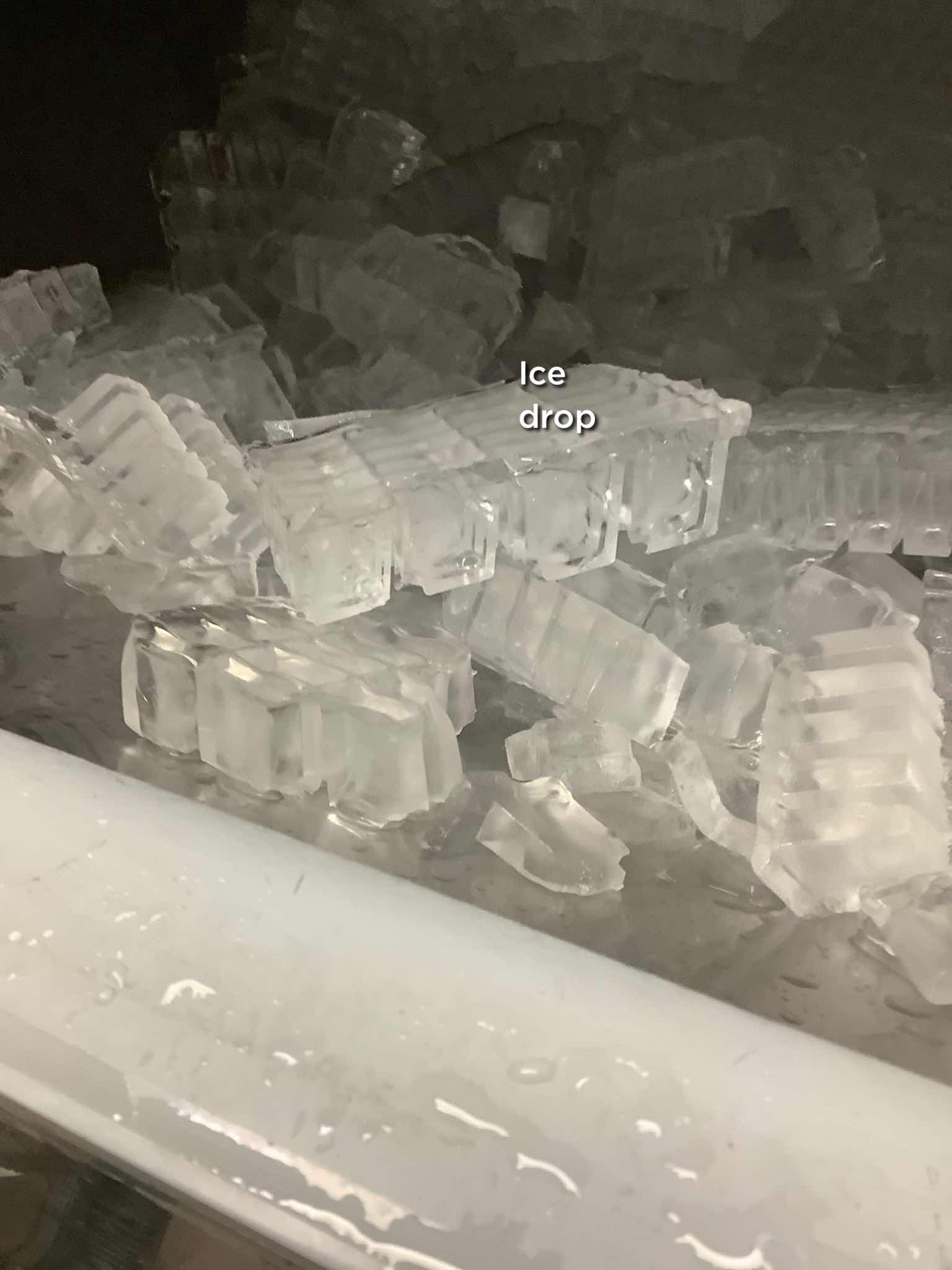
Once the cubes are solid, the machine warms up the edge of the mold just enough to loosen them, so they drop into the bin. A sensor checks if the bin’s full and pauses things if it is. Take some ice out, and the machine starts up again.
If water flow is blocked or filters are dirty, freezing slows down and you get fewer cubes.
Types of Ice Makers
Most commercial places use one of three types:
- Cube ice makers: Hard, clear cubes. Great for drinks, hospitals, or anywhere you want slow-melting ice.
- Flake ice makers: Soft, tiny flakes that pack together. Perfect for seafood displays or produce.
- Nugget ice makers: Chewable, soft pieces. Fans love these in cafes and fast-food joints.
Each type cools water a little differently, but the basic cycle stays the same. What you pick depends on what you’re serving, your space, and how much ice you need.
Common Causes of Slow Ice Production
When your ice machine drags its feet, you can usually trace it back to specific issues. These often involve temperature, water supply, or parts that need a good cleaning. Catching these early keeps ice production steady and sidesteps bigger repairs.
Incorrect Freezer Temperature
Ice machines need just the right temperature to work fast. Too warm, and ice forms slowly or not at all. Most work best between 0°F and 15°F (-18°C to -9°C), but always check your manual.
If the freezer’s set too cold, ice can pile up inside and jam things. That slows it down and can even break parts. Grab a thermometer, check the actual temp, and adjust the thermostat if needed. Knock off any frost or ice buildup while you’re at it.
Low Water Supply or Water Pressure
Your machine can’t make ice without enough water, and it needs the right pressure. If the pressure drops or the supply line gets kinked, you’ll end up with smaller cubes or a lot fewer of them.
Look for kinks, leaks, or closed valves in the line. Most machines like water pressure between 20 and 80 psi. If it’s too low, trays don’t fill up and the machine just can’t keep up. Any leaks or blockages? Fix them fast to avoid a slowdown.
Clogged Water Filter
A clogged water filter keeps clean water from reaching the freezing system. Old or dirty filters slow down water flow and can mess with the taste of your ice.
Most filters need changing every six months, but hard water or heavy use means you might need to do it sooner. If ice is slow or tastes weird, check the filter. Swapping it out is quick and usually solves the problem. If you’re not sure, Memphis Ice can handle it for you.
How to Fix Slow Ice Production Issues
Usually, slow ice comes down to freezer settings, water supply, or a dirty filter. Tackling these right away keeps your machine working and saves you money down the road.
Adjusting Freezer Settings
First, check the freezer temperature. Aim for 0°F to 10°F. Too warm? Ice forms slowly or not at all.
If your machine has a thermostat, nudge it colder but don’t overdo it—too cold and you’ll just waste energy and wear out parts. Make sure vents aren’t blocked and coils are clean. A dirty, hot-running machine just can’t make ice quickly.
Replacing or Cleaning the Water Filter
A clogged filter is a classic culprit. Over time, minerals and gunk slow everything down.
Check the filter every six months—more often if your water’s hard. If it’s dirty or ice is slow, pop in a new one (use the brand your machine likes). Some filters can be rinsed, but honestly, replacing them is usually the way to go for clean water and ice.
Checking and Restoring Water Supply
Ice makers need a steady, clean water flow. Check for kinks, leaks, or low pressure in the supply line. Even a partial block will slow things down.
If water isn’t flowing much, turn off the machine and inspect the supply valve. Make sure it’s wide open. If your building’s pressure is low, you might need a booster pump.
Give those water connections a regular once-over. Fixing leaks or damage now can save you from bigger headaches later.
If you’re still stuck, Memphis Ice is just a call away.
Preventing Future Ice Production Problems
Keeping your ice machine happy really comes down to regular maintenance, where you put it, and how often you clean it. Stay on top of these, and you’ll avoid most slowdowns and repairs.
Regular Maintenance Tips
Look at the water filter every 3 to 6 months. If it’s gunked up, swap it out.
Watch your water pressure. If it drops, less water gets in and ice production slows. Keep it above what your machine’s manual recommends.
Book a pro inspection once a year. Memphis Ice techs can spot worn parts or electrical issues before they become a problem.
Check for ice buildup inside. If you see a lot, time for a reset or quick thaw.
Optimal Placement of Ice Maker
Put your ice machine somewhere with good airflow. If it can’t breathe, it’ll get hot and slow down.
Don’t stick it near ovens or in direct sun. Extra heat just makes the compressor work harder and slows everything down.
Keep it off the floor and away from dust. A sturdy stand or counter helps keep out dirt that clogs filters and fans.
Level it! If it’s tilted, ice forms unevenly and can jam things up.
Routine Cleaning Procedures
Clean your ice machine at least every three months. Use a cleaner the manufacturer recommends to get rid of mineral deposits and slime.
Focus on the ice bin, water reservoir, and filters. Dirty parts slow water flow and let bacteria grow.
Flush the system after cleaning to get rid of leftover chemicals. That keeps your ice tasting good.
Wipe down the outside now and then, too. Dust and dirt can mess with fans and other parts.
If you’d rather not mess with cleaning, Memphis Ice has plans to keep your machine running.
When to Consider Professional Repair
Most slow ice problems are easy to fix, but sometimes things just keep going wrong. When that happens, it’s probably time to call in a pro. Don’t wait until you’re totally out of ice.
Identifying Mechanical Failures
If your ice machine starts making weird noises, stops making ice, or you see leaks, you’re likely dealing with mechanical issues. Stuff like the water inlet valve, ice mold thermostat, or sensors can break or get stuck.
Some machines beep or flash error codes when something’s off. That’s your cue to call a technician. Trying to fix these without the right tools or know-how can make things worse.
Let a Memphis Ice pro check it out. They’ll figure out what’s wrong and swap out bad parts before things get worse.
Dealing With Persistent Performance Issues
If you’ve cleaned filters, checked water, and your machine’s still slow, you might have a deeper problem. Dirty sensors, frozen lines, or worn-out parts can drag down performance.
Cloudy or funky-tasting ice can mean there’s something bigger going on inside. Weather and regular use can also mess with how well your machine works.
If basic fixes aren’t working, it’s smart to get a pro inspection. Regular maintenance from Memphis Ice helps you avoid surprise breakdowns—especially during your busiest days.
Frequently Asked Questions
Slow ice production usually comes from something specific—water flow, temperature, or gunk inside the machine. You can fix a lot of these yourself and keep things running.
Why might my ice maker be taking longer to produce ice than expected?
Ice makers slow down if the room’s too warm or water flow is weak. Dirty filters or clogged lines are also common. Start with those.
What are some common reasons for a Whirlpool ice maker to work more slowly, and how can I resolve this?
Whirlpool machines often slow down due to clogged filters or low water pressure. Swap out the filter and make sure the supply valve’s all the way open. Also, keep the machine away from heat sources.
How can I increase the speed of my ice machine’s production?
Keep your machine in a room around 70-75°F. Clean or replace water filters often to keep things flowing. Sometimes, just resetting the machine when seasons change clears up minor glitches.
Are there any quick fixes to help a Frigidaire ice maker produce ice faster?
Yep—check for frozen water lines or dirty sensors. Defrost frozen parts gently, clean the sensors if you can reach them, and try resetting the machine to clear up electronic issues.
What steps can I take if my GE Profile ice maker is slow at making ice?
First, double-check that the water inlet valve’s actually open and the water’s flowing like it should. Sometimes, a clogged filter or a bit of frost sneaking in can slow things down, so give those a look. If all else fails, try resetting the ice maker—honestly, that little trick works more often than you’d think.
How much ice should I expect my ice maker to produce in a normal cycle?
Most commercial ice makers crank out somewhere between 20 and 50 pounds of ice each day, though it really depends on the specific model you’ve got. In decent conditions, you can usually expect a normal cycle to give you a batch of clear, full-sized cubes in about 1 to 2 hours.
If you’re running into issues or just want to make sure you never run out, Memphis Ice has folks who know their stuff and can help keep your machine humming. Give them a shout if you need a hand.