proudly serving
the mid-south


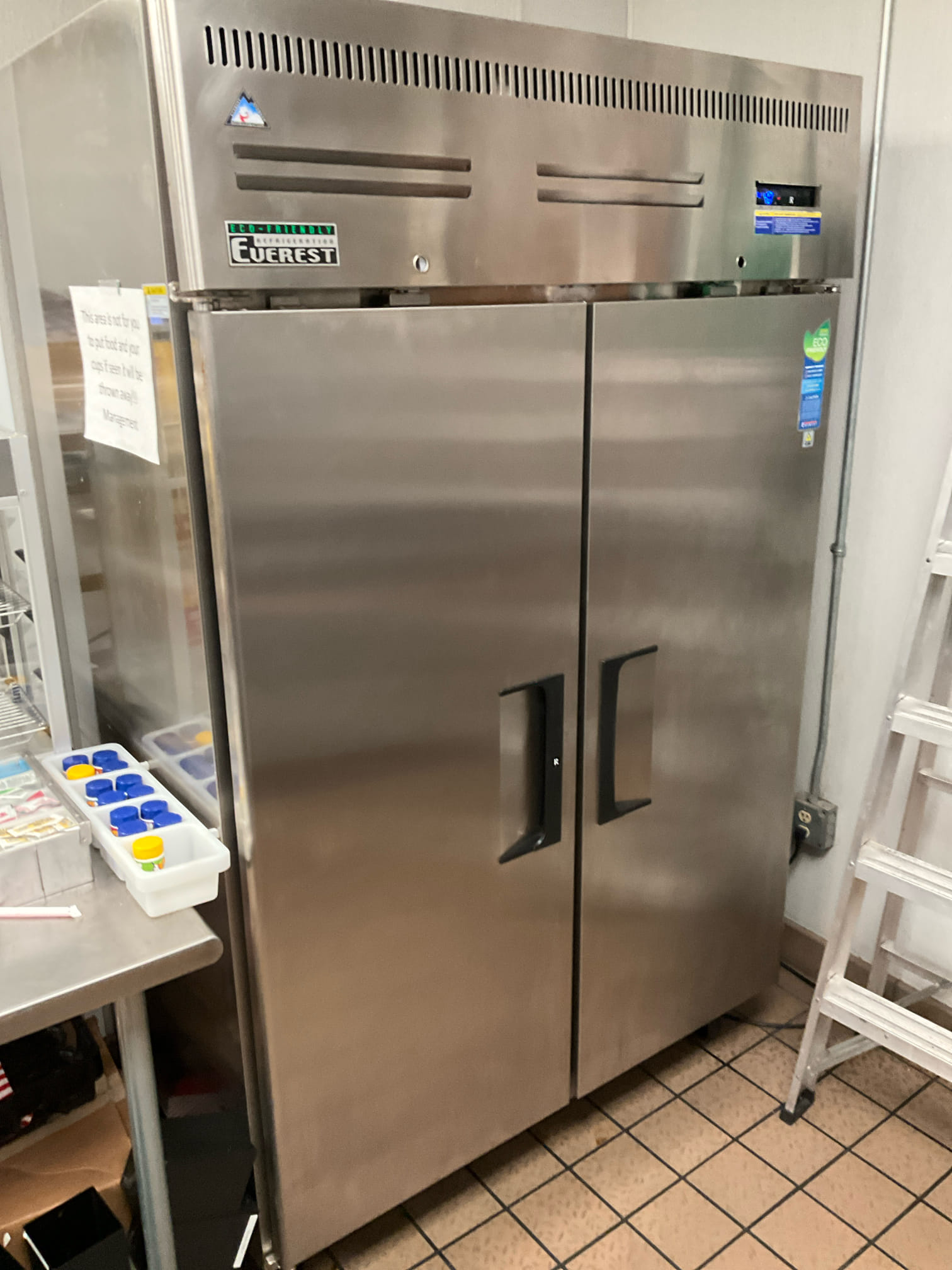
Best Practices for Loading and Unloading Walk-In Freezers Made Easy and Efficient
Loading and unloading a walk-in freezer might look straightforward, but honestly, doing it right makes a real difference for your equipment and your bottom line. Organize your items so air can move around and your freezer keeps a steady temperature. This helps keep products fresh and can save you from costly repairs.
Try not to overfill or stack things too close to the walls. Leaving a clear path inside makes your job safer and less of a headache. At Memphis Ice, we’ve seen these little habits keep Mid-South businesses running smoothly, even when things get hectic.
Whether you’re stocking produce or frozen meals, a bit of planning goes a long way. Let’s dive into some practical tips that won’t slow you down and will help your walk-in freezer stay in top shape.
Preparing for Safe Loading and Unloading
Keeping your walk-in freezer tidy and safe speeds up restocking and helps avoid accidents. A clean, well-lit, and clutter-free space really pays off. Simple routines and quick checks can keep your team moving and uninjured.
Conducting Pre-Entry Inspections
Take a quick look before you step in. Check the floor for spills, ice, or anything you might trip over. Make sure the door opens and closes without sticking. Is it bright enough inside? If not, fix that before you start.
Double-check the temperature—your products depend on it staying at a safe level. If you spot broken shelves or blocked aisles, sort those out right away. These inspections should become second nature—just a quick habit before every loading or unloading job.
Organizing Inventory for Efficiency
Put your most-used items near the door. Group similar things together and label shelves so you’re not hunting around. Glass doors or open shelving can help your team grab what they need without fuss.
Heavy or bulky items belong on lower shelves. That way, you’re not straining your back. Make sure walkways are wide enough for carts and people to pass without bumping into stuff. A little organization makes busy shifts less stressful and helps prevent accidents.
Establishing Clear Procedures
Lay out simple rules for loading and unloading. Remind your team to lift with their knees, not their backs, and to keep loads close. Assign roles so everyone knows what they’re responsible for.
Keep loading paths clear—no exceptions. If someone spots a problem with equipment or layout, encourage them to speak up. At Memphis Ice, we’re big on clear steps and open communication. It really does help prevent mistakes and keeps your refrigeration running like it should.
Temperature Management Best Practices
The right temperature keeps your products safe and your energy bills in check. You’ll want to keep the door closed as much as possible, monitor temps, and use a few tricks to seal in the cold.
Minimizing Door Open Time
Every extra second the freezer door’s open lets in warm air. That just makes your freezer work harder and puts your inventory at risk. Plan ahead—get your items ready before you go in.
Keep carts and pallets close to the door. Don’t hang out in the entryway with the door wide open. If you’ve got a manual door, shut it firmly after each trip. Try to keep the door open for less than 30 seconds if you can—those seconds really do count.
Monitoring and Recording Temperatures
Stay on top of temperature checks. Place a reliable thermometer away from doors and vents for the best reading.
Log temperatures at least twice a day, especially during busy periods. Spotting trends early can save your inventory. If it creeps above 0°F (-18°C), act fast.
Some places use digital monitors that send alerts if temps drift. That’s a lifesaver. Memphis Ice suggests keeping a simple temperature log—paper or digital—so you’re always ready for inspections.
Using Air Curtains and Strip Doors
Air curtains and strip doors are a smart way to keep warm air out without making your team wrestle with heavy doors. In busy kitchens, these barriers are a game changer.
Air curtains blow cold air across the opening, acting like an invisible shield. Strip doors are those overlapping plastic strips—easy for people and carts to get through, but they still block most of the warm air.
Both options cut down on cold air loss and save on energy. They can also help prevent frost, which is a pain when warm air sneaks in. Not sure which is best? Ask your local refrigeration pros.
Employee Safety Guidelines
Protecting your team during loading and unloading is non-negotiable. The right gear, emergency know-how, and a few smart habits help everyone stay safe and keep business rolling.
Wearing Proper Personal Protective Equipment
Always wear the right PPE when you head into a walk-in freezer. Insulated gloves and slip-resistant boots are a must. An insulated jacket or apron helps you stay warm if you’re in there for a while.
Check that your PPE fits and isn’t falling apart. Clear walkways and glass doors help you see what’s going on, cutting down on accidents. Memphis Ice recommends checking and swapping out worn gear regularly—it really does make a difference.
Understanding Emergency Protocols
Everyone should know exactly what to do if something goes sideways in the freezer. Keep emergency exits clear and make sure doors open easily from the inside. Post instructions for alarms or calling for help right where people can see them.
Train your team to keep calm and get help fast if someone’s hurt or stuck. Having a cell phone or two-way radio on hand speeds things up. Go over your emergency plan regularly so nobody’s caught off guard.
Avoiding Common Injury Risks
Most injuries come from slipping, bad lifting, or bumping into things in tight spaces. Remind your crew to lift with their legs, not their backs. Use carts or dollies for heavy stuff.
Keep floors and aisles clean—ice or clutter is just asking for trouble. Arrange shelves so nobody has to twist or reach awkwardly. Memphis Ice is all about organizing your setup to make every move safer and easier.
Efficient Material Handling Techniques
Smart material handling keeps your freezer humming and prevents damage. The right equipment, good pallet habits, and careful stacking all make loading and unloading faster and safer.
Selecting Appropriate Equipment
Using the right gear makes everything easier. For most walk-ins, pallet jacks with non-marking wheels are your best bet—they handle heavy loads without wrecking the floor. If your aisles are tight, compact electric pallet jacks save time and your back.
Check that your equipment can handle the cold. Some machines just don’t like freezing temps. Regular maintenance—checking wheels, brakes, and lifts—means fewer breakdowns when you’re in a rush.
Utilizing Pallet Systems
Pallets are a lifesaver for moving lots of stuff at once. Stick to standard-sized pallets that fit your shelves and spaces. Toss out damaged or warped pallets—they’re accidents waiting to happen.
Label pallets clearly and group items by type or date. This makes stocking and picking way faster. Leave room around pallets so people can get by without hassle. Good pallet use means less time spent shuffling boxes.
Optimal Stacking and Placement
Stacking matters for both safety and space. Heavy boxes go on the bottom, lighter ones on top. Don’t stack higher than about four feet in the freezer—it’s just not worth the risk.
Let air flow around your products. That keeps the temperature steady and avoids cold spots. Keep your most-used items near the door so you’re not standing there with the door open forever. We’ve seen smart stacking shave minutes off every shift and cut energy costs too.
Maintaining Walk-In Freezer Performance
Your walk-in freezer needs more than just daily use—it needs regular TLC. A little attention now and then helps you dodge breakdowns, keeps food safe, and honestly, saves money.
Scheduling Regular Maintenance
Set up a maintenance schedule with your service provider—Memphis Ice or whoever you trust. Clean condenser coils, check compressors, and look at those door seals. These quick tasks help your freezer run better and use less power.
Aim for at least twice a year, or more if your freezer is always busy. Use a checklist so nothing slips through the cracks. Regular care stops frost and dirt from building up and causing headaches later.
Reporting and Addressing Equipment Issues
Train your folks to speak up if something sounds weird, temps change, or frost starts building up. Quick reports keep small problems from turning into big, expensive ones. Keep a log of issues and fixes so you’re not scrambling to remember what happened.
If something feels off—like a door not sealing or temps bouncing around—call your service provider right away. Don’t wait for a total breakdown. Your freezer is too important to risk.
Frequently Asked Questions
Keeping your walk-in freezer safe and efficient isn’t rocket science, but it does take some planning. Focus on safety, prevent freezer burn, and keep things organized. Stick to good habits and you’ll meet safety rules and avoid headaches.
What are the key safety considerations when operating walk-in freezers?
Watch your step going in and out. Wear proper cold-weather gear—insulated gloves and boots are a must. Check door seals so cold air stays in.
Never block emergency exits or alarms. Make sure the lighting works so you can actually see what you’re doing.
How can freezer burn be prevented during storage in walk-in freezers?
Wrap items tightly using freezer-safe packaging. Go for airtight containers or heavy-duty freezer bags. Don’t jam the freezer full—air needs to move.
Keep temps steady, under 0°F (-18°C) if possible. Rotate stock so older stuff gets used first.
What sequence of operations should be followed to maintain walk-in freezer efficiency?
Inspect door seals every week—make sure they shut tight. Check inside temp daily and keep it consistent.
Don’t leave doors open longer than you have to. Clean coils and vents regularly to keep things running smoothly.
Can you outline the OSHA regulations pertaining to walk-in freezers?
OSHA says you need proper lighting, ventilation, and emergency exit devices. Signs should be clear inside and out.
Train your team on safe operation. Test emergency alarms and communication systems often.
What tips can you provide for proper organization when loading a walk-in freezer?
Put heavy stuff on lower shelves, lighter stuff up top. Group similar products together—it saves time.
Use racks or pallets to keep things off the floor. Label items with dates so you can manage inventory easily.
Are there any specific requirements for the safe unloading of items from walk-in freezers?
Take your time—move carefully, and if you can, grab a cart or dolly to help out. Slippery floors are no joke, so make sure you’re wearing non-slip shoes and gloves to keep your hands warm and your grip steady.
Try to unload everything you need in one go, that way you’re not leaving the freezer door open longer than necessary. Once you’ve got what you came for, shut the door right away to help keep the cold air where it belongs.
At Memphis Ice, we’ve been helping businesses stay cool since 1977. We want ice and refrigeration to be the least of your worries, honestly. Stick with these habits, and your walk-in freezer should stay safe and reliable.
Recent News
Steps to Reduce Energy Costs with Efficient Refrigeration Units for a Greener Home
Event Refrigeration Rental Services Made Easy for Your Next Celebration
Energy Rebates for Refrigeration Equipment Made Easy and Affordable
Tips for Avoiding Cross-Contamination in Ice Storage

Planning Ahead: Why February Is Smart Timing for Ice Machine Upgrades or Rentals

Introducing Financing Through APPROVE: Flexible Payment Options Now Available