proudly serving
the mid-south


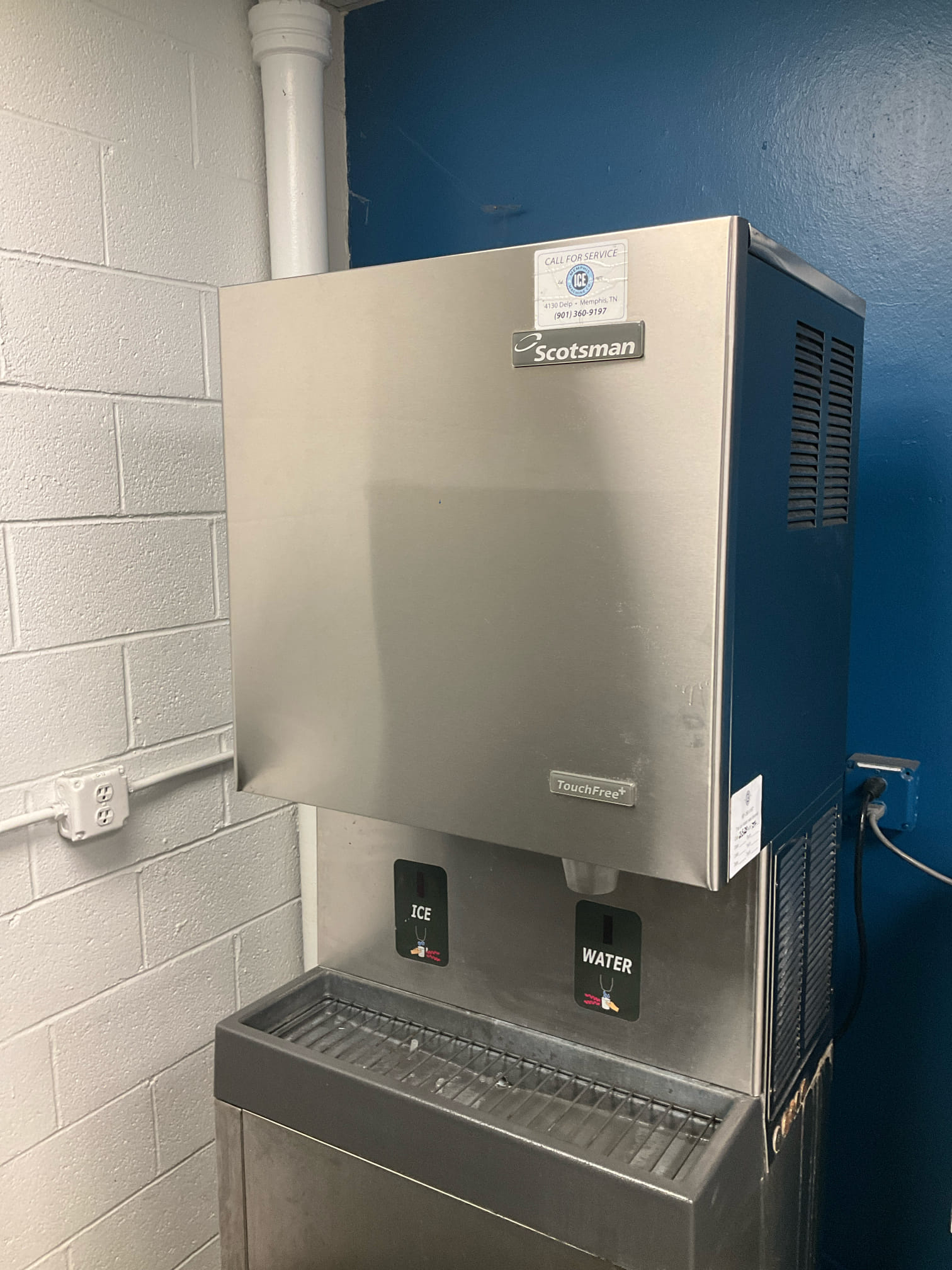
Hospital Ice Machine Standards for Safety and Hygiene in Healthcare Settings
Keeping hospital ice machines clean and well-maintained is more important than you might think. These machines supply ice that patients and staff use every day, so following proper standards helps prevent the spread of infections caused by waterborne germs.
Regular cleaning, scheduled maintenance, and careful handling are key to making sure the ice stays safe.
At Memphis Ice, we’ve been supporting local healthcare facilities in the Mid-South for over 40 years. We understand how critical it is to meet strict guidelines for ice machine care.
When your machines run smoothly, you reduce risks and make your hospital environment safer for everyone.
With the right routine and expert help, managing ice machine cleanliness doesn’t have to be a headache. Whether you need maintenance, repairs, or advice, Memphis Ice is here to make ice machine upkeep one less thing to worry about in your busy workday.
Overview of Hospital Ice Machine Standards
Hospital ice machines need to meet clear rules to keep ice safe for patients. These rules cover why standards exist, what you must do to follow them, and which authorities enforce them.
Following these guidelines helps prevent harmful bacteria and keeps your equipment working well.
Purpose of Ice Machine Standards
The main goal of hospital ice machine standards is to protect patient health. Ice machines can harbor waterborne germs if not cleaned regularly.
This poses a risk because patients often need ice for drinking or medical uses. Standards make sure ice is free from contamination by requiring routine cleaning, disinfection, and maintenance.
They also help prevent ice machines from becoming a source of infection in healthcare facilities. Safe ice supports patient nutrition and comfort without adding health risks.
Compliance Requirements
To meet hospital ice machine standards, you need a clear maintenance plan. This usually includes scheduled cleaning, disinfecting, filter changes, and regular inspections.
Documenting all these activities is important for accountability and audits. Ice machines that serve patients directly are treated as high-risk equipment, needing more frequent care.
You’ll also want to monitor water quality feeding the machine. Following manufacturer instructions along with facility policies ensures the best results.
Governing Bodies and Regulations
Several organizations set rules for hospital ice machines. The Joint Commission is a key body that inspects healthcare facilities and requires written maintenance plans for ice machines.
Their standards focus on infection control and patient safety. Other groups, including local health departments, may have additional rules.
For Navy and military hospitals, unique guidelines apply based on defense standards. Facilities often need to meet all relevant regulations to maintain accreditation and avoid fines.
Knowing which regulations apply lets you stay ahead of inspections. It also ensures your ice machines meet the highest safety levels expected in healthcare settings.
Sanitation and Hygiene Protocols
Maintaining clean hospital ice machines is key to patient safety and infection control. Proper cleaning routines, preventing contamination, and training your staff are the building blocks to ensure ice stays safe and equipment works well.
Daily and Routine Cleaning Procedures
You should clean your ice machine every day to remove dirt and germs. Wipe down external surfaces with disinfectant.
Inside, remove ice buildup and clean the storage bin to stop bacteria growth. Follow your manufacturer’s guide for deeper cleaning every few months.
This includes cleaning filters, water lines, and ice trays. Regularly sanitizing these parts reduces the risk of waterborne pathogens.
A simple daily checklist like this helps keep track:
- Empty and sanitize storage bin
- Wipe down external surfaces
- Check and clean water filters
- Remove ice buildup
These steps protect patients and keep your machine working longer.
Contamination Prevention Measures
Preventing contamination starts with controlling the water source. Use filtered, clean water to avoid introducing bacteria.
Also, avoid letting ice touch dirty hands or containers. Keep the machine in a clean, dry area away from possible contaminants like cleaning supplies or food prep stations.
Cover machines when not in use to protect from dust and airborne germs. Memphis Ice recommends scheduling professional deep cleaning and validation testing twice a year.
This ensures your system stays free of harmful microbes, meeting strict hospital standards.
Staff Training for Equipment Handling
Your team plays a big role in keeping ice machines safe. Train staff on proper cleaning steps and the importance of hygiene.
Emphasize wearing gloves and using clean tools during maintenance. Regular training refreshers prevent mistakes like skipping sanitizing steps or touching ice with bare hands.
Have clear instructions posted near machines for quick reference. Well-trained staff help reduce infection risks and keep your ice machine ready for use.
Machine Maintenance and Inspection
Keeping your hospital ice machine in top shape means following clear maintenance and inspection routines. You want to avoid contamination and ensure reliable ice supply for patients and staff.
This involves planned maintenance, regular checks, and detailed records.
Scheduled Maintenance Guidelines
Your ice machine needs regular cleaning and servicing to prevent bacteria growth and biofilm buildup. Most hospitals should schedule deep cleaning every 6 or 12 months depending on usage and environmental conditions.
This includes:
- Sanitizing ice bins and dispensers
- Descaling to remove mineral deposits
- Checking water filters and replacing them as needed
Maintenance frequency can also depend on factors like machine location and how often ice is used. In healthcare, sticking to manufacturer recommendations and risk assessments is key to safety.
Inspection Frequency
Routine inspections help catch issues early before the machine fails or spreads contaminants. You should inspect your ice machine daily or weekly for visible cleanliness and function.
Quarterly, plan detailed inspections on:
- Ice quality and taste
- Machine operating sounds and cycles
- Filter and water line integrity
Annual professional servicing is essential for more complex checks, such as internal components and mechanical parts. Establish a clear inspection calendar and assign responsibility so nothing is missed.
Record Keeping and Documentation
Keeping thorough records of maintenance and inspections is important to meet healthcare regulations and hospital policies. Document each cleaning, repair, filter change, and inspection with date and personnel names.
Use logs or digital systems to track:
| Item | Description | Frequency |
|---|---|---|
| Cleaning | Deep sanitizing and descaling | Every 6-12 months |
| Filter replacement | Change water and air filters | As needed |
| Routine inspection | Visual and operational checks | Daily/Weekly |
| Professional service | Certified technician visits | Annually |
Good documentation proves your compliance and helps avoid costly audits.
Water Quality and Filtration Standards
Keeping the water clean and free from harmful microbes is critical for hospital ice machines. Proper water sources and reliable filtration systems work together to reduce infection risks and keep ice safe for patients.
Water Source Requirements
Your hospital’s ice machine should use the highest quality water available. Ideally, this means sterile or bacteriologically filtered water to prevent germs from entering the system.
Water should be filtered through fine filters—usually 0.1 to 0.2 microns—to block bacteria and protozoa. Municipal water supplies must meet strict safety standards, but even then, water should be tested regularly for contaminants that can grow inside ice machines.
Avoid using tap water that hasn’t been properly treated. Many hospitals follow rigorous water management plans to monitor the system’s plumbing and storage tanks to prevent any buildup of harmful organisms.
If your facility wants to reduce risks further, consider water sources that are monitored and maintained to control biofilms, scale, and mold that can breed inside machines.
Filtration Systems for Hospital Ice Machines
To keep your ice safe, use infection control filtration systems designed specifically for hospital-grade machines. Standard commercial filters often improve taste and reduce minerals but do not always remove bacteria and viruses.
You need filters that are FDA-cleared to trap these pathogens. Look for filters that can be installed in-line with your ice machine water supply.
These filters protect against waterborne germs and scale buildup that can damage equipment and increase maintenance costs. Proper filtration is part of a strong cleaning and maintenance routine required by healthcare standards.
Regular filter checks and timely replacements are key to preventing infection risks and avoiding costly downtime.
Design and Installation Best Practices
Installing and designing ice machines in hospitals needs careful planning to keep machines clean and working well. Good placement helps staff access ice safely.
Proper ventilation prevents machine breakdowns and keeps air quality high.
Placement and Accessibility
Place your ice machine where it’s easy to reach for regular cleaning and maintenance. Keep it near patient areas but away from heavy foot traffic to reduce contamination risks.
Ensure there is enough space around the unit—at least 12 inches on all sides—for cleaning and air flow. Use dispenser-style machines on patient floors to limit direct contact with ice.
It’s smart to have a clear path for staff to deliver ice trays safely without cross-contamination. Avoid locations near sink drains or humid areas since these can promote bacterial growth.
Keeping the machine out of direct sunlight and away from heat sources extends its lifespan. When planning your hospital layout, think about how staff move so ice is accessible but protected.
Ventilation Considerations
Proper ventilation is key to your ice machine’s performance and hygiene. Install the machine in a well-ventilated space that meets AIA guidelines if no local rules apply.
This prevents overheating, which can cause mechanical failures and ice contamination. Use ventilation systems designed to provide steady airflow without spreading dust or microbes.
Avoid placing the machine near HVAC vents that blow directly onto it, as this can carry contaminants. Regularly check filters and vents for dust buildup.
A clean ventilation system supports reliable cooling and lowers infection risk from waterborne germs.
By focusing on good airflow and machine placement, you can keep your hospital’s ice supply safe and steady for patients and staff.
Patient Safety and Infection Control
Keeping ice machines safe for patient use means controlling germs and preventing illness. You need to manage how bacteria spread and handle ice with care to protect vulnerable patients.
Cross-Contamination Risks
Ice machines can harbor bacteria like Legionella and other waterborne pathogens if they aren’t cleaned regularly. Biofilm and slime build up inside machines and storage bins, providing a safe place for germs to grow.
This is especially risky in hospitals where patients may have weakened immune systems. To reduce risks, use machines with closed, no-touch dispensers.
Avoid open ice bins that allow hands or cups to touch the ice. Regular cleaning and disinfection are critical, with at least two deep cleanings per year recommended.
Following a written maintenance plan—as advised by The Joint Commission—helps keep bacteria levels low and protects patients.
Handling Procedures for Patient Use
Always use clean, covered containers to store or serve ice to patients. Avoid direct hand contact with ice by using scoops or automatic dispensers.
Train staff to wash hands before handling the ice machine or ice supplies. Label machines clearly if they are for patient use only to avoid cross-use contamination.
Scheduled maintenance and teaching staff the right handling steps help ice stay safe. This reduces infection risks and ensures patients receive clean, uncontaminated ice every time.
Energy Efficiency and Environmental Considerations
Hospital ice machines use a lot of energy and water, so it’s important to manage both carefully. You want equipment that cuts down on waste while keeping up with demand.
Finding the right balance helps reduce costs and keeps your facility environmentally responsible.
Energy Consumption Standards
Your hospital’s ice machine should meet strict energy rules to save power and money. Most energy-efficient machines are air-cooled and meet ENERGY STAR® qualifications.
These machines use less electricity and consume less potable water compared to older models. Water-cooled ice machines, on the other hand, must use closed-loop systems or remote evaporative condensers to qualify for energy efficiency programs.
Without these systems, they often waste more water and energy. Keeping your ice machine maintained ensures it runs smoothly.
Proper maintenance also prevents energy waste caused by wear or poor cleaning.
Eco-Friendly Ice Making Technologies
Choosing the right ice machine technology can lower your environmental impact. Modern machines use better insulation and smart controls to reduce energy use.
Some feature low-water or water-recycling designs, which help conserve precious resources. Flake and nugget ice machines, often preferred for medical uses, usually do not qualify for ENERGY STAR® because they use more water or energy.
Instead, look for machines that balance ice type with overall efficiency. Trust Memphis Ice for machines that meet local codes and healthcare standards focused on energy and water efficiency.
Recordkeeping and Monitoring Compliance
Keeping clear and accurate records is essential to make sure hospital ice machines stay safe and sanitary. Monitoring compliance helps you catch problems early and prove that cleaning and maintenance are done on time.
This protects patients and staff from infection risks.
Audit Procedures
To stay on top of maintenance, you should conduct regular audits of your ice machine’s cleaning and inspection records. These audits check if daily, weekly, and quarterly tasks are completed as scheduled.
Use a checklist that includes cleaning steps, sanitizer types, water filter changes, and ice quality checks. Document any missed tasks or issues found during audits and create a plan to fix them immediately.
Assign responsibility for audits to a specific staff member to keep accountability clear. Keeping these records organized and up to date prevents compliance problems during health inspections.
Updating Protocols
Hospital environments change, so your ice machine cleaning policies should too. Review your protocols at least twice a year or after any infection control updates.
This includes updating cleaning agents, frequency of sanitization, and safety measures based on the latest health guidelines. Make sure all staff are trained on new procedures and keep records of their training dates.
When you update protocols, note the changes and why they were made. This helps in tracking improvements and ensures everyone follows the newest standards to keep ice safe.
Troubleshooting and Common Issues
Your hospital ice machine plays a crucial role in patient care, so keeping it running smoothly matters. Common problems include low ice production, strange noises, and poor ice quality.
Low ice output can happen if the water supply is restricted or the condenser is dirty. Check water lines for blockages and clean the condenser coils regularly to improve efficiency.
Strange noises often signal mechanical troubles like a faulty fan or compressor. These parts need timely inspection and repair to avoid complete breakdowns.
Ice quality issues, such as cloudy or hollow ice, may indicate mineral buildup or biofilm inside the machine. Regular cleaning and sanitizing prevent contamination and maintain safe ice for patients.
If your machine stops working altogether, it might be an electrical problem or sensor failure. Always follow safety procedures and consider calling a technician rather than attempting complex repairs alone.
Quick Troubleshooting Checklist:
| Issue | Possible Cause | Suggested Action |
|---|---|---|
| Low ice production | Water blockages, dirty condenser | Check water supply, clean coils |
| Strange noises | Faulty fan or compressor | Inspect and repair parts |
| Poor ice quality | Mineral buildup, biofilm | Clean and sanitize machine |
| Machine won’t start | Electrical or sensor fault | Call a professional technician |
Stay ahead with routine maintenance and call Memphis Ice for expert help.
Frequently Asked Questions
Keeping hospital ice machines safe means following strict cleaning schedules, clear safety rules, and regular maintenance. Proper installation and contamination prevention are also key to ensuring ice stays clean and safe for patients.
How often should hospital ice machines be cleaned to meet health standards?
Hospital ice machines need daily cleaning of ice bins and scoops. A deeper cleaning and sanitizing should happen at least every three months.
Some facilities may require more frequent cleaning depending on water quality and usage.
Can you outline the health and safety guidelines for hospital ice dispensers?
Ice dispensers must be regularly cleaned to stop germs. Use manufacturer-recommended cleaners and sanitizers.
Only use scoops stored outside the ice bin, and avoid touching ice with hands. Follow any written maintenance strategies required by health bodies like The Joint Commission.
What are the maintenance protocols for ensuring clean ice from hospital machines?
Maintenance includes daily cleaning, quarterly inspections, and annual professional servicing. Check water lines and filters routinely.
Repair parts fast if issues appear to avoid contamination risk.
Are there specific certifications that hospital ice machines must have for patient safety?
Ice machines should meet FDA food equipment standards and comply with The Joint Commission’s infection control rules. While no single certification covers all hospital machines, following manufacturer and healthcare guidelines is essential.
What procedures should be followed to prevent contamination in hospital ice supplies?
Always use clean, filtered water for ice. Store ice in sanitized, covered bins.
Train staff on safe ice handling and avoid putting ice near food or waste. Regularly clean surrounding areas to reduce contamination risks.
Could you tell me the steps involved in the proper installation of hospital-grade ice machines?
Ensure the machine is placed where temperature and humidity are controlled.
Connect to a clean water source with proper filtration.
Follow manufacturer instructions closely for electrical and plumbing installation.
Run test cycles and inspect for leaks before use.
If you’re in the Mid-South, Memphis Ice can help set up and maintain your hospital ice machines.