proudly serving
the mid-south


Best Maintenance Tips for Bar Refrigeration Systems to Keep Your Drinks Cold and Equipment Running Smoothly
Keeping your bar’s refrigeration system in good shape is crucial if you want to serve cold, fresh drinks without hiccups. Honestly, regular maintenance—like cleaning condenser coils, checking compressors, and scheduling routine inspections—makes all the difference. These basic habits keep your equipment humming along and help it last.
Your refrigeration unit works hard, especially during those packed nights and steamy Memphis summers. At Memphis Ice, we’ve been helping local bars stay cool since 1977, so we get how vital reliable refrigeration is to your business. With a little care, you’ll avoid big repairs and keep customers coming back.
Let’s get into some no-nonsense tips for keeping your bar’s refrigeration running strong, year-round. Whether you’re wiping down shelves or figuring out when to call a pro, these pointers should save you time, money, and a lot of headaches.
Understanding Bar Refrigeration Systems
Bar refrigeration systems come in all shapes and sizes. They rely on a few key parts working together to chill your drinks. If you know how these systems tick—and what tends to go wrong—you’ll be in a better spot to keep things running.
Types of Bar Refrigerators
You’ll find a handful of fridge types behind most bars:
- Undercounter fridges: Tuck right under your bar or counter, saving space and keeping the essentials close by.
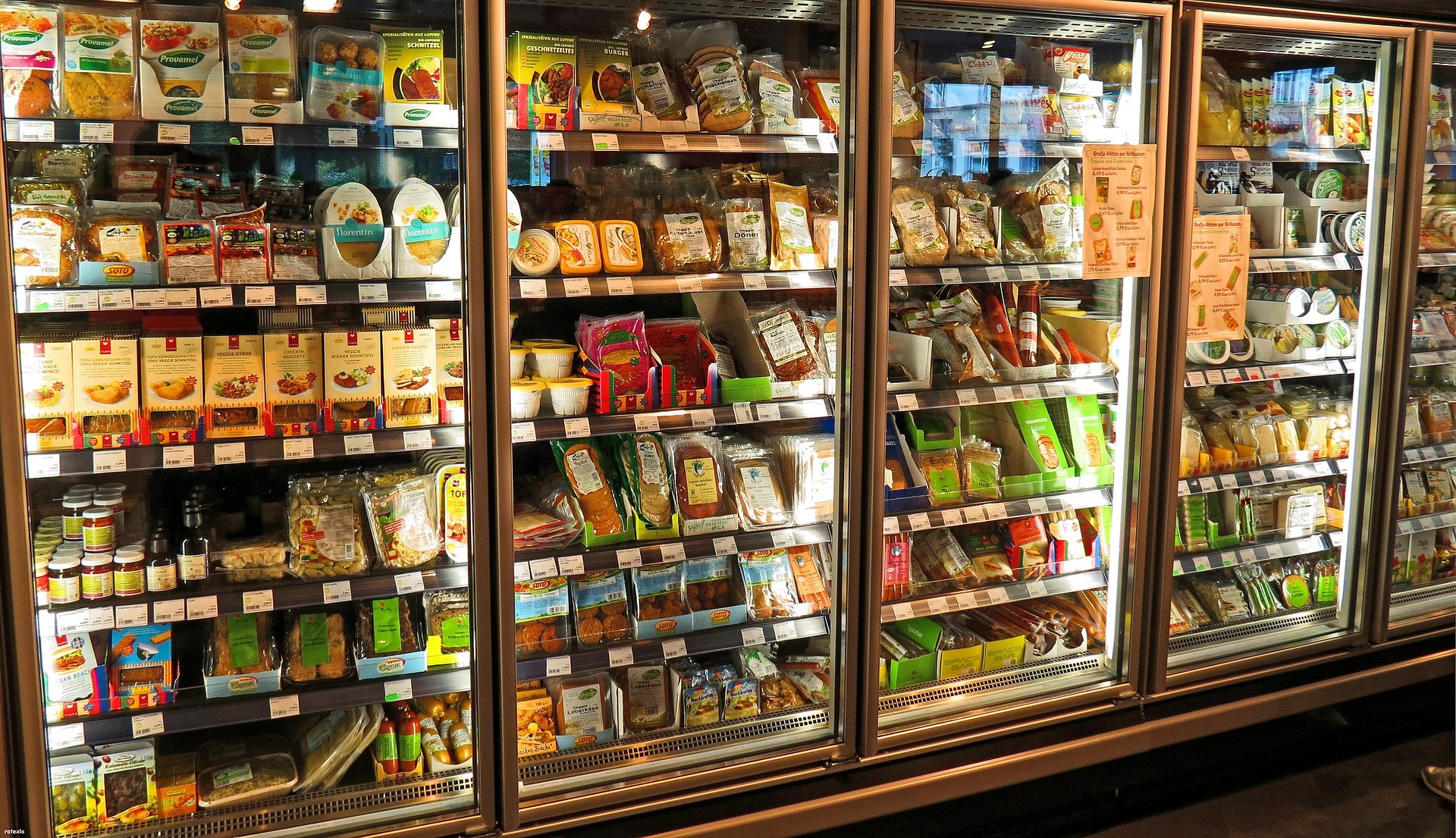
- Glass door coolers: Show off your drinks while keeping them cold. Makes grabbing a cold one quick and easy.
- Back bar units: Bigger, usually built right into the bar, so you can stock up.
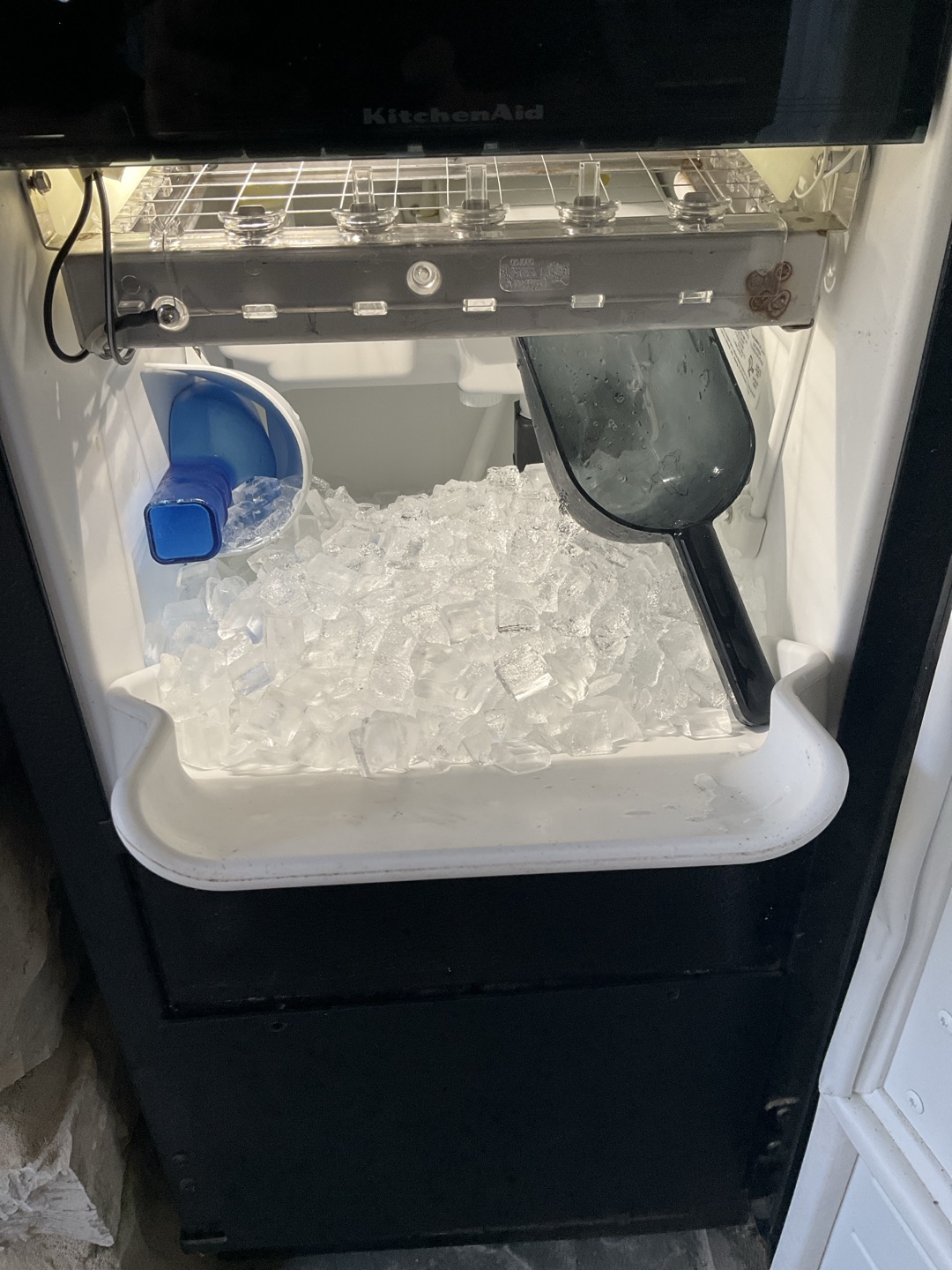
- Portable ice machines and small freezers: Nice for extra ice or frozen storage when things get busy.
Pick what fits your space, drink selection, and how slammed your bar gets. No matter which you use, regular upkeep keeps them running efficiently.
Key Components and Their Functions
Most bar refrigeration systems rely on these main parts:
- Compressor: The “heart” of the fridge. It moves refrigerant through the system.
- Condenser coils: Get rid of heat pulled from inside the fridge.
- Evaporator coils: Pull heat out from inside, cooling the air around your drinks.
- Thermostat: Sets the temperature and tells the compressor when to kick in.
- Fans: Move air over coils to keep temps steady.
If you keep these parts clean and check them regularly, you’ll dodge most breakdowns. Memphis Ice techs always highlight coil and compressor checks for a reason.
Common Refrigeration Issues
Here are some headaches that pop up often:
- Clogged condenser coils: Dust and grime block heat release, so the fridge strains to keep cool.
- Compressor failure: Suddenly, nothing’s cold.
- Temperature swings: Drinks or ice go bad—usually a thermostat issue or dirty coils.
- Leaky seals or door gaskets: Warm air sneaks in, so the fridge runs overtime.
- Odd noises: Fans or motors might be on their last legs.
A quick check every few months helps you catch these early. Memphis Ice is all about timely maintenance to keep things smooth.
Regular Cleaning Best Practices
A clean refrigeration system means fewer problems and fresher drinks. Focus on cleaning the inside, keeping the outside tidy, and defrosting smartly to protect your gear and keep things efficient.
Cleaning Interior and Shelving
Start by clearing out the fridge and pulling out the shelves. Wash them with warm, soapy water, rinse, and dry. Mild detergent is best—no need to go harsh and risk damaging anything.
Wipe down inside walls and the floor using a cloth with a bit of water and baking soda. This cleans stains and odors without harsh chemicals. Don’t forget the door gaskets; dirt here can ruin your seals.
Try to do a full clean once a month. It’ll keep mold and bacteria away and help your cooler last longer.
Exterior Maintenance
The outside gets grimy fast—dust, grease, fingerprints, you name it. Wipe doors, handles, and vents with a damp cloth and gentle cleaner. Skip anything abrasive.
Check condenser coils under or behind the fridge regularly. Dust there makes your system work harder. Use a soft brush or vacuum to clean coils every few months, or more if your bar gets dusty.
A clean exterior isn’t just about looks—it helps your fridge run better and saves on your power bill.
Safe Defrosting Methods
Ice buildup inside your fridge kills its cooling power. To defrost, turn off the unit and leave the door open so ice melts naturally. Don’t chip or scrape at it; you might break something.
Put down towels or pans to catch water as the ice melts. Once it’s all gone, clean and dry the inside before you fire it back up.
If ice keeps coming back fast, you probably have a seal problem or too much moisture sneaking in. That’s when you should call Memphis Ice to check things out.
Temperature Control and Monitoring
Keeping the right temperature is everything—protects your stock and saves you from spoilage. You’ve got to watch your settings, make sure the thermostat is accurate, and check that your door seals are tight.
Setting Optimal Operating Temperatures
Most beer, liquor, and mixers stay fresh between 35°F and 38°F. Freezers should be at 0°F or below to avoid spoilage and keep ice solid.
Even a few degrees off can spoil your drinks and make your fridge work overtime. Keep an eye on the display and tweak settings when the Memphis weather changes. It’s a simple step that keeps customers happy and your system healthy.
Calibrating Thermostats
Thermostats can drift over time. To check, stick a reliable thermometer inside and compare it to what the fridge says.
If there’s a gap, recalibrate the thermostat using the manufacturer’s instructions or call a refrigeration expert like Memphis Ice. Staying on top of calibration keeps your system running right and saves money on energy.
Checking Door Seals for Efficiency
Door seals are small but make a big difference. If they’re cracked or loose, cold air leaks out and the fridge works harder.
Look at seals monthly. Press along the frame to see if they’re snug. Replace any that are worn or schedule a pro to do it. Good seals keep your fridge running efficiently, even when Memphis turns up the heat.
Preventing and Addressing Mechanical Problems
If you want your bar refrigeration to last, you’ve got to catch problems early. Regular checks on coils, fans, and motors help you avoid expensive repairs and keep your drinks cold.
Inspecting Condenser and Evaporator Coils
Dirty coils force your fridge to work harder. Check both condenser coils (usually outside or up top) and evaporator coils (inside). If they’re grimy, clean them gently with a soft brush or vacuum. Don’t bend the fins.
Try to look at coils monthly during busy times. If they’re damaged or too clogged, call in a pro.
Checking Fans and Motors
Fans move air over the coils, keeping things cool. Watch for broken blades, dirt, or wobbling. Any of these mean less airflow and more strain on the motor.
The motor should run quietly. If it sounds rough or struggles, it could be on its way out. Lubricate bearings if your model lets you, but don’t get too deep into repairs unless you know what you’re doing.
A seasonal check on fans and motors helps dodge those dreaded mid-shift breakdowns.
Listening for Unusual Noises
Weird noises? Don’t ignore them. Grinding, rattling, or squealing usually means something’s up—maybe a worn part or something loose.
If you hear something off, note where and when. The sooner you tell a tech, the easier (and cheaper) the fix. If your ice machine or fridge is making strange noises, let a Memphis refrigeration pro take a look.
Routine Inspections and Scheduled Maintenance
Staying on top of your bar’s refrigeration means regular checks and planning for professional service. Quick monthly inspections help you catch issues early, and scheduled service keeps you running strong when things get busy.
Monthly Inspection Checklist
Each month, give these a look:
- Clean condenser coils: Dust kills efficiency.
- Check door seals: Make sure they’re tight.
- Review temperature settings: Stay in the safe zone.
- Sanitize drip trays: Stop mold and bacteria.
- Watch for weird noises or leaks: Catch mechanical issues early.
Jot down what you find and fix the little stuff right away. Staying consistent helps your fridge stay reliable and efficient.
Professional Service Recommendations
Book a pro for a full check at least twice a year. They’ll:
- Deep clean spots you probably miss.
- Test and top up refrigerant if needed.
- Inspect electrical parts and swap out anything worn.
- Calibrate controls so your drinks are always cold.
This kind of regular service cuts down on breakdowns, especially before busy seasons. Your gear lasts longer and you avoid the kind of downtime that can ruin a night.
Energy Efficiency Tips for Bar Refrigerators
Running your bar refrigerator efficiently saves on energy costs and helps your equipment last. How you load and arrange your cooler, plus a few habits, can make a surprising difference.
Proper Loading Techniques
How you load your fridge matters. Don’t overstuff it—packed shelves block airflow. Leave space between bottles so cold air can move around.
Keep the stuff you grab most near the front to limit how long the door’s open. Group similar items together to speed things up. And don’t toss hot or warm products in; let them cool first.
These small steps help your fridge work less and last longer.
Improving Air Circulation
Good airflow is key to energy savings. Make sure vents aren’t blocked by boxes or bottles. Blocked vents force the fridge to work overtime.
Check that door seals are clean and tight. A loose seal lets cold air out and warm air in, which wastes energy. Try the paper test—shut the door on a piece of paper; if it holds tight, you’re good.
Don’t forget to clean condenser coils on the back or underneath. Dusty coils slow down heat exchange and make your fridge less efficient.
Nighttime Procedures to Save Power
When your bar slows down or closes at night, it’s smart to rethink how you use your refrigerator. Don’t crank the temperature down too far—aim for a steady, recommended range (usually 37°F to 40°F) so you’re not just wasting electricity.
If you use a glass door fridge, shut off the interior lights when you’re not using it. Those little bulbs heat things up more than you’d think. Try to open the fridge as little as possible after hours.
You might want to cover the fridge’s front with insulated panels or door curtains. This helps keep the cold air in. Memphis Ice suggests these tweaks—they’re easy, and they’ll help you keep bills down without messing with your cooling.
Troubleshooting Common Issues
A bar fridge that runs smoothly saves you headaches. Spotting issues early—like weird temperature swings, frost, or leaks—keeps everything humming and your drinks cold.
Addressing Temperature Fluctuations
If your cooler isn’t holding a steady temperature, check the thermostat first. It might’ve gotten bumped or reset. Make sure the door seals are snug; loose seals let warm air creep in.
Dirty condenser coils are another common culprit. Dust and grime force your fridge to work overtime. Give them a good cleaning every few months. Notice the compressor cycling constantly? That’s a red flag—might be time for service.
The more you open the fridge, the warmer it gets inside. If you’re still seeing temperature issues after these checks, it’s probably time to call a refrigeration expert, like our Memphis Ice crew, before things get worse.
Preventing Frost Build-Up
Frost shows up when warm, damp air sneaks inside. Check your door seals for cracks or gaps, since a poor seal lets humidity in. Don’t leave the door open longer than you need to, and keep the drain hole clear so condensation can escape.
If you keep seeing frost, your defrost system might be shot. This system melts ice at set times, but broken timers or heaters need a pro to fix. Otherwise, frost can pile up and mess with cooling.
Wipe down the cooler’s inside walls now and then, and keep an eye on humidity levels. Staying ahead of frost keeps your system working right and saves energy.
Dealing with Leaks
Leaks usually mean a blocked drain or worn door gasket. Check the drain pan for overflow and clear any clogs in the drain line. If you spot standing water inside or outside, that’s a drainage problem.
Old or cracked door gaskets let cold air escape, which leads to condensation and drips. Give your gaskets a quick inspection—replace them if they look rough.
Hear a hissing sound or see oily spots? That could be a refrigerant leak. Don’t mess with that—call a technician right away. Refrigerant issues need special handling and can affect both cooling and safety.
If you keep running into problems, Memphis Ice is ready to help with repairs and maintenance so your bar’s refrigeration stays reliable.
Extending the Lifespan of Your Bar Refrigeration System
If you take care of your bar’s refrigeration, it’ll take care of you. A few simple habits and smart upgrades can save you money and a lot of stress.
Tips for Avoiding Costly Repairs
Checkups every 3 to 6 months catch little problems before they turn into big ones. Clean the condenser coils often—dirty coils make your fridge work harder and wear out faster.
Swap out filters in your ice machines every three months. That keeps your ice tasting good and protects the machine. Watch the temperature, too. Set your fridges and freezers right to avoid spoiled food and equipment strain. If you hear odd noises or spot leaks, don’t ignore them—call for service. Memphis Ice likes to see bars set up a maintenance calendar and assign tasks, so nothing slips through the cracks.
Upgrading Parts and Accessories
Don’t wait on replacing worn or outdated parts—it can extend your refrigeration system’s life. Upgrading to energy-efficient stuff, like LED lighting or modern thermostats, lowers your power bill and eases the load on your system.
If you notice cold air leaking, upgrade your door seals and gaskets. Good seals mean your system isn’t running all the time. Accessories like better water filters or improved condenser fans can also bump up efficiency.
If you’re not sure what to upgrade, Memphis Ice can help you figure out what’s best for your setup. These small investments go a long way—especially when the Mid-South heat kicks in.
Compliance, Safety, and Record-Keeping
Staying safe and up to code keeps your business out of trouble and your customers happy. Following health rules and tracking maintenance helps protect your gear and your reputation.
Health Code Maintenance Requirements
You need to keep your refrigeration at certain temps to stop spoilage and bacteria. Most health departments want cold storage at or below 41°F and freezers at 0°F or lower. That keeps drinks and ingredients safe.
Clean condenser coils, doors, and seals regularly to help maintain those temps. Check gaskets for damage so cold air doesn’t leak out. Use a reliable thermometer or digital monitor every day—you’ll catch temperature problems before they get serious.
If something breaks, fix it fast. Quick repairs keep you in compliance and help you avoid a shutdown during busy hours. Memphis Ice can handle routine service checks to keep you up to code.
Documenting Service and Repairs
Keep a clear record of all maintenance and repairs. Jot down the date, what got fixed, who did it, and any parts swapped out. A logbook or a digital system works—pick what fits your style.
Good documentation shows inspectors you’re on top of things. It also helps your techs spot recurring issues faster, since they can see what’s happened before.
If you have a maintenance contract, keep copies of your service reports. Memphis Ice suggests scheduling check-ins twice a year and logging everything. It just makes managing your bar refrigeration easier.
Frequently Asked Questions
Keeping your bar refrigeration system in top shape means regular care and knowing what to check. You’ll learn how often to service, what steps to follow for maintenance, and key signs of trouble to watch for.
How often should commercial refrigeration systems be serviced?
You should schedule maintenance at least twice a year.
If your bar gets busy during warm months, add a spring checkup to prepare for the heat.
What are the essential steps in a commercial refrigeration maintenance checklist?
Start by cleaning condenser coils and checking for dust or debris.
Inspect door seals to stop cold air from escaping.
Check refrigerant levels and the system’s thermostat accuracy.
Look over fans and motors to ensure they run smoothly.
What are common issues to look out for during bar fridge maintenance?
Watch for strange noises or frequent cycling of the compressor.
Be aware of temperature swings or units not staying cold enough.
Check for water leaks around your refrigeration system.
How can I extend the lifespan of my bar refrigeration system?
Keep the condenser coils clean and clear of dust.
Replace worn door seals right away.
Schedule routine maintenance with trusted Memphis Ice experts.
Control the surrounding environment to avoid extreme heat or humidity.
What should I do if my commercial refrigerator isn’t maintaining the right temperature?
First, check the thermostat settings.
Look for blocked vents or dirty coils.
If problems continue, call Memphis Ice for a quick diagnosis and repair.
Are there any user-friendly guides for basic bar refrigeration system upkeep?
Absolutely, you’ll find that most manufacturers toss in some pretty straightforward maintenance guides.
Memphis Ice even shares practical tips to help you out—nothing too complicated, just stuff that actually works.
A little regular care goes a long way. It’s not glamorous, but it saves you from headaches down the road.