proudly serving
the mid-south


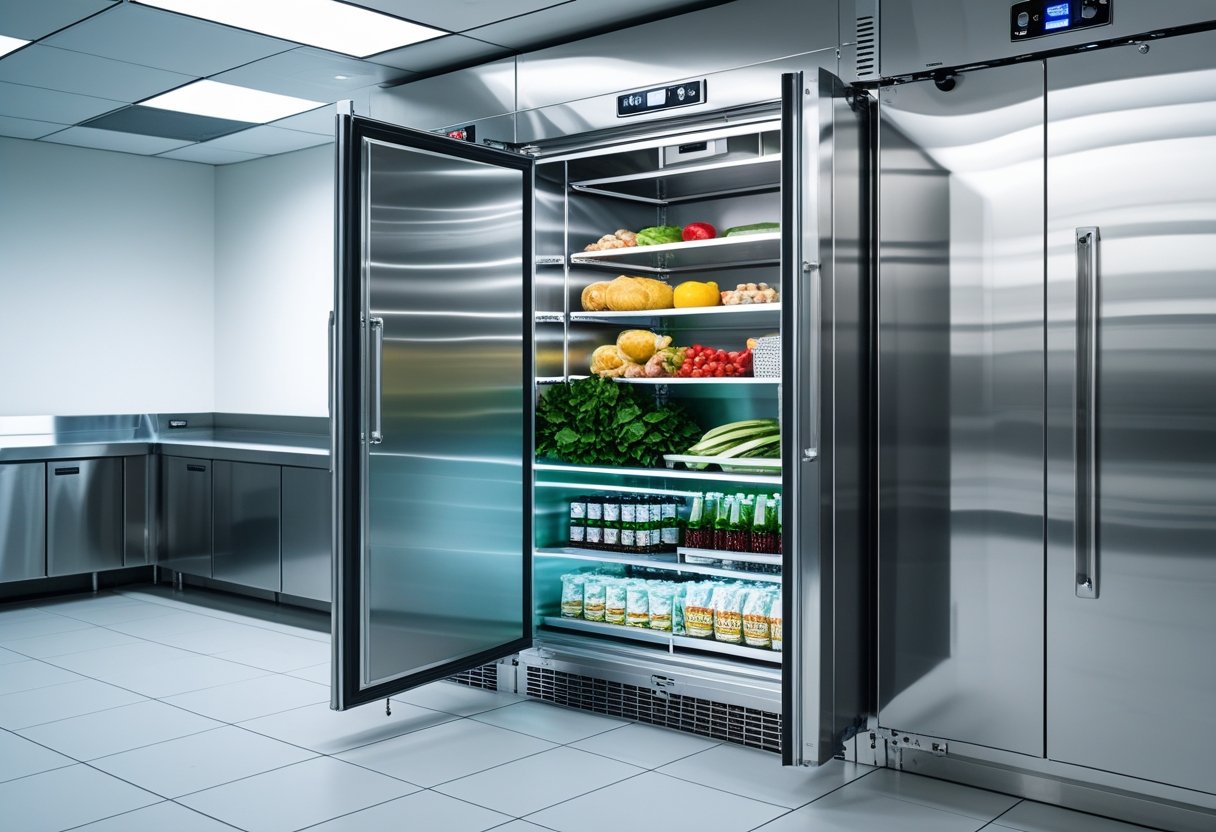
Why You Should Inspect Door Seals on Walk-In Coolers Regularly to Save Energy and Prevent Spoilage
A dependable walk-in cooler isn’t just a nice-to-have—it’s the backbone of your business. One of the simplest ways to keep it humming along? Check those door seals. They might look unimportant, but they’re doing the heavy lifting—keeping cool air in, warm air out, and helping your cooler hold the right temperature.
When a door seal cracks or splits, your cooler has to work overtime, and that means higher energy bills and a bigger risk to your food. By checking the seals regularly, you can spot trouble before it snowballs into expensive repairs or spoiled inventory. At Memphis Ice, we’ve watched regular maintenance save folks from headaches and surprise downtime.
Whether you’re running a restaurant, grocery, or a clinic, making door seal checks part of your routine can really spare you some stress. It’s a quick task that protects your goods and helps you dodge those dreaded breakdowns during your busiest shifts.
The Importance Of Door Seals On Walk-In Coolers
Door seals are tiny, but they’re essential. They trap cold air, cut down on wasted energy, and protect what you’re storing. If you keep an eye on them, you’ll save money and avoid a lot of hassle.
Role In Energy Efficiency
Door seals stop cold air from leaking out of your cooler. When they wear out, you lose cold air, and warm air sneaks in. The cooler then has to work harder to keep the temperature right.
A broken seal means your refrigeration system cycles more, driving up energy costs. If you catch and fix these seals early, your unit uses less power and your compressor doesn’t get overworked.
Just pressing on the door and checking for gaps can make a difference. We’ve seen plenty of folks at Memphis Ice cut their energy bills by simply keeping seals in good shape.
Impact On Food Safety
Tight door seals keep the temperature steady inside. If warm air gets in, your food could get too warm, opening the door (pun intended) to bacteria and spoilage.
Bad seals mean temperature swings, which aren’t great for product safety. You want your cooler to stay cold, without those annoying ups and downs. Stable temps are crucial for food safety and passing health inspections.
A weekly seal check can really lower your risk of foodborne illness. It’s a small move that helps keep your business safe and avoids fines or lost inventory.
Preservation Of Inventory Quality
Good seals keep your stock in top shape. If seals go bad, moisture builds up, leading to frost or ice that can wreck sensitive goods and strain your equipment.
You also get uneven cooling when cold air escapes. Some things can freeze, others get too warm—no one wants that. Keeping seals in good condition means fresher stock and less waste.
A little maintenance goes a long way. We’ve seen customers at Memphis Ice avoid big losses just by fixing seals before things got out of hand.
Common Issues With Walk-In Cooler Door Seals
Your walk-in cooler’s door seals do more than you might think. When they fail, your cooler struggles and your products suffer. Let’s look at some common seal issues that can trip you up.
Wear And Tear Over Time
Door seals take a beating. Every time you open and close the door, the seals get a little more worn. Eventually, they crack or loosen.
When that happens, cold air leaks out and warm air sneaks in. Your cooler then has to work extra to keep things cold.
If you check the seals every few months, you’ll spot damage early and can swap them out before things get worse. Memphis Ice suggests making this a habit.
Leaks And Air Infiltration
Even tiny gaps in a door seal let outside air in. That means your cooler loses cold air fast, and your compressor works harder than it should.
Leaky seals also lead to frost or ice inside, blocking airflow and making the cooler less efficient.
You can test a seal by closing the door on a piece of paper. If you can pull it out easily, time to repair or replace that seal.
Fixing leaks saves energy and protects your food.
Mold And Bacterial Growth
Damaged seals let in moisture, which makes a damp spot around the door. That’s a perfect setup for mold and bacteria.
Mold doesn’t just wreck the seal—it can mess up your cooler and risk your business’s reputation.
Cleaning seals often and fixing leaks keeps mold at bay. If you see mold or cracks, swap out the seal. You don’t want that stuff near your food.
Benefits Of Regular Door Seal Inspections
Checking your cooler’s door seals isn’t just busywork. It saves you money, keeps things running smooth, and helps you avoid big surprises. With regular checks, you get steady temps, lower repair bills, and longer equipment life.
Lower Maintenance Costs
Worn seals let cold air escape, forcing your system to work harder. If your seals are in good shape, the cooler doesn’t have to run as much.
Catch little problems early, and a cheap repair now can save you from a pricey compressor fix later. Less spoilage means less money wasted on bad food or supplies.
Consistent Temperature Control
Good seals keep the cold air in, so your cooler stays where you set it. That means no surprise thawing or freezing that can ruin your stock.
If seals leak, you get temperature swings. That’s rough on your fridge and risky for food safety. Regular checks help you keep your walk-in a dependable spot for perishables.
If you’re in food service, healthcare, or retail, you know how crucial steady temps are. We always recommend routine checks to keep things on track.
Extended Equipment Lifespan
When seals work right, your fridge doesn’t have to run all the time. That means compressors and fans last longer—less wear and tear.
Ignore seals, and your equipment wears out faster. Eventually, you’ll pay more for replacements. A little attention to seals can help you avoid downtime and keep your investment safe.
We’ve seen, time and again, how simple seal care keeps coolers running longer. It’s one of those “why not?” habits that just makes sense.
How To Inspect Door Seals Effectively
Checking your walk-in’s door seals is straightforward and protects your stock. You’ll want to look for damage, feel for gaps, and make sure the seal hugs tight when the door shuts. Do it right, and you’ll save energy and skip expensive repairs.
Visual Inspection Steps
Take a good look at the whole seal. Watch for cracks, tears, or worn spots—these mean the seal isn’t doing its job. Dirt and grime also make seals less effective, so check for that too.
A flashlight helps you see all around, especially where the seal meets the frame. Rough or uneven spots might be letting cold air leak. Try to do a quick visual check once a week—catching problems early makes life easier.
Checking For Gaps And Cracks
Run your fingers along the seal. Any gaps or breaks? Even tiny ones let warm air in and force your unit to work harder. Corners and the spots where the door meets the frame are trouble zones.
Try the paper test: close the door on a piece of paper. If it slides out easily, the seal isn’t tight. The paper should stay put. Fixing these gaps helps your cooler cool better and keeps your bills down.
Testing Seal Tightness
Push gently around the edges with the door closed. Does it wiggle, or can you feel air sneaking out? Listen for whistling or hissing—bad signs.
If you’ve got a flashlight, shine it inside the cooler while someone checks for light coming through the seal. Any light means trouble. If you spot issues, it’s probably time to call a local expert before the problem snowballs.
Checking your seals regularly keeps your walk-in efficient and your food safe. It’s a quick win for peace of mind.
Signs That Your Door Seals Need Attention
Knowing when to check your cooler’s seals can save you hassle and money. Watch for changes in how the seals look or if you see frost or moisture building up—these are your warning signs.
Visible Damage
Look for tears, cracks, or worn-out spots. Gaps or misshapen seals let cold air out, making your cooler work overtime. That means higher bills and food safety risks.
Damaged seals often look dry or brittle. Sometimes, pieces peel or hang loose. If the seal doesn’t fit snug, swap it out. Even little problems can snowball fast.
Frost Or Moisture Accumulation
If you see frost or water around the door, your seals probably aren’t sealing. Warm air gets in, causing condensation or frost. That wastes energy and can mess up your goods.
Watch for water pooling on the floor or ice on the door frame. These mean moisture is getting trapped and cold air is leaking out. Try to check for this during your busiest shifts, when doors open most.
At Memphis Ice, we’ve been helping Mid-South businesses spot these issues for nearly five decades. Catching seal trouble early keeps things running and cooling right.
Best Practices For Walk-In Cooler Seal Maintenance
Keeping your door seals healthy saves energy and protects your stock. Clean them often and know when it’s time to replace them—don’t wait for a disaster.
Routine Cleaning Tips
Wipe down seals every few weeks with mild detergent and warm water. That gets rid of dirt, food bits, and mold that break seals down. Skip harsh chemicals—they just cause damage.
While cleaning, look for cracks or hard spots. Use a soft brush or cloth to get into the grooves. Make sure to dry them off completely to avoid moisture problems.
Keep the door frame clean too, so the seal closes tight. We’ve noticed at Memphis Ice that regular cleaning really helps seals last longer and keeps systems running smooth.
When To Replace Seals
Watch for cracks, tears, or warping that stop the seal from closing tight. If you can see light around the seal with the door shut, air’s leaking in.
Sticky, hard, or missing spots mean it’s time to replace. If your cooler struggles to keep temp or you see frost, the seal could be the culprit.
Swapping out seals every few years, or as soon as you spot damage, will save you bigger headaches later. Memphis Ice techs always suggest checking seals during seasonal maintenance to catch problems early.
Consequences Of Neglecting Door Seal Upkeep
If you ignore your walk-in cooler’s door seals, you’re asking for trouble—higher costs, possible health risks, and a cooler that’s always struggling. Worn or busted seals make your equipment work too hard and could even get you dinged during inspections.
Increased Utility Bills
When door seals leak, warm air sneaks into your cooler. That makes the refrigeration system work overtime and burn more energy to keep things cold. Over time, those extra minutes add up—and suddenly, your utility bills creep higher than you’d like.
You probably won’t notice right away. Tiny gaps or cracks in the seals quietly let cold air slip out. The compressor kicks on more often, which wears it down faster, too. If you’re sharp and catch these problems early, you’ll save yourself some money and a headache.
Regular inspections help you spot seal damage before it drains your budget. Memphis Ice has been helping businesses in the Mid-South cut energy waste by keeping their equipment in shape for over 40 years. Just keeping those seals tight is a simple way to keep your bills from ballooning.
Risk Of Health Code Violations
A bad door seal messes with the temperature inside and can let your stored food spoil. That’s a fast track to breaking health codes about safe storage.
If cold air leaks out, your cooler might not hold the right temperature. Some shelves could end up too warm for perishables, and spoiled food isn’t just a loss—it can mean fines or even a shutdown.
Health inspectors pay close attention to cooler seals. Damaged ones could mean failed inspections and costly penalties. Checking your door seals regularly protects your inventory and keeps you out of trouble.
Don’t skip the seals in your maintenance routine. If you’re not sure what to look for, Memphis Ice offers local refrigeration service to help keep your walk-in cooler reliable and up to code.
Frequently Asked Questions
Keeping your walk-in cooler’s door seals in good shape helps maintain steady temperatures and saves energy. Regular inspection can catch wear early, preventing costly repairs and protecting your food inventory.
What are the signs that a walk-in cooler’s door seal needs replacing?
If you spot cracks, gaps, or tears in the seals, it’s probably time to replace them. Another clue: if the door doesn’t close all the way or you feel cold air leaking out.
How can regular inspection of door seals affect energy efficiency?
Checking the seals often keeps cold air inside, so your cooler doesn’t have to work as hard. That usually means lower electric bills.
Can worn door seals impact the temperature consistency of walk-in coolers?
Definitely. Damaged seals let warm air sneak in, and your cooler struggles to keep a steady temperature. It ends up running longer, too.
What routine maintenance steps should include checking the door seals on a cooler?
Every week, make sure the door seals close tight—no gaps. Give them a quick clean, too, since dirt can mess with the seal.
Why is it important to replace door seals in commercial refrigeration?
Old or busted seals make your system work harder than it should. Swapping them out helps you avoid expensive repairs and keeps your business humming along.
How do damaged door seals affect food safety in walk-in coolers?
When door seals break down, the temperature inside can creep up, and that spells trouble for food. Spoilage happens fast if things get too warm. It’s honestly surprising how much a simple seal matters for keeping your inventory fresh and safe.
Here at Memphis Ice, we’ve helped Mid-South businesses keep their coolers running strong since 1977. If you’re worried about your walk-in, maybe it’s time to chat with an expert and get those door seals checked.
Recent News

Behind the Scenes: How Ice Supports Catering, Festivals, and Spring Events

The Role of Ice in Spring Menus: From Patio Drinks to Seasonal Specials

Is Your Ice Machine Ready for Warmer Weather?
Spring Cleaning For Your Ice Machine

Hosting Easter Brunch? Don’t Forget the Ice
How Often to Clean a Commercial Ice Machine for Best Performance and Longevity