proudly serving
the mid-south


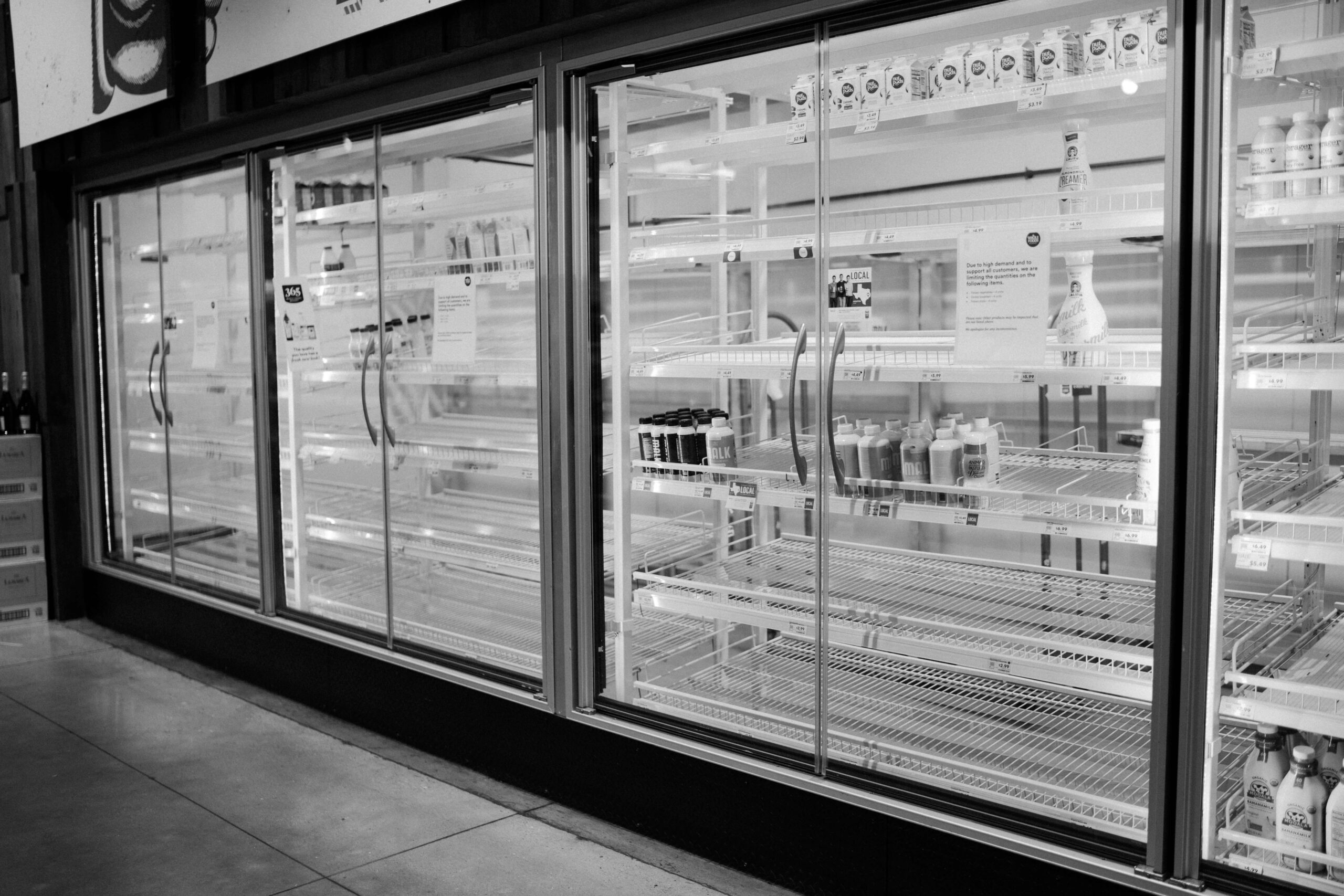
Tips for Extending Lifespan of Walk-In Cooler Doors Friendly Maintenance and Care Guide
A walk-in cooler door seems basic, but it’s way more important than it looks. Worn or damaged cooler doors let warm air sneak in, making your system work overtime and wearing it out faster. If you keep those door seals in good shape and don’t ignore small issues, you’ll protect both your cooler and whatever you’re storing inside.
At Memphis Ice, we’ve watched how regular care for gaskets and hinges actually cuts down on big repair bills. Simple checks and a little maintenance here and there really do help a cooler last years longer.
A few extra minutes spent caring for your cooler doors can save money and headaches in the long run. Whether you’re running a restaurant, a hospital, or a store in the Mid-South, these tips should help you keep your walk-in cooler doors working like they should.
Proper Cleaning Practices
Keeping your walk-in cooler doors clean isn’t just about looks—it prevents damage and keeps the seals doing their job. Regular cleaning keeps repairs at bay and helps the cooler run smoothly. Pay attention to the door surfaces, gaskets, and pick the right cleaning products to protect your investment.
Routine Door Surface Cleaning
Wipe down the doors at least once a week—dirt, dust, and spills add up fast. Use a soft cloth and warm, soapy water for most jobs. Skip the abrasive scrubbers; they’ll scratch the finish.
Handles and edges get grimy quickly, so give those spots a little extra attention. Sticky spots? Clean them right away before they turn into a bigger mess.
If you stick to a cleaning schedule, your cooler door will look better and last longer. It also cuts down on rust, which is always a pain to deal with.
Cleaning Door Gaskets
Those rubber gaskets keep cold air in. Clean them every couple of weeks with warm water and a mild detergent. A soft brush or cloth works best to get rid of food particles, dirt, or mold.
Dry the gaskets all the way when you’re done—leftover moisture leads to mold or weak rubber. Check for cracks or tears while you’re at it. If you spot damage, replace the gasket soon to keep things efficient.
Taking care of gaskets means fewer air leaks, better energy use, and fresher products. It’s a small thing that pays off.
Avoiding Harsh Chemicals
Never use harsh stuff like bleach, ammonia, or heavy solvents on your cooler doors. These can wreck door surfaces and break down the gaskets. Stick with mild soaps or cleaners labeled safe for rubber and metal.
If you’re not sure, test your cleaner on a hidden spot first. Better safe than sorry, right? Using gentle products keeps everything in good shape.
We always tell folks to avoid harsh chemicals. It’s such an easy way to protect your cooler’s lifespan.
Gasket Maintenance and Inspection
If your walk-in cooler door gaskets are in good shape, you’ll keep the right temperature and energy efficiency. Check them regularly to stop air leaks before they become a problem. A little upkeep goes a long way.
Checking for Wear and Damage
Look over your door gaskets for cracks, tears, or gaps. Even small flaws let cold air escape or warm air creep in. Press along the gasket edges and make sure it seals tight all the way around.
Check for spots where the gasket doesn’t touch or feels stiff. Dirt and debris stuck in the seal can create gaps, too. Catching these issues early saves you from spoiled goods and bigger headaches.
Lubricating Door Gaskets
Gaskets need to stay flexible. Use a silicone-based lubricant every few months, or when the gasket feels stiff. Petroleum-based stuff? Skip it—it’ll ruin the rubber.
Spread the lubricant evenly, then wipe off the extra. This keeps the gasket flexible and makes the door easier to open and close. Lubrication also helps cut down on friction and wear.
Replacing Faulty Seals
If a gasket is torn up or just not sealing, swap it out. Worn gaskets waste energy and make your cooler work harder. New gaskets are made to fit your cooler door, restoring the airtight seal.
When you put in a new gasket, make sure it sits flat all the way around. If you’re not sure how to do it, Memphis Ice can help you pick the right one and install it.
Ensuring Correct Door Alignment
Getting door alignment right matters—a lot. If the door closes all the way and seals tight, you’ll keep cold air in and energy bills down. Plus, you’ll avoid unnecessary wear on hinges and seals.
Identifying Alignment Issues
Watch for gaps when the door’s closed, or if it’s tough to shut. Doors that won’t latch or swing open by themselves? Usually a sign it’s out of alignment. Check if it sits level in the frame.
Close the door slowly and see if it rubs anywhere. Those spots wear out fast and let cold air out. Hinges and seals with cracks or weird wear are also red flags.
Adjusting Hinges and Closers
Start with the hinges. Loosen the screws a little, shift the door until it lines up, then tighten things back down. Don’t overdo it—over-tightening can cause its own problems.
If you have a door closer, tweak it so the door shuts smoothly but doesn’t slam. Most have screws or dials to adjust closing speed and latch strength.
Check alignment regularly. If it still isn’t right, Memphis Ice can get your door back in shape.
Preventing Door Obstruction and Misuse
Want your cooler doors to last? Don’t let stuff pile up around them, and make sure everyone uses them properly. Keeping the area clear and training your staff helps prevent extra wear.
Keeping Doorways Clear
Boxes, carts, pallets—if they’re in the way, your door won’t close right. That lets cold air out and puts stress on hinges and seals.
Keep at least 3 feet clear around the door. Mark it with tape or signs if you have to. Do a daily sweep to clear any clutter.
A clear path means fewer accidental bumps and doors that close all the way. It’s a simple habit that saves money and hassle.
Educating Staff on Proper Use
Show your team how to open and close the cooler door gently. Slamming or propping it open wrecks hinges and frames, and that gets expensive fast.
Remind everyone not to leave the door open longer than needed or block it with stuff. A quick training session or a poster by the door can help. Maybe even pick someone to keep an eye on things.
Honestly, these little reminders save a ton in repairs over time.
Regular Professional Servicing
Daily care is good, but sometimes you just need a pro. Regular service keeps seals, hinges, and moving parts working right. Spotting issues early means fewer emergencies later.
Scheduling Annual Inspections
Book a professional inspection at least once a year. The tech will check seals, hinges, and the closing mechanism for wear or damage. They’ll also clean coil areas near the door to stop dirt from gumming up the system.
A certified tech will check door alignment and seal tightness so cold air stays put. Memphis Ice recommends this yearly routine to help your doors last longer and your cooler run better.
Addressing Mechanical Issues Promptly
If your door isn’t closing right or the seals look rough, don’t wait—get it fixed. Ignoring problems just hikes up your energy bill and risks spoiled goods. Hinges and latches wear out and need attention.
Fixing things quickly keeps your cooler running and saves money on emergency calls. If gaskets or closers start failing, replace them before they cause bigger problems. Memphis Ice techs can spot trouble fast and keep your doors reliable.
Frequently Asked Questions
Taking care of your walk-in cooler door really does help you avoid repairs and keep things running smoothly. Tiny steps like checking seals and cleaning properly go a surprisingly long way.
How can regular maintenance improve walk-in cooler door durability?
Regular checks help you spot seal damage or wear before it’s a problem. Fixing little stuff early stops bigger issues like temperature loss or frost. Tightening hinges and hardware also takes stress off the door.
Honestly, a weekly routine is a good idea. Even a daily temperature check can tip you off to door issues before they get out of hand.
What are the best practices for cleaning walk-in cooler doors to prevent damage?
Stick with mild soap and warm water for doors and seals. Harsh chemicals or rough scrubbers just wear things out.
Always dry seals after cleaning to stop mold or mildew. Regular cleaning keeps seals flexible and the door fitting tight.
Can the type of gasket affect my walk-in cooler door’s longevity, and how should it be maintained?
Definitely. The gasket material matters. Most coolers use PVC or magnetic gaskets—they need to stay flexible and undamaged.
Check gaskets every week for cracks or gaps. If you spot any, swap the gasket out fast to keep cold air in and moisture out.
Are there specific environmental factors that can affect the lifespan of walk-in cooler doors?
Yep—high humidity and temperature swings can cause frost or condensation, wearing out gaskets quicker. Opening the door a lot lets moist air in, which stresses the seals.
Try to limit door openings and keep the cooler in a dry, shaded spot if you can.
How frequently should walk-in cooler door seals be inspected and replaced?
Look over seals every week for tears, gaps, or dirt. Clean them monthly to keep them soft and sealing well.
Most seals last 3–5 years, but replace them sooner if they’re damaged. Swapping out bad seals quickly helps avoid energy loss and keeps your door in good shape.
What are effective strategies to prevent rust and corrosion on walk-in cooler door hardware?
Keep hinges, handles, and other hardware wiped down and apply a bit of food-safe oil now and then. Give them a quick look regularly—rust and wear can sneak up on you.
Spot any corrosion? Don’t wait; tackle it fast before it gets worse. If you’d rather not mess with it, Memphis Ice can step in and handle your hardware service so your doors keep working like they should.
Recent News
How Ice Quality Affects Food and Beverage Presentation For Stunning Visual Appeal
How Humidity Impacts Commercial Ice Production and Tips to Optimize Efficiency
Hospital Ice Machine Standards for Safety and Hygiene in Healthcare Settings
Hiring Refrigeration Technicians in Memphis Made Easy and Friendly
How Ice Supports Athletic Recovery and Physical Therapy

How Flake Ice Protects Seafood, Meat, and Fresh Flavor