proudly serving
the mid-south

Ice Machine Repair for Restaurants: Fast, Reliable Service to Minimize Downtime
When your restaurant relies on a steady supply of ice, a malfunctioning ice machine can disrupt your entire operation. The key to minimizing downtime is prompt, professional ice machine repair that keeps your equipment running efficiently and your customers satisfied. Knowing what to expect and when to call for service can save you time and money.
At Memphis Ice, we understand the unique demands restaurants face in the Mid-South. From regular maintenance to urgent repairs, our goal is to ensure your ice machine never becomes a source of stress. Whether you need a quick fix or a full system check, having a trusted local expert on call makes all the difference.
Understanding Restaurant Ice Machines
Your choice of commercial ice machine affects performance, maintenance needs, and how easily you can fix issues. Knowing the key types and their features helps you select equipment that matches your restaurant’s volume and space requirements.
Types of Commercial Ice Machines
Commercial ice machines typically come in two main types: modular and self-contained.
Modular ice machines separate the ice-making head and the storage bin. This split design lets you place components independently to fit various spaces. These machines are suited for high-volume operations since they can be paired with large storage bins.
Self-contained ice machines combine the ice maker and storage in one unit. They usually have a compact footprint, making them ideal for smaller kitchens or bars where space is tight. While they are simpler to install, their storage capacity tends to be lower than modular units.
Choosing the right type depends on your output needs and available installation space. Both types require consistent maintenance to avoid scale buildup and mechanical wear.
Modular Ice Machine Features
Modular ice machines offer flexibility for high-demand environments. The ice-making head connects to a separate refrigeration system and a storage bin, allowing tailored installation.
Key features include:
- High production capacity capable of 500+ pounds of ice per day
- Customizable storage bin sizes to meet varying needs
- Effective heat dissipation by isolating the compressor from the storage bin
Since the compressor and ice machine are separate, modular units can reduce heat build-up in the storage area. However, their complex setup means routine inspection by professionals like the Memphis Ice team is critical to maintaining reliable function.
Self-Contained Ice Machine Overview
Self-contained ice machines house the entire ice production and storage system in one cabinet. This design makes them straightforward to operate and easier to fit in smaller spaces.
Typical characteristics include:
- Compact design ideal for limited kitchen footprints
- Simple installation and service since all components are bundled
- Production rates typically range from 100 to 300 pounds per day
While self-contained units are less adaptable for very large volume needs, their ease of use makes them a practical choice for most restaurant bars or small foodservice operations. Regular cleaning and water-quality checks extend their longevity and keep ice quality consistent.
For expert maintenance or troubleshooting of any ice machine type, Memphis Ice offers trusted support across the Mid-South to keep your operation running smoothly.
Common Ice Machine Problems in Restaurants
Ice machines in busy restaurant environments face several challenges that can disrupt your operations. Knowing the typical issues related to breakdowns, ice production, and water quality will help you address problems quickly and keep your service flowing smoothly.
Frequent Breakdown Causes
Many commercial ice machine failures result from preventable issues. Electrical problems like faulty wiring or blown fuses can stop your ice machine from powering on. Mechanical wear, such as damaged compressors or motors, also causes downtime.
Clogged air or water filters reduce efficiency, leading to overheating or freezing problems. Lack of regular cleaning allows scale and mold buildup, which can damage internal components.
Regular maintenance and early detection of these root causes can save you costly repairs and reduce downtime. Memphis Ice recommends scheduling inspections at least twice a year to spot these problems early and maintain peak performance.
Ice Production Issues
If your machine stops producing ice or the output decreases markedly, several factors may be involved. Check that the water supply is steady and at the correct pressure; interruptions here often lead to production halts.
Dirty or clogged water filters restrict flow, causing smaller ice cubes or slow output. Malfunctioning evaporator plates or sensors may also prevent ice from forming or dispensing properly.
You might find inconsistent ice size or poor-quality cubes, signaling a need for service or replacement parts. Quick troubleshooting steps, such as resetting controls or cleaning filters, can restore function, but persistent issues require professional commercial ice machine repair.
Water Quality and Filtration Challenges
Your ice quality depends heavily on water purity. Hard water with high mineral content causes scale buildup inside your machine, damaging parts and impairing performance.
Filters that trap sediment, chlorine, and other impurities need routine replacement to keep your ice clean and your equipment functioning. Foul tastes or odors in ice often point to filter problems or microbial growth inside the system.
Ignoring water quality issues can lead to frequent repairs and shortened ice machine life. Memphis Ice stresses the importance of proper water filtration paired with routine sanitizing to maintain safe, clear ice and efficient operation.
Professional Ice Machine Repair Services
Keeping your commercial ice machine running smoothly requires timely attention and expert care. Understanding when repairs are needed, how the service process works, and what to look for in a repair company can save you time and prevent costly downtime.
When to Call a Technician
You should contact a technician if your ice machine stops producing enough ice, makes unusual noises, leaks water, or freezes over. These issues often signal mechanical or electrical problems that require professional diagnosis.
Delaying repairs can lead to more extensive damage and longer disruptions in your restaurant’s operations. If you notice inconsistent ice size or taste changes, it’s also a sign to schedule service promptly to avoid hygiene concerns.
Regular service helps prevent emergencies, but sudden breakdowns demand immediate attention. Memphis Ice recommends calling expert technicians as soon as any problem arises to maintain reliable ice production.
Typical Repair Processes
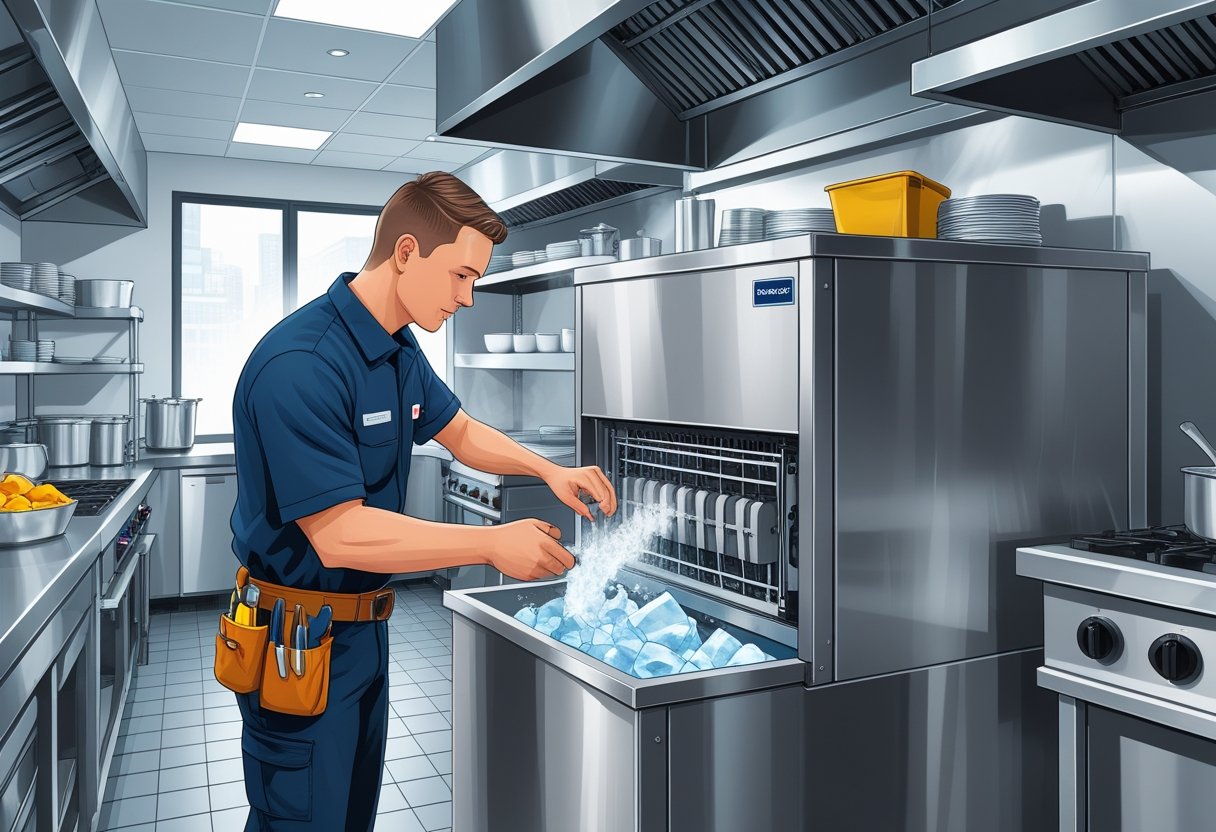
When technicians arrive, they begin with a thorough inspection of your ice machine’s critical components, including compressors, water lines, condensers, and electrical connections. Diagnosing the root cause quickly helps them prioritize repairs.
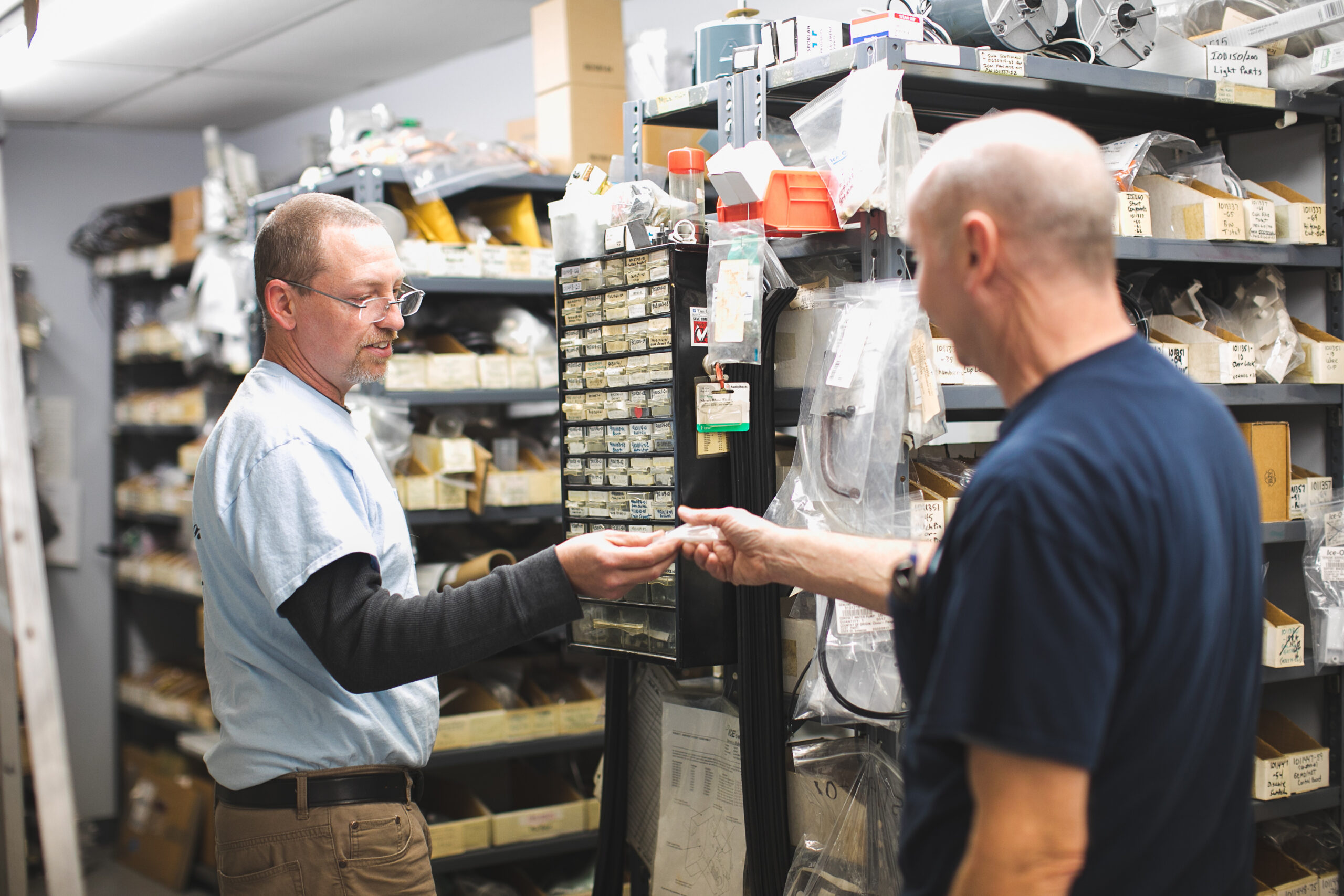
Repairs may involve cleaning clogged filters, replacing worn-out parts, refilling refrigerant, or adjusting thermostat settings. Technicians come prepared with stocked trucks to complete most repairs on the spot, minimizing your downtime.
They also test ice output and quality after servicing to ensure your machine meets performance standards. For ongoing reliability, many restaurants opt for scheduled maintenance plans to catch potential issues early.
Choosing a Qualified Repair Company
Choose a company with experience in commercial ice machine repair and a reputation for timely, reliable service. Check that their technicians are trained on multiple brands and types of ice machines similar to yours.
Look for a local provider like Memphis Ice that understands the specific demands of restaurants in your area. A company with a family-owned legacy and a customer-first mindset will prioritize your needs, providing thorough repairs without upselling unnecessary services.
Confirm they offer emergency and preventative maintenance options, because consistent care reduces breakdowns during your busiest times. Clear communication and transparent pricing also help you make confident decisions about your ice machine’s care.
Preventive Maintenance and Cleaning
Maintaining your commercial ice machine involves a regular routine of cleaning, inspections, and scheduled tasks to maximize performance and safety. These steps prevent breakdowns, protect ice quality, and ensure compliance with health standards.
Scheduled Maintenance Tasks
You should establish a consistent schedule that includes daily, weekly, and monthly tasks. Daily checks involve inspecting for leaks, debris, or unusual noises around and under the unit. Weekly, clean and sanitize surfaces like the ice bin, dispenser, and door to prevent bacterial buildup. Monthly tasks include verifying water filters and ensuring proper refrigeration service to maintain temperature efficiency.
Keep a log of completed tasks to track maintenance and identify recurring issues early. Scheduled upkeep not only minimizes costly repairs but also guarantees reliable ice production during peak hours. Memphis Ice recommends combining these tasks with professional service visits to extend your machine’s lifespan.
Sanitizing and Descaling Procedures
Sanitizing and descaling remove mineral deposits and microbial contaminants that affect ice quality and machine efficiency. Use manufacturer-approved cleaning agents to thoroughly sanitize the ice bin, water reservoir, and dispenser components.
Descale regularly to prevent mineral buildup, especially in regions with hard water. Failure to descale can cause blockages and reduce cooling effectiveness, leading to premature machine failure. Always run at least two ice cycles after cleaning to flush out residual chemicals and ensure safe ice for your customers.
Following these steps keeps your system compliant with FDA food safety guidelines and helps avoid service disruptions in busy kitchens.
Regular Component Inspection
Frequent inspection of key components safeguards your machine’s reliability. Check condenser coils and fans for dust or damage. Dirty coils reduce cooling efficiency and increase energy consumption, which could undermine your refrigeration service.
Inspect water filters for clogging or deterioration and replace them as recommended. Evaluate electrical connections and hoses for wear or leaks. Identifying worn parts early prevents breakdowns that interrupt your restaurant’s workflow.
Memphis Ice technicians emphasize this routine inspection as a cornerstone of ice machine upkeep, helping you avoid unexpected downtime during critical service periods.
Ice Machine Performance Optimization
Optimizing your ice machine’s performance involves carefully managing energy use, maintaining the quality of ice produced, and considering modern equipment upgrades. Each aspect directly impacts your restaurant’s efficiency, operational costs, and guest satisfaction.
Energy Efficiency Tips
Efficient energy use keeps your operating costs down and improves machine longevity. Start by regularly cleaning condenser coils and air filters to prevent overheating and excessive energy draw.
Check that your ice machine is in a well-ventilated location away from heat sources like ovens or direct sunlight. Improper placement raises energy consumption and reduces ice output.
Using a programmable timer or energy-saving mode helps avoid running the machine when demand is low, especially during off-hours. Ensure water supply temperatures stay within the manufacturer’s recommended range, as warmer water requires more energy to freeze.
Memphis Ice technicians recommend routine inspections and maintenance to spot any electrical faults or worn components that push energy use higher than necessary.
Enhancing Ice Quality
Poor ice quality can affect your food presentation and customer satisfaction. Nugget ice, favored in many restaurants for its chewability and slow melt, requires consistent water quality and proper freezing cycles.
Regularly descale your machine to prevent mineral buildup that alters the taste and clarity of the ice. Use water filtration systems to reduce impurities that cause cloudiness and scaling.
Monitor the machine’s freezing cycle closely. Malfunctioning sensors or compressors may cause oversized or hollow ice cubes, which melt too fast or stick together.
Your ice machine should be inspected for leaks or mold buildup that can harm both ice quality and food safety. At Memphis Ice, we stress the importance of professional cleaning and timely repairs to keep ice at peak quality.
Upgrading to Advanced Models
Technology advancements in commercial ice machines can improve reliability and reduce long-term costs. Modern units offer features like smart sensors for predictive maintenance, which alert you before failures happen.
Consider upgrading to models with variable speed compressors and improved insulation to reduce energy waste. Some advanced machines produce nugget ice more efficiently with less water and power.
Touchscreen controls and IoT connectivity allow you to monitor performance remotely and schedule maintenance proactively. This helps avoid unexpected downtime during your busiest shifts.
Upgrading might also include transitioning to an ice machine with enhanced self-cleaning functions, reducing manual labor and contamination risks. These innovations facilitate smoother operations and can better support high-demand environments like restaurants.
Explore commercial ice machine solutions tailored to your needs by consulting with Memphis Ice for expert guidance and service.
Frequently Asked Questions
Knowing when your commercial ice machine needs attention and how to handle common issues can save you time and avoid costly downtime. Regular maintenance and timely action keep your operation running smoothly.
What are common signs that a commercial ice machine needs repairs?
If your machine produces less ice than usual, or ice is missing entirely, it’s a clear indicator of a problem. Other signs include unusual noises, leaks, or ice that’s cloudy or misshapen.
Frequent water leaks or inconsistent ice production may mean parts like filters or the evaporator need checking. Seeing error codes on the control panel also points to repair needs.
How often should restaurant ice machines be serviced for maintenance?
Routine servicing every 3 to 6 months is ideal for most commercial ice machines to ensure peak performance. Scheduling service before busy seasons helps prevent unexpected breakdowns.
Regular cleaning and filter replacement at each service keep water flow and refrigeration efficient, extending equipment life.
What should I do if my ice machine starts making unusual noises?
Unusual buzzing, clicking, or grinding sounds often signal mechanical issues. Turn off the machine immediately to avoid further damage.
Check for loose parts, clogged fans, or ice buildup inside components. If the noise persists, contact a professional technician to inspect and repair.
How can I tell if my ice machine requires professional cleaning or just a simple user cleanup?
If you notice slow ice production or ice with off-colors or odors, it’s time for a thorough cleaning. User cleanups like wiping accessible surfaces and emptying the bin help but won’t address internal buildup.
Professional cleaning removes scale and bacteria from water lines, coils, and tanks that simple cleaning cannot reach. Annual deep cleaning is recommended.
What is the process for troubleshooting a restaurant ice machine that is not producing ice?
Start by verifying water supply is active and uninterrupted. Check and replace clogged filters or water inlet valves if necessary.
Ensure the machine is plugged in and receiving electricity without issue. Inspect the condenser coils for dirt or blockages.
If basic checks don’t restore ice production, it’s best to call a certified technician for diagnosis.
How important is it to use a certified technician for ice machine repairs?
Certified technicians have the expertise and experience to diagnose complex issues and perform safe, code-compliant repairs. Using a qualified professional helps avoid repeated breakdowns.
At Memphis Ice, we prioritize reliable service from certified technicians to keep your ice production consistent and worry-free.