proudly serving
the mid-south


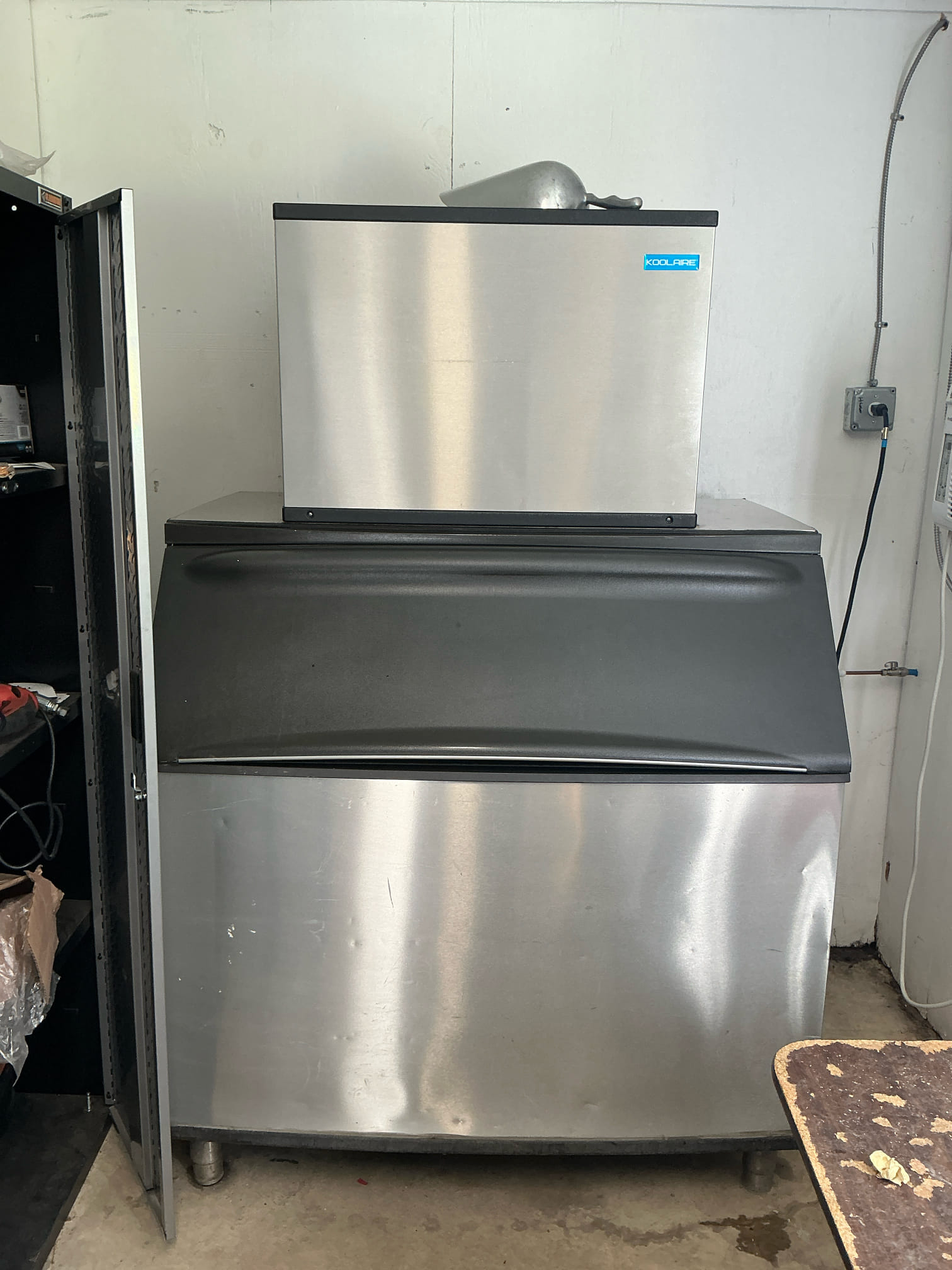
Best Ways to Protect Refrigeration Systems During Storms for Reliable Cooling and Safety
Protecting your refrigeration systems during storms really matters if you want your business to stay up and running—and your products safe. The best way to protect your refrigeration is to have a backup power source, keep equipment clean, and perform regular maintenance before bad weather hits. Power outages and nasty weather can take out your equipment fast if you’re not ready.
Here at Memphis Ice, we’ve been helping Mid-South businesses keep their ice machines and coolers safe since 1977. Simple moves like securing your units indoors, checking seals and filters, and having a plan for backup cooling can make a huge difference when a storm rolls in.
Preparing Refrigeration Systems Before a Storm
Storms can cause all sorts of headaches—power loss, water damage, you name it. To keep things running, you’ll want to check every part of your system, make sure your backup power is set, and have a stash of emergency supplies ready.
Inspecting System Components
Start with a solid inspection. Look for worn-out or loose parts—belts, hoses, seals. Door gaskets on walk-in coolers and reach-ins deserve extra attention; if they’re torn, warm air sneaks in and your system has to work overtime.
Clean those condenser coils and clear out any junk around vents. Dirty coils mean less efficiency and more overheating when things get busy. Check drainage lines too, so you don’t end up with water backing up. At Memphis Ice, we’ve seen how a simple clog can turn into a nightmare after a storm.
Securing Backup Power Supplies
Power outages are almost a given during storms, so a reliable backup power source is a must. Test your generator or UPS ahead of time. Make sure it can handle your refrigeration load.
Keep fuel tanks full and stash extra fuel safely. Label switches so you’re not fumbling in the dark. If you don’t have backup power, think about renting a commercial ice machine or generator from Memphis Ice to keep the cold going until the lights come back on. Don’t wait until the last minute—preparation really does save your inventory.
Stocking Emergency Supplies
Having the right emergency supplies can make all the difference. Stock up on coolers, ice packs, and dry ice for those “just in case” moments. Keep thermometers in place so you can watch temps if the power drops.
Have tools and replacement parts handy—fuses, bulbs, gasket tape. Don’t forget a flashlight and spare batteries. Make a checklist so you’re not scrambling when a storm hits. Being prepared means less stress and better odds for your business.
Protecting Electrical and Mechanical Components
Storms really put your refrigeration system’s electrical and mechanical parts to the test. Protecting control panels, wiring, and key equipment before the storm gives you a real shot at avoiding expensive breakdowns.
Shielding Control Panels and Wiring
Control panels and wiring are the brains and nerves of your system—keep them dry and secure. Use weatherproof enclosures on control panels. Check that covers fit tight and seals aren’t cracked. Hide wiring in sealed conduit pipes to keep water and debris out. Patch up any damaged insulation before the weather turns rough.
If your system sits outdoors or near flood zones, throw up some extra waterproof barriers or even plastic sheeting in a pinch. Keeping these parts dry means your commercial ice machine or walk-in cooler has a much better chance of surviving the storm.
Elevating Equipment Above Flood Levels
Flooding is no joke during storms. Raise compressors, condensers, and outdoor units on sturdy platforms—at least a foot or two above the worst flood you’ve seen. Don’t set equipment right on the ground or in low spots; use concrete blocks or metal stands.
If you can’t elevate, build a barrier with sandbags or temporary flood walls. Just make sure you’re not trapping your equipment in. Elevating or shielding your gear helps protect your investment and keeps things running.
Implementing Surge Protection
Storms bring power surges that can fry your system’s electronics. Install surge protectors on control panel circuits. These gadgets absorb extra voltage and stop spikes from wrecking your electronics. Whole-building surge protectors add extra peace of mind, especially if lightning is a regular visitor.
Test your surge protection gear regularly—make it part of your maintenance routine. We tell our customers to check surge protectors whenever they service their ice machines or coolers. It’s a small step that saves a lot of headaches.
Maintaining Optimal Temperature During Power Outages
Keeping your refrigeration at the right temperature during a power outage is crucial if you want to save your food and your business. You’ll need to watch the temperature closely, use insulation when needed, and resist the urge to open doors too often. Every bit helps to stretch that safe cooling time and prevent spoilage.
Monitoring Internal Temperatures
You need a way to track temperatures as soon as the power goes out. A digital thermometer with an alarm is your friend here—it’ll let you know if things get too warm.
Check temps every 30 minutes or so. Food in commercial units should stay under 40°F (4°C) for refrigeration and 0°F (-18°C) for freezers.
If you see temps rising, move the most perishable stuff into cooler, insulated spots. Watching the numbers helps you decide when it’s time to call for backup refrigeration or emergency repair.
Using Thermal Blankets or Insulation
Thermal blankets or thick insulation sheets can really help during an outage. Cover your units to slow down heat gain.
These blankets trap cold air inside and can give you a few extra hours, especially if it’s hot outside. Just don’t block vents or airflow—you want to keep cool air in, but you don’t want condensation building up.
Limiting Door Openings
Every time you open a cooler door, warm air floods in. During an outage, that hurts even more since the system can’t recover.
Plan ahead before grabbing anything. Group items together so you’re in and out fast. Remind your team to keep doors closed unless absolutely necessary.
Keep door openings to a minimum until the power’s back. It’s a simple move that protects your food and makes it easier for your equipment to recover.
Post-Storm Inspection and Recovery
Once the storm passes, take a good look at your refrigeration system for damage. Check for physical harm, leaks, and dirt—anything that could mess with performance. Cleaning matters too, since you want to avoid contamination and keep things safe.
Assessing Damage to Equipment
Look over your refrigeration units for visible damage. Check doors, seals, hinges—make sure everything closes tight. Warped or broken parts let cold air out and force your system to work harder.
Peek inside electrical panels for dents, cracks, or moisture. Water in there can cause shorts or corrosion. If you spot electrical issues, shut things down and call a pro.
Don’t forget external parts like fans, compressors, or lines. Write down what you find and snap some photos. That way, you can plan repairs and get back up and running faster.
Checking for Refrigerant Leaks
Refrigerant leaks are a big deal—they’ll wreck your cooling fast. After a storm, check hoses and connections for oil residue or frost build-up. These usually point to leaks.
Listen for hissing, too; it might mean refrigerant is escaping. Don’t try to fix leaks yourself unless you know what you’re doing. Refrigerants need special handling.
If you suspect a leak, call a technician for a leak test and recharge if needed. Memphis Ice has folks who can handle this safely and get you sorted.
Cleaning and Sanitizing Units
Storms drag in dirt, debris, and sometimes mold. Wipe down exterior surfaces with mild soap and water. Inside, use a food-safe sanitizer on shelves and walls to prevent bacterial growth.
Check drains and condensate pans for clogs caused by debris. Blocked drains can lead to water damage and mold—clear them out to keep things running.
Regular cleaning after a storm protects your stock from contamination and helps your equipment last. If you want help, Memphis Ice offers post-storm cleaning services tailored for your needs.
Long-Term Strategies for Storm Resilience
Protecting your refrigeration system from storms takes some planning, smart upgrades, and a crew that knows what to do when trouble hits. This approach cuts your risk and helps your equipment bounce back faster.
Developing Emergency Response Plans
Start with a clear emergency plan for your refrigeration setup. Identify critical gear like walk-in coolers and ice machines, and spell out how to secure power during outages. Keep contact info for emergency service providers and backup power suppliers handy.
Stock up on key supplies—ice machine rentals, portable coolers, whatever you might need if your main system fails. Review the plan regularly, especially before storm season. Make sure your team knows the drill.
Investing in Weather-Resistant Upgrades
Think about upgrading your refrigeration with weather-resistant features: reinforced panels, waterproof seals, elevated platforms to dodge flood damage. Surge protectors and backup generators are smart investments for steady power.
Add monitoring systems that send alerts about temperature changes or outages—catching problems early saves money and headaches. We recommend these upgrades to a lot of customers. They offer peace of mind when the weather turns ugly.
Staff Training for Storm Preparedness
Your team is a big part of keeping refrigeration systems safe. Train them to react quickly to storm warnings and power hiccups. Go over shutdown procedures and how to use backup systems safely.
Run regular drills so everyone stays sharp. Teach staff to check seals, clear debris, and keep cords off the ground. Well-trained people stop small issues from becoming disasters. Giving your team the know-how is another layer of defense.
Frequently Asked Questions
Storms bring a mix of wind, rain, and power issues that challenge your refrigeration system. The right moves help protect your equipment, cut downtime, and keep your business moving.
What steps can I take to shield my outdoor refrigeration unit from storm damage?
Secure your unit to a stable surface so strong winds can’t budge it. Clear away loose debris and trim branches that might fall.
If you can, cover the unit with something weather-resistant to block rain and hail—just make sure it breathes so the unit doesn’t overheat.
Is it necessary to cover my AC compressor during severe weather conditions?
Covering the AC compressor is smart, especially if you expect heavy rain or flying debris. Use a breathable, waterproof cover that won’t trap moisture.
Skip plastic tarps—they cause condensation and rust. The right cover keeps electrical parts safer and the unit cleaner.
What are the best practices to follow for AC units when anticipating lightning storms?
Lightning can cause ugly power surges. If you can, unplug your AC unit before the storm.
If that’s not an option, make sure you’ve got a surge protector made for HVAC gear. It can save you from expensive repairs after a strike.
How should I secure my air conditioning system in preparation for hurricane season?
Tighten up those mounting brackets, and don’t forget to look for any loose panels or screws. If you’ve got outdoor furniture or random stuff near the unit, either bring it inside or tie it down—nobody wants a chair flying through the yard.
Lots of folks turn their system off before a hurricane hits to avoid electrical issues. After the storm passes, it’s smart to let a pro check things out before you start it up again.
Can power surges during storms harm my HVAC system, and how can I prevent it?
Absolutely—power surges can fry the sensitive parts in your system and cause all sorts of headaches. A whole-building surge protector or a dedicated device for your HVAC can help keep things safe.
It’s worth checking your electrical panel now and then, and honestly, having a Memphis Ice refrigeration expert double-check your surge protection isn’t a bad idea.
What maintenance tips can ensure my refrigeration system stays safe during extreme weather?
Schedule regular preventive maintenance—it’s the best way to spot wear and tear before it turns into a real headache. Keep filters clean, clear out debris from the coils, and don’t let the little stuff slide.
Get your system checked out before storm season hits. Tighten up connections, swap out parts that look sketchy, and don’t wait until something breaks. At Memphis Ice, we’ve spent almost 50 years helping folks keep their equipment safe.
If you’re not sure where to start, just reach out to an expert and see about a maintenance plan that actually fits your business.
Recent News
Steps to Reduce Energy Costs with Efficient Refrigeration Units for a Greener Home
Event Refrigeration Rental Services Made Easy for Your Next Celebration
Energy Rebates for Refrigeration Equipment Made Easy and Affordable
Tips for Avoiding Cross-Contamination in Ice Storage

Planning Ahead: Why February Is Smart Timing for Ice Machine Upgrades or Rentals
Introducing Financing Through APPROVE: Flexible Payment Options Now Available