proudly serving
the mid-south

Industrial Ice Maker for Factories Enhancing Efficiency and Reliability
Running a factory means you need ice that’s quick, steady, and reliable. An industrial ice maker for factories is built to produce large amounts of ice consistently, helping your operations stay on track without downtime.
Whether you use ice to cool products or preserve materials, having the right machine makes your work smoother and more efficient.
At Memphis Ice, we understand that your business depends on dependable ice and refrigeration solutions. With nearly 50 years of experience serving the Mid-South, we know how important it is to have equipment that won’t let you down.
From sales to maintenance, we’re here to handle your ice needs so you can focus on running your business.
Choosing the right industrial ice machine isn’t just about capacity; it’s also about matching your production needs and space. With the right support and service, your ice maker can keep your factory running smoothly year-round.
What Is an Industrial Ice Maker for Factories?
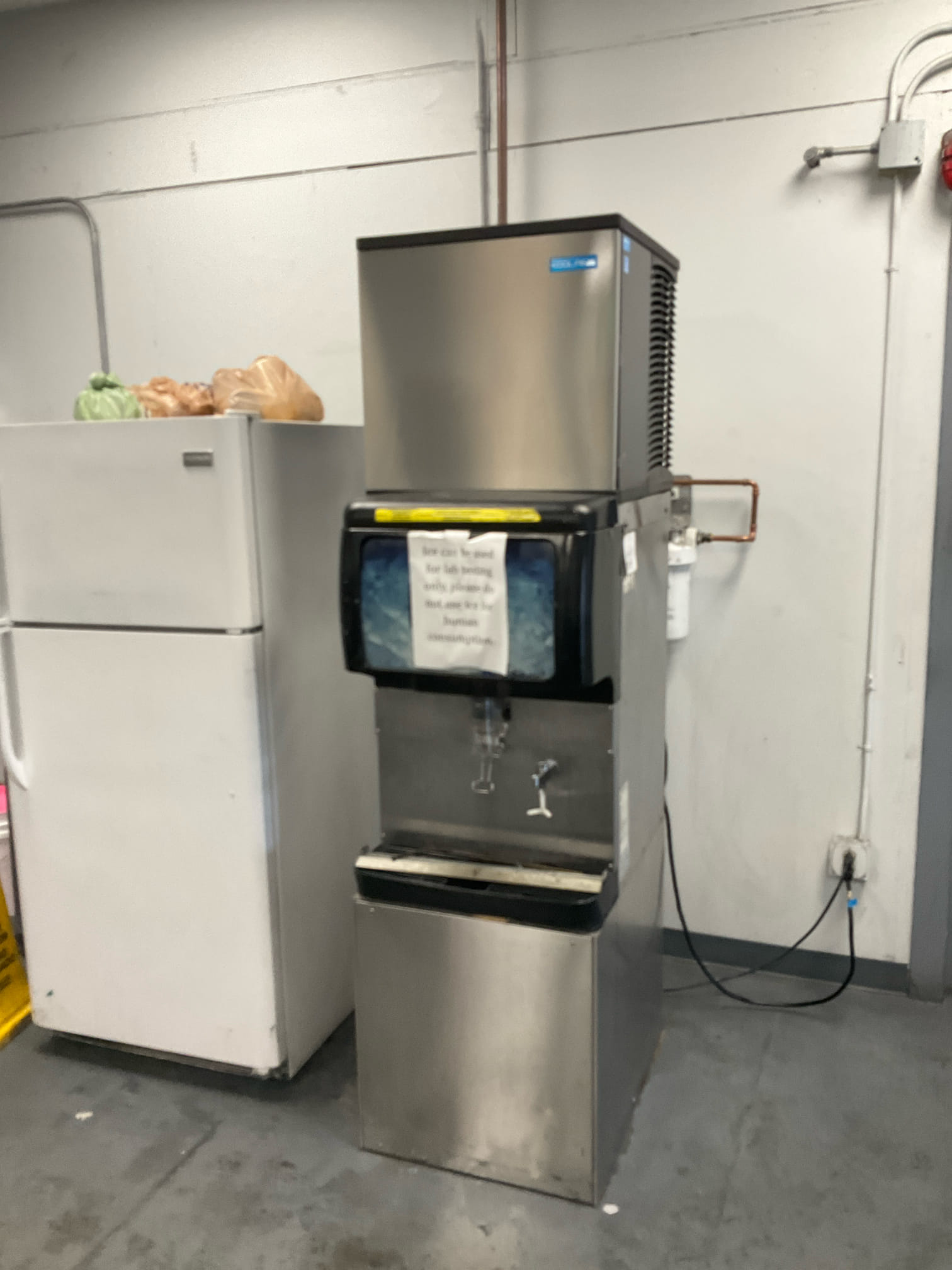
An industrial ice maker for factories is a machine designed to produce large amounts of ice quickly and reliably. It supports continuous operations by delivering a steady supply of ice, which is essential in many industrial settings.
These machines vary in type and use, depending on your factory’s specific ice needs.
Definition and Purpose
An industrial ice maker is a commercial-grade machine that produces ice in large quantities. Unlike small ice makers for home or office use, these machines are built to run continuously and handle heavy demand.
The purpose is to keep your factory’s processes running smoothly by providing consistent ice output. Ice helps in cooling products, preserving perishable materials, and maintaining safe working conditions.
Using the right industrial ice maker reduces downtime and avoids costly delays. If you’re in Memphis or the Mid-South, businesses like Memphis Ice offer reliable machines and support you can count on to keep ice production steady year-round.
Common Types
There are several types of industrial ice makers, each suited for particular needs:
- Block Ice Makers: Produce large solid blocks of ice. Ideal for heavy-duty cooling or shipping.
- Cube Ice Makers: Generate uniform ice cubes, common in food processing and packaging.
- Flake Ice Makers: Produce soft, thin ice flakes. Perfect for fishing, meat packing, and quick cooling.
- Tube Ice Makers: Make hollow ice tubes that melt slowly, useful for beverage cooling and medical uses.
Choosing the right type depends on your factory’s space, output needs, and how the ice will be used.
Factory Applications
In factories, ice plays various roles. It’s often used to cool machinery or products during manufacturing, keep materials fresh, and control temperature hazards.
Food processing plants rely on ice makers to meet strict safety standards by maintaining low temperatures. Other applications include preserving pharmaceuticals in healthcare factories and cooling raw materials in chemical production.
An industrial ice maker must be tough and efficient to handle these demands without breaking down. At Memphis Ice, servicing local factories ensures your ice machine stays reliable, protecting your workflow and product quality every day.
Choosing the Right Industrial Ice Maker
Picking the right industrial ice maker depends on understanding what your factory needs most. You’ll want to focus on the machine’s features, how much ice it can produce, and how much energy it uses.
These factors work together to keep your operations running smoothly without wasting time or money.
Key Features to Consider
Look for machines with strong durability since factories operate under tough conditions. Features like easy-to-clean surfaces and simple controls save you time on maintenance.
Some machines offer automatic cleaning cycles and built-in sensors for ice levels. Also, pay attention to the type of ice the machine produces.
Different industries use cube, flake, or nugget ice. The right ice type depends on your production needs, whether you need ice for cooling, packaging, or food preservation.
A reliable water filtration system is another plus. It keeps your ice pure and reduces machine wear.
At Memphis Ice, we help you find machines that fit your exact needs, making sure you get the right features without paying for extras you won’t use.
Capacity and Output Requirements
Begin by calculating how much ice your factory uses during peak hours. Industrial ice makers vary widely—from a few hundred pounds to several tons per day.
If your factory runs heavy shifts or multiple lines, pick a machine with enough output to keep up. Don’t forget to check the machine’s storage capacity.
Some come with built-in bins, while others need separate storage. Space in your facility will also affect the size of the ice machine you can choose.
Err on the side of a bit more capacity to avoid downtime or ice shortages during busy periods. Memphis Ice can assist you in matching capacity to your exact production demands.
Energy Efficiency and Sustainability
Energy use is a big part of running costs. Choose machines rated for energy efficiency to lower electricity bills over time.
Look for models with features like smart controls that adjust ice production based on actual demand. Some machines use air-cooled condensers, which are easier to install and maintain.
Others use water-cooled systems that save energy if you have access to cooling water. Sustainability matters, too.
Efficient machines reduce environmental impact and sometimes qualify for utility rebates. When you invest in a greener ice maker, you help your factory run cleaner and save money.
Memphis Ice supports your sustainability goals by recommending ice machines that balance powerful performance with energy-saving benefits.
Installation and Setup
Setting up an industrial ice maker for your factory requires careful planning and attention to specific needs. You’ll need to prepare the space, ensure proper connections, and follow a clear process to get your machine running efficiently.
Site Requirements
Choose a location with enough room for the ice maker and its maintenance access. The area should have good ventilation to prevent overheating.
Your ice maker will also need a flat, stable surface that can support its weight. Keep the machine away from heat sources and direct sunlight, as these can reduce efficiency.
If you’re placing it indoors, maintain a consistent temperature range, ideally between 50°F and 90°F. This helps the system work without extra strain.
Don’t forget to leave space for easy cleaning and servicing. Proper drainage nearby is essential because melting ice creates water that must flow away safely without pooling around the unit.
Plumbing and Electrical Needs
Your ice maker needs a reliable water supply with clean, cold water. The water pressure should typically be between 20 and 80 psi for optimal performance.
Use proper water filters to protect the machine from minerals and impurities that cause buildup. For drainage, ensure you have one or more drains capable of handling the water output.
Drain lines should slope downward for smooth flow, avoiding any backups or leaks. On the electrical side, the unit will usually require a dedicated circuit.
Check the machine’s power specifications before installation. Most industrial machines use 220-240 volts and need a GFCI-protected outlet to meet safety standards.
Initial Setup Process
Start by positioning the ice maker level on your prepared site. Connect the water line and test for leaks before turning on the power.
Once everything is connected, run the machine through its initial cycle to check for proper ice production and any unusual noises. After installation, clean the ice bin and machine surfaces to avoid contamination.
Some models come with calibration or settings that you’ll need to adjust to match production needs. Finally, Memphis Ice recommends scheduling routine maintenance early on.
This helps catch any issues before they affect your ice supply and keeps your factory running smoothly year-round.
Operational Best Practices
Your industrial ice maker needs attention to keep running smoothly and produce ice consistently. Regular care and smart adjustments reduce downtime and avoid costly repairs.
Knowing how to handle common issues can save you time and stress.
Routine Maintenance
Keep your ice machine clean to avoid clogs and ensure hygiene. Wipe down the exterior weekly and clean the ice storage bin regularly.
Check water filters every month and replace them as needed to prevent scale buildup. Inspect the condenser coils every three months.
Dirty coils make the machine work harder and lower efficiency. Clean debris and dust with a soft brush or vacuum.
Schedule professional service at least twice a year. Technicians can check refrigerant levels, belts, and electrical parts.
This helps catch small problems before they lead to big repairs. Memphis Ice offers maintenance plans to keep your machine in peak condition.
Improving Performance
Temperature control is key. Set the ice machine’s environment between 70°F and 80°F for best results, avoiding extreme heat or cold.
Proper ventilation around the machine helps it run more efficiently. Always use clean, potable water.
Hard water can cause mineral buildup, so consider a water softener if your supply is tough. This will improve ice clarity and machine lifespan.
Monitor ice production daily. If you notice a drop, check for blocked water lines or dirty filters.
Adjust settings gradually—sudden changes can stress the equipment and reduce output.
Common Troubleshooting Tips
If your machine isn’t making ice, start by checking the power supply and water source. Ensure the machine is plugged in and water valves are fully open.
Unusual noises often mean loose parts or worn fans. Tighten screws and clean fans carefully.
If noise continues, call your service provider to inspect. Slow freezing or small ice cubes usually point to clogged filters or dirty coils.
Clean these parts and test again. If problems persist, it might be time for a professional tune-up.
Memphis Ice technicians can help you troubleshoot quickly so your operations stay on track without long delays.
Popular Industrial Ice Maker Brands for Factories
Choosing the right industrial ice maker means knowing which brands offer reliable machines with features that match your factory’s needs. Some manufacturers stand out for their strong reputations and wide product ranges.
It’s important to understand what each brand brings to the table when considering your options.
Top Manufacturers
Brands like Manitowoc and Hoshizaki have earned trust in the industrial ice market. Manitowoc is known for its dependable machines that offer various production capacities.
Hoshizaki also focuses on energy efficiency and durability. MaxxIce is another notable name, specializing in commercial and residential ice makers.
Their machines often include modular and undercounter models, which can fit your factory’s space needs. Here at Memphis Ice, we work with several of these makers and can help you find the right fit based on your ice output and budget.
Having a trusted brand behind your equipment means less downtime and smoother factory operations.
Comparing Product Lines
When reviewing different brands, consider factors like ice production speed, energy use, and ease of maintenance. For example, some product lines feature fast ice output suited for high-demand shifts.
Others prioritize eco-friendly technology to lower power costs. You’ll also want machines that are easy to clean and service.
This keeps your factory’s workflow smooth and reduces unexpected breakdowns. Look for models that offer clear differences in output size, storage options, and control systems.
These details will help match a product line to your factory’s layout and production schedule. If you need help navigating these options, Memphis Ice’s experts can guide you through the choices so you get a machine that meets your exact needs without hassle.
Safety and Compliance
Keeping your industrial ice maker safe and compliant is essential for smooth, worry-free operation. It means focusing on clean ice production and making sure your equipment meets all legal rules.
These steps protect your workers and customers.
Health and Hygiene Considerations
It’s important to keep your ice machine clean to prevent bacteria and other contaminants from growing. Regular cleaning schedules, using approved sanitizers, and replacing filters on time help maintain ice quality.
Dirty machines can lead to unsafe ice that harms customers and staff. Water quality matters, too.
Using treated water limits impurities and keeps ice safe for food and drink. Memphis Ice recommends routine checks on your water source and machine parts to catch issues early.
Proper handling of ice is another key point. Avoid touching ice with bare hands and always use clean tools or dispensers.
These habits reduce the risk of contamination during use.
Industry Regulations and Certifications
You must follow rules set by agencies like the FDA and local health departments. These rules cover how to manufacture, store, and handle ice safely.
Look for machines certified by recognized bodies. Certifications prove the equipment meets hygiene and energy efficiency standards.
Keeping documentation of maintenance and inspection reports is smart for passing audits.
Cost Considerations
Deciding on an industrial ice maker means weighing the initial price against ongoing costs. You need a machine that fits your budget now but also keeps your business efficient and running smoothly for years.
Upfront Investment vs. Long-Term Savings
The price of an industrial ice maker depends on its size and capacity. Smaller machines that produce 50-250 pounds of ice daily usually cost between $1,500 and $2,500.
Larger units making 1,000 to 2,000 pounds daily can run anywhere from $5,000 to $10,000 or more.
Higher-quality brands often cost more upfront because they use durable materials and advanced technology. This means fewer repairs and longer machine life.
Choosing a more energy-efficient model may also increase your initial cost but lowers your electricity bills over time.
Operational and Maintenance Costs
Running an industrial ice maker means you will pay for electricity, water, and routine maintenance. Electrical costs can be significant, especially with machines that run around the clock.
Look for machines with energy-saving features to reduce these expenses.
Maintenance costs include cleaning, replacing filters, and checking for wear on parts like the compressor or water pump. Scheduling regular service helps avoid breakdowns during busy production times.
Memphis Ice offers full-service plans that cover routine upkeep, so your ice machine works without interruption.
Emerging Trends in Industrial Ice Makers
Industrial ice makers are improving in ways that help you run your factory more smoothly and efficiently. New technology and cleaner refrigerants are making machines smarter, easier to maintain, and better for the environment.
These changes can save energy and lower costs while keeping your ice production steady.
Technological Innovations
Today’s industrial ice makers often come with smart controls and IoT (Internet of Things) features. This means you can monitor your machine’s performance and get alerts straight to your phone or computer.
If something needs fixing, you’ll know right away. These advances reduce downtime and help avoid costly repairs.
Energy efficiency is also improving. New models use less power while producing the same amount of ice.
Improved compressors and advanced sensors adjust ice production based on demand, so your factory isn’t using more energy than it needs.
Sustainable Refrigerants
The refrigerants used in industrial ice makers are changing to greener options. Older refrigerants often harm the environment by damaging the ozone layer or increasing greenhouse gases.
New machines use alternatives with much lower global warming potential. These eco-friendly refrigerants still cool efficiently but reduce environmental impact.
They also meet newer regulations that require companies to cut emissions. Choosing a machine with sustainable refrigerants means your factory stays compliant and helps protect natural resources.
Frequently Asked Questions
Choosing the right industrial ice maker means knowing about top brands, sizing your machine properly, and understanding where to buy and what to expect on price.
You’ll also want to know if used machines can work for you and which manufacturers are trusted for factory use.
What are the top-rated industrial ice makers for factory use?
The best machines offer reliable, high-volume ice production and energy efficiency. Look for models that produce block, tube, or flake ice depending on your needs.
Memphis Ice can help you find a machine suited to your factory’s size and output requirements.
How do I choose the right size ice maker for my factory’s needs?
Consider how much ice you use daily and the space available for installation. Smaller machines work for lighter needs, but factories with larger demands need machines that run continuously and produce hundreds or thousands of pounds of ice per day.
A sizing expert can guide you on this.
Can I find a good second-hand industrial ice maker for my manufacturing processes?
Yes, used machines can be an option if inspected carefully. You need to check the condition, age, and maintenance history.
Buying from a reputable seller like Memphis Ice ensures the machine meets your production and quality standards.
Where can I purchase an industrial ice maker locally for my factory?
Local suppliers who understand the Mid-South market are best. Memphis Ice offers full-service options, including sales, rentals, and maintenance in the Memphis area and surrounding regions.
Buying locally means faster service and better support.
What is the typical price range for a high-quality industrial ice maker?
Prices vary widely, from a few thousand dollars for basic models to tens of thousands for large, high-capacity systems. Your price depends on ice type, production volume, and extra features like ice storage or dispensing systems.
Are there any reputable manufacturers of industrial ice makers that specialize in factory settings?
Many manufacturers focus on commercial-grade machines built for factory use.
Look for brands known for durability, energy efficiency, and consistent ice production.
A trusted dealer like Memphis Ice can introduce you to reliable models that fit factory operations.