proudly serving
the mid-south


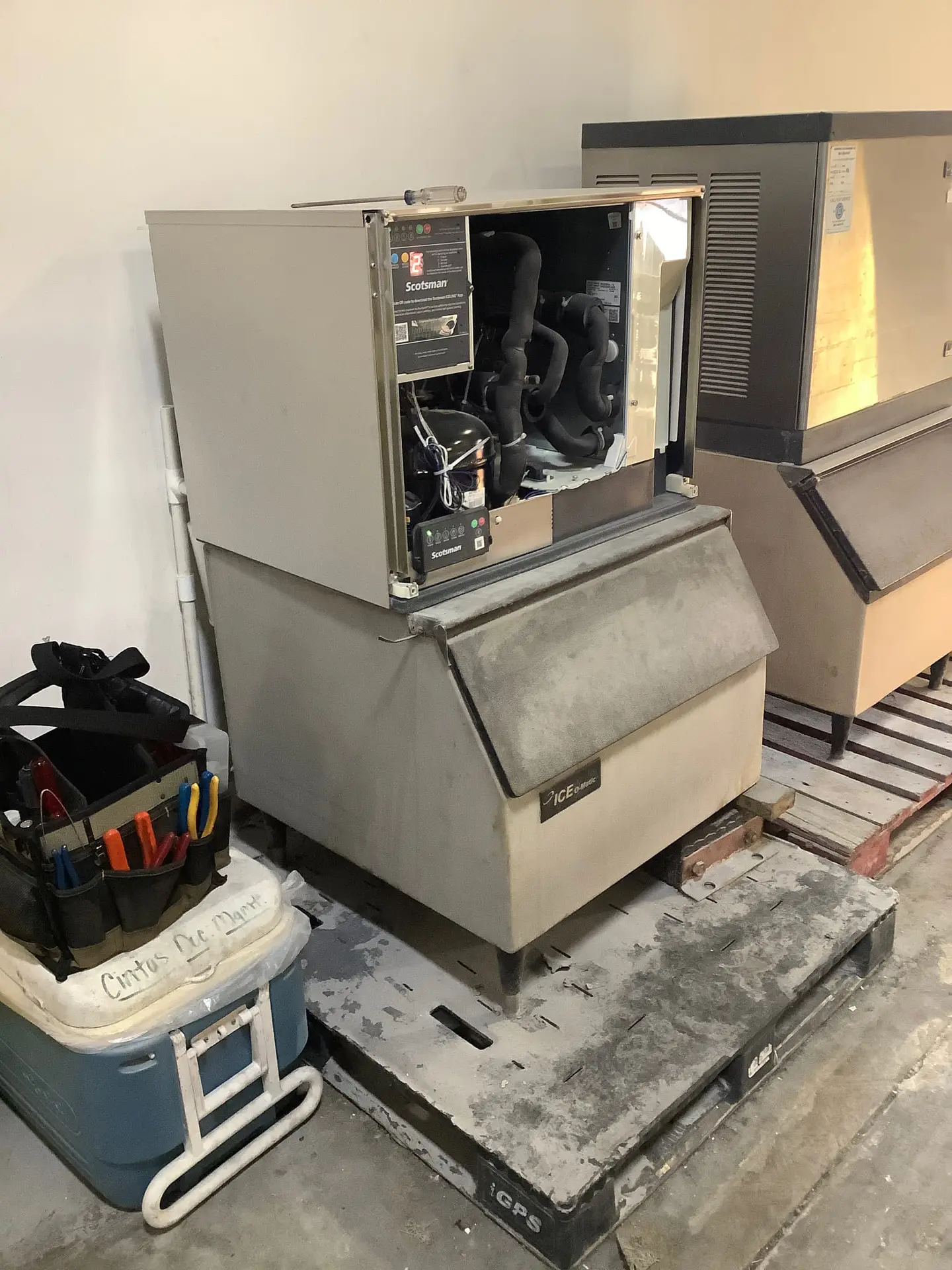
Monthly Ice Machine Maintenance Checklist Easy Steps for Optimal Performance
Keeping your commercial ice machine in good shape is key to avoiding surprises that can slow down your business. A clear, monthly maintenance checklist helps you spot problems early and keeps your machine running smoothly all year.
This routine care not only extends your ice machine’s life but also ensures the ice stays clean and safe for your customers.
At Memphis Ice, we’ve been supporting businesses throughout the Mid-South for nearly 50 years. We know how important it is for your equipment to work without a hitch, especially during busy times.
By following a simple monthly maintenance plan, you make sure your ice supply never skips a beat.
Whether you own a restaurant, hospital, or bar, this monthly routine can save you time and stress. From checking water filters to cleaning key parts, the right tasks at the right time keep your machine in top condition.
Let’s break down the essential steps you should include in your monthly ice machine care.
Why Monthly Ice Machine Maintenance Matters
Regular monthly maintenance keeps your ice machine running without surprises. It helps you avoid expensive repairs, keeps your ice safe to use, and makes sure your machine lasts longer.
Taking time each month to check and clean key parts protects your business from disruptions.
Preventing Breakdown and Costly Repairs
Monthly maintenance catches small problems before they grow. Checking water lines, filters, and mechanical parts regularly helps spot leaks, clogs, or worn components early.
Fixing these issues quickly saves you from expensive emergency repairs or full machine replacement. Ice machines work hard day after day.
Dirt, slime, or mineral buildup can slow them down and cause parts to fail. Monthly cleaning removes these buildup issues, keeping everything running smoothly.
Ensuring Ice Quality and Safety
Your customers and staff expect clean, clear ice. Monthly maintenance helps prevent mold, bacteria, and slime from contaminating the ice and water system.
This regular cleaning and sanitizing step is critical to meet health standards and keep your ice fresh. Inspecting and replacing filters monthly also improves water quality.
Poor water leads to cloudy ice and off-flavors. When you maintain these components, you reduce health risks and keep ice tasting as it should.
Extending Machine Lifespan
Replacing an ice machine is expensive. Regular monthly maintenance helps extend the life of your equipment by keeping every component working well.
This reduces wear and tear and prevents corrosion or damage. Monthly tasks like cleaning coils, checking refrigerant levels, and lubricating moving parts help your machine run efficiently.
When your ice machine works as intended, it uses less energy and stays dependable longer.
Monthly Ice Machine Maintenance Checklist Overview
Keeping up with monthly maintenance on your commercial ice machine helps avoid breakdowns and keeps the ice clean and safe. This process includes planning ahead, gathering the right tools, and tracking everything you do.
Staying organized means your ice machine will serve your business well for years.
Checklist Preparation Tips
Before you start, make sure your ice machine is turned off and unplugged. This protects you and keeps the machine safe while you work.
Clear the area around the machine so you can move easily and avoid any accidental damage. Review your ice machine’s user manual.
It usually lists specific tasks recommended by the manufacturer. Stick to these to keep your warranty safe and avoid mistakes.
Set aside about an hour to complete this monthly check. Rushing through may cause you to miss important steps.
Work in a clean, well-lit space to spot dirt or damage more easily.
Essential Tools and Supplies Needed
You’ll need these key items for monthly maintenance:
- Soft cloths or sponges
- Food-safe sanitizer
- Mild detergent or ice machine cleaner
- Small brush for scrubbing
- Screwdriver for opening panels
- Gloves to protect your hands
- Clean water for rinsing
Using the right products helps avoid machine damage and keeps ice safe to use. Avoid harsh chemicals or abrasive tools that could harm parts.
Keep your tools organized and ready so you don’t waste time searching. Having fresh cleaning supplies on hand each month makes maintenance easier and more effective.
Creating a Maintenance Log
Keeping a maintenance log is one of the smartest ways to track your ice machine’s health. Write down the date when you perform your monthly tasks and list what you cleaned or checked.
Note any problems you find, no matter how small. Early spotting can prevent costly repairs later.
Mention if you replaced parts or called a technician. A clear record also helps if you ever need Memphis Ice to step in for service.
They’ll know what’s been done and what might need attention next. You can create a simple paper log or use a digital file — just keep it consistent and easy to access.
Exterior Cleaning and Inspection
Keeping the outside of your ice machine clean and in good shape helps it run smoothly and safely. Paying close attention to surfaces, checking for damage, and sanitizing areas you touch often will protect your machine and maintain hygiene.
Cleaning Surfaces and Panels
Start by wiping down all exterior surfaces using a soft cloth and a mild detergent. Avoid harsh chemicals that can damage the finish or controls.
Focus especially on the front panel, door, and any vents. These areas collect dust and spills that can clog vents and reduce airflow.
Be sure to dry all surfaces completely to prevent rust or streaks. For stainless steel models, using a cleaner designed for stainless steel will keep your machine looking professional.
Check and clean vents regularly to stop dust buildup, which can cause the machine to overheat. Doing this once a month keeps airflow consistent and helps your ice machine last longer.
Inspecting for Physical Damage
Look carefully for dents, scratches, or loose parts on the exterior. Small dents can trap dirt and moisture, leading to rust.
Pay special attention to the door seals and hinges. Broken seals let warm air in, which reduces ice quality and forces the machine to work harder.
Check screws and panels to make sure nothing is loose or missing. Any damaged parts should be fixed quickly.
If you spot cracked or broken components, call your trusted Memphis Ice technician to handle repairs before they get worse.
Sanitizing Touchpoints
Touchpoints like handles, buttons, and control panels need regular sanitizing to stop germs. Use a food-safe sanitizer after cleaning these areas with soap and water.
This helps keep your ice machine compliant with health standards. Wiping down these areas weekly reduces the risk of spreading bacteria in busy environments like restaurants or hospitals.
Keep a spray bottle or wipes handy near the machine so staff can sanitize before and after use. This small step makes a big difference in safety and cleanliness.
Water System Care
Keeping your ice machine’s water system clean and in good shape is key to making clear, safe ice. Regular attention to filters, water lines, and the reservoir helps avoid scale buildup, leaks, and bacterial growth that can hurt your machine’s performance.
Checking Water Filters
Water filters remove minerals and impurities that affect ice quality and machine parts. You should inspect your filters monthly for clogging or discoloration.
If a filter looks dirty or your ice tastes off, replace it right away. Using a clogged filter forces your machine to work harder, raising wear and energy costs.
Always use filters recommended by the manufacturer or trusted suppliers like Memphis Ice. Keep track of the filter schedule in a maintenance log.
This helps you avoid missed changes, especially during busy seasons when ice demand is high.
Inspecting Water Lines for Leaks
Water lines deliver fresh water to your ice machine and must be leak-free. Check all hoses and connections every month.
Look for wet spots, cracks, or loose fittings that could cause water damage or reduce water flow. Leaks can also invite mold and bacteria, so fixing them quickly protects ice quality and reduces sanitation risks.
Use a flashlight for hard-to-see areas and tighten loose clamps or replace damaged line sections as needed. After each check, run the machine to observe water pressure and flow.
Low water may signal hidden leaks or blockages.
Cleaning the Reservoir
The water reservoir holds the supply for ice production. Over time, minerals and bacteria build up inside, affecting taste and machine health.
Drain the reservoir monthly and clean it with a solution designed for ice machines, such as a mild sanitizer or scale remover. Avoid harsh chemicals that can damage surfaces.
After cleaning, rinse thoroughly with potable water to remove all residues. Memphis Ice recommends following manufacturer instructions for the best cleaning mix and method to keep your reservoir spotless.
Maintaining a clean reservoir improves ice clarity, reduces machine downtime, and extends the life of your ice machine.
Interior Cleaning Procedures
Keeping your ice machine’s interior spotless is key to making safe, clean ice. This process focuses on removing and washing bins and trays, sanitizing the evaporator, and cleaning the ice chutes.
Each of these steps helps stop buildup of mold, bacteria, and mineral deposits that can lower ice quality.
Removing and Washing Bins and Trays
Start by unplugging your ice machine to ensure safety. Remove the ice bins and trays carefully.
Any leftover ice should be discarded before you begin cleaning. Wash the bins and trays with warm water and a mild detergent.
Avoid harsh chemicals that might damage surfaces or leave residues. Use a soft cloth or sponge to scrub all areas, especially corners where ice and debris collect.
Rinse thoroughly with clean water to remove soap. Dry completely with a clean towel or air dry before reassembling.
Sanitizing the Evaporator
The evaporator is where the ice is actually made, so keeping it sanitized is critical. Use a manufacturer-approved sanitizer suitable for food-contact surfaces.
Follow product directions carefully for dilution and contact time. Apply the sanitizer evenly on the evaporator’s surfaces using a spray bottle or clean cloth.
Be sure to reach all nooks where water or ice touches. Let it sit the full recommended time to kill bacteria and algae.
After sanitizing, wipe or rinse off any remaining solution if required. Always handle the evaporator gently to avoid damage.
Cleaning Ice Chutes
Ice chutes guide the cubes out of the machine, so they need regular cleaning. Start by wiping the chute surfaces with warm water and mild detergent.
Focus on any sticky spots or mineral buildup. Next, sanitize the chute using a safe, approved sanitizer.
Use a spray or wipe method to cover the inside and outside thoroughly. Let the sanitizer dry before allowing the machine back in use.
Removing buildup in the chute helps ice flow smoothly and stops unwanted germs from contaminating your product.
Mechanical and Electrical Checks
Keeping your ice machine’s mechanical and electrical parts in good shape helps avoid unexpected breakdowns and keeps it running smoothly. Focus on the key components that handle cooling and power, since problems here can stop ice production or cause costly damage.
Inspecting the Condenser Coils
The condenser coils remove heat from your ice machine, so they need to be clean to work well. Check for dust, dirt, or debris buildup on the coils every month.
Use a soft brush or vacuum to gently clean them without bending the fins. Dirty coils make your machine work harder, leading to higher energy bills and possible overheating.
Look for signs of corrosion or damage, which could reduce cooling efficiency. If you spot serious issues, contact a technician to handle repairs before it affects your ice supply.
Testing Electrical Connections
Your ice machine relies on solid electrical connections to run safely and consistently. Inspect wires and terminals for loose fittings, fraying, or corrosion that can cause shorts or power failure.
Turn off power before checking to avoid shocks. Tighten any loose screws and replace damaged cables right away.
Testing with a multimeter can confirm stable voltage, but if you’re unsure, a certified electrician can help. Good electrical health prevents unexpected shutdowns and protects your investment.
Checking for Unusual Noises
Strange sounds often signal mechanical trouble.
Listen for grinding, rattling, or buzzing noises during operation.
Identify the source by isolating parts like fans, motors, or pumps.
Grinding may mean worn bearings, while rattling could be loose components.
If you hear anything worrying, schedule a professional inspection.
Regular sound checks are easy but very effective for catching problems fast.
Assessing Ice Production and Quality
Checking your ice machine’s output and ice quality each month helps you catch issues early.
You want to make sure the machine produces enough ice that meets your business needs and that the ice looks clean and clear.
Problems like slow ice production or cloudy ice can signal maintenance needs or hidden issues.
Monitoring Ice Output
Start by measuring how much ice your machine makes each day.
Compare it to the amount the machine is rated for.
If your machine produces less ice than usual, it could mean problems with the water supply, dirty filters, or worn parts.
Keep a log of daily ice production.
This helps spot trends like gradual declines that might need attention before a breakdown.
Also, check if the ice harvest cycle runs smoothly or if ice cubes are stuck or slow to drop.
These signs suggest the need for deeper cleaning or service.
Evaluating Ice Appearance
Look closely at the ice your machine produces.
The cubes or flakes should be clear, with no cloudiness, yellowing, or cracks.
Cloudy or discolored ice can mean minerals or bacteria are building up inside the machine.
Feel the ice to make sure it’s hard and not melting too fast.
Soft or wet ice might result from improper freezing, water leaks, or temperature issues.
Regular cleaning, following your manufacturer’s guidelines, keeps ice quality high and safe for customers.
Troubleshooting Common Ice Problems
If you notice issues like ice sticking together or slow ice production, start by checking the water filter and supply lines.
Clogged filters or low water flow reduce ice quality and output.
Scale buildup inside the machine can block water flow and affect ice formation.
You might need to descale the ice maker with recommended cleaners.
Also, watch for unusual noises or freeze-ups on harvest plates, which often mean mechanical problems needing service.
If problems persist, reach out to experts who can spot and fix underlying issues fast.
Finishing Steps and Resetting the Machine
After completing the cleaning and inspection, it’s time to finish up your monthly maintenance.
Start by draining any cleaning solution or water left in the reservoir.
Make sure to replace the drain plug securely to avoid leaks.
Next, wipe down the exterior and any accessible surfaces with a clean cloth.
This helps keep the machine looking good and prevents dust buildup that can affect operation.
Once everything is clean and dry, reset your ice machine.
This usually means pressing the reset or clean button to restart normal ice production.
Follow the machine’s instructions carefully to avoid errors.
Important: Allow the machine to run a full ice cycle before putting it back in regular use.
This cycle helps flush out any leftover solution and makes sure ice quality is good.
Keep a record of this maintenance step in your log.
This helps you track when to schedule the next cleaning and identifies if any issues come up over time.
If you run into problems or notice persistent issues, remember Memphis Ice is ready to help.
We’ve been serving Mid-South businesses since 1977, supporting ice machine maintenance and repairs with expert care.
When to Call a Professional
Sometimes, your ice machine needs more than regular cleaning.
Call a professional if you notice strange noises, like grinding or buzzing sounds.
These can be signs of worn parts or mechanical issues.
If you see water leaks, don’t wait.
Leaks might cause damage to your equipment or your floor.
Watch for frequent stops in ice production or if your machine freezes up.
These problems often mean something inside needs repair or replacement.
Electrical issues are also a red flag.
Flickering lights, tripped breakers, or no power at all mean it’s time to get expert help.
If you feel unsure about what to do when your ice machine acts up, let Memphis Ice step in.
We’ve been keeping businesses cool in the Mid-South since 1977, and we handle the hard stuff so you don’t have to.
Signs that need professional service:
| Issue | Why It Matters |
|---|---|
| Strange noises | May signal broken parts |
| Water leaks | Risks water damage |
| Ice production stops | Could mean mechanical failure |
| Electrical problems | Safety and function risk |
Your ice machine is key to your business.
Call Memphis Ice for reliable, stress-free repairs.
We’ll make sure your machine stays ready for the busiest days.
Frequently Asked Questions
Keeping your ice machine running smoothly requires regular care, specific cleaning steps, and knowing what common issues to watch for.
Understanding how maintenance affects efficiency and safety can save you time and money.
How often should I perform maintenance on my ice machine?
You should perform daily, weekly, and monthly maintenance tasks.
Monthly maintenance is key for deeper cleaning, inspecting parts, and preventing buildup that daily checks might miss.
What are the basic steps involved in monthly ice machine maintenance?
Monthly tasks include cleaning and sanitizing the ice bin, checking and replacing water filters, inspecting water lines for leaks, and removing any scale or slime buildup.
Make sure to sanitize all components that touch water or ice.
Can regular maintenance extend the lifespan of my ice machine?
Yes, regular maintenance helps avoid breakdowns and costly repairs.
Cleaning parts and replacing worn components on schedule keeps your machine working longer and more efficiently.
What are the common issues to look for when troubleshooting a commercial ice machine?
Look for mold or slime inside the ice bin, slow ice production, water leaks, unusual noises, and poor ice quality.
These signs mean it’s time for cleaning or professional service.
How does preventive maintenance help with the efficiency of an ice maker?
Preventive maintenance keeps water and air filters clean and parts functioning well.
This helps the machine run without extra strain, reducing energy use and keeping ice production steady.
What FDA regulations should be considered during ice machine maintenance?
You must follow FDA guidelines for sanitizing equipment to ensure ice is safe to consume. This includes cleaning ice bins and water contact surfaces.
Use approved cleaning agents to avoid contamination.