proudly serving
the mid-south

Ice 101: Five Things To Look For When Choosing a Commercial Ice Machine
Ice 101 continues! We are back with another answer to one of the questions Mid-South business owners ask us most.
Choosing a commercial ice machine is not a small decision. The right machine keeps your business running smoothly, your customers happy, and your overhead manageable. The wrong machine can mean frequent breakdowns, unexpected repair costs, and a lot of frustration.
After nearly five decades of helping Mid-South businesses find the right equipment, we have learned a thing or two about what separates a good ice machine decision from a not-so-good one.
Here are five things every business owner should look for before making a purchase or signing a rental agreement.
1. The Right Ice Type for Your Business
We covered this in depth earlier in our Ice 101 series, but it bears repeating: not all ice is the same, and the type of ice your machine produces should match the way your business actually uses it. Cube ice, pebble ice, flake ice, and half cube ice all serve different purposes. Starting with the right ice type ensures you are not fighting against your own equipment from day one.
2. Production Capacity That Matches Your Peak Demand
A common mistake we see is businesses choosing a machine based on their average daily ice needs rather than their peak demand. If your machine can barely keep up on a slow Tuesday, it is going to struggle badly on a busy Friday night or a hot summer afternoon.
Always size your machine to handle your busiest periods, not your average ones. As a general rule, build in a buffer of at least 20 percent above your peak daily usage to give yourself room to breathe.
3. Energy Efficiency
Ice machines run around the clock, which means energy costs can add up quickly. Look for machines that carry an Energy Star certification, which indicates they meet or exceed federal energy efficiency standards. An energy efficient machine may cost a little more upfront, but the savings on your utility bills over time can more than make up the difference.
Also pay attention to water usage, particularly if you are in an area with high water costs or environmental regulations. Some machines are significantly more water efficient than others.
4. Ease of Cleaning and Maintenance
A machine that is difficult to clean is a machine that is less likely to get cleaned regularly, and that is a problem. Ice machines that are not properly maintained can develop mold, bacteria, and scale buildup that affects ice quality and can create health code issues.
When evaluating machines, look for models that have accessible components and straightforward cleaning procedures. And no matter which machine you choose, make sure you have a cleaning schedule in place and stick to it. We will cover this in detail in our upcoming Cool and Maintained blog series.
5. A Reliable Service Partner
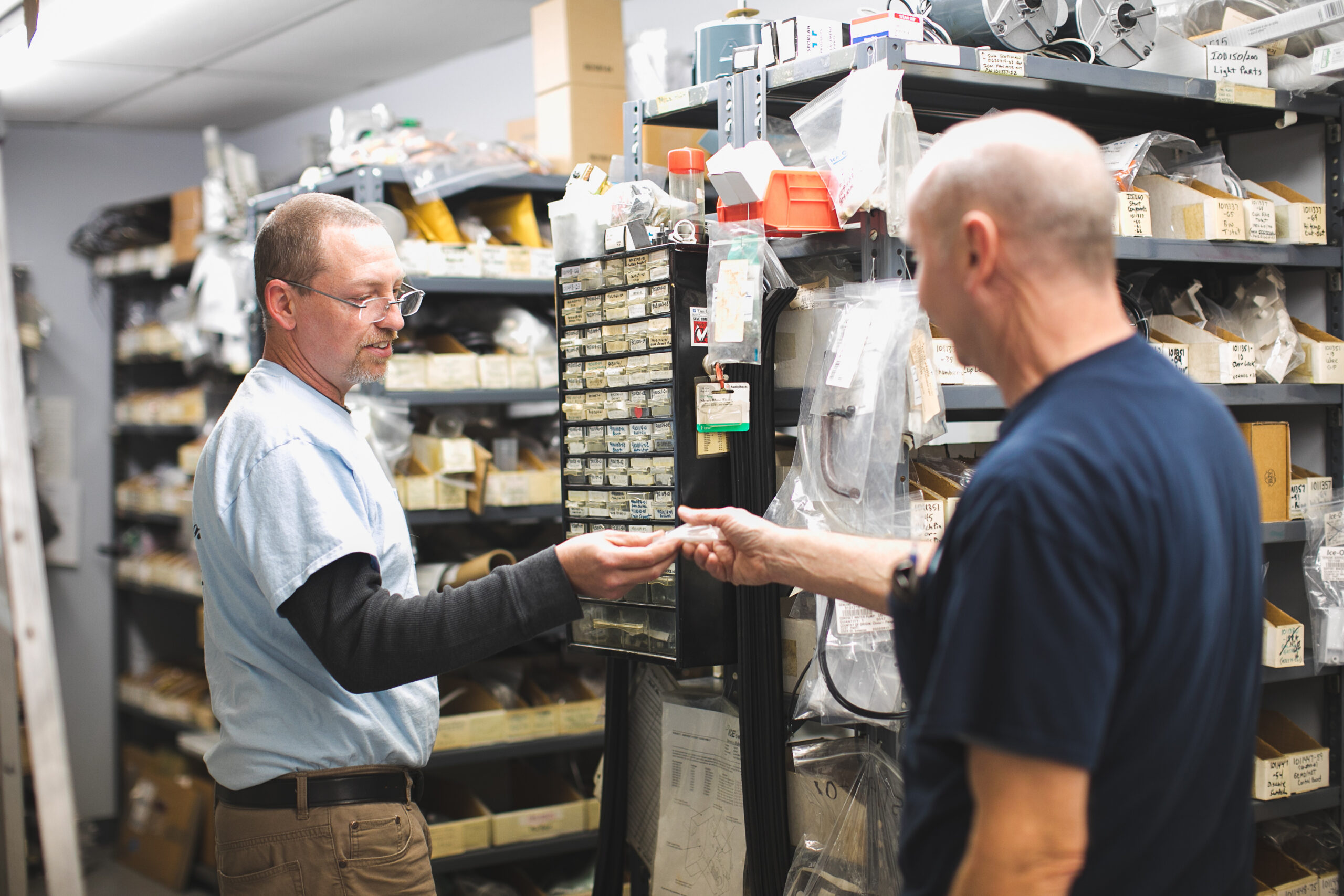
This one does not show up on a spec sheet, but it might be the most important factor of all. Even the best ice machines need service from time to time, and when your machine goes down, you need a partner who can respond quickly and get you back up and running.
Before you commit to any machine or vendor, ask about their service response time, their process, what is included in their service agreements, and whether they carry parts for the brands they sell. A great machine paired with a great service partner is a combination that will serve your business well for years to come.
Ready to Find Your Perfect Match?
At Memphis Ice, we have been matching Mid-South businesses with the right ice machines since 1977. We sell, rent, and service commercial ice equipment, and we take pride in being the kind of partner our customers can count on for the long haul.
Give us a call at 901-235-3760 or reach out online to talk through your options. We are always happy to help.
This is part of our Ice 101 series. Check out the other posts in the series below!
Ice 101: What Kind of Ice Does Your Business Actually Need?
Ice 101: Rent vs. Buy: How to Choose the Right Option For Your Business
Ice 101: How to Read an Ice Machine Spec Sheet Without Losing Your Mind