proudly serving
the mid-south
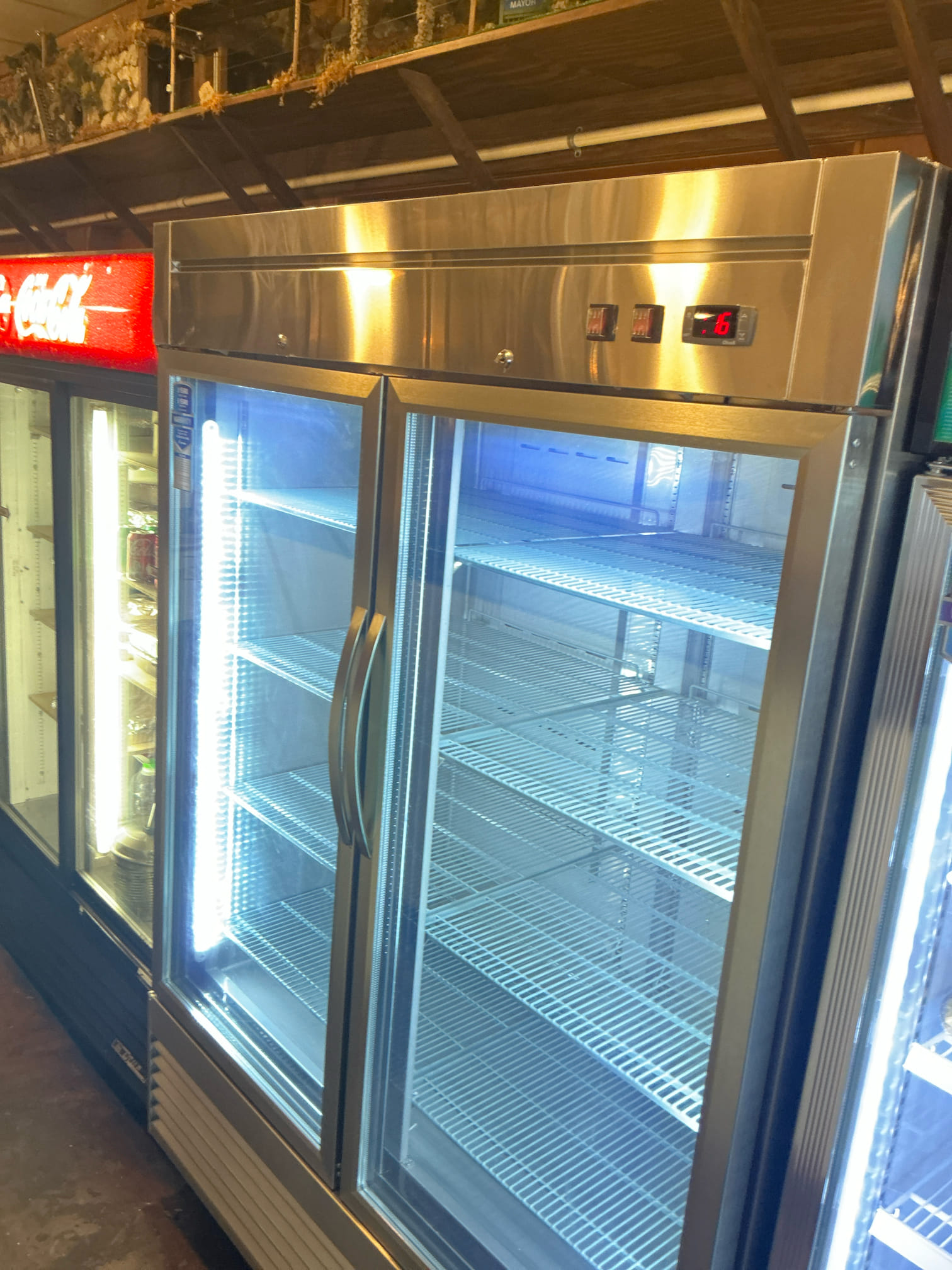
Seasonal Refrigeration Maintenance Checklist for Smooth and Efficient Cooling
Keeping your commercial refrigeration running smoothly through seasonal changes is key to avoiding unexpected breakdowns and costly repairs. A seasonal refrigeration maintenance checklist helps you stay on top of cleaning, inspections, and repairs that keep your equipment efficient and reliable all year long.
This kind of care is especially important in the Mid-South, where Memphis Ice has been helping businesses stay cool since 1977. Your refrigeration units work hard to protect food, manage inventory, and support your daily operations.
Regular maintenance means fewer surprises and longer equipment life. Whether you have a walk-in cooler or an ice machine rental, a clear checklist can guide you through essential tasks like checking temperatures, cleaning coils, and inspecting seals.
At Memphis Ice, we know that your time is valuable and that keeping your ice machines and refrigeration systems reliable is critical. By preparing your equipment for seasonal shifts now, you save money and reduce stress when the heat or cold really hits.
Understanding Seasonal Refrigeration Maintenance
Your refrigeration system faces different challenges each season. Paying attention to these changes helps you avoid breakdowns and keeps your equipment running efficiently all year.
Knowing what to look for and when to act makes maintenance easier and more effective.
Why Seasonal Maintenance Matters
Refrigeration systems work harder during hot months and face different demands in cooler seasons. In summer, higher temperatures make your ice machines and coolers work overtime to keep products cold.
This extra load can strain components like compressors and fans. In winter, parts can freeze or become less efficient.
Regular seasonal checks catch early signs of damage or wear caused by weather changes before they grow into costly problems.
Risks of Neglecting Regular Checks
Ignoring seasonal maintenance can lead to costly repairs. Dirt and dust buildup, worn-out seals, or low refrigerant levels become bigger issues without timely attention.
These problems cause your refrigeration to lose efficiency, drive up energy bills, or even cause breakdowns. Failing to spot freezing issues in cold months sometimes results in thaw damage.
Overheating in summer can wear out key parts much faster. These risks threaten food safety, particularly in businesses like restaurants or hospitals where refrigeration is critical.
For peace of mind, regular maintenance protects your investment.
Key Components Affected by Seasons
Different parts of your refrigeration equipment react to seasonal changes in unique ways. Here are a few main areas to watch:
- Compressor: Works harder in heat, can overheat if airflow is blocked.
- Condenser coils: Collect dust and grime, reducing cooling efficiency, especially in dusty summer months.
- Evaporator coils: Can frost or ice up during winter, slowing down airflow.
- Door seals: Cold or heat can make seals crack, letting warm air in and cold air out.
- Thermostats: May need recalibrating as ambient temperatures change to keep settings accurate.
Memphis Ice suggests checking these components seasonally to keep your system at peak performance. This regular care reduces emergency repairs and keeps your operation running without interruptions.
Pre-Season Preparation Checklist
Before the busy season starts, it’s important to make sure your refrigeration system is in good shape. You need to focus on parts that affect how well your unit keeps things cold and how much energy it uses.
Taking care of seals, coils, and the thermostat will prevent breakdowns and keep your operation running smoothly.
Inspecting Seals and Gaskets
Seals and gaskets keep the cold air inside your refrigeration unit. Check them carefully for cracks, tears, or any signs of wear.
Damaged seals cause cold air to escape, making your system work harder and increasing energy costs. Use a simple paper test: close the door on a piece of paper and try to pull it out.
If it slides out easily, the seal needs replacing. Also, clean the seals with warm water and mild soap to remove dirt that can stop them from closing properly.
If you spot damage or feel unsure, call Memphis Ice to get the right parts and expert help.
Cleaning Condenser and Evaporator Coils
Dirty coils reduce your unit’s ability to cool. The condenser coil releases heat outside, while the evaporator coil absorbs heat inside.
When coils are covered in dust or grime, your unit works harder, which shortens its lifespan. Use a soft brush or vacuum to remove dirt and debris from the coils.
For stubborn buildup, a coil cleaner made for refrigeration units is best. Make sure power is off before cleaning to avoid injury or damage.
Schedule this cleaning as part of your yearly maintenance.
Checking Thermostat Calibration
An inaccurate thermostat can cause your refrigeration unit to run too cold or not cold enough. This wastes energy or risks spoiling your products.
Use a reliable thermometer to check the temperature inside the unit. If the temperatures don’t match what’s set on the thermostat, recalibrate it.
Some thermostats have easy-to-adjust screws or buttons. If you’re unsure how, Memphis Ice offers service to ensure your thermostat runs perfectly.
Regular thermostat checks keep your system running efficiently and protect your inventory from temperature swings.
Cold Season Maintenance Tasks
During colder months, your refrigeration system faces unique challenges that demand close attention. Proper adjustments and monitoring ensure your equipment stays efficient and prevents costly breakdowns when temperatures drop.
Adjusting Temperature Settings
In cold weather, your refrigeration’s temperature controls may need tweaking. Lower ambient temperatures can cause your system to run less frequently, which might lead to temperature swings inside your unit.
To avoid this, slightly raise the thermostat setting so the compressor cycles regularly. This helps maintain a consistent cold environment and prevents frost buildup on evaporator coils.
Check your temperature settings weekly to make sure your unit stays in the recommended range—usually between 35°F and 38°F for most commercial coolers. Remember, if the temperature is too low, you risk freezing products.
Too high, and food safety is at stake.
Monitoring Defrost Cycles
Defrost cycles are critical in cold seasons because ice can build up on your cooling coils. If ice isn’t removed regularly, airflow is blocked and your refrigeration must work harder.
Watch how often your system initiates defrost. Most units have an automatic cycle, but cold weather can cause irregular or longer defrost periods, which may indicate sensor or control issues.
Keep the outdoor condenser unit clear of snow and ice. This supports proper airflow and allows your defrost system to work effectively.
Record any unusual defrost patterns and reach out to Memphis Ice if you see ice buildup lasting longer than normal.
Warm Season Maintenance Tasks
During the warm months, your refrigeration system works harder to keep everything chill. You need to focus on keeping air flowing freely around your units and making sure refrigerant levels are right to avoid strain and avoid breakdowns.
Clearing Airflow Around Units
Clear airflow is crucial for your refrigeration equipment to work well in hot weather. Make sure nothing blocks the outdoor unit—in particular, check for leaves, trash, or stacked items nearby.
These blockages can trap heat and reduce cooling efficiency. Aim to keep at least 2 feet of space around the unit free from any debris.
You can use a soft brush or vacuum to clean the fins gently. Avoid bending the fins because that can reduce airflow.
If your unit is near bushes or plants, trim them regularly to keep airflow open. Good airflow means your system doesn’t have to work as hard.
This saves energy and helps prevent costly repairs.
Inspecting Refrigerant Levels
Refrigerant plays a key role in keeping your equipment cool. If levels are too low, your system won’t cool properly and may freeze up or overheat.
If levels are too high, it can cause extra wear on components. You can’t check refrigerant yourself because it requires special tools and expertise.
Have a professional from Memphis Ice check and adjust levels during your warm season tune-up. Signs of low refrigerant include weak cooling, longer run times, or ice buildup on coils.
If you notice these, call for service right away.
Safety and Compliance Considerations
Keeping your commercial refrigeration safe and compliant means focusing on the parts that most affect performance and health standards. Checking electrical connections and drainage systems regularly helps avoid hazards and keeps your equipment running smoothly.
Reviewing Electrical Connections
Start by unplugging the unit before inspection to avoid shocks. Look for any loose wires, frayed cords, or signs of wear near your refrigeration’s power source.
Damaged electrical parts can cause shorts or fires, so replace anything that looks unsafe right away. Check that all plugs fit securely into outlets and aren’t overheating.
You should also verify that circuit breakers dedicated to your refrigeration are in good condition and not tripping unexpectedly. If you spot corrosion or burnt smells near connections, call a professional.
Proper grounding is essential to protect your equipment and your staff.
Ensuring Proper Drainage
Your refrigeration system’s drainage must be clear and working well. Blocked drains cause water buildup, which can lead to leaks or mold growth.
Inspect drain pans and lines for debris or ice dams, especially after seasonal temperature shifts. Make sure drain holes are open and water flows smoothly away from equipment.
If your cooler or freezer uses condensate pumps, test them monthly to confirm they activate and move water properly. Poor drainage can also create slippery floors—an obvious safety risk—and harm electrical parts if water pools near wiring.
Keeping this part of your system clean helps you meet health codes and avoid costly repairs.
Scheduling and Record-Keeping
Keeping your seasonal refrigeration maintenance on track helps avoid surprises and keeps your equipment running smoothly. Staying organized with reminders and clear records saves time and money in the long run.
Setting Up Maintenance Reminders
Set up regular reminders for all your refrigeration tasks. Use a calendar app, dedicated maintenance software, or even a simple checklist you can review often.
Mark key tasks like checking refrigerant levels, cleaning condenser coils, and inspecting electrical components. You should schedule reminders by the frequency each task needs: daily, monthly, quarterly, or annually.
For example, daily checks might include temperature monitoring, while a quarterly reminder could prompt you to clean ice makers or lubricate motors. Adjust reminders based on your equipment’s specific needs and usage.
If you use smartphone alerts or email notifications, you won’t miss urgent repairs before the busy season.
Tracking Completed Maintenance
Keep a clear, simple record of every maintenance task you complete. Use a logbook, spreadsheet, or digital tool to note dates, performed tasks, and any issues found.
This record helps spot patterns and plan future service. Include details like who performed the work and any parts replaced.
This info helps your technician diagnose problems fast if something goes wrong later. You can also use the log to track manufacturer-recommended service intervals and warranty requirements.
Tracking maintenance this way reduces downtime and protects your investment.
Professional Maintenance vs. DIY
When it comes to seasonal refrigeration maintenance, you have two main options: doing it yourself or hiring a pro like Memphis Ice. DIY maintenance works well for simple tasks, such as cleaning coils, wiping down surfaces, and checking door seals.
These small steps can help prevent common issues and keep your system running smoothly. However, some tasks need professional skills and tools.
For example, checking refrigerant levels, testing electrical components, and performing deep diagnostics require specialized knowledge. These are important to avoid bigger problems that could lead to expensive repairs or even system failure.
Here’s a quick look at what you can handle and what’s best left to professionals:
| DIY Tasks | Professional Tasks |
|---|---|
| Cleaning condenser coils | Refrigerant recharge and leaks |
| Replacing filters | Electrical system inspections |
| Checking door gaskets | Advanced diagnostics |
| Clearing vents and drains | Component repairs or replacements |
Doing some routine checks yourself saves money and keeps you informed. Trusting professionals like Memphis Ice ensures your refrigeration stays in peak condition year-round.
With nearly 50 years in the Mid-South, they know what it takes to protect your business equipment reliably. Your refrigeration is key to keeping your products fresh and your customers happy.
Let skilled technicians handle the tough stuff while you focus on what you do best.
Long-Term Benefits of Seasonal Care
Taking care of your refrigeration system with regular seasonal maintenance helps you avoid costly breakdowns. Small problems caught early mean less downtime and fewer emergency repairs.
Regular upkeep boosts your equipment’s efficiency. When your system runs well, it uses less energy, which lowers your utility bills.
This is important for any business, especially in the Mid-South heat where cooling is constant. Seasonal maintenance also extends the lifespan of your machines.
You get more years out of your commercial ice machine or walk-in cooler by preventing wear and tear. That means you won’t face surprise replacements too often.
Here’s what seasonal maintenance typically covers:
| Task | Benefit |
|---|---|
| Clean coils and filters | Improves airflow and cooling |
| Check refrigerant levels | Prevents system strain |
| Inspect electrical parts | Avoids unplanned outages |
| Test temperature controls | Keeps storage conditions safe |
Your ice machine and refrigeration systems need this kind of care to perform their best all year. Scheduling routine service with trusted Memphis refrigeration experts means you’re ready for any season.
Talk to an expert today to keep your equipment reliable and your business cool.
Frequently Asked Questions
Keeping your refrigeration and HVAC systems in good shape means knowing what actions to take each season, how often to check your equipment, and what to look for during inspections. These simple but important steps help avoid breakdowns and keep your business running smoothly.
What steps should I take to prepare my HVAC system for a new season?
Start by changing or cleaning air filters. Check and clean the coils and drains.
Inspect ductwork for leaks or damage. Lastly, test the thermostat settings to match the season’s needs.
Can you provide a basic checklist for seasonal commercial refrigeration upkeep?
Clean condenser coils and evaporators. Check door seals for tight closure.
Inspect fans and motors to ensure they run smoothly. Monitor refrigerant levels and look for ice buildup inside your unit.
What’s involved in maintaining a residential HVAC system each season?
Replace air filters regularly, ideally every spring and fall. Clear debris from vents and outdoor units.
Schedule a professional tune-up to clean parts, check airflow, and verify electrical components are working safely.
Where can I find a downloadable guide for HVAC maintenance tasks throughout the year?
Many local HVAC providers offer seasonal checklists online. You can also request a free maintenance guide from Memphis Ice.
This guide covers key tasks to perform each season, helping you plan ahead.
How often should I perform seasonal maintenance on my refrigeration equipment?
At minimum, perform maintenance every three months. For busy locations or heavy use, more frequent check-ups every 4 to 6 weeks are better.
Regular care prevents costly repairs and keeps your equipment efficient.
What are some essential items to include on a seasonal HVAC system inspection?
Look for worn belts and change filters. Test thermostat accuracy.
Clean coils and check drain lines. Inspect electrical connections and check refrigerant levels to avoid leaks.
Verify airflow and unit performance under load.