proudly serving
the mid-south


Steps to Keep Food Storage Safe During a Power Outage Friendly Tips for Your Home
Power outages can hit out of nowhere, and suddenly your food storage is at risk. The key to keeping your food safe during a power outage is to keep things cold as long as you can and avoid opening fridge or freezer doors unless you absolutely have to. Just keeping those doors shut can really help slow down temperature changes and stretch the life of your perishables.
It helps to have a plan before the lights go out—know how long your walk-in cooler or freezer holds the cold and where you’d turn for emergency refrigeration if things drag on. At Memphis Ice, we’ve seen firsthand that a little preparation goes a long way in protecting your inventory and dodging costly spoilage.
This guide isn’t rocket science, but it’ll walk you through some practical, real-world steps to keep your food safe and your refrigeration equipment in decent shape until the power’s back.
Understanding Food Safety During Power Outages
Food safety during an outage mostly comes down to keeping things cold and knowing when food’s gone bad. You’ve got to keep an eye on how long your fridge or freezer is without power and watch for any signs of spoilage. Holding the right temperature slows bacteria down and lowers your chances of foodborne illness.
How Power Outages Impact Food Storage
When the power cuts out, your fridge and freezer stop cooling. Without cold air moving around, things start warming up, and food can spoil. The longer it lasts, the riskier it gets.
A full freezer holds the cold longer than an empty one. If you keep your freezer packed, it’ll stay cold for about 48 hours; half-full, you’re looking at around 24 hours. In the fridge, food’s only safe for about four hours if you keep the door shut.
Every time you open that door, warm air rushes in and speeds up spoilage. It’s tempting to check, but try to leave things alone as much as you can.
Recognizing Food Spoilage Risks
Spoiled food can look, smell, or taste off, but sometimes you won’t notice anything wrong. Honestly, the most reliable measure is how long food’s been above 40°F (4°C).
Dairy, meat, seafood, and leftovers tend to spoil fast. Toss anything that’s been above 40°F for more than two hours. Frozen food with ice crystals is usually safe to refreeze—unless it smells weird or feels slimy.
It’s smart to jot down how long items have been unrefrigerated. When you’re unsure, just toss it. Better to lose a little food than deal with food poisoning.
The Importance of Temperature Control
To slow bacteria, keep food between 34°F and 38°F (1°C to 3°C). Freezers should stay at or below 0°F (-18°C).
After an outage, use a thermometer to check temps. If your fridge is above 40°F, try adding ice or running a generator if you’ve got one.
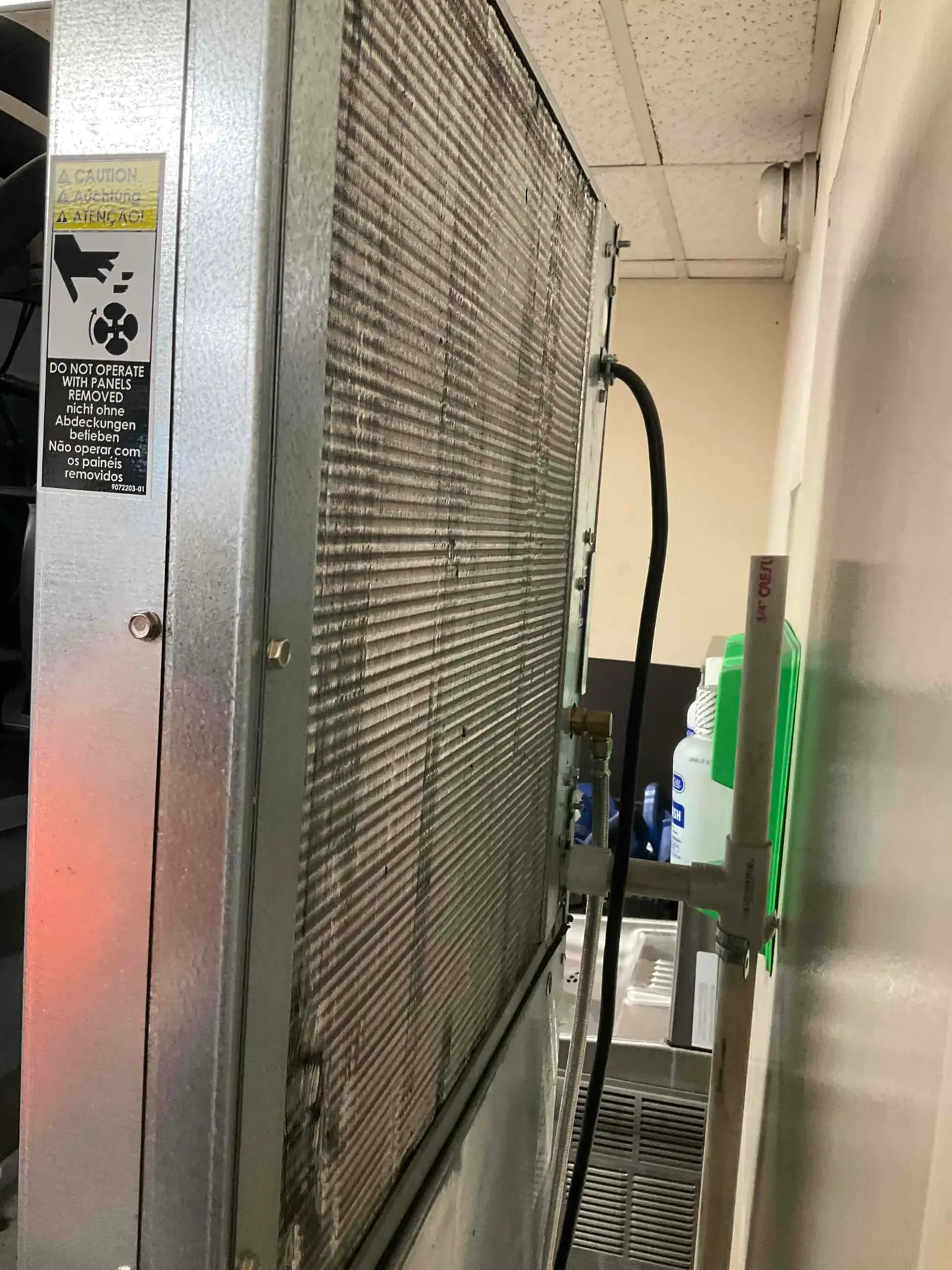
Regular maintenance helps too. Memphis Ice folks recommend cleaning condenser coils and checking door seals—those little things really keep your equipment running better. Well-maintained gear means fewer headaches and safer food.
If outages are a regular thing for you, Memphis Ice has been around since 1977—ask about ice machine rental or walk-in cooler repairs to stay ready.
Essential Steps to Maintain Safe Food Storage
Keeping food safe during a power outage takes a bit of planning and some quick thinking. You’ll need to keep things cold, limit how much warm air gets in, and use any extra cooling tricks you’ve got. Do it right, and you’ll save a lot of food (and stress).
Keep Refrigerator and Freezer Doors Closed
Once the power’s out, every time you open the fridge or freezer, you let out cold air and let in heat. Keep those doors closed as much as you possibly can. A packed freezer can keep things safe for about 48 hours if you leave it alone; half-full, more like 24.
Stick a note on the door to remind everyone not to open it. If you do need something, plan ahead so you’re in and out fast. Don’t lean on the doors or leave them cracked open—sounds obvious, but it happens.
Monitor Internal Appliance Temperatures
You can’t just guess the temperature inside your fridge or freezer. Keep a thermometer in each one so you know what’s going on during an outage. You want 40°F or below in the fridge, 0°F or below in the freezer.
Check temps quickly—don’t linger with the door open. If temps go over 40°F for more than two hours, you might have to toss some things. Make a note of readings and times to help you sort out what’s still good.
Use Ice or Ice Packs to Extend Cooling
Bags of ice or ice packs can buy you more time. Throw some in the fridge to keep things cool, especially if the outage drags on. Stack ice packs around food for extra cold.
Make sure your ice bins and coolers are clean—nobody wants dirty ice near their food. Memphis Ice has been reminding folks about clean ice storage since the ‘70s. Clean, fresh ice does the job without adding bacteria or weird smells.
Group Foods to Retain Cold Temperatures
Pushing foods together helps them stay cold longer. Cold stuff keeps other cold stuff chilled better than if you spread everything out. Pack things tightly so air doesn’t move around too much.
Put the stuff that spoils fastest near the coldest spots—usually the back of the fridge or bottom of the freezer. If you can, move foods to a cooler with ice for extra protection. Grouping things buys you time before anything goes bad.
Safe Handling Practices for Perishable Foods
Keeping your perishable foods safe when the power’s out means acting fast and being careful. You’ll need to sort out anything that’s spoiled, keep fridge and freezer doors closed, and separate raw from ready-to-eat foods. These steps cut down the risk of getting sick and help you waste less.
Identify and Remove Spoiled Items
Right after the power’s out, check perishable foods for bad smells, weird colors, or slimy textures. If something seems off, just pitch it—don’t take chances.
Use a food thermometer for anything you’re not sure about. Remember: if dairy, meat, poultry, fish, or leftovers have been above 40°F for more than two hours, toss them.
Getting rid of spoiled stuff early helps you keep the good stuff longer. Plus, it keeps your fridge less cluttered, so you can actually see what’s still safe.
Minimize Opening the Fridge and Freezer
Every time you open the fridge or freezer, you let out cold and let in heat—it’s a fast track to spoilage. Open them only when you really need to.
Try to grab everything you need at once. Keep doors closed as much as you can. If you must get in, be quick about it.
A full freezer stays cold longer than a half-empty one. If yours isn’t full, toss in some ice packs or bags of ice from Memphis Ice to help.
Separate Raw and Ready-to-Eat Foods
Cross-contamination is a big risk when the power’s out and food safety is shaky. Always keep raw meat, poultry, and seafood away from things like salads, cooked foods, and dairy.
Use separate containers or wrap raw foods well so juices don’t drip. Keep ready-to-eat stuff above raw foods on the shelves—especially if condensation or melting ice is in play. This simple step can make a real difference.
Evaluating Food Safety After Power Restoration
When the power’s back, you’ve got to check your food carefully. Look at temperatures, check for spoilage, and decide what you can refreeze. These steps help you hang on to what’s safe and avoid getting sick.
Check Food Temperatures
Grab a food thermometer if you’ve got one and check your refrigerated and frozen foods.
- Refrigerated food needs to be at 40°F (4°C) or below.
- Frozen food should still be solid or at 0°F (-18°C).
If refrigerated food’s been above 40°F for over two hours, it’s probably not safe. For frozen foods, if you see ice crystals or it’s still firm, you’re likely okay. Anything thawed, mushy, or above 40°F should go.
Write down what you find—it’ll help you decide what to keep or toss. When in doubt, play it safe.
Inspect Food for Signs of Spoilage
Check for changes in color, smell, or texture. Signs of spoilage include:
- Bad or sour smells
- Slimy or sticky surfaces
- Discoloration or mold
If something smells or feels off, don’t risk it. Damaged packaging—like leaks or bulges, especially in cans—also means it’s time to toss.
Some bacteria don’t change how food looks or smells, so if you’re unsure, just don’t eat it.
Guidelines for Refreezing Food
You can refreeze food if it still has ice crystals or is at 40°F or below. If food’s thawed and warmed up, bacteria can grow.
- Safe to refreeze: Items that are still partially frozen or cold.
- Don’t refreeze: Anything above 40°F for more than two hours, even if it looks fine.
Refreezing might mess with texture or taste, but it keeps food safe. Still not sure? Reach out to experts like Memphis Ice—they’ve been in the business since ‘77 and can help you figure it out.
Emergency Supplies and Tools for Food Safety
When the power’s out, the right tools and supplies make a big difference. Tracking temps, having shelf-stable food, and finding ways to keep things cool all help keep your food from going bad.
Thermometers for Monitoring Temperatures
A good thermometer is a must. It lets you know if your fridge or freezer is still in the safe zone. Digital or dial—just make sure it’s made for coolers or fridges.
Keep a thermometer in your fridge or freezer at all times. The USDA says food is safe if the fridge stays at or below 40°F, and freezers at 0°F or lower.
If the power’s out for a while, check temps often. If the fridge goes above 40°F for more than two hours, perishable food could spoil. Knowing the real temperature helps you decide what to keep.
Stocking Non-Perishable Food Items
Keep foods on hand that don’t need refrigeration—canned goods, pasta, rice, nuts, dried fruit. Go for stuff your family actually likes and that’s easy to fix without power. Don’t forget a manual can opener!
Rotate your stash now and then so you use up older stuff first. Label containers with dates so you don’t end up with a cupboard full of expired cans. It’s not glamorous, but it’ll keep you fed.
Coolers and Alternative Storage Options
Coolers are lifesavers during outages. Use insulated coolers with lots of ice or ice packs to keep food cold.
Try to keep extra ice packs in the freezer just in case. If you’re facing a long outage, move your most perishable stuff to the cooler.
If you’ve got a commercial ice machine or Memphis Ice refrigeration, see if you can rent equipment or get emergency service to keep things running. Alternative storage can save you a lot of money and hassle until the power’s back.
Preventative Measures for Future Power Outages
You can cut down on food loss and stress with a little planning. Knowing what to do, having supplies ready, and keeping your food inventory up to date really helps when the lights go out.
Creating a Power Outage Food Safety Plan
Jot down the main steps you’ll need to keep your food safe if the power goes out. Assign someone—anyone reliable—to keep an eye on your walk-in coolers and freezers. Keep a thermometer handy and actually use it to check temps, not just once, but as often as you remember.
Decide how long you’ll trust your food to stay safe without electricity. Unopened fridges? You’ve got maybe 4 hours, but only if you’re disciplined about not opening the door. Freezers do better—up to 48 hours if you leave them alone and they’re packed full.
Think about backup power. Generators, battery packs—whatever works for your setup. Just make sure you know how to run them without risking your safety. And don’t just make a plan; talk it through with your team at least once a year. Nobody needs to be guessing when the lights go out.
Preparing Emergency Kits
Pull together a kit with basics for blackout situations. Toss in:
- Flashlights (more than one) and extra batteries
- Non-electric coolers or ice packs
- Fridge and freezer thermometers
- Shelf-stable, non-perishable foods
- Plastic wrap, trash bags, markers for labeling stuff
Keep this kit somewhere obvious, not buried in a closet. When the power cuts out, you won’t want to dig for supplies. Acting fast really does help save food and cut down on chaos.
Got a commercial ice machine, maybe from Memphis Ice? Stash a few extra bags of ice in your kit. Ice buys you time—simple as that. It keeps food colder and stretches out those safe windows.
Regularly Reviewing and Updating Food Supplies
Check your food storage now and then to make sure nothing’s expired. Use up older stuff first—no one likes tossing out forgotten food, and it keeps your stock fresher.
Write down what’s actually in your fridges and freezers, or keep a digital list if that’s your thing. Update it every so often. When the power fails, knowing what you have makes decisions easier—what to save, what to use up fast.
Don’t ignore your fridge and freezer maintenance. Set up regular check-ins with your Memphis refrigeration experts. It’s one of those things that feels boring until you’re in a pinch and really wish you’d done it.
Frequently Asked Questions
Keeping food safe in a blackout isn’t rocket science, but you do need to know how long things last and what you can do to stretch that time. Quick checks and a little common sense go a long way toward avoiding waste and staying healthy.
How long can milk stay safe in the fridge during a power outage?
Milk’s good for about 4 hours if you keep the fridge door shut. After that, the odds of spoilage go up. Always sniff and check the texture before using it.
What are the guidelines for discarding food from the freezer after a power outage?
If your freezer still feels cold and there are ice crystals on the food, you’re probably safe. But if things warm up past 40°F for more than 2 hours, toss out perishable stuff like meat, dairy, and leftovers. Not worth the risk.
Can using ice extend the cooling period of my fridge when the power is out?
Absolutely—bags of ice or ice packs help keep things cold longer. Spread them around, try not to open the fridge, and you’ll get a few extra hours.
For how many hours will my refrigerator effectively preserve food without electricity?
You’ll get about 4 hours if you leave the fridge closed. Freezers last longer—24 to 48 hours, depending on how full they are and how often you peek inside.
Are eggs at risk of going bad during a power outage, and how can I tell?
Eggs can hang in there for 4 to 6 hours in a powerless fridge, as long as they stay cool. If they feel warm or smell off after the outage, just toss them. Better safe than sorry.
What steps can I take to ensure food safety when my power is out for an extended period?
Keep your fridge and freezer doors shut as much as you can. Grab some ice from a reliable source like Memphis Ice to help keep things cold. If the power’s out for more than four hours, think about moving your food into a cooler packed with ice.
Honestly, nobody wants to throw out a fridge full of groceries. Having a plan—and maybe a little help from places like Memphis Ice—can really save the day.
Recent News
Steps to Reduce Energy Costs with Efficient Refrigeration Units for a Greener Home
Event Refrigeration Rental Services Made Easy for Your Next Celebration
Energy Rebates for Refrigeration Equipment Made Easy and Affordable
Tips for Avoiding Cross-Contamination in Ice Storage

Planning Ahead: Why February Is Smart Timing for Ice Machine Upgrades or Rentals

Introducing Financing Through APPROVE: Flexible Payment Options Now Available