proudly serving
the mid-south

Steps to Ensure Consistent Refrigeration Across Multiple Units for Smooth and Efficient Cooling
Keeping your refrigeration units running consistently is crucial for protecting your products and avoiding costly downtime. Whether you’ve got several walk-in coolers, reach-in fridges, or ice machines, regular maintenance and careful monitoring are the keys to making sure each unit stays at the right temperature. That’s how you stay ahead of issues before they disrupt your business.
It’s not just about flipping a switch and hoping for the best. You’ll need a routine—cleaning, checking seals, and making sure each system’s settings actually match what you need. At Memphis Ice, we’ve worked with plenty of local businesses to create maintenance plans that keep refrigeration reliable all year.
Managing several units doesn’t have to be a headache. With a few key steps, you’ll keep your equipment humming along and avoid those nasty surprises, so you can get back to running your business without second-guessing your cold storage.
Understanding Refrigeration Consistency
Keeping refrigeration units consistent means you’ve got to know what affects their temperatures and why steady cooling matters. Spotting common issues and seeing how they impact your products can help you sidestep bigger headaches with food safety and quality.
The Importance of Maintaining Consistent Temperatures
Consistent temperatures keep your refrigeration units holding food and other products at the right cold levels. If temperatures bounce around, shelf life drops and product quality can take a hit.
Your coolers, freezers, or ice machines work best when they’re steady. This helps prevent spoilage and keeps your business running without those sudden, expensive losses.
A well-maintained system lowers your risk of temperature swings. Regular checks and maintenance keep each unit stable and reliable, so you can focus on your daily operations, not the inside of your coolers.
Common Causes of Inconsistent Refrigeration
Lots of things can throw off temperatures across multiple units. Door seals that don’t close right, tired compressors, blocked airflow, or dirty condenser coils often cause trouble.
If you skip maintenance, dust or frost can build up and slow cooling. Overstuffing shelves or tossing in warm items leads to temperature swings, too.
With a bunch of units, different ages and models can make each one cool a little differently. Regular checks help you spot leaks, blockages, or low refrigerant before they get out of hand.
Impacts on Food Safety and Product Quality
When refrigeration doesn’t stay consistent, food safety goes out the window. Bacteria love warm spots, and if temps creep above safe limits, you risk spoilage or worse.
Quality takes a hit, too. Ice machines or coolers with temperature swings can leave you with frost buildup, limp produce, or dried-out meats. No one wants that—customers notice, and your reputation’s on the line.
Keeping things steady protects your investment and your customers. Scheduled maintenance and temperature monitoring help you catch problems early, so you meet safety rules and keep quality high.
Evaluating Refrigeration Units and Equipment
To keep things consistent across all your units, you’ll want to check performance, decide if standardizing helps, and nail down what maintenance each one needs. It’s not glamorous, but it beats scrambling to fix things after a breakdown.
Assessing Equipment Performance
Start by measuring how well each unit holds its temperature. Grab a thermometer and check for cold spots or areas that run too warm. Keep an eye on energy use—high power bills can mean something’s off.
Jot down data like temperature swings, how often the unit cycles, and any weird noises. Do this regularly and you’ll catch failing parts before they cause chaos. Check compressors, fans, and door seals for any signs of trouble.
If you notice wide temperature swings or your energy bills spike, it’s probably time for a service call.
Standardizing Unit Types and Brands
Using the same brands and models for your refrigeration units just makes life easier. When you standardize, swapping parts and making repairs is faster, and your team won’t have to learn a dozen different systems.
Standard units help you keep temperature control simple across all locations. Planning maintenance and training gets easier, too.
Keep track of what you have and, when it’s time to replace something, consider switching to a common type. It might take a while, but it’ll save money and headaches, especially if you run a busy kitchen or healthcare facility.
Identifying Maintenance Requirements
Every refrigeration unit has its own quirks. Some need monthly filter swaps, others need coil cleaning or refrigerant checks every few months.
Make a checklist for each unit—cleaning fans, checking gaskets, lubricating motors, that kind of thing. Stick to your schedule, and you’ll catch small problems before they turn into expensive repairs.
Service plans from Memphis Ice cover all the bases. Consistent care means your units last longer and don’t surprise you with sudden breakdowns. Regular maintenance is honestly your best shot at steady performance.
Setting Up Temperature Monitoring Systems
If you want consistent refrigeration across multiple units, you’ve got to focus on precise monitoring. That means reliable devices, regular sensor checks, and tools to track temps even when you’re not on site. These steps help you catch problems early and keep products safe.
Selecting Accurate Monitoring Devices
Picking the right temperature monitors is huge. Go for devices with a clear digital display and a temperature range that fits your equipment—especially if you have walk-ins or ice machines. You want accuracy within ±1°F to avoid spoilage.
Devices with alarms are a lifesaver—they’ll alert you if temps drift out of the safe zone. Wired monitors are usually more stable, but wireless ones are easier to install and move around.
Make sure your monitors are built for commercial use and can handle tough conditions. Good monitors save you time and money by taking the guesswork out of the equation.
Calibrating Sensors Regularly
Calibration keeps your sensors honest. Readings can drift over time, and that puts your products at risk. Every 3 to 6 months, check your sensors against a reliable thermometer.
Adjust the sensor to match the standard during calibration. Some devices self-calibrate, but don’t skip manual checks.
Keep a record of each calibration for compliance and troubleshooting. Scheduling this as part of your routine makes things less stressful.
Implementing Remote Temperature Tracking
Remote tracking lets you keep tabs on your refrigeration from anywhere. Connect your monitors to a cloud system and check real-time temps on your phone or computer. Super helpful if you’ve got units spread out.
Set up alerts so you’ll know instantly if a unit’s temp drifts. That way, you can send someone to fix it or make adjustments right away.
Remote tracking cuts down on manual checks and helps prevent downtime. Memphis Ice can help you pick and install the right system for your setup.
Establishing Consistent Operational Procedures
If you want your refrigeration units to run smoothly and evenly, you’ve got to set up clear, repeatable steps for daily use and care. This avoids the little mistakes that lead to uneven cooling. Training your staff well makes sure everyone’s on the same page, every time.
Creating Standard Operating Protocols
Write out simple protocols for using and maintaining each unit. Include:
- What temperature settings to check and tweak
- Cleaning schedules for coils, drains, and doors
- What to do if temperature alarms go off or something breaks
Make these protocols easy to understand and post them where staff can see. Use checklists so employees can tick off tasks as they go. This helps everyone keep units working under the same conditions. Regular cleaning and monitoring also protect your ice machine and coolers, cutting down on breakdowns.
Staff Training for Refrigeration Best Practices
Train your team with hands-on demos. Show them how to check temps, spot trouble signs like frost or odd noises, and explain why these steps matter for safety and equipment life.
Hold refresher sessions, especially before busy times. Encourage staff to report issues early. A well-trained crew means reliable cooling and fewer headaches.
Conducting Routine Maintenance and Inspections
Keeping your refrigeration units in top shape means you can’t slack on regular checks and upkeep. You need a plan for maintenance, thorough cleaning, and a way to track repairs and issues.
Scheduling Preventive Maintenance
Set a regular schedule for preventive maintenance so you catch problems before they get serious. Many places do quarterly or monthly visits from a tech. These visits usually include testing mechanical parts, checking coolant, and inspecting electrical stuff.
Preventive maintenance slashes the chances of sudden breakdowns. Service plans from Memphis Ice are tailored to your needs, so you’re not left scrambling during busy seasons.
Train your staff on quick daily checks like door seals and temperature readings, too. Teamwork keeps everything steady.
Cleaning and Inspecting Critical Components
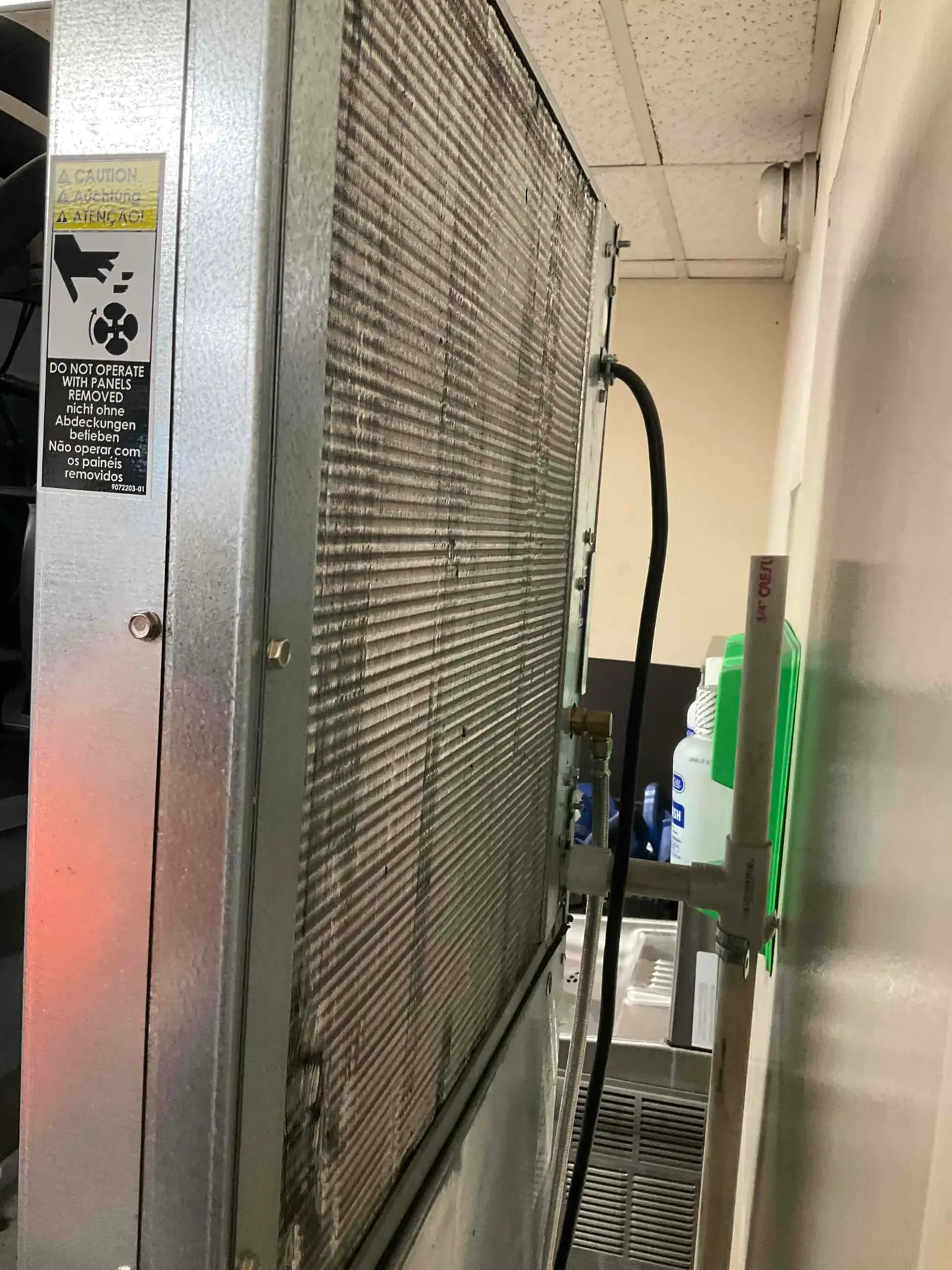
Keep things clean if you want your system to last. Focus on condenser coils, evaporator fans, and water filters. These spots collect dust, mold, and grime that sap efficiency.
Ice bins and water lines deserve extra attention to keep ice safe and fresh. Make sure there’s no mold or buildup that could cause contamination.
A clean unit uses less energy and just works better. Cleaning and visual inspections help you catch worn belts or leaks before they become big problems.
Documenting Repairs and Issues
Keep a log of all maintenance, repairs, and issues. Note dates, what happened, what you did, and any parts you swapped.
This history helps techs spot patterns and predict future repairs. It also helps with warranties and planning.
Use digital tools or just a simple notebook—whatever works for your team. Good records mean less gets missed and service quality goes up.
Implementing Data Logging and Analysis
Tracking and reviewing temperature data across your units gives you a real look at how well your system works. You’ll spot problems early and keep things running steady.
Automating Temperature Records
Automated logging collects temperature data at set intervals, so you don’t have to. Sensors inside each unit send info to a central system or cloud. That means you get accurate, real-time data—no more guesswork.
Set up alerts for temperature changes outside safe limits. If a walk-in cooler creeps above 38°F, you’ll get a text or email so you can act fast.
This system cuts down on manual checks and keeps a digital history, which helps with maintenance and inspections. Memphis Ice makes sure your data logging matches your business needs.
Interpreting Trends and Irregularities
Review your temperature logs weekly or monthly to spot patterns. Look for spikes or slow rises—that could mean a door leak or a compressor on its last legs. Even small, repeated fluctuations might mean seals or gaskets need attention.
Simple charts or tables help you compare units or track changes over time. You might even spot if energy-saving settings are causing unexpected swings during slow hours.
If you keep seeing the same problems, share your logs with your service provider. They’ll fix things faster with clear data.
By digging into your data, you keep cooling consistent, avoid losses, and save on energy. Memphis Ice has helped plenty of local businesses use this approach for reliable refrigeration every day.
Responding to Temperature Deviations
When a refrigeration unit’s temperature drifts from the set range, acting quickly and clearly keeps your products safe and your system dependable. You need steps that help you spot issues early and fix them before they snowball.
Establishing Alert Protocols
Set up clear alerts on all refrigeration units. Digital temperature monitors that ping your phone, email, or text the second temps drift out of the safe zone are a must.
Lay out a straightforward plan for your team when an alert goes off. Spell out who to call, what to check first, and when to jot down what happened.
People need to know these alerts matter. Take time to look over alert logs now and then—sometimes you’ll spot patterns and can tweak equipment or settings to dodge bigger headaches.
At Memphis Ice, we usually suggest setting alert thresholds just a few degrees above or below your ideal temp. It’s a good way to catch issues early without drowning in false alarms.
Troubleshooting Common Problems
If you notice a temperature issue, start simple. Check for blocked vents, dirty coils, or doors left open too often—these cause a surprising number of swings.
Double-check the thermostat. Is it set right? Working at all? Sometimes, a faulty sensor or loose wire throws off the readings.
If those quick checks don’t solve it, you might be looking at refrigerant leaks, compressor trouble, or a fan motor that’s given up. That’s when you really need to call a refrigeration pro for a deep dive.
Keep a log of every temperature deviation and what you did about it. It’s not just for peace of mind—it helps you spot trends and makes repair calls go smoother.
Scaling Consistency Across Multiple Locations
Keeping refrigeration consistent across a bunch of locations? That takes more than luck. You need a plan, solid systems, and people who actually talk to each other.
Centralizing Management Practices
If you want things to run the same everywhere, set up a central system to track how your units are doing. Digital tools help you keep tabs on temperature, maintenance, and repairs at every site. That way, you can jump on problems before they snowball.
Standardize your equipment settings and maintenance routines so you don’t end up with one site running hot and another freezing over. Memphis Ice likes the idea of one master checklist for all locations—it just makes life easier and keeps your gear humming longer.
Train everyone with the same materials and on the same schedule. A shared training plan means your staff all know how to take care of the equipment, no matter where they are.
Coordinating with Regional Teams
Regional teams need to stay in sync. Hold regular check-ins to talk about equipment status and swap advice. It’s amazing what you’ll learn from a quick chat.
Make sure everyone knows who’s in charge of what—routine checks, emergency repairs, ordering parts. When the roles are clear, things just work better.
Memphis Ice always tells folks to stash spare parts nearby and schedule yearly service visits during slower months. It really cuts down on downtime and keeps customers happy, no matter the location.
Reviewing Compliance and Regulatory Standards
Staying compliant with industry standards isn’t just about avoiding fines—it’s about safe food storage and keeping your business running smoothly. You’ve got to know the rules and keep your units ready for surprise inspections.
Meeting Industry Requirements
You need to follow strict temperature and sanitation standards from the FDA or your local health department. These aren’t just hoops to jump through—they’re there to prevent spoilage and contamination. Accurate digital thermometers make it easier to stay on top of things.
Keep records of your temperature checks and maintenance. Most folks use charts or logs and update them daily. Inspectors want to see you’re on top of your cold storage, not just winging it.
Use approved containers and covers to keep moisture in and bacteria out. Stick to a cleaning schedule. Memphis Ice always pushes these little steps—they really do add up when it comes to compliance and safety.
Preparing for Health and Safety Inspections
Inspections can pop up anytime, so don’t get caught off guard. Keep an eye on seals, filters, and electrical systems. Fix stuff early, before it turns into a reason to fail.
Train your team so they know how to read temperature logs and handle basic upkeep. When everyone’s on the same page, you’re less likely to miss something important during an inspection.
Keep your certifications and maintenance records in order—don’t let them get buried. Inspectors want proof that you’re checking and servicing your units regularly. Memphis Ice helps a lot of businesses stay ready with custom maintenance plans that handle the paperwork and the details.
Frequently Asked Questions
If you want your refrigeration units to work evenly, you’ve got to track performance, stick to a regular maintenance routine, and tweak settings as needed. It also helps to arrange items so the cold air actually moves around.
How can I regularly monitor the performance of multiple refrigeration units?
Keep a checklist handy—log temps, check door seals, listen for weird compressor noises every day. Digital loggers can track temps automatically and ping you if something’s off. And honestly? Walking through your units a few times a day helps you catch stuff early.
What are some effective maintenance routines for various refrigeration systems?
Clean condenser coils every month to stop gunk from building up. Swap out door gaskets when they start looking rough. Defrost freezers and clear out drainage lines regularly. Memphis Ice says a professional tune-up twice a year is smart—you’ll catch hidden issues before they turn into big ones.
Could you suggest methods for calibrating thermostats across different refrigerators?
Stick a separate, reliable thermometer inside each unit. Compare its reading to the thermostat. Adjust the thermostat a little at a time, wait a few hours, and check again. Small tweaks get you to the right temp eventually.
What’s the ideal frequency for professional inspections on commercial refrigeration units?
Twice a year is the sweet spot for professional inspections. It helps you avoid major breakdowns and keeps things efficient, especially before and after your busiest seasons. Memphis Ice offers inspections year-round, so you can keep things running smoothly.
Can you share tips for arranging contents in refrigerators to promote uniform cooling?
Don’t cram the shelves—leave space between items so air can flow. Keep stuff away from walls and vents so nothing blocks the cold. Rotate your stock to help air move around, and use the right shelving for each fridge. Little things like that really help with even cooling.
What’s the best approach for troubleshooting common issues in refrigeration units?
First off, check the power connections and make sure the circuit breakers haven’t tripped—sometimes it’s just that simple. Glance at the vents and coils for any frost buildup or anything blocking airflow. Weird noises from the compressor or fans? That’s usually a hint something’s off. If you’re still scratching your head after all that, it might be time to call in a pro who can dig in and figure it out fast.
Recent News
Steps to Keep Food Storage Safe During a Power Outage Friendly Tips for Your Home
Steps to Reduce Energy Costs with Efficient Refrigeration Units for a Greener Home
Event Refrigeration Rental Services Made Easy for Your Next Celebration
Energy Rebates for Refrigeration Equipment Made Easy and Affordable
Tips for Avoiding Cross-Contamination in Ice Storage

Planning Ahead: Why February Is Smart Timing for Ice Machine Upgrades or Rentals