proudly serving
the mid-south

Nugget vs Cube Ice Machines Explained: Which One Is Right for You?
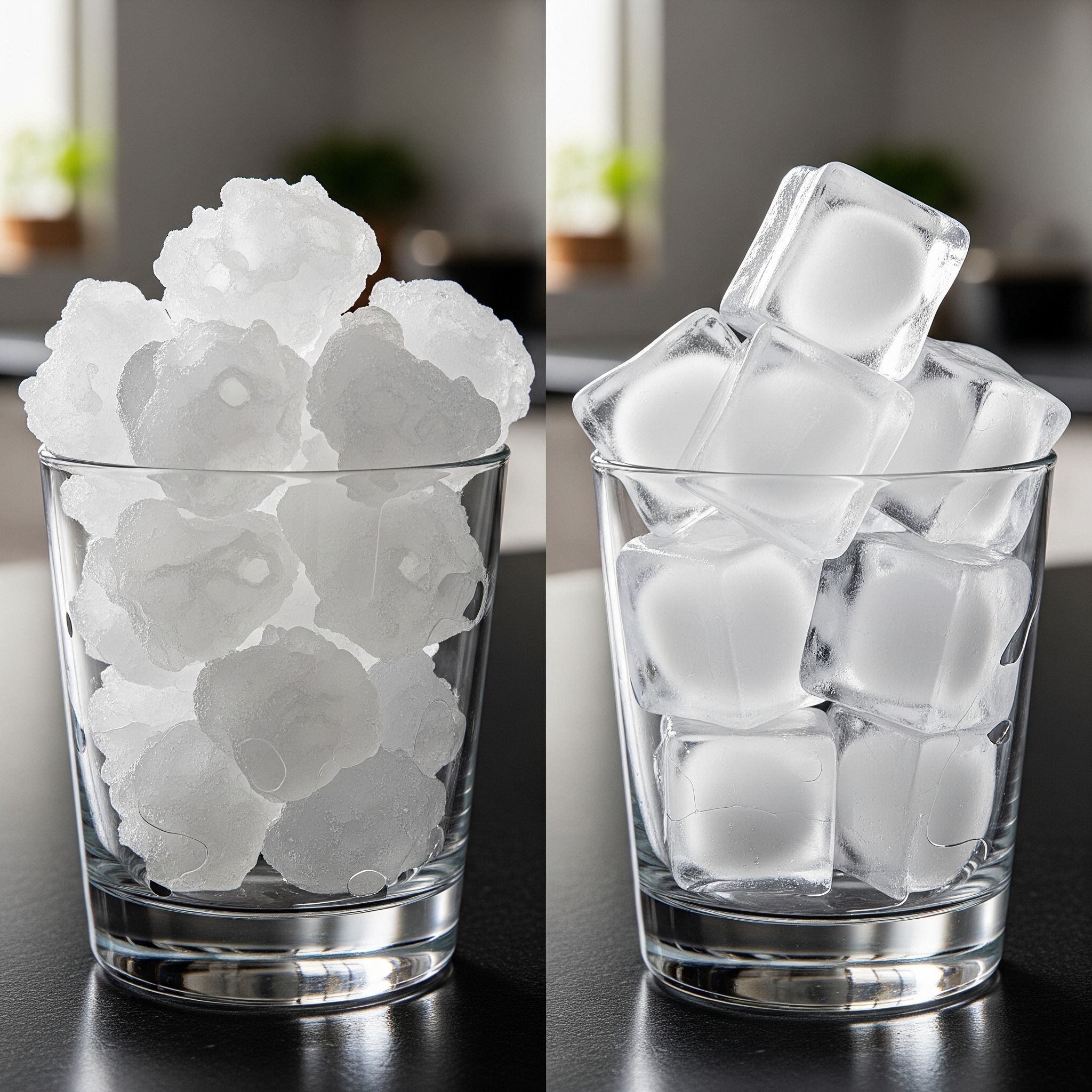
Picking between nugget and cube ice machines really comes down to how you want your ice to work for you. Nugget ice is soft, chewable, and a hit in drinks where you want slower melting, while cube ice is firmer and sticks around longer—perfect for keeping drinks cold without watering them down too fast. Knowing the difference makes it way easier to choose what’s best for your business.
If you’re running a busy restaurant or bar, the ice you serve actually shapes your customers’ experience. Cube ice keeps drinks colder for longer, which works great for cocktails and sodas. Nugget ice, on the other hand, brings a unique texture and shines in healthcare or beverage services where folks like to chew their ice or want something softer.
At Memphis Ice, we’ve been helping Mid-South businesses with ice machine solutions since 1977. Whether you’re after a trusty cube ice machine or curious about nugget ice, we’ll make sure your ice and refrigeration are the last things you need to stress about.
Overview of Nugget and Cube Ice Machines
Nugget and cube ice machines do different jobs, depending on what you need from your ice. Nugget ice is soft and chewable—healthcare and beverage services love it. Cube ice is harder and lasts longer, so it’s a go-to for chilling drinks without a quick melt.
What Are Nugget Ice Machines?
Nugget ice machines make small, soft, chewable pieces—sometimes called pellet or chewable ice. Thanks to their texture, nugget ice is easy to bite and soaks up flavors, which is why you see it in hospitals, bars, and cafes.
These machines compress flake ice into nuggets, so you get ice that’s light and slushy but still holds its shape in a cup or cooler. They’re usually not about pumping out massive amounts of ice, but more about the feel and how easy it is to use.
What Are Cube Ice Machines?
Cube ice machines crank out solid cubes, usually in full-size (about 1-inch) or half-size (around 0.5-inch) options. These cubes are dense and stick around longer in drinks, keeping things cold without melting away and messing with the flavor.
You’ll spot cube ice machines in restaurants, bars, and foodservice spots where chilling drinks is the main goal. Sizes and output vary, but even under-counter machines can handle small to medium operations. Cubes might look clear or cloudy—it depends on the machine.
Key Differences
| Feature | Nugget Ice Machine | Cube Ice Machine |
| Ice Shape | Small, soft nuggets | Solid cubes, 0.5 to 1 inch |
| Ice Texture | Chewable, soft | Hard, melts slowly |
| Best Use | Healthcare, beverage, chewing ice | Bars, restaurants, drink chilling |
| Production Focus | Texture and ease of use | Size and ice longevity |
| Typical Output | Moderate volume | Moderate to high, depending on size |
If you care most about chewable ice that’s kind to teeth, nugget machines are a solid pick. But if you want ice that lasts longer and keeps drinks cold without watering them down, cube ice machines just make sense.
Ice Type Characteristics
Getting the right ice means thinking about how it feels, how quickly it melts, and how it changes your drink’s taste. These things matter for customer satisfaction and keeping up with demand.
Texture and Shape
Nugget ice is small, soft, and super chewable. It’s got an irregular, porous shape, so it’s easy to bite and works well in drinks where chewing the ice is part of the fun. It packs into glasses tightly, which helps cool drinks fast.
Cube ice is a different story—solid, smooth, and hard. You’ll see it in full-size or half-size cubes. The clean edges and sturdy shape make it a favorite for bars and restaurants that care about clarity and a slower melt.
Both types get the job done, but the texture really changes how people enjoy their drinks and how the ice fits in a glass.
Melting Rate
Cube ice melts slower than nugget ice because it’s dense and solid. This slower melting keeps drinks cold longer and doesn’t water them down too fast. If you want to keep cocktails or cold drinks strong, cube ice is your friend.
Nugget ice, with its porous shape and bigger surface area, melts quicker. That means it chills drinks fast but can water them down sooner. Still, it’s a hit at soda fountains and in healthcare since it’s easy to chew and cools things down in no time.
Flavor Retention
Flavor hangs around longer when ice melts slowly. Dense, clear cube ice melts at a steady pace, so your drink’s taste doesn’t change much. That’s why bartenders love it for cocktails and drinks where flavor is everything.
Nugget ice melts faster and can water down drinks, but it also soaks up flavor, blending with the beverage. Some people actually like that—the ice adds a little something to the drink’s texture.
If you’re all about keeping the flavor pure, cube ice is usually the safe bet. But for quick chilling and a softer crunch, nugget ice is a fun option.
Best Uses for Nugget and Cube Ice
Where you use your ice really shapes which type works best. Nugget ice is softer and easy to chew, while cube ice stays cold longer. Each one fits different needs—at home, in business, or in medical settings.
Home Applications
Nugget ice is a home favorite because it’s easy to chew and fits nicely in drinks. It cools things down fast and is great for sodas or cocktails. A lot of folks like how it packs tightly in a glass, giving you more ice per drink.
Cube ice lasts longer and doesn’t melt as quickly. If you want to keep drinks cold for a while or need to chill coolers and party trays, it’s a solid choice. The classic cube shape is also handy for everyday stuff like cooking or chilling food.
Commercial and Hospitality Uses
In restaurants and bars, cube ice is the go-to. It hangs around longer, keeping cocktails and sodas cold without watering them down. Full-size or half-size cubes fit different glasses and drink sizes.
Nugget ice is catching on in quick service and fast-casual places because customers love its soft texture and chewability. It fits well in cups, packs tight, and looks good in drinks—so it boosts presentation and customer satisfaction.
Medical and Healthcare Settings
Healthcare settings often pick nugget ice because it’s gentle to chew and swallow. It helps with hydration and is easy for patients recovering from surgery or with sensitive teeth. The soft texture lowers choking risks.
Cube ice in healthcare is more about cooling and storing supplies. It lasts longer and keeps things cold in storage. Both types have their place, but nugget ice is usually the go-to for patient comfort, while cube ice is better for long-term cooling.
Performance and Efficiency Comparison
When you’re deciding between nugget and cube ice machines, it’s worth thinking about how fast they make ice, how much energy they use, and how much water they need. These things impact your operation costs and whether you can keep up during rush hours.
Production Speed
Cube ice machines make solid blocks of ice. They can pump out standard cubes pretty quickly, but since cubes freeze slower, a full batch might take a bit. That’s fine if you need a steady supply but not huge amounts all at once.
Nugget ice machines turn out small, chewable bits that freeze faster and can run almost nonstop. For bars or healthcare spots where soft ice is a must, nugget machines often have higher production rates. Some crank out 85 lbs a day or more, so you’re covered during busy stretches.
Energy Consumption
Cube ice machines tend to use more energy, since they’re freezing dense, solid cubes. The machine needs to work longer to get those cubes just right.
Nugget ice machines, with their smaller, less dense ice, usually use less energy. The freezing process is quicker and more efficient, so you might see a drop in your power bill. Memphis Ice helps businesses find that sweet spot between output and energy savings.
Water Usage
Water efficiency matters—especially in busy kitchens and bars. Cube ice machines use water carefully but might need more per batch to get those perfect, clear cubes—sometimes running extra freeze cycles.
Nugget ice machines are generally better at using water. They freeze ice quickly and waste less, often recycling water more efficiently. If you want to be a bit greener, nugget machines can help.
| Feature | Cube Ice Machine | Nugget Ice Machine |
| Production Speed | Moderate; steady output | Fast; high output |
| Energy Consumption | Higher due to dense ice | Lower; efficient freeze |
| Water Usage | More water per batch | Less; better recycling |
Maintenance and Cleaning
Keeping your nugget or cube ice machine clean makes a big difference in how well it works. Stuff like bacteria and mineral buildup can cloud your ice and mess with taste. Clean regularly and you’ll dodge those headaches.
We usually recommend cleaning your ice machine every 3 to 6 months. That means wiping down surfaces, scrubbing the inside where ice forms, and swapping out water filters. Skip this, and you risk bad-tasting ice and pricey repairs.
Here’s a quick checklist:
- Clean the ice bin and machine surfaces.
- Sanitize the ice scoop often.
- Replace water filters when needed.
- Clean evaporator plates.
- Check for mold or mineral buildup.
Both types of machines need about the same care, but nugget machines can have more parts inside to watch out for. Stay on top of it now, and you’ll avoid downtime later.
A well-maintained machine means better ice and fewer breakdowns. Memphis Ice can help you set up a maintenance routine that fits your schedule and keeps things running smoothly.
Cost Considerations
When you’re choosing between nugget and cube ice machines, you’ll want to look at both the upfront cost and what it’ll take to keep the machine running. Costs can swing depending on the ice type and how much you go through each day.
Initial Investment
Nugget ice machines usually hit your wallet harder at first. They’ve got extra parts to make that soft, chewable ice everyone loves. If you’re set on pearl or nugget ice for your spot, plan to spend a bit more upfront.
Cube ice machines are often simpler, with fewer moving parts. You can pick full-size or half-size cubes to match your needs, and the initial price tag is usually lower.
At Memphis Ice, we help local businesses find something that fits their budget without cutting corners on quality or reliability. Figure out your daily ice needs first, and you’ll have a much easier time picking the right machine from the start.
Long-Term Expenses
Running costs matter a lot when you’re planning your budget. Nugget ice machines tend to use more energy, mostly because their process is a bit more involved. You’ll probably have to stay on top of regular maintenance too, just to keep that ice quality up to par.
Cube ice machines usually run a little leaner on electricity and don’t need as much attention. Their simpler design means fewer things break, and your service crew won’t spend as much time fixing them. That’s a win for the monthly bottom line.
Don’t overlook water use and cleaning costs for either kind of machine. Getting on a regular maintenance plan with providers like Memphis Ice can help you dodge expensive breakdowns and stretch your machine’s life a bit further—definitely saves some headaches down the road.
Popular Brands and Models
Trying to pick between nugget and cube ice? Knowing which brands actually hold up can make life easier. For nugget ice, the Ice-O-Matic Pearl Ice Machine stands out. It cranks out those small, chewable ice bits that people love in their drinks.
Cube ice machines show up everywhere in restaurants because their ice lasts and doesn’t melt too fast. You’ll find them making both full-size and half-size cubes—great for keeping drinks cold without diluting them right away. They’re popular for good reason: steady output, solid durability.
Memphis Ice has a whole lineup of both nugget and cube machines, covering needs from busy bars to hospitals. They can set you up with sales, rentals, or service, so you’re not left scrambling when things get hectic.
Quick features breakdown:
| Ice Type | Popular Model | Best For |
| Nugget Ice | Ice-O-Matic Pearl | Bars, quick service, chewable ice fans |
| Cube Ice | Various commercial cube models | Restaurants, beverage cooling, long-lasting ice |
If you’re not sure which way to go, just reach out to Memphis Ice. Their folks know their stuff—sales, maintenance, rentals, whatever you need to keep the ice coming when things get busy.
Choosing the Right Ice Machine for Your Needs
The best ice machine for you really depends on how you’ll use the ice. Cube ice sticks around longer and is perfect if you’re running a bar or restaurant and need drinks cold for a while. Full and half sizes give you a little flexibility too.
Nugget ice? That’s the soft, crunchy kind—great for healthcare or anyone who wants a more interesting texture in their drinks. It soaks up flavors and doesn’t water things down as quickly. If you’re serving cocktails or specialty drinks, nugget ice could be the move.
A few things to think about:
- Production capacity: How much ice does your place burn through each day? Under-counter machines usually make about 50 pounds a day, which might not cut it for a busy spot.
- Storage space: Where’s the machine going? Some slide under counters, others are big standalone beasts.
- Ice type: Cube or nugget—pick based on what your customers like and what fits your drink menu.
Over at Memphis Ice, we’ve been helping Mid-South businesses figure this out for nearly 50 years. Rentals, custom setups, whatever makes your kitchen run smoother—we’re here for it.
Curious about your options? Want a little expert advice? Talk to a Memphis Ice tech. We’ll help keep your ice machine humming, so you can focus on the real work.
Frequently Asked Questions
Knowing the differences between ice types can help you pick the right machine for your business. That means stuff like benefits, consistency, common uses, and how each type is made. You’ll also get a sense of ice shapes and how energy use stacks up between nugget and cube machines.
What are the benefits of nugget ice compared to traditional cube ice?
Nugget ice is softer and way easier to chew—people just like it. It also soaks up flavors better, so it’s a hit in healthcare and for drinks. Cube ice is harder, melts slower, and keeps drinks cold without watering them down as fast.
How does the consistency of nugget ice differ from half cube ice?
Nugget ice is small, airy, and soft, thanks to its compressed flake structure. Half cube ice? That’s dense and hard, with smooth, clear edges. Nuggets feel light and crunchy, while half cubes are solid and more uniform.
What are the common uses for different types of ice, including nugget and cube?
Nugget ice is a go-to for healthcare, smoothies, and soft drinks—basically anywhere chewability matters. Cube ice is the classic for bars and restaurants, especially for cocktails or any drink you don’t want to dilute. Flake ice is more about displays or keeping seafood and produce cold.
In what ways does the production of crescent ice vary from gourmet ice makers?
Crescent ice machines freeze water around a mold, making those clear, half-moon cubes. Gourmet machines go for bigger, clearer cubes and freeze water slowly to avoid cloudiness. You’ll see crescent ice in cocktails, while gourmet ice is all about the fancy presentation.
Can you explain the various shapes that ice cube makers can produce?
Ice makers can crank out full cubes (about 1-inch), half cubes (roughly 0.5-inch), and specialty shapes like nuggets or crescents. Each shape fits a different use—big cubes for slow melting, small cubes for quick chilling, and nuggets for that soft crunch.
How do the energy consumption and performance of nugget ice machines compare to cube ice machines?
Nugget ice machines usually burn through a bit more energy since they compress flake ice into those chewy nuggets everyone loves. Cube ice machines, on the other hand, tend to run a bit more efficiently—especially the modular ones. Really, it comes down to how much ice you need and what kind of vibe you want for your service. Sometimes, it’s just a matter of what fits best with your daily flow.
If you’re still not sure which commercial ice machine makes sense for your place, Memphis Ice has been helping businesses stay cool since way back in 1977. Their team knows their stuff, and they’re always ready to offer advice or lend a hand if you need it.
Recent News
How Ice Quality Affects Food and Beverage Presentation For Stunning Visual Appeal
How Humidity Impacts Commercial Ice Production and Tips to Optimize Efficiency
Hospital Ice Machine Standards for Safety and Hygiene in Healthcare Settings
Hiring Refrigeration Technicians in Memphis Made Easy and Friendly
How Ice Supports Athletic Recovery and Physical Therapy

How Flake Ice Protects Seafood, Meat, and Fresh Flavor