proudly serving
the mid-south


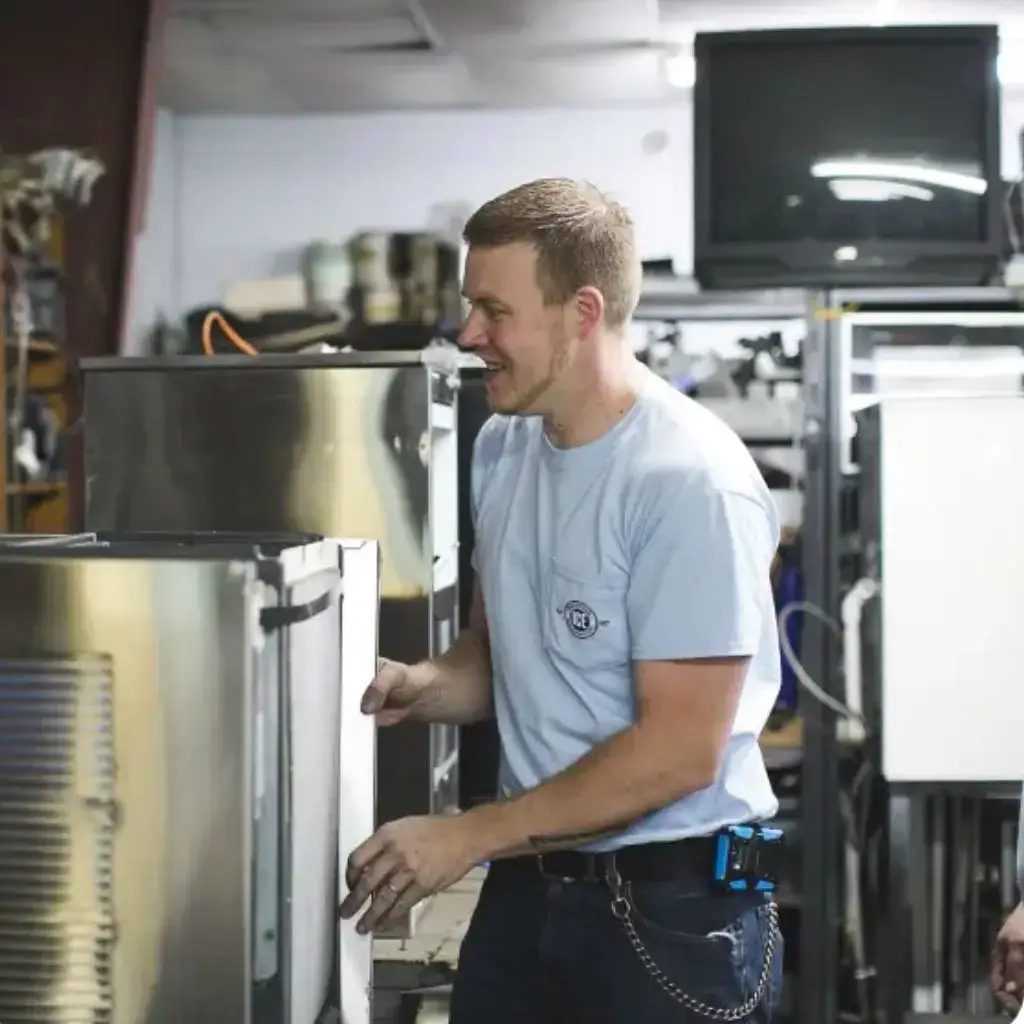
How Long Does an Ice Machine Last The Friendly Guide to Lifespan and Care
When it comes to running your business smoothly, having a reliable ice machine is key. Most commercial ice machines last between 5 and 10 years, depending on how well they’re maintained and how often you use them.
Knowing this helps you plan for repairs or replacement before your ice supply slows down.
At Memphis Ice, we’ve been keeping businesses in the Mid-South cool since 1977. We understand how important it is to have equipment you can count on every day.
Whether your ice machine is hardworking in a busy restaurant kitchen or keeping drinks cold at a local bar, its lifespan depends on regular care and timely service.
If you want your ice machine to keep running longer, simple steps like cleaning and preventative maintenance go a long way. Keep reading to learn what affects how long your ice machine lasts and how you can get the most out of yours.
Average Lifespan of an Ice Machine
How long your ice machine lasts depends on the type you have, whether it’s for home or business, and the brand you choose. The way you maintain it and the quality of water used also impact its life.
Typical Duration by Machine Type
Ice machines come in different types, and their lifespan varies. Residential ice makers often last 10 to 15 years with proper care.
These usually work less hard than commercial models, so they tend to last longer. Commercial ice machines face tougher demands.
They work longer hours and need more frequent cleaning. As a result, these machines typically last 7 to 10 years.
With strong maintenance, you might get up to 15 years, but that’s less common. The lifespan also depends on how often the machine runs.
If you use it heavily without regular service, the life can shrink to about 5 years. Keeping your machine clean and inspecting it monthly can extend its life.
Residential vs. Commercial Ice Machines
Residential ice machines are built for lighter use. You’ll find them in homes, hotel rooms, or small offices.
They are easier to maintain and usually cost less upfront. Your main focus is keeping the water and filters clean to avoid breakdowns.
Commercial machines handle much larger volumes. Restaurants, hospitals, and stores rely on them every day.
These machines need regular professional maintenance to stay reliable. At Memphis Ice, we recommend scheduled checkups to keep your commercial equipment running smoothly.
Because commercial machines work harder, they face more wear and tear. This means parts might need replacement sooner, even if the main machine lasts many years.
Planning ahead for maintenance saves you downtime and money.
Lifespan Expectations Based on Brand
The brand of your ice machine plays a key role in its longevity. High-quality brands tend to have better build materials and more efficient parts.
This means your machine can last longer and require fewer repairs. Some brands also offer extended warranties or service plans.
These can be a smart choice if you want extra peace of mind. However, even the best brand won’t last if you neglect cleaning and maintenance.
When you work with the Memphis Ice team, we can help you pick a brand that fits your budget and needs. We focus on units that are reliable and easy to service locally, which helps you avoid long waits for parts or repairs.
No matter your choice, regular care and using clean water are the best ways to maximize your ice machine’s lifespan.
Factors That Affect How Long an Ice Machine Lasts
How long your ice machine lasts depends on a few key things. How often you use it, the kind of water you feed it, and where you keep it all play important roles.
Paying attention to these factors helps you avoid unexpected breakdowns and costly repairs.
Usage Frequency and Volume
Your ice machine’s lifespan is closely tied to how much and how often it runs. Machines that work non-stop or produce large amounts of ice daily will wear out faster than those with lighter use.
High usage means parts like motors and water pumps get more stress, leading to earlier breakdowns. If your business has peak busy seasons, make sure your ice machine can handle the load.
Regular checks and timely maintenance can help keep it running smoothly during heavy use. At Memphis Ice, we often see extended machine life simply because customers stay on top of cleaning and servicing during busy times.
Water Quality and Filtration
The water you use matters a lot. Hard water with minerals can cause scale buildup inside the machine, leading to clogs and reduced efficiency.
Over time, mineral deposits can damage parts like the evaporator and valves, shortening the machine’s life. Using a good filtration system helps remove impurities and protects internal components.
If you notice ice tastes off or the machine slows down, mineral buildup could be the cause. Regular filter changes and water testing are simple steps that prevent bigger problems and keep your ice clear and fresh.
Operating Environment
Where you place your ice machine affects how long it will last. Machines kept in areas with poor ventilation or high temperatures have to work harder, which speeds up wear.
Dirt, dust, and humidity can also cause trouble by clogging filters or corroding metal parts. Make sure your ice machine has enough space around it for airflow.
Keep it away from heat sources or direct sunlight. In Memphis and across the Mid-South, humidity is a real concern, so regular cleaning is key to avoid mold or rust.
Memphis Ice recommends routine inspections to catch environment-related issues early before they cause damage.
Maintenance Tips to Extend the Lifespan
Keeping your ice machine working well means regular care and attention. Small steps like cleaning, changing filters, and professional checks can help your machine last longer and save you from costly repairs.
Regular Cleaning Routines
Cleaning your ice machine every three to six months is key to keeping it efficient. Focus on removing scale and mineral buildup in the water lines and ice bins.
Use approved cleaners and always rinse parts thoroughly to avoid leftover chemicals. Don’t forget to clean the exterior and air filters.
Proper airflow helps the machine run cooler and reduces wear. Regular cleaning prevents bacteria growth, ensuring your ice stays clean and safe to use.
Write down your cleaning schedule and stick to it. If you rent or lease a machine from Memphis Ice, ask about their maintenance plans to keep your equipment in top shape.
Timely Filter Replacements
Water filters play a big role in ice machine health. Changing filters every six months stops dirt and minerals from clogging the system.
Clean filters improve ice quality and protect important parts from damage. Use the right filters recommended for your machine’s model.
Sticking to the filter change schedule avoids costly repairs caused by bad water flow or buildup. Keeping the filters fresh also helps extend the lifespan of internal components.
If you’re unsure when to replace filters, Memphis Ice experts can help you set reminders or handle the filter replacement for you.
Importance of Professional Servicing
Even with great daily care, your ice machine needs professional checkups. A trained technician can catch small problems before they cause a breakdown.
A service visit includes inspecting water flow, electrical parts, and refrigerant levels. Technicians also clean hard-to-reach areas and lubricate moving parts.
Having a yearly or biannual service keeps your machine running at peak performance. Working with a trusted local company like Memphis Ice means you have fast, reliable support when you need it.
Scheduling regular professional maintenance reduces downtime and keeps your business running smoothly.
Signs an Ice Machine May Need Replacement
Your ice machine should work smoothly to meet your daily needs. When it starts cutting corners on ice production, making strange noises, or using more energy than before, these things can signal you need a new unit soon.
Declining Ice Production
A drop in the amount of ice your machine produces can cause real problems during busy times. If your machine makes less ice than usual or the ice looks cloudy or melts too fast, it may mean parts are wearing out or clogged.
Check for slow ice cycles or smaller ice cubes. These can point to issues like clogged water lines, worn refrigeration parts, or scaling inside the system.
Sometimes, repairs help, but if production stays low, replacement might save you money in the long run. In Memphis and the wider Mid-South area, many businesses depend on timely ice delivery.
That’s why Memphis Ice recommends keeping an eye on your machine’s output and scheduling regular maintenance.
Unusual Noises and Malfunctions
Ever hear banging, grinding, or high-pitched sounds from your ice machine? These noises often signal failing compressors, fans, or motors inside the unit.
Over time, broken parts can lead to more serious breakdowns. Frequent malfunctions—like the machine stopping unexpectedly or leaking water—also hint that repairs could be costly and temporary.
In those cases, investing in a new machine ensures you don’t risk interruptions when your business needs ice most. A working ice machine should hum quietly.
Loud or strange sounds deserve a quick look by a technician to catch problems early. Memphis Ice can provide this checkup and help you decide if fixing or replacing is best.
Increased Energy Consumption
If your utility bills spike without a clear reason, your ice machine might be using more power than before. Older or damaged machines lose efficiency as parts wear down, driving energy costs up.
Look for signs like longer running cycles or the unit feeling hotter than usual. These suggest the machine is working harder to produce the same amount of ice.
Sometimes cleaning filters and coils helps, but frequent high energy use usually means it’s time for a new machine. Cutting back on needless expenses is always smart business.
An energy-efficient ice machine can lower your monthly bills and keep your operation running smoothly through Memphis’ hot seasons.
Cost Considerations Over the Life of an Ice Machine
When running a business that depends on ice, costs don’t stop at buying the machine. You’ll face decisions about repairs, energy bills, and warranty coverage that all affect your budget.
Knowing what to expect helps you plan better.
Repair vs. Replacement Costs
As your ice machine ages, repair costs can add up. Typical repairs for commercial machines might range from a few hundred dollars to over $2,000, depending on the issue.
If you have a machine that’s about 7 to 10 years old, repair bills may start to approach the cost of replacement. You should weigh if fixing your current machine makes sense or if it’s time to invest in a new one.
Frequent breakdowns often mean more downtime, which can hurt your business. At Memphis Ice, we help you evaluate these costs so you won’t face unexpected expenses.
Energy Efficiency Impacts
Older ice machines often use more electricity than newer models. This inefficiency can increase your power bills steadily over time.
New machines typically feature better technology that uses less energy and water. By upgrading, you can save money on utilities in the long run.
Consider energy ratings when choosing a replacement. Even small improvements in efficiency add up, especially if your machine runs all day.
Memphis Ice can advise you on options that fit your operation’s energy needs.
Warranty Coverage
Your ice machine’s warranty can cover parts and labor for a certain period, usually one to two years for commercial units. After the warranty expires, any repairs are out-of-pocket.
Keeping up with regular maintenance during the warranty period is key. It can prevent voiding your warranty and avoid costly fixes later.
Knowing what your warranty protects helps you manage repair expenses and expect when full responsibility shifts to you. If you’re unsure about coverage, ask your Memphis Ice technician for details.
New Technologies and Ice Machine Durability
Modern ice machines last longer thanks to new materials and smart technology. These improvements help reduce wear and tear and alert you when parts need attention.
Using these tools can save you time and money in the long run.
Advances in Materials and Design
New ice machines use stronger, corrosion-resistant metals like stainless steel and improved plastics. These materials fight rust and damage from water better than older models.
Design changes also help. Some machines now have thicker insulation to keep temperatures steady.
Others feature parts that are easier to remove and replace during maintenance.
Smart Features for Longer Life
Smart technology in ice machines lets you monitor performance right from your phone or computer. Some models track water quality, temperature, and even alert you when filters or components need cleaning or replacing.
These alerts prevent small problems from turning into costly repairs. They also help you plan maintenance better.
Recycling and Disposal at the End of Lifespan
When your ice machine reaches the end of its useful life, proper disposal and recycling are important. These machines contain parts like metals, plastics, and refrigerants that need careful handling to avoid harm to the environment.
Before disposal, refrigerant recovery is critical. Refrigerants can be hazardous if released.
Professionals recycle or reclaim these gases to prevent pollution and extend equipment lifespan.
Your ice machine also has metal and plastic components that can be recycled. Many local programs accept these materials to reduce landfill waste.
Check your municipal guidelines to see what options are available in your area.
Here are some quick tips to follow:
- Arrange for qualified technicians to safely remove refrigerants.
- Separate recyclable parts from non-recyclable waste.
- Use local recycling centers that accept commercial appliance materials.
If you are unsure about disposing of your old ice machine, talk to an expert today. They can guide you on the best recycling and disposal options for your commercial ice equipment.
Frequently Asked Questions
Knowing how long different types of ice machines last helps you plan maintenance and decide when to replace them. Factors like use, quality, and care all play a role in how your ice maker performs over time.
What is the average lifespan of a refrigerator’s built-in ice maker?
A refrigerator ice maker usually lasts between 5 and 10 years. This depends on the brand, how often you use it, and how well it’s maintained.
How often should I replace my countertop ice maker to ensure optimal performance?
Most countertop ice makers last around 5 to 7 years. Replacing them around this time helps avoid drops in ice quality and production speed.
Can you tell me the typical lifespan of a commercial ice machine?
Commercial ice machines generally last 7 to 10 years. Proper maintenance can extend their life, but water quality and usage also affect how long they stay reliable.
What are the signs that indicate it’s time to replace my ice maker?
Look for signs like slow ice production, strange noises, water leaks, or ice with unusual taste or texture. Frequent breakdowns also mean it’s time to consider replacement.
How long does it usually take for a portable ice maker to produce its first batch of ice?
Portable ice makers typically take about 6 to 15 minutes to make the first batch. This timing can vary by model and room temperature.
What factors can affect the longevity of my home ice maker machine?
Water quality, frequency of use, and regular cleaning all impact your ice maker’s lifespan.
Hard water or dirty filters can cause parts to wear out faster.
If you need help with maintenance or replacement, Memphis Ice is ready to assist you with expert service across the Mid-South.
They’ve been keeping businesses cool since 1977.
Recent News
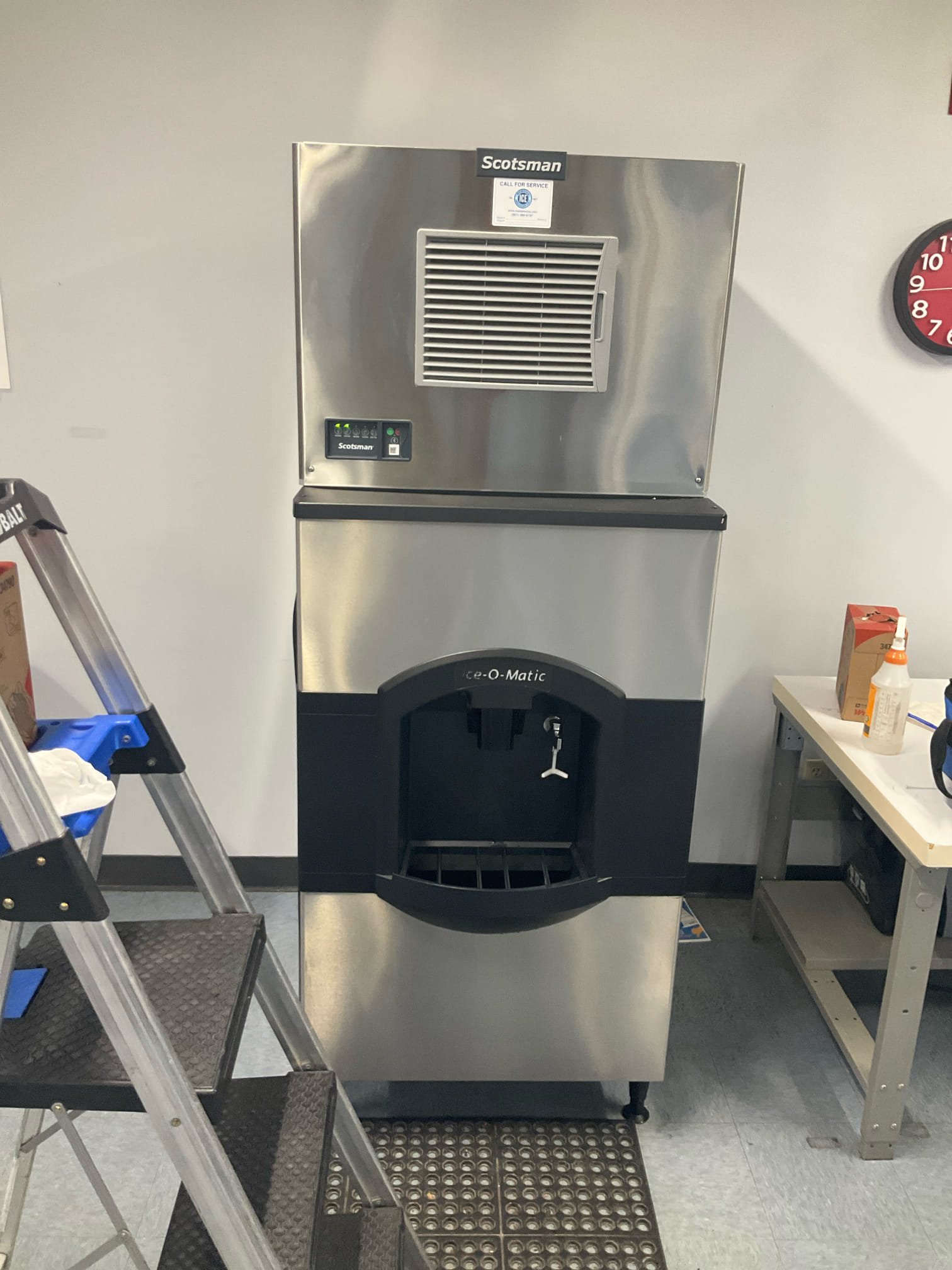
How Ice Quality Affects Food and Beverage Presentation For Stunning Visual Appeal
How Humidity Impacts Commercial Ice Production and Tips to Optimize Efficiency
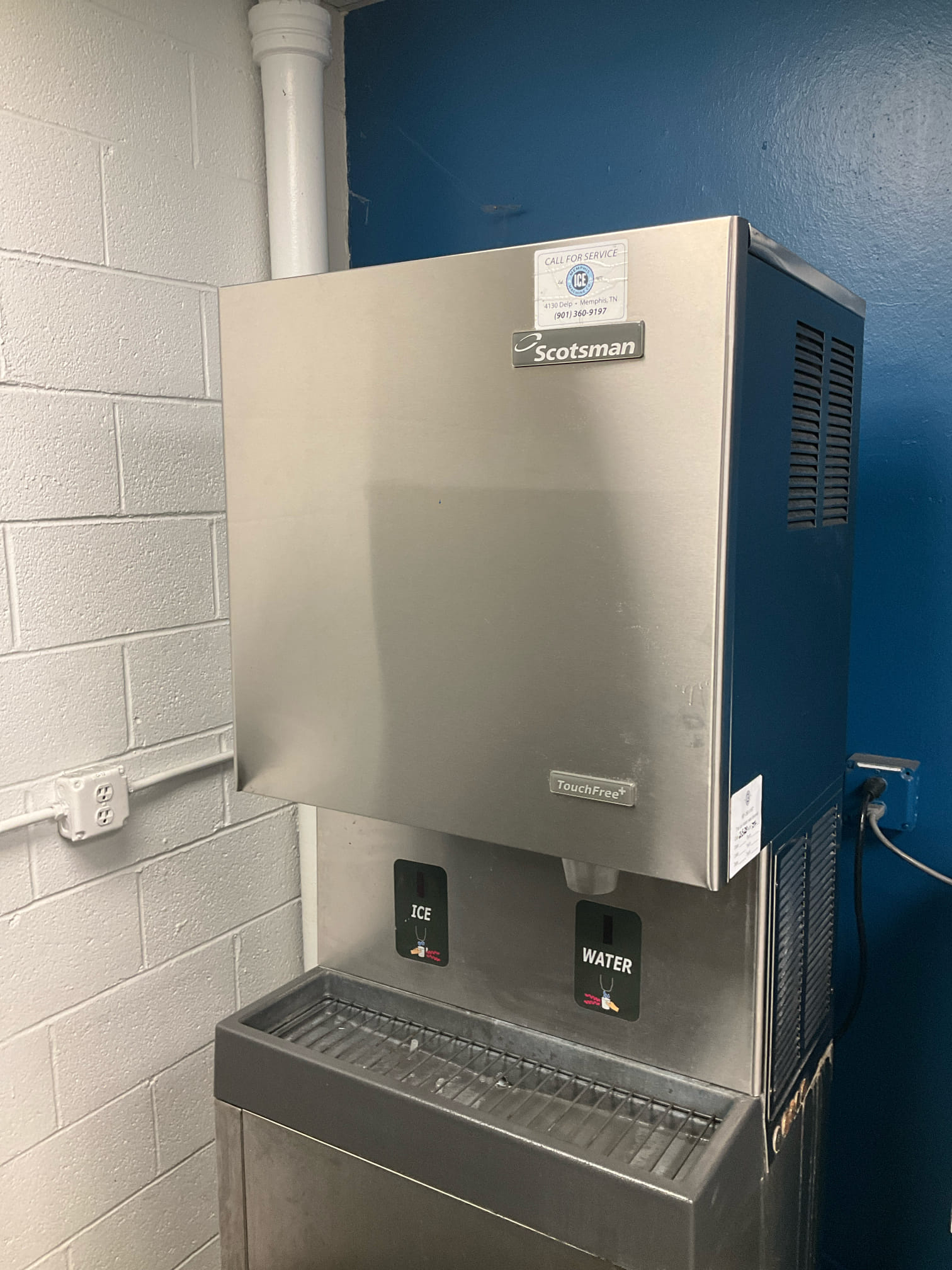
Hospital Ice Machine Standards for Safety and Hygiene in Healthcare Settings
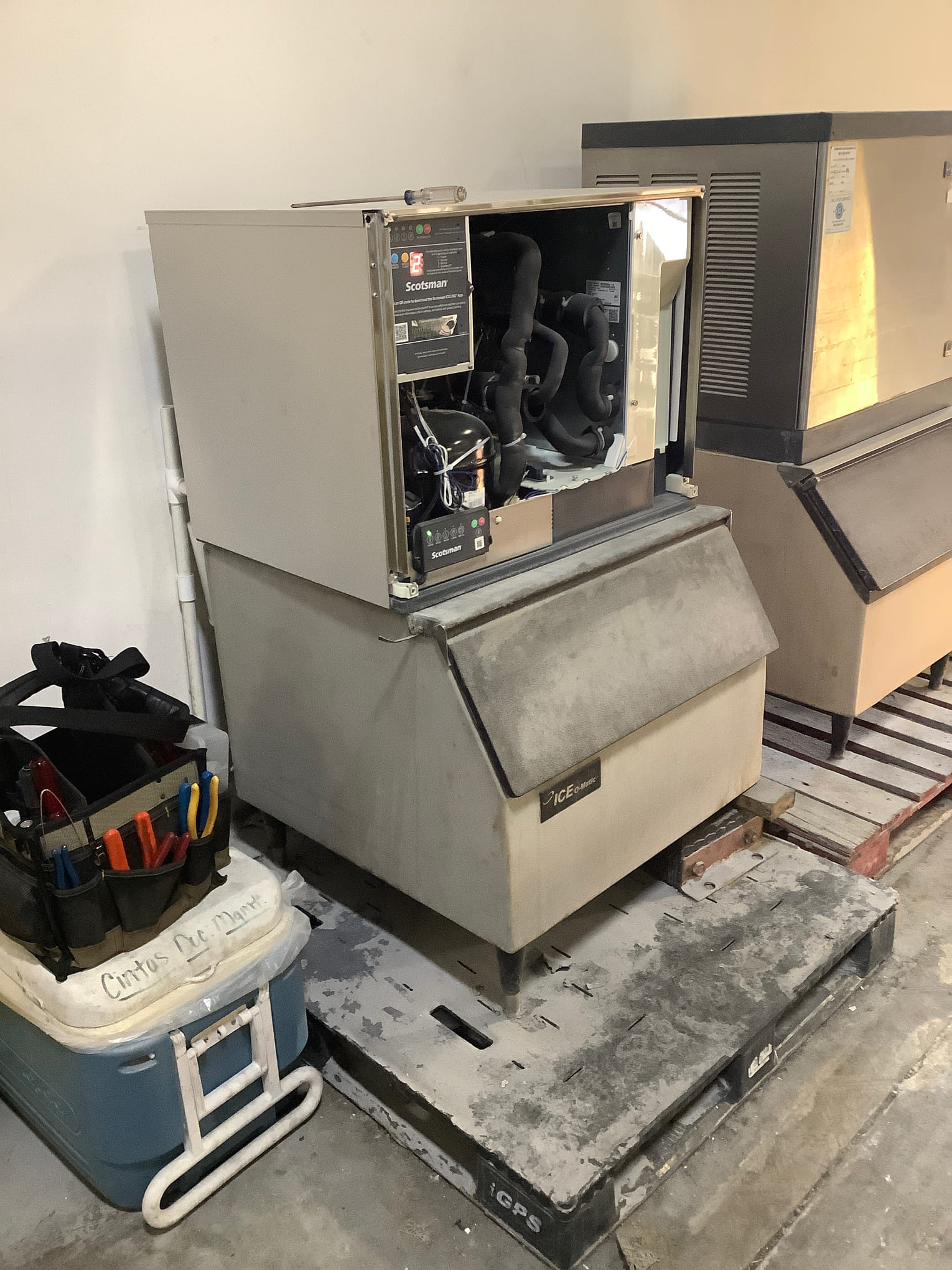
Hiring Refrigeration Technicians in Memphis Made Easy and Friendly
How Ice Supports Athletic Recovery and Physical Therapy

How Flake Ice Protects Seafood, Meat, and Fresh Flavor