proudly serving
the mid-south


How Ice Supports Athletic Recovery and Physical Therapy
When most people think about ice, they think about drinks, seafood displays, or maybe a hot summer day.
But step into a gym, training room, or physical therapy clinic, and you’ll find cold doing something entirely different.
It’s reducing inflammation.
It’s easing pain.
It’s helping athletes recover faster and return to the field stronger.
This month in our Cold in Unexpected Places series, we’re highlighting how ice plays a critical role in physical wellness — from student athletes at Rossville Christian Academy to patients at Baptist Medical Group Physical Therapy.
Because sometimes, cold isn’t about comfort. t’s about recovery.
Why Cold Therapy Works
Cold therapy — also known as cryotherapy or icing — has long been a cornerstone of injury treatment and athletic recovery.
When ice is applied to the body, it:
- Reduces blood flow to the area
- Decreases inflammation and swelling
- Slows nerve signals (reducing pain)
- Helps limit tissue damage after acute injury
For athletes and physical therapy patients alike, that controlled cooling response is essential.
Whether it’s a sprained ankle, sore shoulder, or post-surgery rehab plan, ice helps manage inflammation so healing can begin properly.
And in structured athletic programs and rehab clinics, reliable ice access matters.
Rossville Christian Academy: Ice in the Training Room
At Rossville Christian Academy, athletics are an important part of student life. From weight training to competitive sports, student athletes push themselves physically.
Recovery is just as important as performance.
That’s where cube ice comes in.
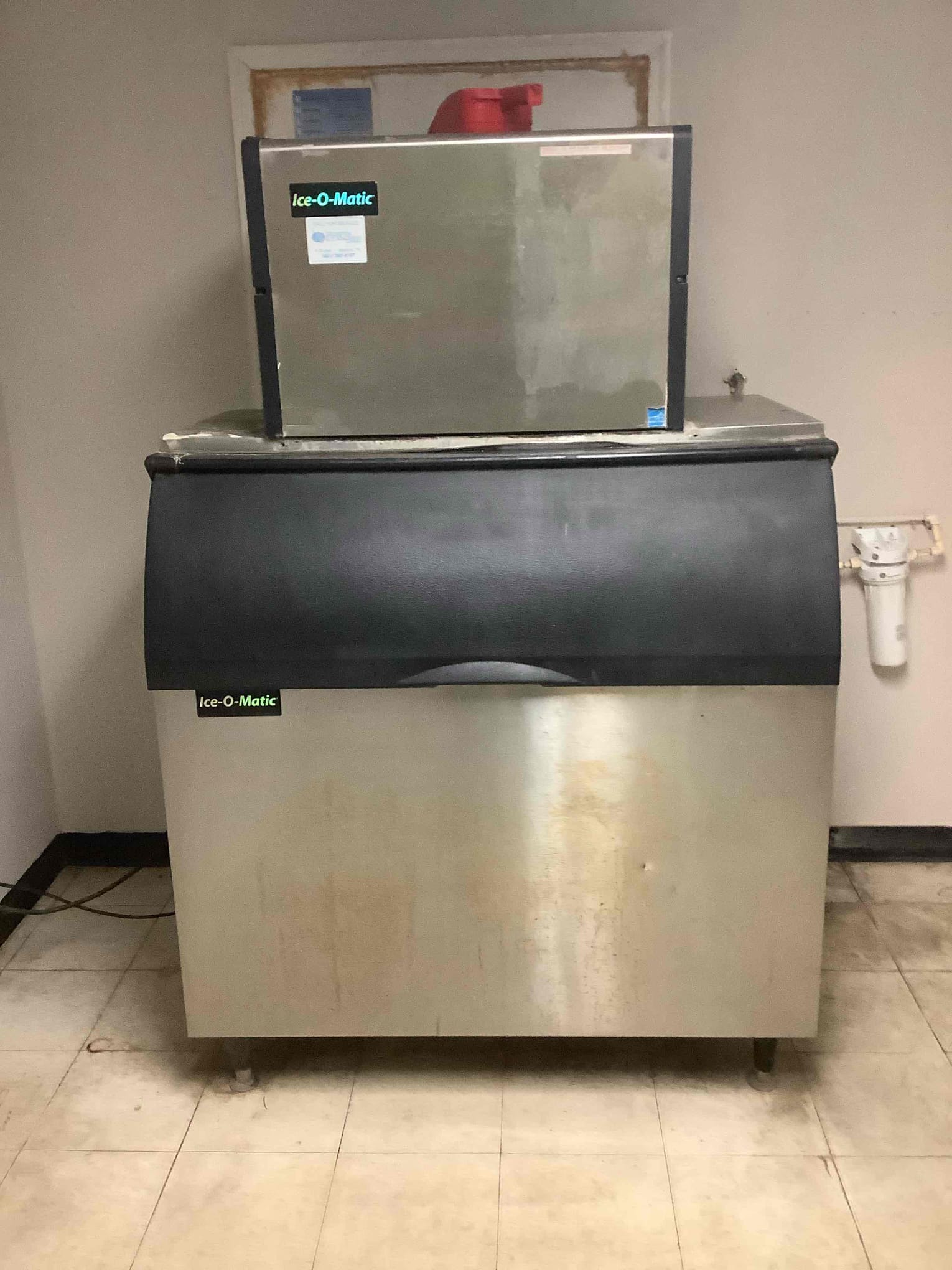
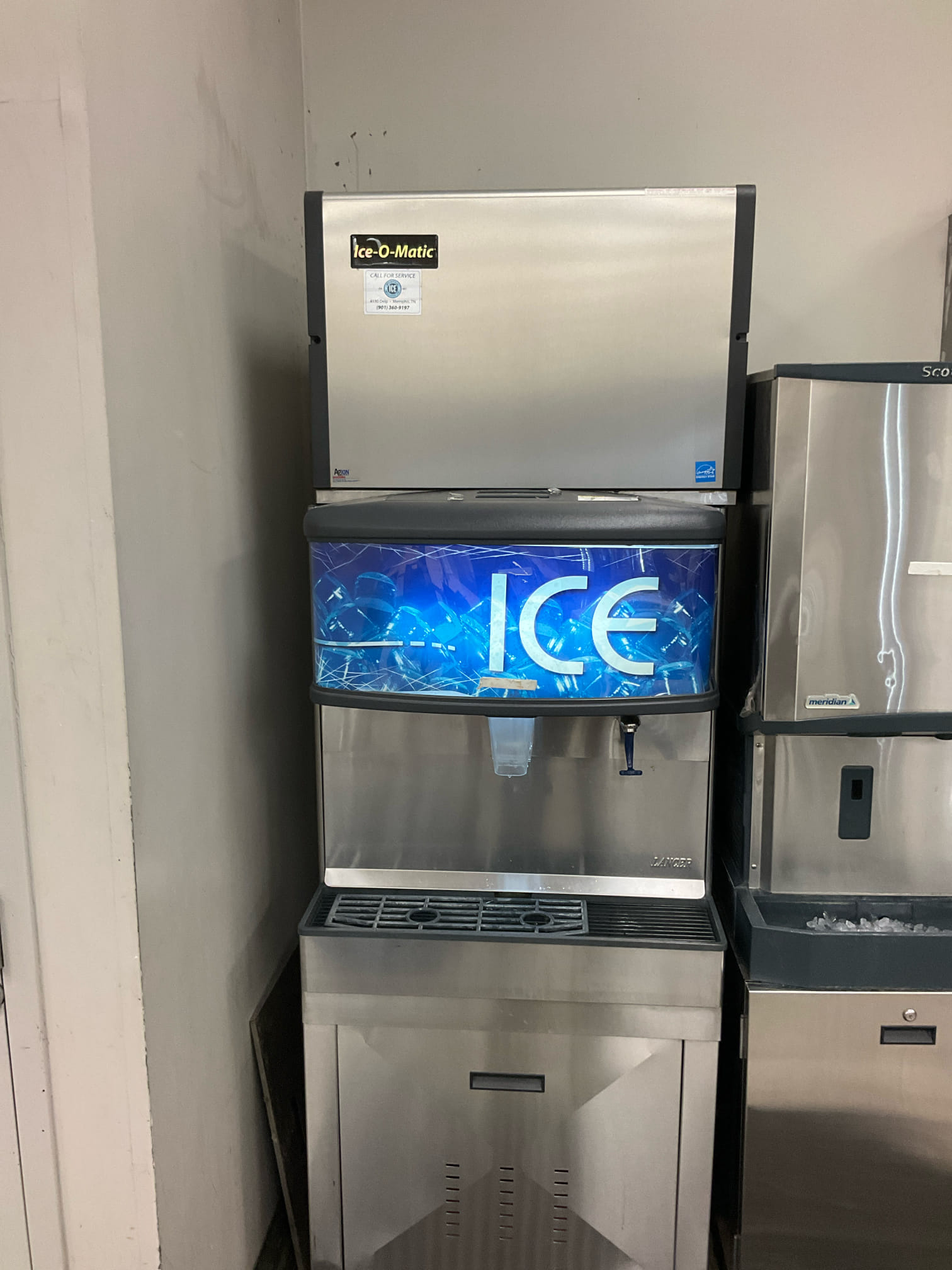
Cube ice machines in gym and weight room environments support several critical functions:
1. Ice Baths for Recovery
Ice baths are commonly used after intense training sessions or games. Submerging the body in cold water can help:
- Reduce muscle soreness
- Limit inflammation
- Support faster recovery between practices
Cube ice is ideal for filling recovery tubs because it melts at a steady rate, allowing trainers to control water temperature effectively.
2. Injury Ice Packs
When a player twists a knee or strains a muscle, immediate icing can help reduce swelling and minimize further tissue damage.
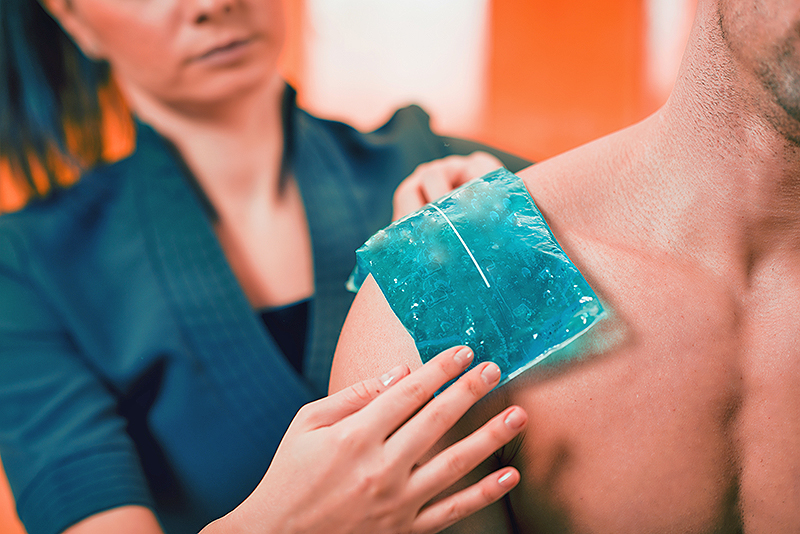
Cube ice is bagged and applied directly to the injury site, offering effective, localized cooling.
3. Performance Hydration
Ice in water bottles and coolers also supports proper hydration — especially during hot Memphis seasons.
Cold water encourages athletes to drink more, helping prevent dehydration and heat-related illness.
In a school athletic environment, ice isn’t just a convenience. It’s part of responsible athlete care.
Baptist Medical Group Physical Therapy: Precision Recovery
Physical therapy clinics use cold in more targeted, therapeutic ways.
At Baptist Medical Group Physical Therapy, nugget ice plays a valuable role in patient rehabilitation and recovery.
Why nugget ice? Because it molds.
Why Nugget Ice Is Ideal for Rehab
Nugget ice — sometimes called chewable ice — is soft, small, and easily compressed. That makes it perfect for medical ice packs.
Unlike hard cubes, nugget ice conforms to the shape of the body when placed in a bag. It wraps comfortably around joints and contours, delivering even cooling across the treatment area.
For physical therapy patients recovering from:
- Knee replacements
- Shoulder surgeries
- Back injuries
- Sports-related strains
Comfort matters.
Nugget ice provides consistent contact without creating uncomfortable pressure points.
It allows therapists to target inflammation precisely while keeping patients comfortable during treatment sessions.
Cold as Part of a Comprehensive Rehab Plan
Ice alone isn’t the treatment — but it’s an important tool within a broader recovery strategy.
Physical therapists use cold therapy:
- After manual therapy sessions
- Following strengthening exercises
- To calm inflamed tissue
- To manage post-treatment soreness
By reducing inflammation and discomfort, ice allows patients to continue participating in necessary exercises without excessive pain.
Cold supports movement.
And movement is what restores strength.
The Science Behind Recovery Ice
When tissue is injured, the body responds with inflammation. While inflammation is part of healing, excessive swelling can delay progress and increase pain.
Applying ice helps:
- Constrict blood vessels (vasoconstriction)
- Slow cellular metabolism
- Limit fluid accumulation
In athletic and rehab settings, this controlled cooling response helps manage acute injuries and post-exercise soreness.
The key is consistency — having dependable ice production available when needed.
That’s where commercial ice systems quietly support wellness behind the scenes.
Ice Beyond the Injury
Cold therapy isn’t just for injuries.
Athletes use ice for:
- Preventative recovery
- Managing chronic inflammation
- Post-training muscle soreness
- Heat exposure recovery
Physical therapy clinics use it for:
- Post-operative protocols
- Managing arthritis flare-ups
- Reducing nerve irritation
- Enhancing comfort during rehabilitation
In both environments, ice plays a supportive — but powerful — role in overall physical wellness.
Supporting Local Wellness
We often talk about cold in terms of hospitality and food service. But at Memphis Ice, we’re proud to serve organizations that support health and wellness in our community.
Rossville Christian Academy is investing in the care and recovery of its student athletes.
Baptist Medical Group Physical Therapy is helping patients regain strength, mobility, and independence.
In both cases, reliable ice systems support their mission.
It’s not flashy. It’s not front and center. But it matters.
Cold in Unexpected Places
When you see an ice machine in a gym or clinic, you might not think twice about it.
But that steady supply of cube or nugget ice could be:
- Reducing inflammation after a tough game
- Supporting safe recovery after surgery
- Helping a student athlete bounce back faster
- Making physical therapy sessions more effective
Cold doesn’t just chill drinks or preserve food.
Sometimes, it helps bodies heal.
And that’s a role we’re proud to play.
Recent News

How Flake Ice Protects Seafood, Meat, and Fresh Flavor
How Refrigeration Powers Memphis Barbecue Across America
How Ice and Refrigeration Power Life-Saving Research

Healthcare Facility Ice Machine Servicing Tips for Reliable Cold Water
Factors That Impact Commercial Ice Machine Recovery Rate Explained Simply
Signs Your Freezer Door Gaskets Need Replacement and How to Spot Them Early