proudly serving
the mid-south


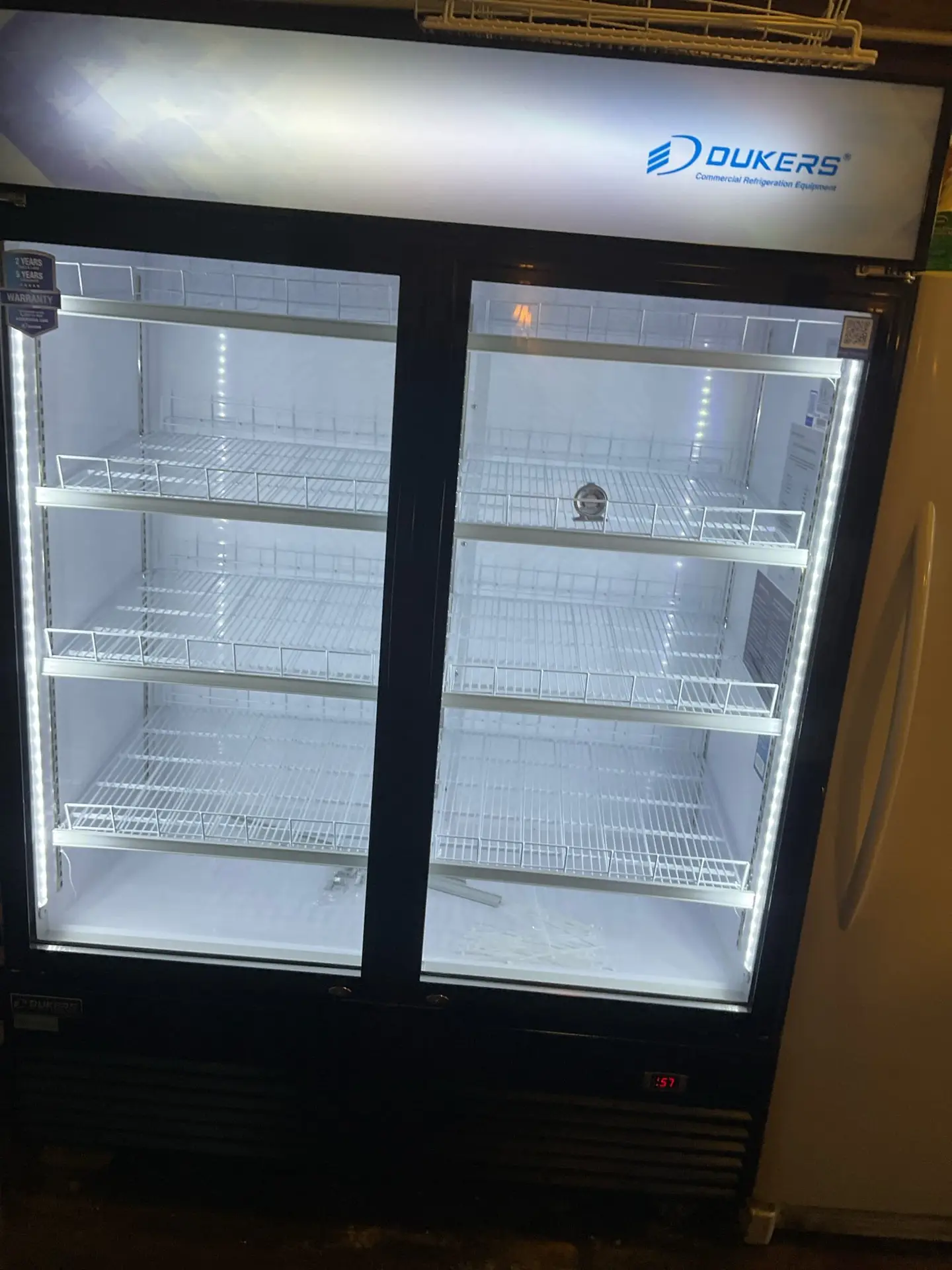
How Ice and Refrigeration Power Life-Saving Research
When most people think about ice machines, they picture restaurants, hotels, or maybe the office breakroom. Rarely does anyone think about research laboratories, clinical trials, or pediatric cancer treatment.
But cold plays a critical role in modern medicine.
And right here in Memphis at St. Jude Children’s Research Hospital, refrigeration and ice are part of something far bigger than convenience — they’re part of saving lives.
At Memphis Ice, we’re proud to support and partner with St. Jude. Their mission to treat and defeat childhood cancer and other life-threatening diseases relies on precision, consistency, and highly controlled environments — and cold technology is woven into that work in ways most people never see.
Let’s take a closer look at how.
Why Temperature Control Matters in Medicine
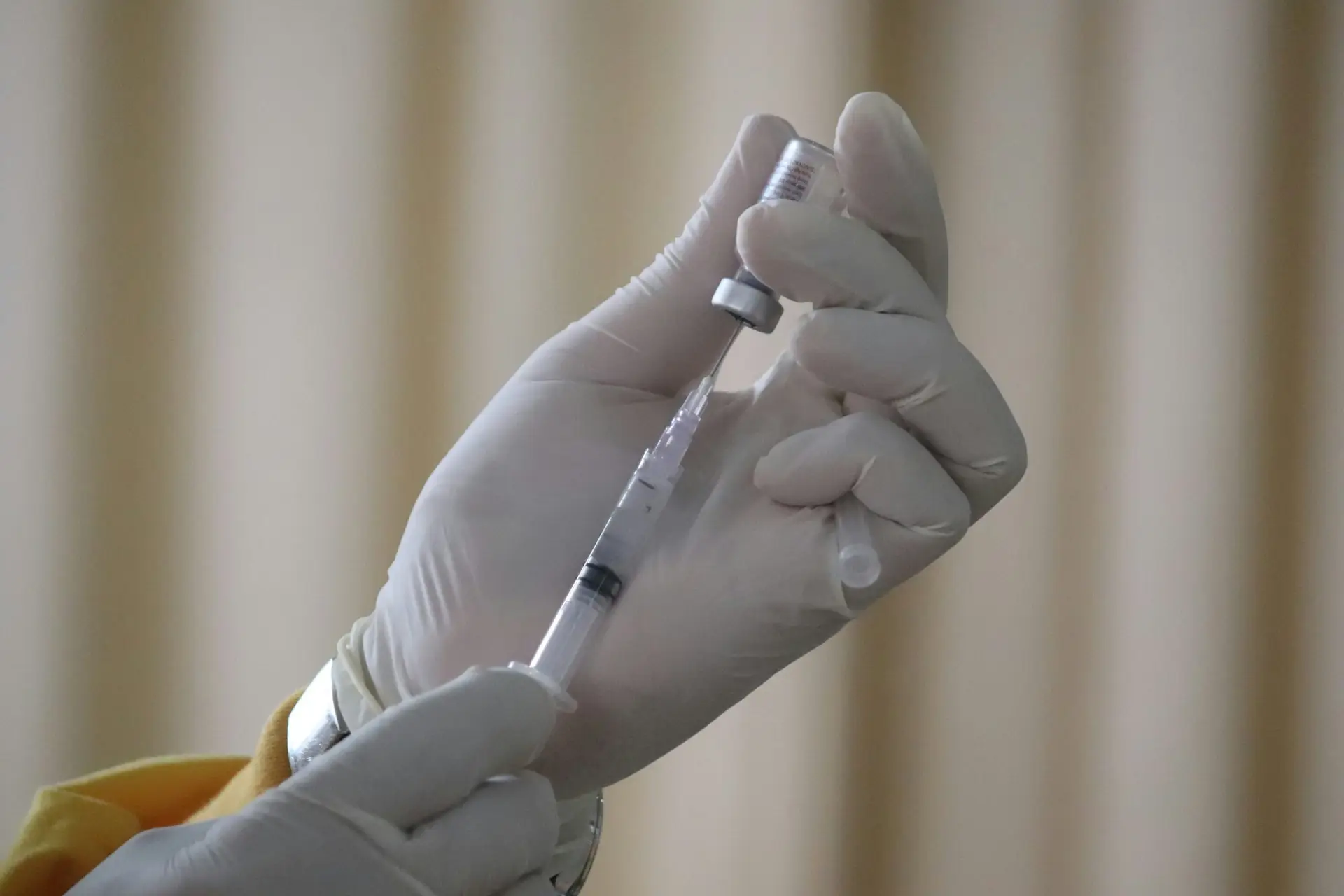
Modern medicine depends on stability. Many medical treatments, vaccines, biological samples, and research materials are extremely temperature-sensitive.
Even small fluctuations can:
- Reduce effectiveness
- Compromise results
- Damage research materials
- Delay treatment timelines
In laboratory settings, refrigeration and freezing systems are used to preserve:
- Blood samples
- Tissue samples
- Cell cultures
- Enzymes and reagents
- Experimental drug compounds
- Vaccines
Without reliable cold storage, research simply cannot move forward safely or accurately.
At institutions like St. Jude, where groundbreaking pediatric research happens daily, precise temperature control isn’t optional — it’s foundational.
The Role of Ice in Research Labs
When people think of lab refrigeration, they usually imagine high-tech medical freezers (which absolutely exist). But ice itself still plays an essential role.
Lab-grade ice machines are commonly used to:
1. Maintain Sample Integrity During Processing
Many biological samples must remain chilled during preparation. Researchers often place tubes or containers in ice baths to maintain stable temperatures while handling delicate materials.
2. Control Chemical Reactions
Certain laboratory reactions generate heat. Ice baths help regulate temperature and prevent overheating, ensuring experiments remain accurate.
3. Preserve Short-Term Stability
While long-term storage may require ultra-low freezers, ice is often used during transport within the facility — moving materials between workstations, labs, or departments.
Consistency matters. Clean, reliable ice production helps maintain the chain of temperature control that scientific accuracy depends on.
Refrigeration Beyond the Lab: Supporting the People Behind the Research
While advanced refrigeration systems preserve medical materials, commercial ice machines and refrigeration also serve another important purpose at St. Jude: supporting the people who make the mission possible.
Doctors, nurses, researchers, administrators, and support staff work long, demanding hours. In break rooms, kitchens, and hospitality areas throughout the campus, ice machines and refrigeration systems provide:
- Clean drinking water
- Ice for hydration
- Refrigeration for meals and food storage
- Support for family waiting areas
It may seem small compared to cancer research, but comfort matters. Hydration matters. Functional break spaces matter.
Cold, in these spaces, supports the humans doing life-changing work.
The Critical Importance of Clean Ice in Medical Settings
In a medical environment, sanitation standards are understandably strict.
Ice in these facilities isn’t just a convenience — it must meet high cleanliness standards. Just like in restaurants, ice is considered a food product, which means proper maintenance, filtration, and routine professional cleaning are essential.
Reliable service ensures:
- No mold or biofilm buildup
- Proper water filtration
- Efficient machine performance
- Reduced risk of unexpected breakdowns
When an organization like St. Jude is focused on advancing treatment and improving survival rates, the last thing they need is preventable equipment issues.
Preventative maintenance and dependable refrigeration support help keep operations running smoothly in the background — quietly doing their job while medical teams do theirs.
Cold and the Global Impact of St. Jude
St. Jude doesn’t just treat patients in Memphis. Their research and protocols are shared globally, helping improve childhood cancer survival rates around the world.
Temperature control plays a role here too.
From preserving research materials to supporting collaborative studies and medical advancements, refrigeration systems underpin the infrastructure of scientific progress.
Cold enables:
- Safe storage of clinical trial materials
- Consistent lab results
- Reliable collaboration across institutions
- Preservation of life-saving discoveries
It’s easy to overlook refrigeration because it’s steady and silent. But without it, modern medicine could stall.
A Partnership We’re Proud Of
At Memphis Ice, we understand that our work touches more than just beverages and hospitality. Supporting an organization like St. Jude reminds us that cold shows up in places people rarely think about.
We are honored to help maintain equipment that supports:
- Research laboratories
- Staff break areas
- Operational kitchens
- Campus facilities
While we play a small role in a much larger mission, it’s one we don’t take lightly.
St. Jude’s commitment to ensuring families never receive a bill for treatment, travel, housing, or food is extraordinary. Their research has helped push childhood cancer survival rates from 20% in 1962 to over 80% today — and they won’t stop until it’s 100%.
Behind that progress are scientists, medical teams, and support staff — and behind them, infrastructure that includes reliable refrigeration and ice.
Cold, in this case, isn’t just about comfort.
It’s about consistency.
It’s about safety.
It’s about enabling discovery.
It’s about helping save a child’s life.
Cold in Unexpected Places
This month, we’re highlighting the many places where cold technology quietly shapes our world.
From medicine and research labs to global innovation, refrigeration does more than chill drinks — it supports breakthroughs.
We’re grateful for partners like St. Jude and proud to serve organizations that make such a meaningful impact in Memphis and far beyond.
Because sometimes, the most powerful role cold plays isn’t refreshing.
It’s lifesaving.
Recent News
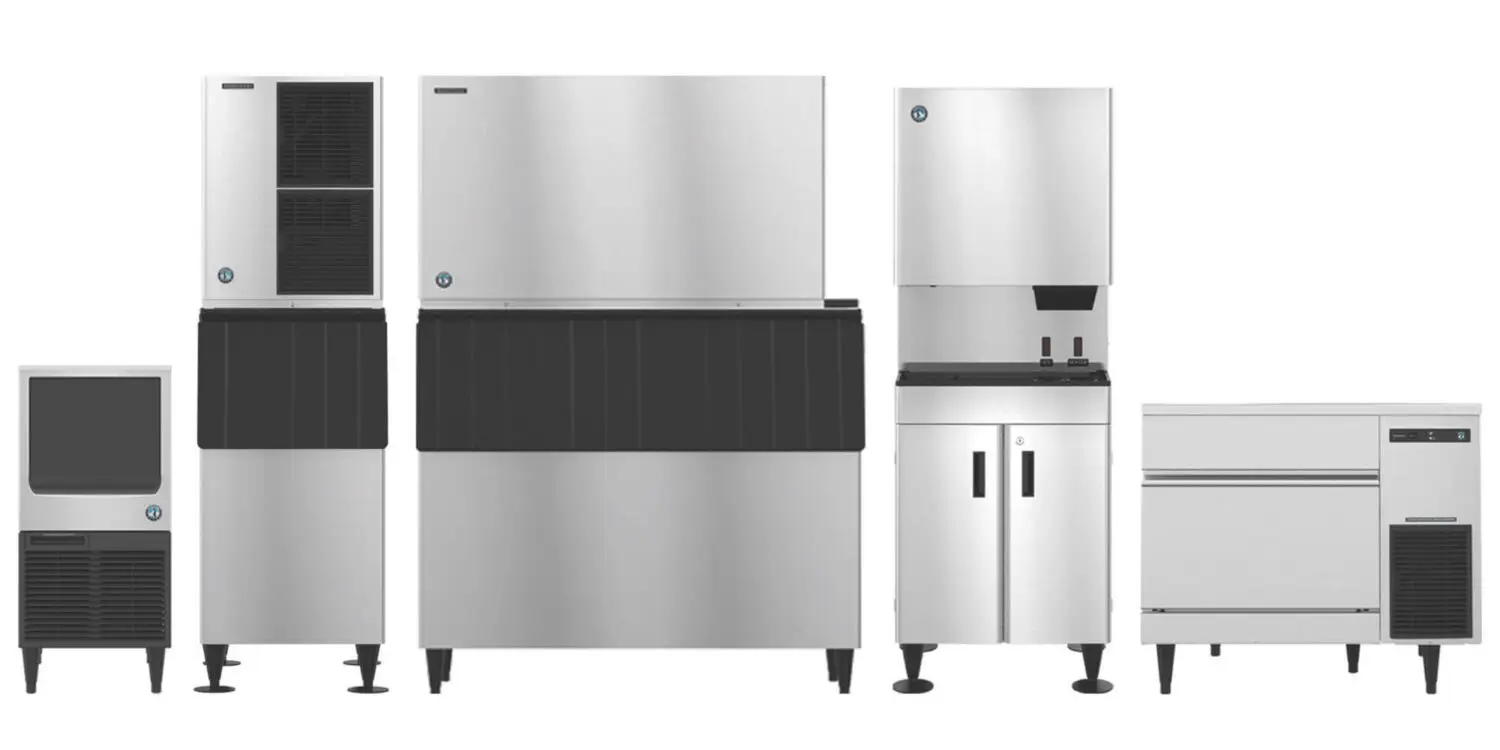
Healthcare Facility Ice Machine Servicing Tips for Reliable Cold Water
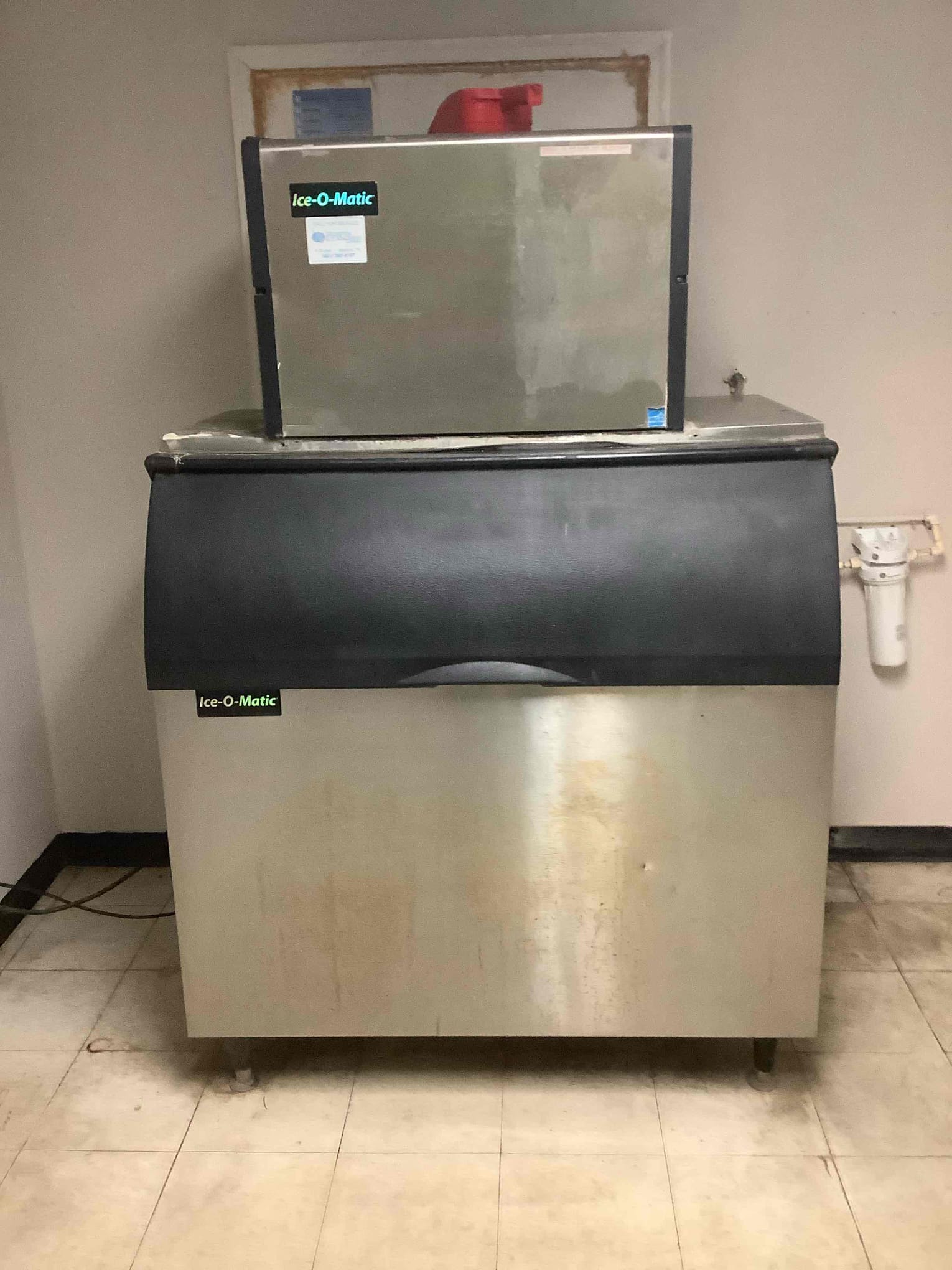
Factors That Impact Commercial Ice Machine Recovery Rate Explained Simply
Signs Your Freezer Door Gaskets Need Replacement and How to Spot Them Early
Signs Your Ice Machine Needs Deep Cleaning and How to Spot Them Early
Signs Your Refrigeration System Is Undersized for Your Business and How to Fix It
Steps to Ensure Consistent Refrigeration Across Multiple Units for Smooth and Efficient Cooling