proudly serving
the mid-south


How Humidity Impacts Commercial Ice Production and Tips to Optimize Efficiency
Humidity plays a big role in how well your commercial ice machine works. When the air is thick with moisture, your machine has to work harder to freeze water into ice. High humidity can slow ice production and cause your ice to become cloudy or melt faster, which hurts your business during busy times.
In Memphis and the Mid-South, where humid conditions are common, this extra strain is something you can’t ignore. Your ice machine might run longer, use more energy, and even need repairs sooner if it isn’t properly maintained. That’s why keeping up with regular service is key to making sure your ice stays clear and cold when you need it most.
At Memphis Ice, we’ve helped local businesses handle these challenges for over 49 years. With the right care and know-how, your ice machine can keep up, even when the humidity tries to slow it down.
Understanding Commercial Ice Production
Ice machines come in different types and use several parts to turn water into ice efficiently. Knowing how these machines work helps you keep them running well, especially when humidity can change how much ice you get.
Types of Commercial Ice Makers
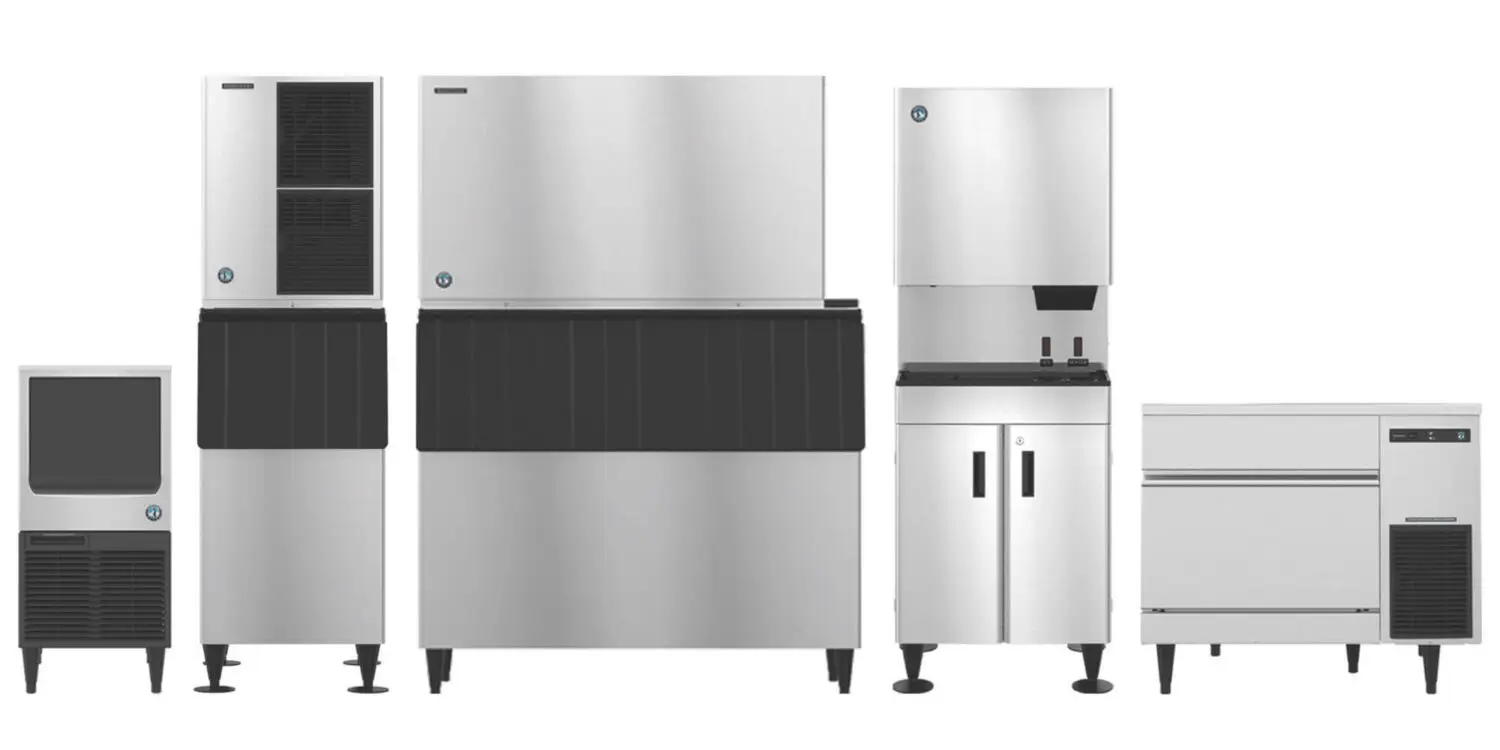
There are a few main types of commercial ice makers, each designed for specific needs. Cube ice machines make large, clear cubes—great for drinks. Flake ice machines produce small, soft flakes, which work well for food displays and medical uses. Nugget ice machines create chewable, soft pieces that are a hit in bars and cafes.
Different machines fit different spaces and volumes. A busy restaurant might need a fast cube ice system, while a hospital could prefer flake ice for cooling. Picking the right type really affects how much ice you get and how smoothly your business runs.
Ice Production Process Overview
Making ice starts with water flowing into the machine’s mold or evaporator. The refrigerant cools the mold, freezing the water into ice on its surface. Once frozen, the ice drops into a storage bin, either with a shot of warm water or a mechanical nudge.
Sensors control freezing time and ice thickness. The machine goes through regular cycles, but humidity can slow things down. Too much moisture in the air means slower freezing and sometimes cloudy or soft ice—not ideal.
Key Components Involved
Three main parts keep your ice machine working smoothly:
- Compressor: Moves refrigerant to cool the mold.
- Evaporator: Where water turns into ice.
- Water system: Delivers clean water at the right pressure.
Fans and sensors help keep temperature and ice thickness in check. Dirty filters or blocked vents can mess with airflow and put extra stress on these parts. We always focus on keeping everything clean and well-maintained so your machine runs smoothly—even when it’s muggy out.
The Role of Humidity in Ice Formation
Humidity changes how quickly ice forms, how clear it looks, and how much moisture your machine has to handle. These factors all matter when it comes to your ice machine’s efficiency and ice quality, especially here in the hot, humid Memphis area.
Impact on Freezing Rates
High humidity slows down the freezing process in your ice machine. When there’s more moisture in the air, it’s harder for the cold surfaces inside your machine to pull heat away from the water. So, ice just takes longer to freeze.
When freezing slows, your machine works harder and uses more energy. Over time, this extra strain can reduce its lifespan and raise your costs. You’ll probably need more frequent maintenance or cooling tweaks to keep things running smoothly.
Moisture Content in the Air
Moist air can cause water to build up inside and around your machine. This extra water often comes from condensation, which forms when warm, moist air hits the cold surfaces in your ice maker.
If you don’t manage this moisture, you could end up with leaks or even mold. Moisture control is a must. We recommend regular checks for leaks and making sure there’s good airflow around your unit so humidity doesn’t cause headaches.
Humidity and Ice Clarity
Humidity can affect how clear your ice looks. When moisture mixes with minerals and air in the water, you get cloudy ice. Cloudy ice might seem harmless, but it can mean impurities or trapped air—never a good sign for quality or safety.
Staying on top of cleaning and using proper water filtration helps reduce cloudy ice. Clear ice forms layer by layer, pushing impurities away. If you monitor humidity and stick to a good cleaning schedule, you’ll see better ice every time.
Common Problems Caused by High Humidity
High humidity can throw your commercial ice machine off its game. It can cut down your ice production, lower ice quality, and wear out your machine faster. All of this can drive up costs and slow your business, especially during those muggy Memphis summers.
Reduced Ice Output
When humidity is high, the air holds more moisture. Your ice machine’s cooling system has to work overtime to deal with it. This extra work means your machine often makes less ice each day.
You might notice the machine running longer but producing less ice. That’s because it’s struggling to keep the right temperatures. Slower ice production can really sting if you count on a steady supply during busy hours.
Proper ventilation and regular cleaning help keep airflow moving. We always suggest checking the machine’s environment to cut down on heat and humidity—it makes a difference for better ice output.
Ice Quality Issues
High humidity can give you cloudy or mushy ice. When there’s too much moisture in the air, the water inside the ice maker doesn’t freeze right. That leads to ice with air bubbles or uneven freezing, and it just doesn’t look as clear.
Cloudy ice melts faster and can mess with drinks and food displays. Sometimes, extra moisture even encourages slime or mold inside the machine—definitely not what you want.
Cleaning your ice machine regularly and using water filters helps a lot. This keeps out impurities and stops ice quality from slipping. Twice-yearly maintenance checks are a good idea to keep things in shape.
Increased Machine Wear
High humidity makes your ice machine work harder, wearing out parts like compressors and fans more quickly. This extra effort can lead to breakdowns sooner than you’d expect.
Moisture also causes corrosion on metal parts and electrical components. Over time, this damage shortens your machine’s lifespan and can drive up repair costs. If you start hearing strange noises like grinding or clunking, it’s probably time to call for service.
Regular maintenance with a reliable provider helps catch small problems early. Keeping your machine clean and well-ventilated takes a lot of stress off its parts and keeps your ice fresh.
Effects of Low Humidity on Ice Production
Low humidity can slow down your ice machine’s production and cause ice to lose weight over time. These effects can leave you short on ice when you need it most. If you know how these changes work, you can avoid downtime and keep things running.
Slower Ice Cycle Times
When humidity is low, dry air pulls moisture away faster during the ice-making process. Your machine actually needs some moisture in the air to form ice efficiently. With less moisture, it just takes longer for ice to build up.
You’ll probably notice slow ice production during dry seasons or in climate-controlled rooms with low humidity. If ice production drops, it could mean trouble keeping up with demand.
To help your machine, keep the surrounding area from getting too dry. In Memphis, where humidity can swing, regular maintenance and a little monitoring go a long way.
Evaporation and Ice Sublimation
Low humidity causes ice to lose moisture even after it’s made. This happens through evaporation and sublimation—where ice turns straight from solid to vapor.
Over time, this makes ice cubes smaller and lighter, which can affect what you serve. For businesses that need lots of clean ice, this shrinkage means you might run out sooner or use more than expected.
Using an ice machine with good seals and proper storage helps slow down this loss. We suggest checking your ice storage now and then, especially during dry spells, to avoid the hidden costs of evaporation.
Optimal Humidity Levels for Efficient Production
Humidity really matters for your commercial ice machine. Too much moisture in the air makes ice production tough, but too little brings its own problems. If you balance humidity and temperature, your machine runs better and makes clearer, solid ice.
Recommended Humidity Ranges
For best results, keep your ice machine’s environment between 30% and 50% relative humidity. If humidity goes above 60%, you’ll get slower freezing and uneven or cloudy ice. High humidity also makes your machine work harder, which means more wear.
Low humidity (below 30%) can make water evaporate too quickly, leading to smaller cubes and less production.
Sticking to this range helps your ice quality and efficiency. Regular checks and maintenance can help keep you in the safe zone and avoid breakdowns.
Temperature and Humidity Balance
Humidity and temperature have to work together for your ice machine to perform well. Ideally, keep the room between 70°F and 80°F for optimal ice production. When it’s hot and humid, the machine really struggles to keep the ice cold, so you get less ice.
If the temperature climbs above 85°F, even the right humidity won’t save your production. The condenser just can’t keep up, and you’ll see energy use spike.
Consistent temperature and humidity setups save your equipment from stress. We recommend installing good ventilation and climate control to keep things balanced year-round.
Strategies to Manage Humidity in Ice Production Environments
Controlling humidity is key to keeping your commercial ice machine running well. Focus on improving airflow and using tools that lower moisture around your equipment. These steps help prevent mold, keep your ice clear, and maintain efficiency.
Proper Ventilation Methods
Good airflow removes extra moisture around your ice machine. Make sure your space has enough vents or fans. Don’t stick machines in corners or tight spaces where air gets trapped.
Keep vents clean and dust-free, since blockages can make humidity worse. Exhaust fans near the machine help pull out moist air quickly.
Check for leaks that let in warm, humid air from outside. Sealing doors and windows cuts down on this. Proper ventilation keeps humidity down and stops water buildup inside your machine, which means less maintenance hassle.
Dehumidification Solutions
In really humid spots, a dehumidifier helps keep the air dry. Portable or built-in options both work, depending on your space and machine location.
Pick a model with enough capacity for your environment. Place it near the ice machine, but don’t block airflow. Some units even filter air, improving quality all around.
Remember to empty and maintain your dehumidifier regularly. This extra effort keeps your ice machine cool and your ice clear, even on those sticky days.
We recommend using both ventilation and dehumidification to extend your equipment’s life and avoid service calls during the busy season.
Maintenance Tips for Humidity Control
Controlling humidity around your commercial ice machine helps stop mold, slime, and ice quality issues. Keeping your equipment in shape with regular checks and cleaning makes sure your machine runs smoothly and your ice stays safe and clear.
Routine Equipment Checks
Check your ice machine’s water lines regularly. Watch for leaks or pooling water—those can crank up humidity inside and around the machine. Moisture like that practically rolls out the welcome mat for mold and slime.
Look over the machine’s seals and door gaskets to be sure they close tight. If air sneaks in, you’re letting warm, humid air mess with ice production and encourage mold.
Don’t skip mechanical parts like fans and condensers. If they’re not working right, airflow drops and humidity builds up. When all the parts run smoothly, you keep moisture down and help your ice machine do its job.
Cleaning and Filter Replacement
Give the ice bin and ice-maker surfaces a regular scrub to get rid of buildup that traps moisture. Use commercial ice machine cleaners or food-safe natural sanitizers, and actually follow the directions (even if you’re in a hurry).
Filters are your first line of defense against water and air impurities. Change water filters on schedule, and clean air filters every month. Dirty or clogged filters choke off airflow and spike humidity, which can mean mold and cloudy ice.
Honestly, it’s easy to forget these chores, so set reminders if you have to. A clean machine just runs better, makes clearer ice, and doesn’t waste energy—especially with all the humidity we get in the Mid-South.
Long-Term Implications of Ignoring Humidity
If you ignore humidity in your commercial ice machine, you’re asking for higher costs and possible equipment damage down the line. It’s not just about less ice—it’s about risking machine breakdowns that can throw your whole business off.
Increased Operational Costs
High humidity makes your ice machine work overtime to hit the same ice output. That means more electricity and fatter energy bills. Over time, that really adds up.
Humidity speeds up mineral and scale buildup inside the machine, too. You’ll end up cleaning and servicing more often, and repairs might pop up sooner than you’d expect. It’s both time-consuming and expensive.
We’ve seen plenty of Memphis businesses cut their energy use by keeping humidity in check or just upgrading their machines. Getting ahead of it now saves you from surprise costs and keeps the ice coming.
Potential Machine Failures
Too much humidity wears out internal parts faster—especially electrical stuff like motors and sensors. Moisture can fry those components, leading to sudden failures or more frequent breakdowns.
When your machine struggles with high humidity, parts wear out fast. You don’t want ice production to stall during your busiest times.
Regular maintenance helps you spot these problems early. Memphis Ice has service plans that help shield your equipment from humidity damage. Less downtime, fewer headaches.
Emerging Technologies for Humidity Management
Humidity can slow down your ice machine and mess with ice quality. New tech is making it easier to keep moisture under control.
Advanced dehumidifiers are a smart move. They pull extra moisture from the air around your machine, so you get better ice and fewer problems. You might notice faster production and clearer cubes—always a win.
Humidity sensors are another tool worth considering. They keep tabs on moisture levels around the clock. If humidity spikes, your system can kick in extra cooling or turn on the dehumidifier automatically. That means less manual work for you and steadier ice output.
There are also energy-efficient cooling systems built for humid climates. These units handle hot, damp air better, saving you money and keeping production steady when Memphis summers get brutal.
We’ve watched these upgrades make a real difference—fewer maintenance calls, better performance. Mix and match sensors, dehumidifiers, and smarter cooling, and you’re a step ahead of humidity headaches.
Here’s a quick breakdown:
| Technology | Benefit | Key Result |
|---|---|---|
| Advanced Dehumidifier | Lowers moisture near machine | Clearer, faster ice |
| Humidity Sensors | Real-time moisture tracking | Automatic adjustments |
| Efficient Cooling | Reduces strain in humid air | Saves energy, steady runs |
Pair these tools with regular maintenance and expert advice. Chat with a Memphis Ice technician to figure out what fits your business and keeps ice coming all year.
Frequently Asked Questions
Humidity really impacts how your commercial ice machine works. It affects ice quality, production speed, and how often you need to clean or service the equipment. Knowing what’s going on helps you keep things running smoothly.
Can the efficiency of commercial ice machines be influenced by ambient humidity levels?
Absolutely. High humidity forces your ice machine to work harder since moisture in the air slows down the freezing process. That can cut production and drive up energy use.
What are the challenges in ice production in high humidity environments?
Humid areas can mean cloudy or soft ice, thanks to all that extra moisture. Machines might also build up frost or develop leaks if you skip regular cleaning.
Is there a difference in ice quality when produced in areas with varying humidity?
Definitely. More humidity usually means cloudier ice, because water vapor gets trapped before the ice fully freezes. Drier air leads to clearer, harder cubes.
How do humidity fluctuations impact the maintenance needs of ice-making equipment?
Humidity swings can cause frost or condensation inside your machine. You’ll probably need to clean filters and coils more often to keep things working and your ice clear.
Does the rate at which ice freezes change with different humidity conditions?
Yep. High humidity slows freezing. The extra moisture creates a damp layer that traps heat, so ice takes longer to form.
How should one adjust the settings on a commercial ice maker in response to humidity changes?
Check the temperature settings and water flow often. When humidity spikes, try to keep the ice maker somewhere cool and dry—easier said than done, but it really helps. Bump up your maintenance schedule to prevent buildup and keep production from dropping off.
If you’re not sure where to start, Memphis Ice can help out with service that actually fits what businesses in the Mid-South need.
Recent News
Hospital Ice Machine Standards for Safety and Hygiene in Healthcare Settings
Hiring Refrigeration Technicians in Memphis Made Easy and Friendly

How Ice Supports Athletic Recovery and Physical Therapy

How Flake Ice Protects Seafood, Meat, and Fresh Flavor

How Refrigeration Powers Memphis Barbecue Across America

How Ice and Refrigeration Power Life-Saving Research