proudly serving
the mid-south
Healthcare Facility Ice Machine Servicing Tips for Reliable Cold Water
If you manage a healthcare facility, you know how important clean and reliable ice machines are. They keep patients hydrated and help with treatments, but these machines need proper care to stay safe and work well.
Regular ice machine servicing prevents waterborne pathogens and ensures the ice stays clean for everyone’s health.
At Memphis Ice, we’ve been helping healthcare facilities in the Mid-South keep their ice machines running smoothly since 1977. When you trust your commercial ice machine maintenance to experts, you reduce risks and avoid costly downtime.
Whether you need routine cleaning, repairs, or even an ice machine rental, having a dependable service partner means your focus stays on patient care—not on equipment worries.
The Importance of Ice Machine Servicing in Healthcare Facilities
Keeping your ice machines clean and well-maintained is critical in healthcare settings. Proper servicing protects patient health, helps you stay compliant with rules, and reduces the risk of cross-contamination.
Patient Health and Safety
Your patients rely on ice for hydration, cold therapy, and even lab uses. If your ice machines are dirty, they can harbor harmful bacteria and mold.
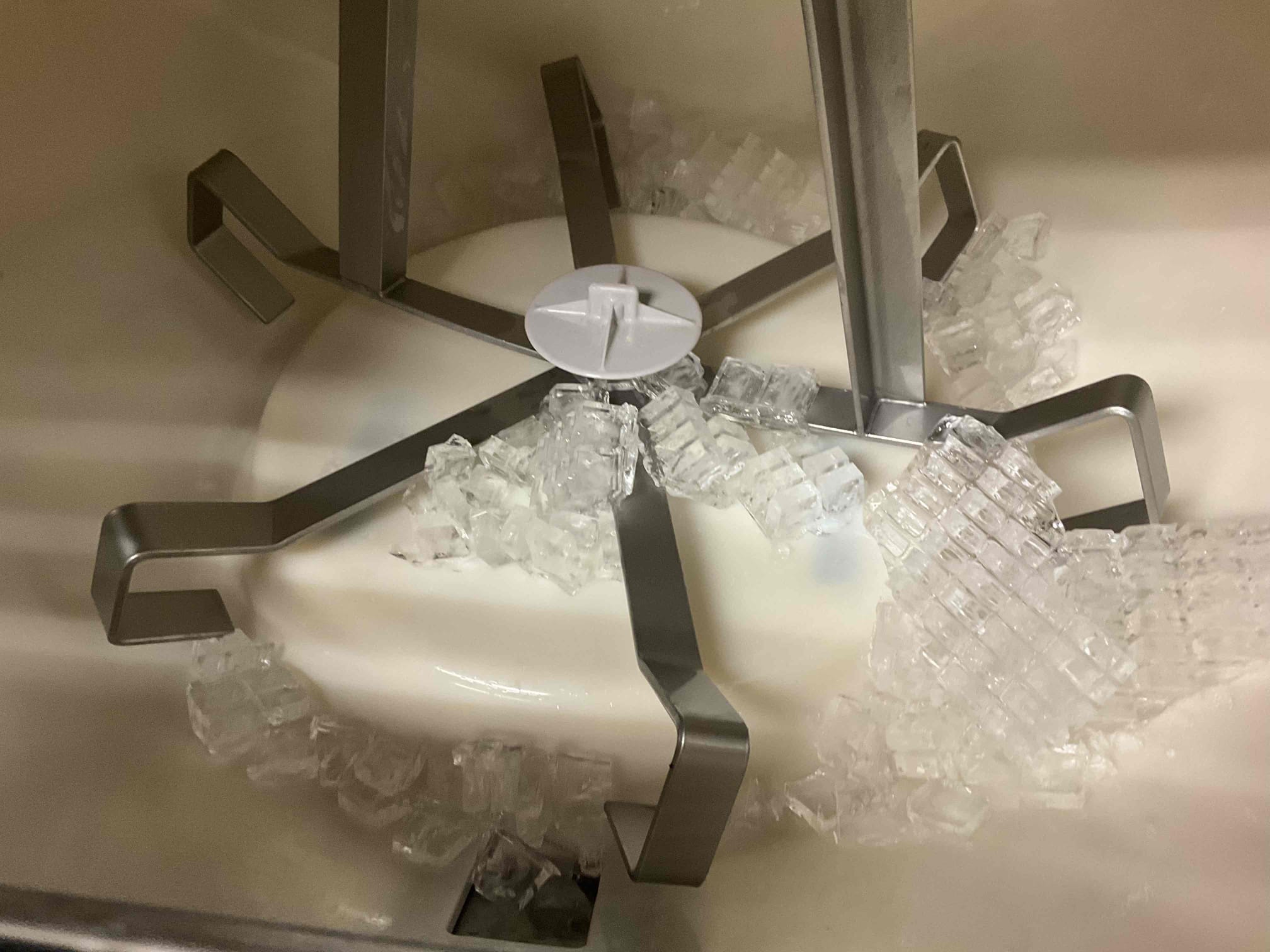
This can lead to infections, especially for patients with weak immune systems. Routine cleaning stops biofilm buildup, a sticky layer where germs grow fast.
Professional servicing also checks water filters and machine parts that water touches. Memphis Ice recommends following daily cleaning routines, plus quarterly inspections to prevent any health risks.
Regulatory Compliance
Healthcare facilities must follow strict guidelines set by groups like the Joint Commission. These rules require documented maintenance and cleaning to control waterborne pathogens—like Legionella, a dangerous bacteria found in some ice machines.
Regular servicing ensures you meet these standards and avoid costly violations. Keeping maintenance records proves your dedication to safety and patient care.
Memphis Ice supports you with tailored maintenance plans that align with these requirements. Staying ahead of inspections means your facility stays safe and your operations stay smooth.
Preventing Cross-Contamination
Ice machines can be a hidden source of germ transfer if not cleaned properly. Contaminated ice chests or dispensers may spread bacteria from one area of the hospital to another.
This risk increases when machines serve multiple locations, such as patient rooms, cafeterias, and waiting areas. To prevent this, your cleaning plan should cover machine surfaces, storage bins, and water lines.
Using portable ice carts during maintenance ensures continuous ice supply without contamination. When you work with a trusted local expert like Memphis Ice, you get hands-on support to keep your ice safe and your facility protected.
Types of Ice Machines Used in Healthcare Environments
Healthcare facilities need ice machines that fit different spaces and uses. You want equipment that is reliable, easy to clean, and can produce the right type and amount of ice for patient care.
The machines vary from large units made to handle heavy demand to smaller, space-saving systems designed for quick access.
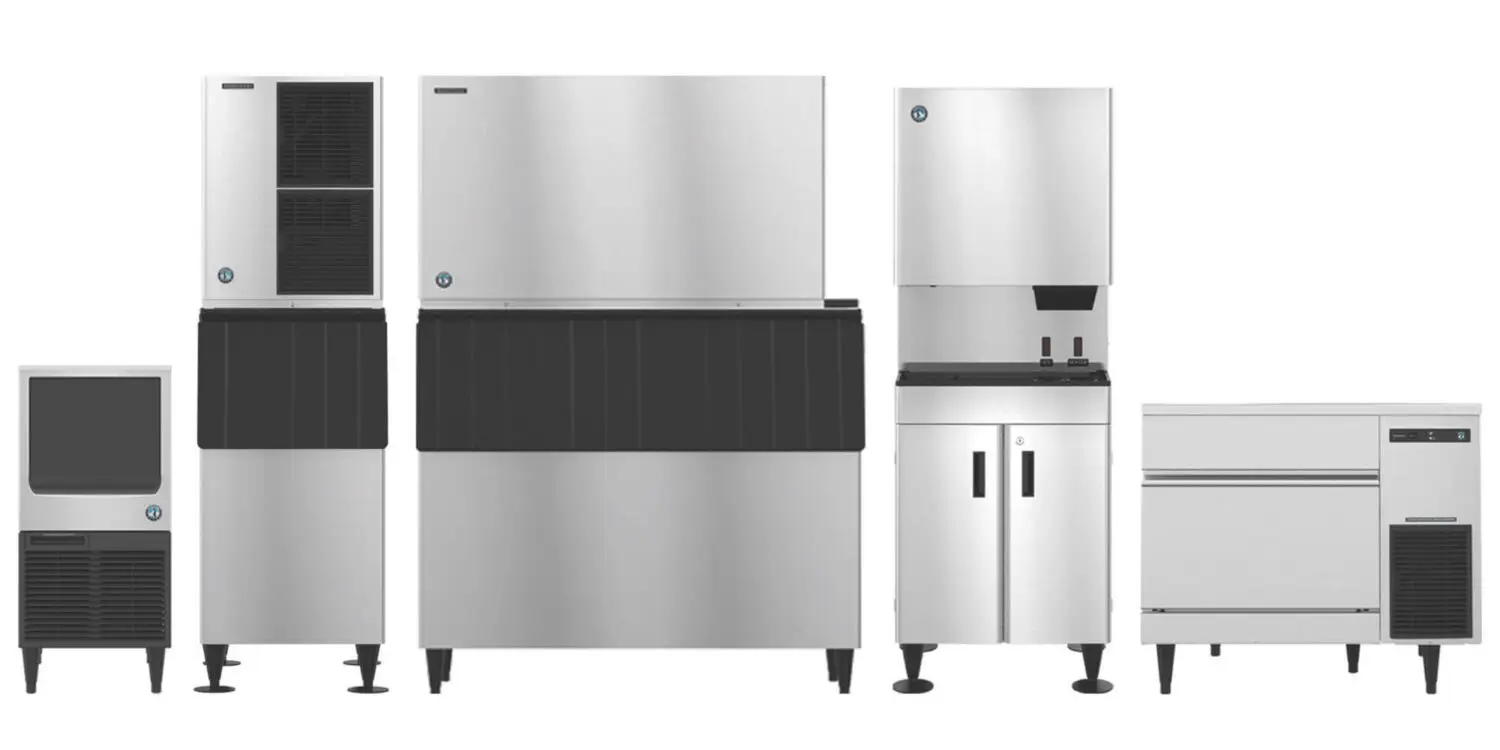
Modular Ice Makers
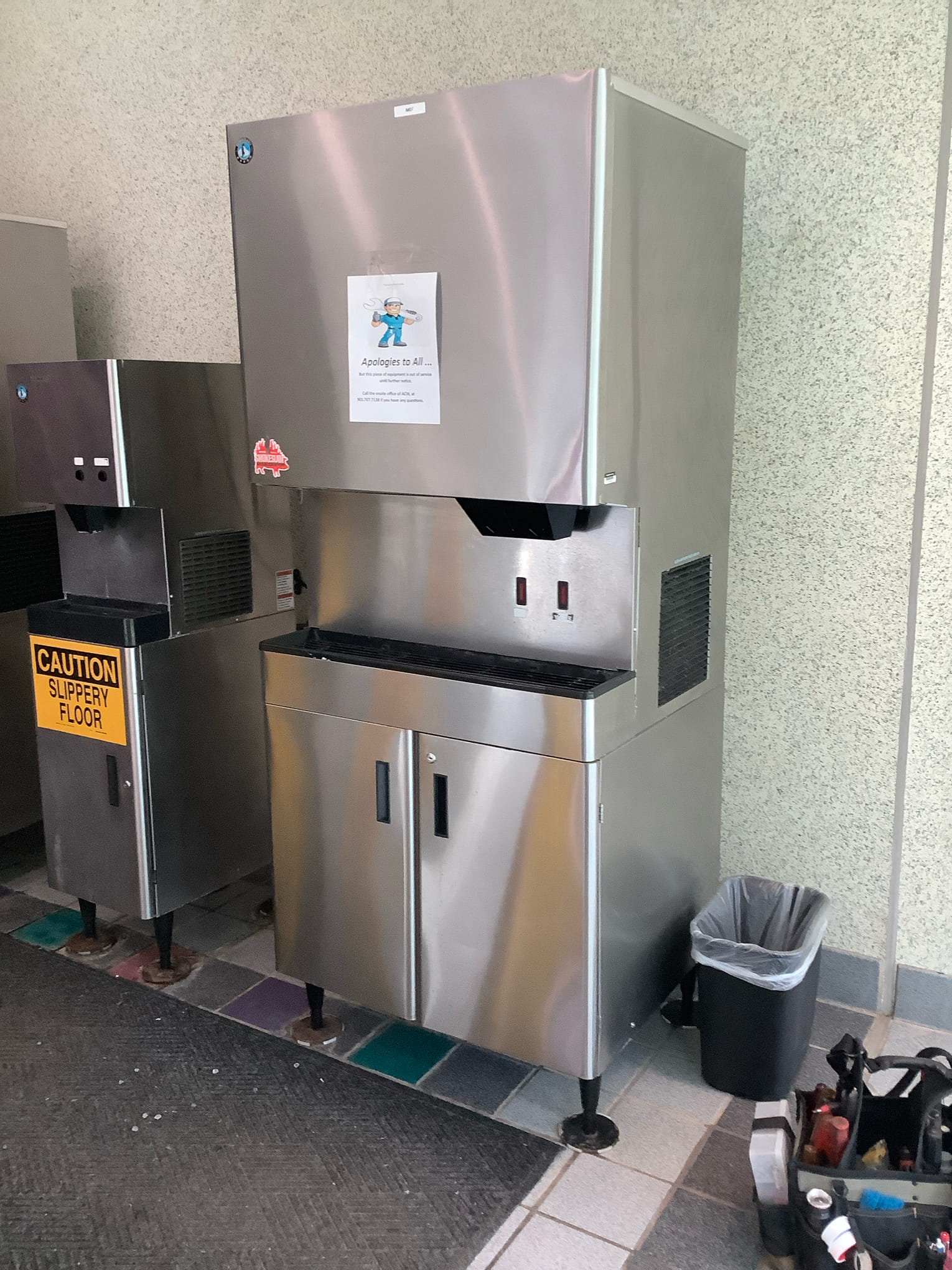
Modular ice makers are large, powerful machines placed on top of separate storage bins. These units produce a high volume of ice daily, making them great for busy hospital wings or large cafeterias.
They can be customized by pairing different-sized bins with ice makers for more storage or faster access. The ice produced is often clear, durable cubes that serve multiple uses—from chilling patient drinks to medical applications like reducing swelling.
With robust filtration and easy sanitation features, modular machines stay clean and safe for patient areas. If your facility needs a steady supply for diverse tasks, modular ice makers offer solid reliability.
Undercounter Units
Undercounter ice machines fit neatly under counters in smaller spaces like nurses’ stations or patient rooms. They are ideal when mobility and quick access matter.
These compact units typically produce moderate amounts of clean, cubed ice. You’ll appreciate how undercounter units save space while ensuring ice is always within reach.
They keep workflow smooth, so staff don’t have to walk far for ice during treatments. Maintenance is straightforward, and many models include self-clean cycles to meet healthcare hygiene standards.
For medium-demand areas, these units blend convenience with efficiency.
Countertop Nugget Dispensers
Countertop nugget dispensers produce soft, chewable nugget ice, which patients often prefer for hydration or therapy. The small, compact design sits on counters or carts for easy placement near patient beds or therapy rooms.
Nugget ice melts slowly and soothes injuries well, making it common for post-operative care. These dispensers often include user-friendly controls and quick refill features to keep ice available without interruption.
If patient comfort is a priority or you want a flexible option for several small-use areas, countertop nugget dispensers fit the bill.
Memphis Ice has supported healthcare facilities across the Mid-South with ice machines that meet these specific needs.
Routine Maintenance Procedures
Routine care keeps your healthcare ice machine working safely and efficiently. Key tasks include regular cleaning, timely filter changes, and thorough sanitization.
These steps help prevent bacteria buildup and machine breakdowns that can disrupt your facility.
Scheduled Cleaning Cycles
Cleaning your ice machine regularly is essential. Follow a daily wipe-down of external surfaces to remove dirt and dust.
Every month, clean the ice bin and dispenser areas to stop mold and biofilm from forming. Quarterly, perform a deeper clean inside the machine.
This includes washing removable parts with warm, soapy water and rinsing thoroughly. Avoid harsh chemicals unless they are safe for food contact surfaces.
Many healthcare facilities set a strict cleaning schedule to meet health standards.
Filter Replacement
Your ice machine’s water filter traps impurities that affect ice quality and machine health. Change filters every 6 months, or more often if your water source is heavily mineralized or if your machine usage is high.
A clogged filter reduces water flow and makes your machine work harder, raising the risk of breakdowns. Use the filter type recommended by your machine’s manufacturer; improper filters may cause damage or void warranties.
Memphis Ice can help you set up a filter replacement plan that fits your facility’s schedule and water quality.
Internal and External Sanitization
Sanitizing both inside and outside the ice machine prevents bacterial growth. Use an EPA-approved sanitizer safe for ice machines during quarterly or semi-annual deep cleans.
Focus on internal water lines, ice storage bins, and ice-making components. Residues and biofilm often hide in these areas and can contaminate ice if left untreated.
Externally, wipe down all accessible parts, including handles and control panels, daily. This reduces surface germs and helps maintain hygiene standards.
Sanitization is a key part of your overall infection prevention efforts in healthcare settings.
Troubleshooting Common Ice Machine Issues
Keeping your ice machine running smoothly means knowing what to look for when things go wrong. You’ll want to spot problems early so your machine stays reliable and your healthcare facility stays clean and efficient.
Performance Decline
When your ice machine starts making less ice than usual, it usually points to a few key causes. Check the water supply first — low pressure or dirty water can cut production.
Also, buildup on the evaporator plate can block ice formation. Make sure the machine is regularly cleaned to stop mineral deposits and biofilm from slowing it down.
If production is slow but the machine seems clean, look at the condenser. Dust or dirt on the coils reduces cooling power.
Cleaning or servicing the condenser can restore ice output. Regular inspections catch these issues early.
Unusual Noises
Strange sounds coming from your machine shouldn’t be ignored. Grinding or rattling often means loose parts or debris inside.
A high-pitched squeal can signal a failing motor or worn bearings. These noises affect performance and could cause bigger failures.
You can rule out basic causes like something stuck in the ice bin or fan area. If noises persist, it’s time to call a trusted service like Memphis Ice.
Quick attention stops small problems from causing machine downtime.
Water Leaks
Leaks lead to wasted water and possible damage in sensitive healthcare settings. Most leaks come from worn-out hoses, loose fittings, or cracks in the water line.
Inspect all connections carefully. Tighten any loose parts and replace damaged hoses promptly.
Another source can be clogged or frozen drain lines causing overflow. Clearing these lines prevents leaks and sanitary issues.
Fix leaks quickly to keep the area safe and your ice machine operating at full capacity. Memphis Ice technicians can help with fast, reliable repairs when needed.
Selecting Professional Ice Machine Servicing Providers
Choosing the right service provider means finding experts who understand both ice machines and the specific needs of healthcare facilities. You want skilled technicians and plans tailored to hospitals to keep your equipment safe, clean, and reliable.
Certifications and Experience
Look for technicians with proper certifications in commercial ice machine repair and maintenance. These prove they know the standards needed for healthcare settings, including handling bacteria risks like Legionella.
Experience working in hospitals or medical centers matters too. Qualified providers follow manufacturer guidelines and healthcare safety rules.
This lowers risks of contamination and helps avoid machine downtime. When a company has years of service under its belt, like Memphis Ice with 49 years in the Mid-South, you can trust they understand the challenges your facility faces.
A handy checklist when evaluating providers:
- Certified ice machine technicians
- Track record with healthcare clients
- Use of approved cleaning agents and tools
- Knowledge of infection control protocols
Healthcare-Specific Service Plans
Healthcare facilities need more than basic fixes. Service plans should include regular cleanings, preventive inspections, and emergency repairs.
These lower chances of biofilm buildup and waterborne pathogens that can endanger patients. Choose plans that specify:
- Daily or weekly cleaning routines
- Quarterly full inspections
- Annual professional servicing
- Clear response times for urgent repairs
A provider like Memphis Ice offers customized service plans tailored to your facility’s schedule and budget.
Knowing your provider understands healthcare’s unique needs saves you time and worry, ensuring patients always get safe, clean ice.
Service Documentation and Record-Keeping
Keeping clear records is essential to maintain the health and safety of your ice machine in a healthcare setting. Detailed logs and reports help track the machine’s performance and compliance over time.
This makes it easier to spot problems early and meet regulatory standards.
Inspection Logs
Inspection logs are your daily and routine records of the ice machine’s condition. They should include the date, time, and specific tasks completed, such as cleaning, filter changes, or parts replacements.
Note any unusual smells, noises, or visible buildup in the machine. Using a checklist format works best.
For example:
- Date of inspection
- Cleaning performed (yes/no)
- Filter check/replacement
- Machine tested for proper ice output
- Any issues found and actions taken
These logs give your team a clear history to look back on. They also help technicians from Memphis Ice know exactly what has been done, speeding up service visits and reducing downtime.
Compliance Reports
Compliance reports document your ice machine’s adherence to healthcare safety standards. They include detailed information about maintenance routines and any professional service visits.
These reports ensure your facility meets standards set by groups like The Joint Commission. Key items to include in these reports are:
- Dates of professional cleanings and inspections
- Verification of biofilm prevention efforts
- Records of any repairs or parts replaced
- Signatures of staff responsible for maintenance
Maintaining these records helps you stay prepared for audits. It also protects your facility by showing you took proper steps to keep the ice machine safe for patients and staff.
Memphis Ice can assist you with templates and guidance to keep these reports accurate and up to date.
Staff Training and Best Practices
Proper care of your healthcare ice machine starts with staff who know how to use and monitor it correctly. Understanding the right handling and recognizing when the machine needs service helps keep ice safe and equipment running smoothly.
Proper Usage
Your team should always use the ice machine with clean hands and avoid touching the ice directly. Make sure they use designated scoops, not cups or hands, to prevent contamination.
Regularly wiping down external surfaces helps reduce germs. Staff should also avoid placing anything near the machine that could introduce dirt or bacteria, like food containers or cleaning supplies.
Training to follow daily cleaning checklists is key. This includes emptying ice bins, cleaning dispenser nozzles, and checking for unusual smells or discoloration in the ice.
Clear, simple instructions help avoid mistakes that could lead to contamination or machine damage.
Spotting Service Needs
Spotting issues early can save you from costly repairs or health risks. Train your team to watch for signs like slow ice production, strange noises, or water leaks around the machine.
If ice looks cloudy, smells odd, or tastes off, the machine likely needs a professional deep clean. Temperature problems are another red flag; the ice should be solid and cold, not melting or freezing over.
Staff should promptly report these problems to your service provider. At Memphis Ice, we recommend scheduling regular inspections so trained technicians can catch issues before they cause downtime or health risks.
Cost Considerations for Ice Machine Maintenance
When you maintain your ice machine regularly, you save money over time. Skipping maintenance can lead to costly repairs or even health code violations.
Key cost factors to keep in mind:
- Routine cleaning and sanitizing: This is usually done daily or weekly and helps prevent bacteria buildup that can cause machine failure.
- Professional servicing: You should plan for at least two visits per year from a qualified technician to check parts and optimize performance.
- Parts and repairs: Replacing worn filters, valves, or pumps can add to costs, but catching these early is cheaper than emergency fixes.
Here’s a simple table to outline common expenses:
| Maintenance Type | Frequency | Typical Cost Range |
|---|---|---|
| Routine cleaning | Daily/Weekly | Low (your staff) |
| Preventive technician visit | 2 times/Year | Moderate ($150-$300) |
| Major repair or parts | As needed | Higher ($300 and up) |
Your ice machine’s environment also affects costs. If your facility has high traffic or sugar exposure, cleaning may need to be more frequent.
Innovations in Ice Machine Hygiene Solutions
Keeping your healthcare facility’s ice machine clean is key to patient safety. New hygiene solutions make it easier to maintain high standards without extra hassle.
Many machines now feature touchless dispensing. This reduces the chance of contamination from hands, which is important in busy hospital areas.
Continuous ice production also ensures fresh ice, cutting down on stored water where germs might grow.
Some ice machines include built-in cleaning cycles. These cycles use safe disinfectants to flush internal parts regularly.
That lowers biofilm buildup, which can harbor bacteria. Using these features means less manual cleaning and fewer surprises.
Here’s what to look for in a hygienic ice machine:
- Touchless dispensers to minimize contact
- Automatic cleaning cycles to reduce biofilm
- Consistent ice production for freshness
- Materials resistant to bacteria growth
Adding these features to your servicing plan means fewer breakdowns and safer ice for patients and staff.
Frequently Asked Questions
Keeping your ice machine clean and fully working is critical in healthcare. Knowing when to service it, what rules apply, and how to find the right help can save you time and prevent problems.
Here are clear answers to common questions you might have.
How often should a commercial ice machine be serviced?
You should schedule routine service at least every three months. Daily cleaning and weekly checks help prevent biofilm and bacteria growth.
Annual professional servicing ensures the machine runs without unexpected breakdowns.
What are the typical costs for servicing an ice machine in a healthcare facility?
Costs vary based on machine size and location. On average, quarterly maintenance can range from $150 to $300 per visit.
Emergency repairs may be higher. Planning regular service helps avoid expensive last-minute fixes.
What are the FDA regulations concerning sanitation and maintenance of ice machines in healthcare facilities?
The FDA requires ice machines to be cleaned regularly to prevent contamination. You must follow manufacturer instructions and health guidelines to control waterborne pathogens.
Documenting cleaning and service helps maintain compliance.
Do health inspectors include ice machines in their routine checks of healthcare facilities?
Yes, ice machines are inspected as part of infection control. Inspectors look for cleanliness, proper maintenance, and if there is a written cleaning plan.
Failure to maintain machines can lead to citations or increased risk of patient illness.
What should I look for when choosing a service provider for ice machine maintenance in a healthcare setting?
Choose a provider who understands healthcare standards and has experience with commercial ice machines. Local experts, like Memphis Ice, offer trusted, quick service and know the unique needs of Mid-South facilities.
Verify certifications and response times before hiring.
How do I troubleshoot common issues with my healthcare facility’s ice machine?
Check for power supply problems first.
If ice quality drops or production slows, look for dirty filters or blocked water lines.
Clean the machine regularly.
For support, Memphis Ice has been keeping healthcare facilities in the Mid-South running smoothly since 1977.
Talk to an expert today to keep your ice machine in top shape.
Recent News
Factors That Impact Commercial Ice Machine Recovery Rate Explained Simply
Signs Your Freezer Door Gaskets Need Replacement and How to Spot Them Early
Signs Your Ice Machine Needs Deep Cleaning and How to Spot Them Early
Signs Your Refrigeration System Is Undersized for Your Business and How to Fix It
Steps to Ensure Consistent Refrigeration Across Multiple Units for Smooth and Efficient Cooling
Steps to Keep Food Storage Safe During a Power Outage Friendly Tips for Your Home