proudly serving
the mid-south


Factors That Impact Commercial Ice Machine Recovery Rate Explained Simply
Your commercial ice machine’s recovery rate—the time it takes to crank out a fresh batch after dispensing—is pretty crucial for keeping your business humming. Things like water quality, ventilation, and regular maintenance all shape how fast your ice machine bounces back. If you let these slide, you’ll probably deal with sluggish production, downtime, and, yeah, frustrated customers.
When your machine’s ice output lags, issues like scale from hard water or stifled airflow are often the culprits. Good water filtration and a clean, breezy spot help your equipment do its job. At Memphis Ice, we’ve spent decades helping local businesses figure out and fix these exact headaches.
Temperature Factors
Temperature’s a big deal for ice machines. Heat sneaks into the process in more ways than you’d expect. If you get a handle on these, your machine’s less likely to let you down.
Ambient Room Temperature
Where you put your ice machine matters—a lot. If the ambient temperature is high, the machine’s cooling parts have to work overtime to pull heat out. That slows everything down and can even shorten the machine’s life.
Keep things cool and let the air flow. Don’t park your machine next to ovens, dishwashers, or anything else that cranks out heat. If your space gets stuffy, try a fan or tweak the ventilation. At Memphis Ice, we always suggest cleaning vents and coils so your machine can actually breathe.
Tip: Shoot for 70°F to 80°F air around your machine. Go higher, and you’ll notice recovery times drag out.
Incoming Water Temperature
Colder water speeds things up, plain and simple. If water coming in is warm—over 70°F, for example—it takes longer and burns more energy to freeze.
Grab a thermometer and check your water temp. If it’s always warm, maybe reroute the line away from hot pipes, or look into cooling the supply. Hard water or water full of gunk also makes things harder, so a filtration unit does double-duty: it keeps your ice clear and helps the machine run smoother.
The colder your incoming water, the quicker those ice cycles. Plus, your machine won’t wear itself out as fast.
Heat Exchange Efficiency
Heat exchange is just how your ice machine gets rid of warmth so the ice can form. If this process bogs down, ice forms at a snail’s pace and the machine guzzles more power.
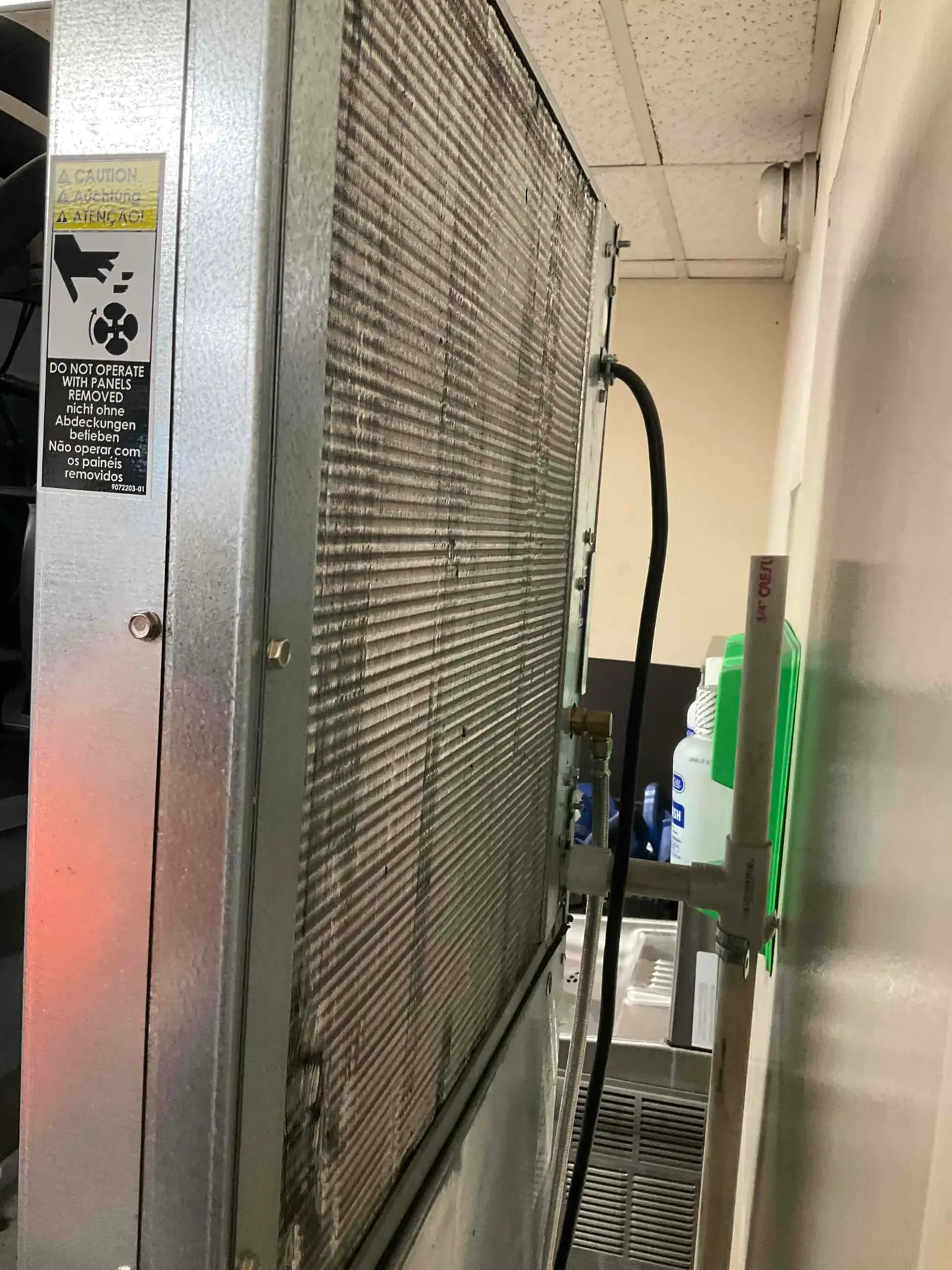
Dust, grime, or mineral gunk can clog up heat exchangers. Clean them regularly, keep airflow steady, and make sure condenser coils aren’t buried under debris. In hot or humid spots, you’ve got to be even more vigilant.
Memphis Ice helps folks schedule yearly tune-ups to keep heat exchange humming, especially when business is booming.
Water Quality and Supply
Your ice machine’s recovery speed hinges on water quality and a steady supply. Water pressure, mineral content, and solid filtration all matter. If you ignore these, downtime and expensive repairs are pretty much guaranteed.
Water Pressure Consistency
You need steady water pressure for smooth ice production. If it drops too low, the machine can’t fill the evaporator right, and ice output slows. Crank it up too high, and you risk leaks or worn-out parts.
Pressure swings usually mean plumbing problems or a tired supply system. A regulator keeps things in check (usually 20–80 psi is safe). Check your lines for clogs or leaks now and then.
Low or jumpy water pressure can mess with both the amount and quality of ice. If your production drops, check the pressure before calling in Memphis Ice for a deeper look.
Mineral Content in Water
Hard water—loaded with calcium, magnesium, and friends—leaves scale inside your machine. That white, chalky junk insulates the evaporator, making freezing less efficient and slowly wrecking parts.
Scale can also clog water lines and vents, so your machine works harder and your energy bill creeps up. Sure, descaling helps, but stopping minerals before they get in is smarter.
If you’re in a hard water area, test your water once a year. Lots of minerals mean your machine wears out faster. Memphis Ice usually suggests a softener or treatment if your numbers are high.
Water Filtration Systems
Filtration’s your best bet against sediment, chlorine, and other junk that trashes ice machines. Filters keep particles out, so water flows right and parts last longer.
Skip filtration, and you’ll get cloudy ice, weird flavors, and a machine that breaks down more often. Clean, filtered water just makes for better ice—and happier customers.
Swap filters as often as the manufacturer says (every 3–6 months for busy places). Get a filtration system made for commercial ice machines and you’ll sidestep a lot of headaches.
Machine Design and Capacity
Your ice machine’s design and size matter more than you might think. The compressor, storage bin, and evaporator plate all play their part in keeping production fast and reliable.
Compressor Performance
The compressor’s the heart of the operation. It squeezes refrigerant to chill the evaporator and freeze water. A solid, well-kept compressor keeps cycles short and steady.
If the compressor’s too small or struggling, you’ll wait longer for ice. Dirt and wear drag it down even more. Clean filters and check refrigerant levels regularly to keep things running right.
We always push for a reliable compressor. Match it to your actual ice needs. Too small? It can’t keep up. Too big? You’re just wasting energy (and money).
Ice Storage Bin Size
The storage bin decides how much ice you have on hand when things get busy. If it’s too small, it fills up fast and the machine shuts off until you use some ice—slowing recovery.
Too big, and ice sits around melting, wasting energy and water. You want a bin size that fits your busiest times but doesn’t leave ice sitting.
Here’s a quick cheat sheet:
| Production Rate (lbs/day) | Recommended Bin Size (lbs) |
|---|---|
| Up to 200 | 50 – 100 |
| 200 to 500 | 100 – 200 |
| Over 500 | 200+ |
Get this balance right, and your ice machine will keep up without wasting resources.
Evaporator Plate Design
The evaporator plate’s where water turns to ice. Its design affects how fast ice forms and how easily it drops. Plates with good heat transfer materials and slick surfaces freeze water quickly and release ice without a fight.
Some plates have grooves or angles to help ice slide off fast, speeding up cycles. If ice sticks, the machine wastes time melting and redoing batches.
Clean the plate often to keep minerals from building up and slowing things down. Water filters help here, too. Memphis Ice always keeps an eye on this part—it’s key for steady production.
Maintenance and Cleanliness
A well-maintained, clean ice machine recovers way faster. Dirt, scale, and worn parts slow things down and mess with ice quality. Stay on top of care, and your machine will thank you.
Frequency of Cleaning
How often you clean matters—a lot. Go too long, and scale and bacteria pile up. Most commercial ice machines need a thorough cleaning every 2 to 4 weeks: empty old ice, scrub the bin, and sanitize anything that touches water or ice.
If your water’s hard or full of minerals, clean more often. Skip cleaning, and your ice might taste funky or look cloudy. For Mid-South businesses, Memphis Ice includes regular cleaning in their service plans—it’s one less thing to stress about.
Scale and Slime Buildup
Scale and slime are troublemakers. Scale shows up as white, chalky gunk that slows water flow and stretches out freezing times. Slime is that slippery film that can harbor nasty bacteria, hurting ice quality and health.
Mineral buildup cuts freezing efficiency and can wreck parts over time. Run water filters or softeners to cut down on deposits. Memphis Ice usually recommends regular descaling to keep things from getting out of hand.
Routine Inspections
Routine inspections catch problems before they snowball. Swap filters, check for leaks, look at seals, and test for electrical issues each month. Don’t forget to peek inside and check the recovery rate, too.
Keep the area around your machine clean and breezy. Dust and heat nearby can tank performance. Memphis Ice offers monthly inspections to keep things running smooth and avoid nasty surprises.
Operational Practices
How you use your ice machine changes how fast it recovers. Two big pieces: how much ice your business chews through, and how you manage the breaks between batches. Get these right, and your machine will keep up.
Load Demand Fluctuations
Recovery rate swings with your ice demand. If your business has busy stretches—like a packed lunch rush—the machine has to hustle. Heavy use means less time to recover, and sometimes it just can’t keep up.
When things slow down, the machine catches its breath and fills the bin. If you’re always slammed, consider renting an extra machine during peak times or rethinking your workflow. Memphis Ice can help you match equipment to your real-world needs.
Time Between Harvest Cycles
Recovery rate also depends on how long the machine waits between harvest cycles. A cycle is when it dumps the ice it just made and starts over. Longer freeze times mean more ice per cycle.
If the machine harvests too often, you get smaller batches and slower recovery. Wait too long, and ice can stick or get weirdly shaped.
Tweak the timing based on your machine and environment. Keeping everything clean and maintained helps the sensors work right and keeps cycles efficient. Memphis Ice checks this stuff during regular service calls.
Frequently Asked Questions
If you want to dodge costly delays, keep an eye on water quality, temperature, and regular care. They really do make a difference in how fast your machine bounces back.
What can cause a decrease in my ice machine’s production capabilities?
A few things can slow your ice machine down. Dirty water filters block flow, and bad ventilation can make the machine overheat. Ice or scale building up inside also cuts production.
Water supply hiccups—like low pressure or too many minerals—can wear out parts and shrink your daily ice haul.
What maintenance steps should I take to ensure optimal performance of my commercial ice machine?
Check your water filters often and swap them out when they start looking rough—clean water keeps things running smooth. Scrape off ice buildup and clean the inside parts on the schedule your manufacturer recommends. Don’t crowd the machine; give it some breathing room for good airflow.
Honestly, it’s smart to get a local pro to service your machine regularly. That way, you dodge random breakdowns and make sure your ice stays safe. Memphis Ice can help set up a plan, so you’re not caught off guard.
How does ambient temperature affect the efficiency of ice machines?
Ice machines seem happiest in rooms between 70 and 75°F. If it’s hotter, the machine’s gotta work overtime. That slows down ice production and cranks up your energy bill.
Try to keep the area cool. Your machine will bounce back quicker and handle busy rushes better.
Could water supply quality influence my ice machine’s recovery rate?
Absolutely, water quality makes a big difference. Hard water—full of minerals—leaves scale inside, which slows freezing and wears out the machine.
A good water filter or softener can save you a headache and help your ice machine last longer.
What are the signs that my ice machine may need professional servicing?
Watch for slower ice output, weird noises, or odd smells. If you spot extra ice building up inside or notice any leaks, those are red flags.
Machines that keep shutting off or can’t stay cold enough? That’s when it’s time to bring in a pro.
How do different types of ice machines vary in recovery and production speed?
Nugget, cube, and flake machines each have their quirks. Nugget machines tend to bounce back quickly after you scoop out some ice, though the ice itself is softer—maybe a bit too soft for some folks. Cube machines, on the other hand, take their sweet time but crank out those clear, solid cubes that stick around longer in your drink.
Honestly, it comes down to what your business actually needs and just how fast you burn through ice when things get hectic.
Recent News
Signs Your Freezer Door Gaskets Need Replacement and How to Spot Them Early
Signs Your Ice Machine Needs Deep Cleaning and How to Spot Them Early
Signs Your Refrigeration System Is Undersized for Your Business and How to Fix It
Steps to Ensure Consistent Refrigeration Across Multiple Units for Smooth and Efficient Cooling
Steps to Keep Food Storage Safe During a Power Outage Friendly Tips for Your Home
Steps to Reduce Energy Costs with Efficient Refrigeration Units for a Greener Home