proudly serving
the mid-south


Commercial Refrigeration System Installation Best Practices for Efficiency and Reliability
When it comes to commercial refrigeration system installation, getting the right setup is critical for keeping your products fresh and your business running smoothly. A properly installed refrigeration system ensures consistent temperature control, energy efficiency, and long-term reliability tailored to your specific business needs. Whether you operate a restaurant, grocery store, or healthcare facility, having a dependable cooling solution is essential.
At Memphis Ice, we understand the importance of choosing the right type of equipment—like walk-in coolers or reach-in units—and ensuring everything is installed according to industry standards. From system design to secure connections between components, every detail matters to avoid costly downtime or maintenance issues later.
Your refrigeration needs in Memphis and the surrounding Mid-South vary, and so does the installation process. Working with local experts who know the region’s demands makes all the difference, so you can trust your refrigeration system will perform when it matters most.
Understanding Commercial Refrigeration Systems
Commercial refrigeration systems are designed to maintain precise temperatures, protect product quality, and ensure operational efficiency. Knowing how these systems work, what components they involve, and where they are commonly used can help you make informed decisions for your business.
Types of Commercial Refrigeration Systems
There are several types of commercial refrigeration systems, each suited for different tasks:
- Walk-In Coolers and Freezers: These are large insulated rooms used for storing bulk refrigerated or frozen goods. Ideal for restaurants, grocery stores, and warehouses.
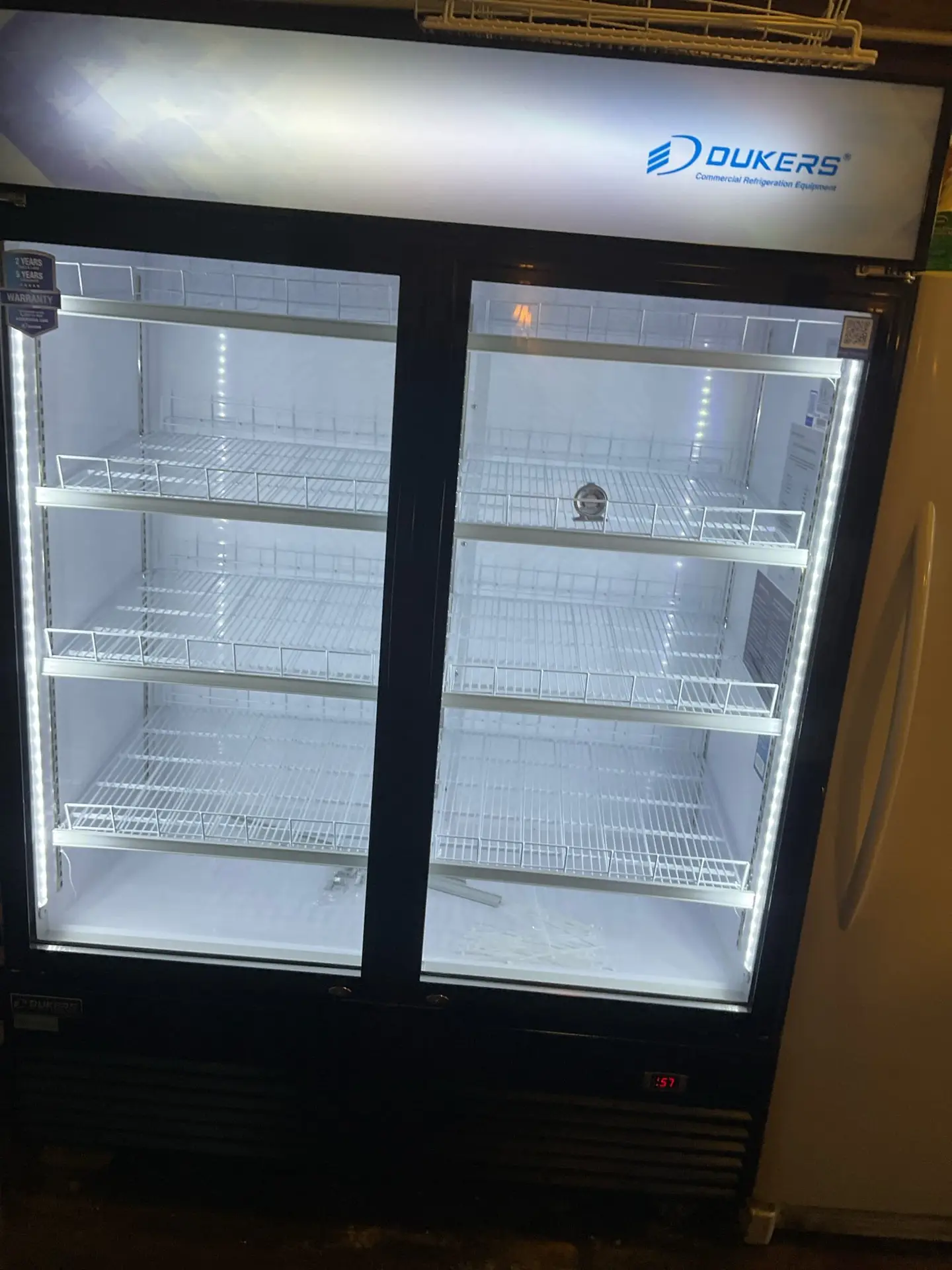
- Reach-In Refrigerators: Upright units with doors for easy access to ingredients or products, common in kitchens and bars.
- Under-Counter Units: Compact refrigerators or freezers placed beneath counters to save space.
- Display Cases: Designed for product visibility while maintaining cold temperatures, used in retail or deli settings.
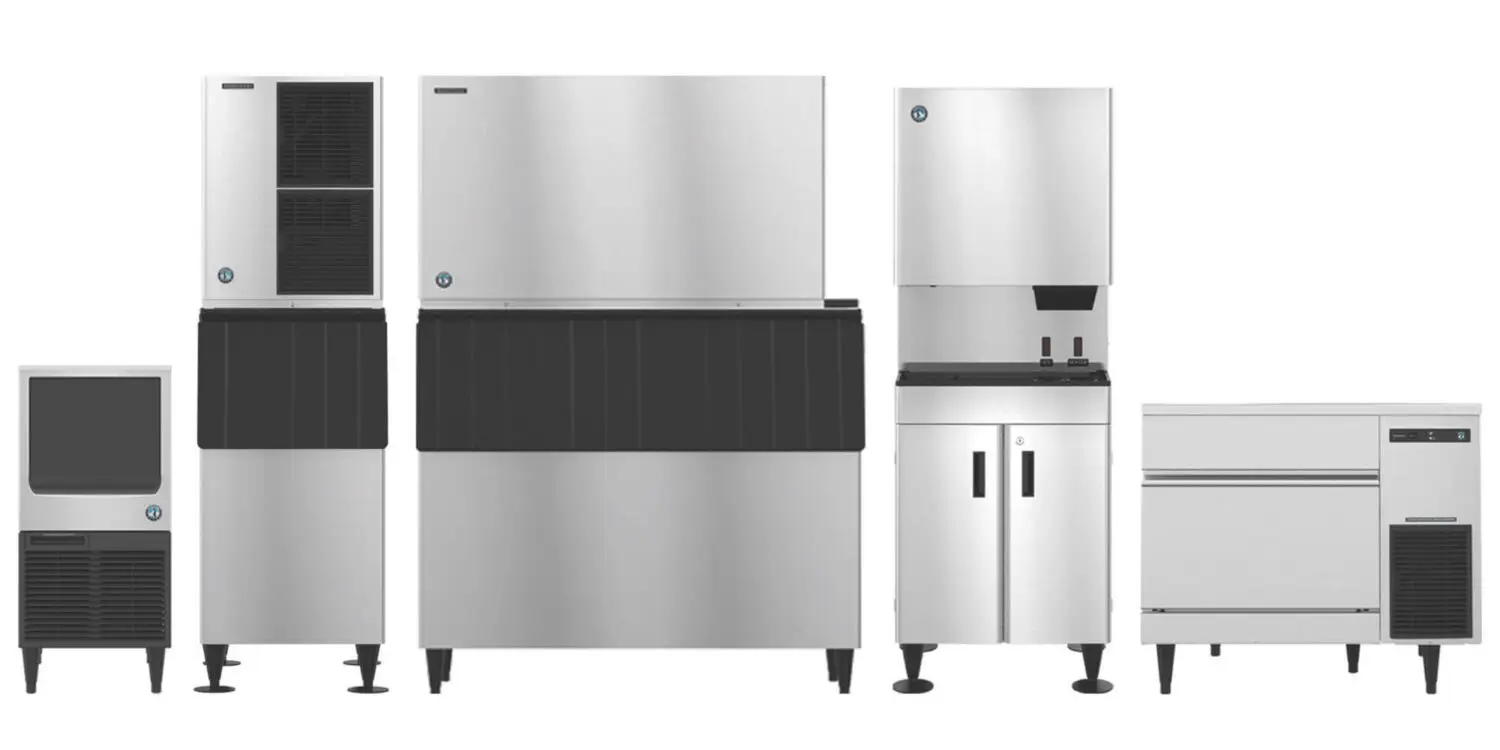
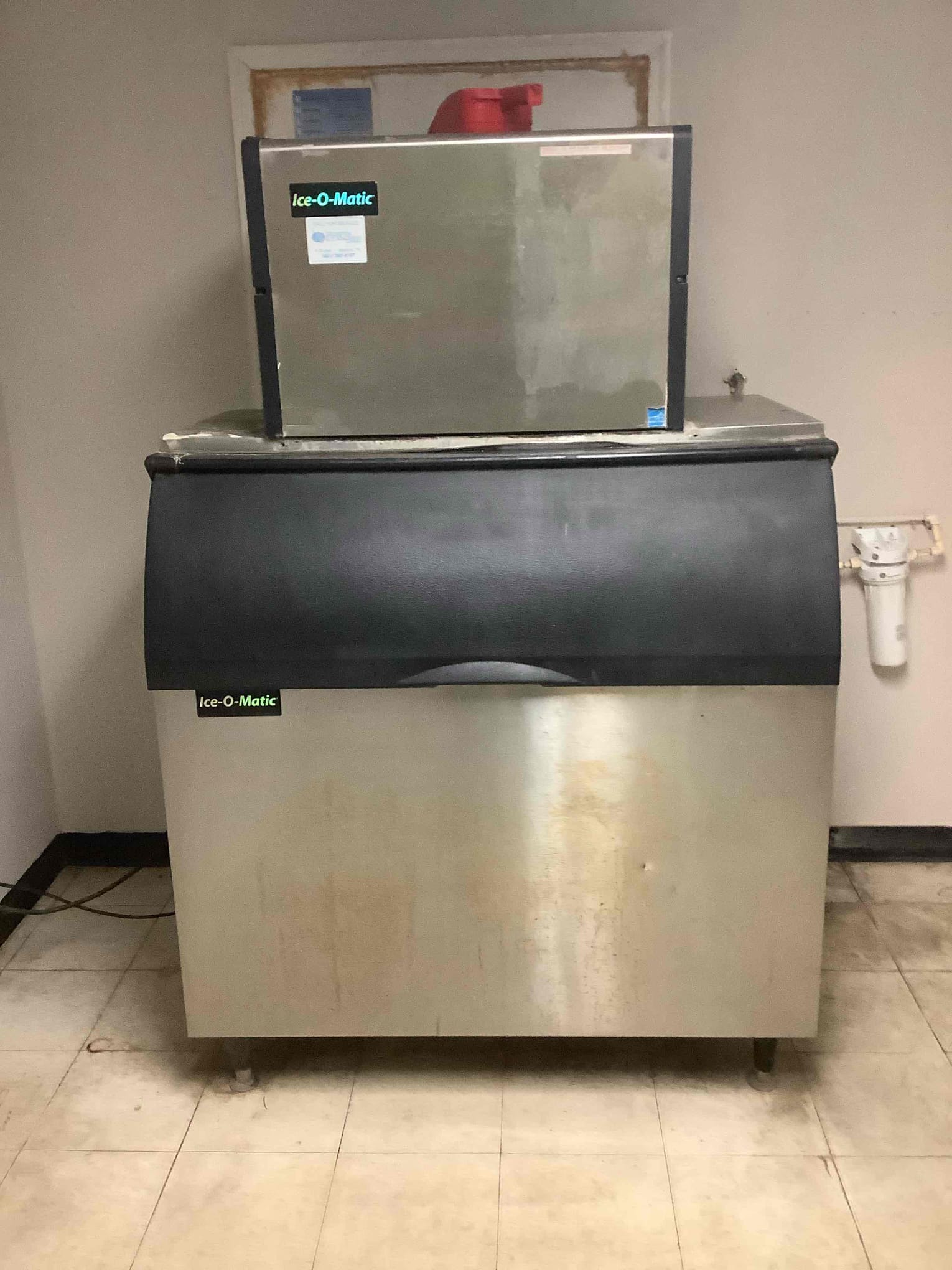
- Ice Machines: Specialized units producing ice for food service or healthcare.
Each system type supports your operation’s specific storage needs, whether it’s large inventory or quick access to ingredients.
Key Components and Functions
Understanding the main parts helps you monitor and maintain your system effectively. Key components include:
- Compressor: The engine that pressurizes refrigerant, starting the cooling cycle.
- Condenser: Releases heat absorbed from inside to the outside environment.
- Evaporator: Absorbs heat from inside the refrigerated space, cooling the air.
- Expansion Valve: Regulates refrigerant flow into the evaporator.
Together, these parts regulate temperature and energy use. Proper function of each ensures reliable cooling and helps avoid costly repairs. In Memphis Ice’s experience, attentive maintenance of these components keeps your system running smoothly year-round.
Common Applications in Commercial Settings
You’ll find commercial refrigeration in multiple industries where temperature control matters most:
- Restaurants: Cold storage for ingredients, prep tables, and ice machines keep kitchen operations efficient.
- Grocery Stores: Large display cases and walk-in coolers preserve fresh and frozen goods on shelves.
- Hospitals and Healthcare: Specialized refrigeration stores medicine and lab samples at exact temperatures.
- Catering and Hospitality: Portable or fixed units keep food safe during events.
- Industrial and Manufacturing: Cold storage maintains product integrity during production processes.
Knowing how your refrigeration system fits into your business’s daily workflow helps you select the right equipment and services to maintain consistency. Memphis Ice has supported countless Mid-South businesses in these areas, ensuring refrigeration is the least of your worries.
Pre-Installation Planning
Careful planning before your commercial refrigeration installation sets the foundation for efficient operation and long-term reliability. Addressing site conditions, system choice, and regulatory requirements early will prevent costly delays and help your business stay compliant and productive.
Site Assessment and Requirements
Start by evaluating your installation site’s physical conditions. Check available space, electrical capacity, ventilation, and drainage. These factors determine which refrigeration units fit and how they operate efficiently.
Consider your business’s cooling needs based on volume and type of products stored. A restaurant’s walk-in cooler requires different capacity than a hospital’s medical freezer. Also, assess traffic flow and accessibility for maintenance.
Document any potential obstacles such as low ceilings or nearby heat sources. This upfront assessment helps avoid surprises and shapes the installation plan tailored to your site. Memphis Ice recommends a thorough site review to match system specs with your facility’s constraints.
Choosing the Right System
Selecting the correct refrigeration system depends on your business size, storage needs, and energy goals. Options include walk-in coolers, reach-in refrigerators, or custom cold rooms.
Evaluate capacity requirements carefully. Oversized equipment wastes energy; undersized leads to frequent breakdowns. Look for systems designed for your industry’s specific demands, whether food service, healthcare, or retail.
Energy efficiency and ease of maintenance are critical. Consider units with modern controls, reliable compressors, and accessible parts. Memphis Ice’s experience shows that matching the system type to your operation reduces downtime and total costs.
Create a checklist of must-haves such as temperature ranges, backup power support, and modular designs for future expansion.
Compliance with Codes and Standards
Your installation must meet local codes, health regulations, and safety standards. This includes electrical work, refrigeration handling laws, and sanitary requirements.
Identify all applicable regulations before purchasing equipment. Proper ventilation, refrigerant type, and fire safety measures need verification against building codes and environmental laws.
Work with certified installers familiar with the Mid-South region’s rules. They will help obtain necessary permits and schedule inspections. Non-compliance risks fines and operational interruptions.
Documenting compliance prepares your business for audits and supports insurance claims if issues arise. Memphis Ice ensures its projects meet all required standards so you stay protected and operational.
For detailed guidance, review a comprehensive pre-installation checklist.
Commercial Refrigeration System Installation Process
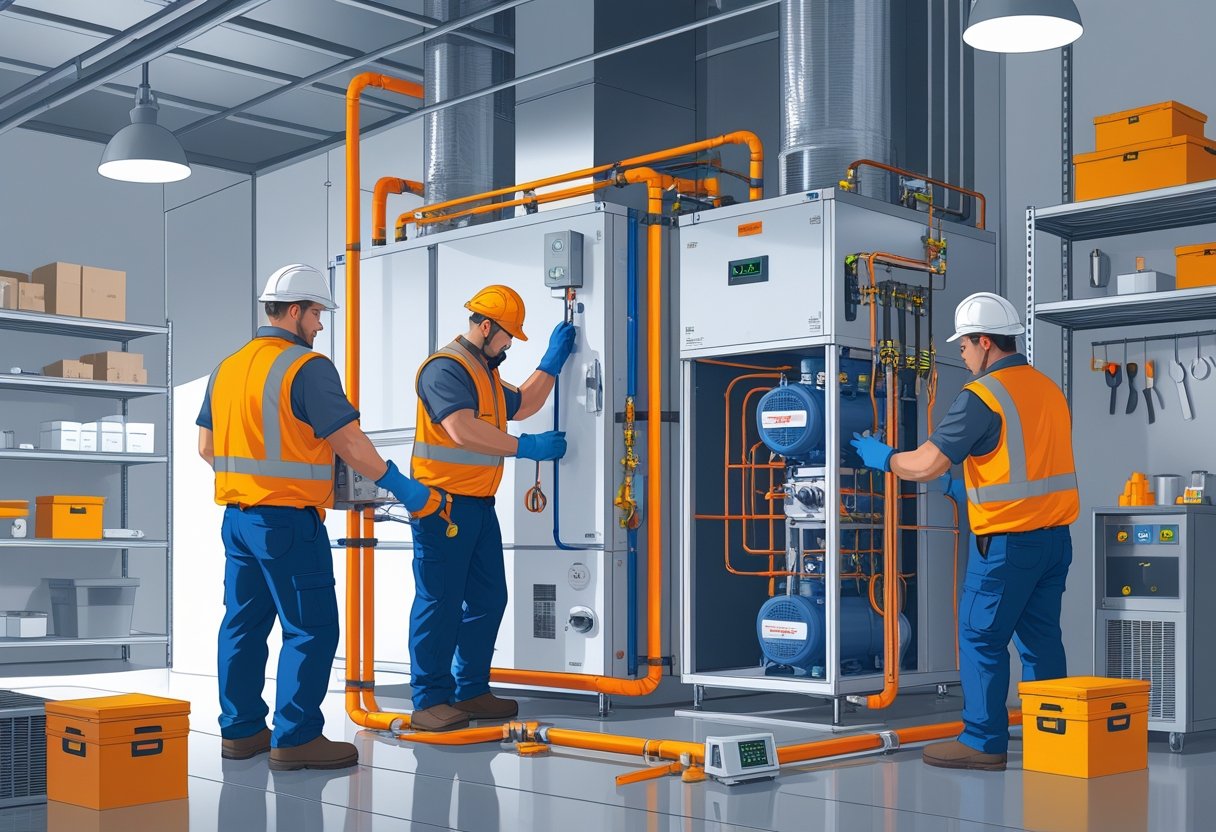
Installing a commercial refrigeration system involves careful steps to ensure efficiency, safety, and long-term reliability. You’ll need to manage equipment setup, secure proper placement of units, connect essential utilities, and fine-tune the system for optimal performance.
Preparation and Equipment Setup
Start by assessing your business’s specific refrigeration needs. Select the appropriate system based on size, capacity, and purpose—whether it’s walk-in coolers, reach-in refrigerators, or ice machines. Gather all necessary tools and components before beginning installation.
Ensure the installation area is clean, dry, and free from obstructions. Verify that the floor can support the system’s weight. Arrange for adequate ventilation and power supply, taking local electrical codes into account.
At Memphis Ice, we emphasize preparing for these details early to prevent delays. Inspect each unit’s condition upon delivery and double-check documentation for warranty and model specifics.
Mounting and Positioning Units
Position the refrigeration units to allow for proper airflow and easy access for maintenance. Avoid placing equipment directly against walls; maintain recommended clearances specified by the manufacturer.
Use level mounting brackets or platforms to stabilize the units and prevent vibrations that can damage components. For larger installations like walk-ins, ensure panels fit snugly without gaps that could cause temperature loss.
If you’re handling multiple units, arrange them for simplified piping and wiring routes, reducing complexity and future service time. Proper mounting helps extend the life of your refrigeration system while maintaining steady temperatures critical for your products.
Connecting Electrical and Plumbing
Attach electrical components carefully, making sure connections conform to local electrical codes and manufacturer instructions. Use appropriate wire gauges and protect circuits with dedicated breakers.
Connect plumbing lines to supply water for ice machines or condensers, ensuring leak-free seals. Install drain lines with proper slope to prevent water backup and mold growth.
Test all connections before powering the system. Incorrect wiring or plumbing can cause system failure or safety hazards. For peace of mind in Memphis and the Mid-South, trusted experts can handle this step with precision.
System Start-Up and Calibration
Once all connections are secure, start the system and monitor performance. Check refrigerant levels and inspect for leaks or unusual noises. Adjust thermostats and control settings based on your desired temperature range.
Run the system through several cycles to ensure consistent operation and achieve stable cooling. Calibrate sensors and alarms to alert you if temperatures stray outside safe limits.
Proper start-up and calibration reduce downtime and improve energy efficiency. If issues arise, address them immediately to avoid costly repairs or spoilage. When in doubt, reach out to Memphis Ice for experienced guidance and support.
Post-Installation Best Practices
Once your commercial refrigeration system is installed, several key steps ensure it operates safely, efficiently, and reliably over time. Proper testing, fine-tuning, energy management, and staff readiness are essential to protect your investment and avoid costly issues later.
Performance Testing and Adjustments
Right after installation, you need to verify that the refrigeration system meets all performance specifications. This means checking temperature consistency throughout the unit and ensuring all components run within manufacturer guidelines.
Measure refrigerant levels, airflow, and compressor operation carefully. Note any abnormal noises or vibrations that could indicate installation issues. Adjust the system settings if necessary to stabilize temperature and reduce strain on parts.
Use digital monitoring tools if available, to track system behavior in real-time during this testing phase. Document all results and corrections for future reference. These steps help prevent early failures and guarantee that your equipment works as promised, making sure your perishable inventory stays safe.
Energy Efficiency Optimization
Your system’s operating costs depend heavily on how efficiently it uses energy. After installation, focus on optimizing settings to reduce power consumption while maintaining target temperatures.
Check door seals, insulation integrity, and ensure proper ventilation around the unit to prevent heat buildup. Adjust defrost cycles to run only as needed rather than on a fixed schedule, saving electricity.
If your system supports variable speed compressors or fans, configure these for gradual load adjustments rather than full power runs. Memphians who invest in these tweaks often see a measurable drop in monthly utility bills.
Regular follow-ups to clean coils and check refrigerant charges also support ongoing energy savings by keeping the system running smoothly with less strain.
Staff Training and Documentation
Your team plays a crucial role in maintaining system performance and preventing damage. Provide thorough training on daily operation routines, including proper door use, temperature monitoring, and reporting irregularities immediately.
Create easy-to-follow checklists for daily and weekly maintenance tasks to reinforce good habits. Teach staff how to recognize warning signs like excessive frost, noises, or temperature fluctuations before they escalate into bigger problems.
Also, keep all manufacturer manuals, service records, and warranty information organized and accessible. This documentation helps when scheduling routine servicing or troubleshooting and supports clear communication with your Memphis Ice refrigeration experts.
Consistent training and good record-keeping empower your staff to protect your investment and ensure long-term reliability.
For additional details on maintaining efficiency and safety in commercial refrigeration installations, consult this commercial refrigeration installation and maintenance guide.
Troubleshooting and Ongoing Maintenance
Keeping your commercial refrigeration system running smoothly requires timely problem identification and consistent upkeep. Addressing issues early prevents costly downtime, while regular checks and planned maintenance extend the life of your equipment.
Identifying Common Installation Issues
After installation, watch for temperature inconsistencies, unusual noises, or excessive frost build-up. These often indicate problems like improper refrigerant charge, poor airflow, or faulty seals.
Leaks in the evaporator coil are common and reduce cooling efficiency. Make sure drainage is clear to avoid water accumulation that can lead to corrosion or mold growth.
Electrical connections should be tight and corrosion-free to prevent intermittent failures. If you notice fluctuations, check the thermostat calibration and sensors. Early troubleshooting can save hours of costly repair later.
Routine Inspection Procedures
Carry out weekly inspections focusing on key components:
- Condenser coils: Clean dust and debris to maintain airflow and prevent compressor strain.
- Door gaskets: Ensure seals are intact to avoid cold air loss.
- Temperature readings: Confirm actual temperatures match settings.
- Defrost cycles: Verify proper operation to prevent ice build-up.
Document findings to track performance over time. Use a checklist to avoid missing crucial points during routine checks. This systematic approach keeps your unit reliable and energy-efficient.
Scheduling Preventive Maintenance
Plan maintenance at least twice a year, ideally before peak usage seasons in Memphis and the Mid-South. This includes:
- Deep cleaning of condenser coils and evaporator.
- Checking refrigerant levels and system pressures.
- Testing and calibrating controls and sensors.
- Inspecting electrical panels and wiring integrity.
Memphis Ice recommends setting up a service agreement to stay ahead of issues with expert technicians familiar with local climate impacts. Proactive care reduces emergency calls and keeps your business running without disruption.
Talk to an expert today about scheduling preventive maintenance to protect your investment.
Frequently Asked Questions
Installing a commercial refrigeration system involves decisions about contractors, costs, and process steps. You’ll also want to understand how size, brand, and location affect installation, alongside ongoing energy expenses.
How can I find a reliable contractor for commercial refrigeration system installation?
Look for contractors with proven experience in commercial refrigeration, verified references, and proper certifications. Local companies like Memphis Ice have deep roots in the Mid-South and offer reliable, full-service support.
Ask about their service area, emergency response times, and maintenance plans. This helps ensure you get timely and ongoing assistance.
What are the typical costs associated with commercial refrigeration system installation?
Installation costs depend on system size, type, and complexity, often ranging from several thousand to tens of thousands of dollars. Additional expenses may include electrical work, permits, and labor.
Don’t forget to budget for ongoing maintenance and repairs to protect your investment.
What are the key steps in the process of installing a commercial refrigeration system?
Start with a site evaluation to determine space, electrical capacity, and cooling needs. Next, select the right system type and size.
Installation includes equipment delivery, setup, electrical and plumbing connections, and final testing. A professional installer will ensure compliance with local codes.
How does the size and brand of a commercial refrigerator affect installation?
Larger units require more space, stronger flooring, and possibly additional ventilation or electrical upgrades. Premium brands might have unique installation requirements or warranties.
Choosing a well-known brand can ease maintenance and parts replacement but may come at a higher upfront cost.
What should I consider when installing a commercial fridge in a residential setting?
Commercial refrigerators often run louder and consume more energy than residential models. You need proper ventilation and stable electrical supply.
Check zoning codes or HOA restrictions. Space limitations and noise levels can impact your decision and placement options.
What are the ongoing energy consumption costs for operating a commercial refrigerator?
Energy use varies by model size, efficiency, and usage patterns. Commercial units generally consume more power than residential types due to 24/7 operation.
Investing in energy-efficient models and regular maintenance can help lower electric bills. Your installer can provide specific estimates based on your configuration.
Recent News
Healthcare Facility Ice Machine Servicing Tips for Reliable Cold Water
Factors That Impact Commercial Ice Machine Recovery Rate Explained Simply
Signs Your Freezer Door Gaskets Need Replacement and How to Spot Them Early
Signs Your Ice Machine Needs Deep Cleaning and How to Spot Them Early
Signs Your Refrigeration System Is Undersized for Your Business and How to Fix It
Steps to Ensure Consistent Refrigeration Across Multiple Units for Smooth and Efficient Cooling