proudly serving
the mid-south


Best Ways to Store Ice Safely in High-Volume Environments for Maximum Freshness and Efficiency
Running a high-volume business? Then you know safe ice storage isn’t just a nice-to-have—it’s essential. The best way to store ice safely is to use a clean, well-maintained ice bin that prevents contamination and keeps things cold. That’s how you keep ice fresh and ready, right when you need it.
Ice picks up germs and odors way too easily if you’re not careful. You want to keep out dirt and bacteria, especially in places like restaurants and hospitals. Memphis Ice has been helping local businesses keep their ice safe for nearly five decades, so they’ve seen what works and what doesn’t.
Setting up storage the right way cuts down on waste and those annoying maintenance issues. Whether you rent your ice machine or own it, a few simple steps keep things running without drama. If you’re not sure about your setup, it might be worth asking a Memphis refrigeration expert for advice.
Understanding Ice Storage Needs
You’ve got to know how much ice you need, what type you use, and where you’ll need it most. Planning ahead keeps your ice clean and ready when things get busy.
Assessing Ice Volume Requirements
Figure out your daily ice use first. Track those peak times—restaurants might spike at dinner, hospitals could be steady all day.
Once you know the numbers, pick storage that actually fits your busiest moments. If your bin’s too small, you’ll be refilling nonstop. Too big, and you’re wasting energy keeping extra ice cold.
Check if your storage matches your production every so often. Memphis Ice suggests doing this at least twice a year, especially since business needs can shift.
Different Types of Ice Used
Cubes, nuggets, crushed ice—they’re not all the same, and each one stores a bit differently.
Cubes stick around the longest before melting, so bars and caterers love them. Nuggets cool drinks fast but melt quicker, so you’ll need to turn them over more often. Crushed ice works for displays and medical use but clumps up if you don’t replace it a lot.
Match your bin to your ice type. Good insulation and easy access go a long way. If you’re not sure what works best, Memphis Ice can help you sort it out.
High-Volume Ice Usage Scenarios
Busy places—restaurants, hotels, hospitals—burn through ice. You need the right gear and enough storage to avoid running dry.
Set things up so you can deliver ice fast and safely to each area. A hotel might want a big bin near the kitchen, smaller ones by guest rooms. Restaurants sometimes run multiple machines to keep up during rushes.
You can’t ignore maintenance. Clean those machines and bins regularly—mold and slime creep in fast if you don’t. Experts say a pro check twice a year keeps problems from sneaking up on you.
Selecting the Right Ice Storage Equipment
Picking the right storage gear makes life easier and keeps ice clean. Consider your space, how often you move ice, and the type you use. The right fit means fresher ice and happier staff.
Commercial Ice Storage Bin Options
For high-volume needs, you’ve got options. Upright bins can hold over 1,000 pounds—great if you’ve got the room. They usually have sliding windows so you can peek inside without letting out the cold.
Slope front bins are for heavy use. Built-in scoop holders, thick insulation, and adjustable legs for tight spots—nice touches. They usually hold 250-500 pounds.
Don’t just guess on size. Too small, you’re out of ice; too big, you’re wasting space. Memphis Ice can help you nail the perfect fit for your daily volume and layout.
Automated Ice Bagging Systems
Automated bagging systems save time and keep hands off the ice. These machines fill and seal bags fast, which is huge for bars, hospitals, or caterers that need speed and hygiene.
Most baggers hook right up to your machine or bin. Some fill, weigh, and seal a bag in seconds. Less labor, less contamination, and more consistent ice—what’s not to like?
If you’re bagging ice for retail or delivery, automation can really boost efficiency. There’s an upfront cost, but you’ll probably make it back pretty quickly.
Mobile Ice Transport Solutions
Moving ice around a big place? You need the right carts and bins. Insulated, wheeled bins make hauling ice safer and faster. Look for strong insulation to prevent melting on the way.
Good mobility tools cut down on spills and keep ice clean. Some carts come with locking lids and easy-to-grip handles—perfect for busy kitchens or events.
If you’re always moving ice between stations, these carts are a game changer. Memphis Ice can help you pick the right ones for your space and needs.
Best Practices for Ice Handling and Safety
In busy places, keeping ice safe means focusing on cleanliness and careful handling. A few solid habits go a long way toward keeping your team and customers safe.
Maintaining Sanitary Conditions
Clean your bins and machines regularly. Use cleaners or sanitizers designed for ice equipment. Always follow the label—don’t risk damaging your gear or leaving behind unsafe residue.
Keep the bin covered to block dust and debris. Make sure the area’s dry and has good airflow—moisture leads to mold and slime.
Deep clean at least once a month. Check filters, water lines, and condenser coils often. A clean machine means better ice and fewer sick days.
Safe Ice Transfer Protocols
Always use clean scoops or tongs—never hands. Store scoop handles outside the ice to avoid bacteria.
Don’t overfill bins, or you’ll get melting and refreezing, which isn’t good for quality or safety.
Train staff to handle ice gently and avoid touching surfaces that touch food or drink. Little reminders help keep everyone on track.
Preventing Cross-Contamination
Keep ice away from raw food, chemicals, and cleaning stuff. Dedicate certain areas and tools just for ice.
Watch for odd smells near storage—could mean contamination or a dirty bin. If you notice something off, clean or move the ice right away.
Insulated bins from Memphis Ice help protect your ice from outside stuff and keep temps steady. That keeps your ice clear and safe.
Temperature Control and Monitoring
Staying on top of temperature is crucial in busy settings. You want to dodge melting, refreezing, and bacteria. Quick action protects your ice—and your reputation.
Optimal Storage Temperatures
Keep ice at or below 32°F (0°C). Higher than that, and it starts to melt, creating spots where bacteria can grow.
Use bins with good insulation, and keep them away from heat sources like ovens or sun. Try not to open lids too often.
A temperature-controlled bin made for commercial use keeps ice fresh, even when things get hectic. Look for tight seals and proper ventilation.
Continuous Temperature Monitoring
Check your ice bin’s temperature regularly. Use a good thermometer you can read without opening the bin.
Digital thermometers with alerts are even better—they’ll tell you if the temp goes out of range so you can act fast.
Keep a daily log of temperature readings. Patterns in the data can help you spot issues and tweak your maintenance schedule. A backup thermometer never hurts, just in case.
Responding to Temperature Fluctuations
If the temp creeps above 32°F, don’t wait. Check for broken seals, bad refrigeration, or blocked vents.
Clean off any dirt from coils and air intakes. Make sure you’re not overloading the machine, which can stress the system.
Add extra checks during busy or hot seasons. Memphis Ice recommends professional service twice a year to catch issues early.
Sometimes a quick reseal or moving the bin away from heat fixes the problem. The goal is steady temps to keep ice safe.
Efficient Methods for Ice Dispensing
How you dispense ice affects safety, hygiene, and speed. The right method keeps ice clean and cuts down on waste. Automated or manual, there are ways to make the process smoother.
Touch-Free Dispensing Systems
Touch-free dispensers lower the risk of contamination. Sensors or foot pedals release ice, so staff don’t touch anything. Handy in busy places where lots of people use the machine.
Clean the sensor area and chute often—dust and grime mess with sensors and slow things down. Insulated bins with sliding doors help keep ice cold during dispensing.
Plenty of businesses in the Mid-South use touch-free systems for faster service and better hygiene. Memphis Ice suggests checking these dispensers every few months to catch small issues before they become big ones.
Manual Ice Dispensing Procedures
Manual means scoops or small buckets—still common in kitchens and cafes. Always use a dedicated scoop stored outside the machine. Never use hands or glasses inside the bin. Clean the scoop and dispenser area regularly to keep germs away.
Set clear rules about where cones or cups go to avoid cross-contamination. Train staff to avoid direct contact and wash hands before handling ice. Insulated bins with lids help keep ice cold during busy spells.
Put up ice handling rules near the machine so everyone remembers. Regular cleaning keeps ice fresh and customers happy.
Regular Cleaning and Maintenance
Clean, safe ice isn’t just about cold water. You need a real plan for cleaning and maintaining your equipment, disinfecting bins, and checking for mold or contaminants. These habits help you dodge problems and keep ice fresh day in and day out.
Scheduled Cleaning Routines
Set a cleaning schedule for your ice machine. Most busy places do a deep clean every 1 to 3 months. If your machine runs nonstop, clean more often to stop slime or bacteria from building up.
During cleaning, hit every part that touches water and ice—trays, belts, dispensers. Use cleaning products meant for ice machines so you don’t damage anything.
Keep a cleaning log. It helps you stay on track and makes health inspections less stressful. Staying on top of cleaning prevents breakdowns and keeps ice fresh for everyone.
Disinfecting Storage Bins
Your ice storage bin can turn into a germ factory if you let things slide. Once you’ve cleaned the machine, don’t skip sanitizing the bins—bacteria and mold love to hide out there. Grab a food-safe sanitizer and actually follow the directions.
Check that your bins have snug lids; otherwise, you’ll just invite dust, bugs, or whatever else is floating around. Swap out or wash bin liners often—don’t let them get grimy. Seriously, wash your hands before handling ice or bins, or you’re just undoing all that cleaning.
Honestly, bin care matters as much as the machine itself. If you keep your storage area clean and dry, you’ll help protect everyone and keep the ice tasting right.
Inspecting for Mold or Contaminants
Mold’s sneaky. It pops up fast in damp, chilly spots—like inside your ice machine or storage bin. Make it a habit to check for odd smells, slimy patches, or discoloration. Sometimes you need a flashlight to see into those awkward corners.
If you notice mold or anything suspicious, just pause using the machine and clean and disinfect it right away. Mold isn’t just gross—it messes with ice flavor and safety. Don’t shrug it off.
Train your staff to notice these things early and speak up. That simple habit can save you from bigger headaches (and bills) down the line.
Training Staff on Ice Safety Protocols
Keeping ice safe in a busy place? You need clear rules and regular training, or things slip. Hygiene basics matter, and everyone should stay in the loop on the latest safety practices to prevent contamination and keep your machine humming along.
Employee Hygiene Requirements
Always have your team wash their hands before touching ice or any equipment. Dirty hands? That’s just asking for trouble. Gloves are a good move when scooping or moving ice—it’s just one more layer of protection. And please, don’t let anyone touch ice with bare hands or use dirty utensils.
Keep workspaces neat and uniforms clean. Hairnets or hats help keep hair out of the ice (no one wants that surprise). Trimmed nails and minimal jewelry are smart—rings and bracelets can fall in and cause issues. These little things go a long way to keep your ice up to code.
Ongoing Safety Training
You can’t just train once and forget it. Hold refresher sessions at least twice a year. Use easy-to-follow checklists for when and how to clean the ice machine and the area around it. Make sure everyone knows how to spot problems like mold or slime right away.
Encourage your staff to report any machine issues or weird stuff they see. They should know what steps to take if something’s off. In our experience at Memphis Ice, a well-trained crew stops most problems before they even start.
Innovative Technologies in Ice Storage
Ice storage has come a long way. New tech keeps ice cleaner, fresher, and easier to manage—especially when things get busy. You can now track ice levels precisely and save energy, all while keeping temperatures just right.
Smart Ice Monitoring Devices
Smart monitors let you keep tabs on ice levels and storage conditions in real-time. Sensors measure both the amount of ice and the temperature inside your bins. You’ll get alerts on your phone or computer if ice runs low or the temp gets too high.
That means you’re less likely to run out of ice when you need it most and can prevent spoilage from temperature spikes. Some systems even track usage trends, so you can plan for your rushes. Less guesswork, more efficiency.
Energy-Efficient Storage Solutions
Energy costs can sneak up on you. New bins use better insulation to keep ice colder without making your machine work overtime, which means real energy savings.
Some bins feature automated lids or sliding doors, cutting down the time ice sits exposed to warm air. Others use materials that help control humidity and stop meltwater from building up (which, let’s be honest, is a breeding ground for mold).
Choosing energy-efficient options doesn’t just save you money—it keeps your ice safer, too. Memphis Ice can help you figure out what works best for your setup.
Environmental Considerations and Sustainability
Thinking about energy use isn’t just good for the planet—it’s good for your wallet. Modern ice machines can use about 20% less energy than the old ones. Machines with solid insulation and energy-saving features keep ice fresh longer and waste less power.
Try to use BPA-free and recyclable materials for your bins and machine parts. It cuts down on chemicals and plastic waste, which is a win all around. We care about this stuff at Memphis Ice, so our equipment reflects that.
Keep your ice machine in a cool, controlled space. It’ll run smoother, use less energy, and last longer. Avoid hot, humid spots—they just make your machine work harder and drive up your energy bill.
A few quick tips for greener ice storage:
- Clean and maintain your ice machine regularly
- Use energy-saving settings when things are slow
- Don’t put your machine outside—weather can wreck it
- Replace worn parts fast to keep things efficient
Try these out and you’ll help your business run cleaner, greener, and keep your ice ready to go. Want advice for your specific setup? Memphis Ice has been at this since 1977—just ask.
Frequently Asked Questions
Storing ice safely in a high-volume spot means using the right bins, keeping ice clean, and following health codes. Prevent ice from sticking, use scoops the right way, and don’t let buildup sneak up on your machine. Simple steps like these maintain ice quality and save your equipment.
What are the best containers to use for storing large quantities of ice?
Stick with clean, food-grade plastic bins made for ice. Tight lids are a must—no one wants dirt or germs in their ice. Stay away from containers that rust or pick up weird smells.
How can I prevent ice cubes from sticking together in storage?
Keep bins cold and dry, and don’t let moisture collect inside. Don’t stash ice for too long without moving it around. Clean the bin regularly and check your machine’s settings now and then.
What health code regulations should I be aware of when using ice machines?
Health codes say you need to keep ice away from anything dirty and always use clean tools. Clean and sanitize your machine every 3 to 6 months, or as your local rules say. Stick to food safety guidelines to avoid mold and bacteria.
Are there special storage regulations for ice scoops in commercial settings?
Absolutely. Store scoops in a clean holder outside the bin—never just toss them in. Only use scoops with handles and clean them every day. That’s what inspectors want to see.
How should bagged ice be stored in a freezer to ensure safety and longevity?
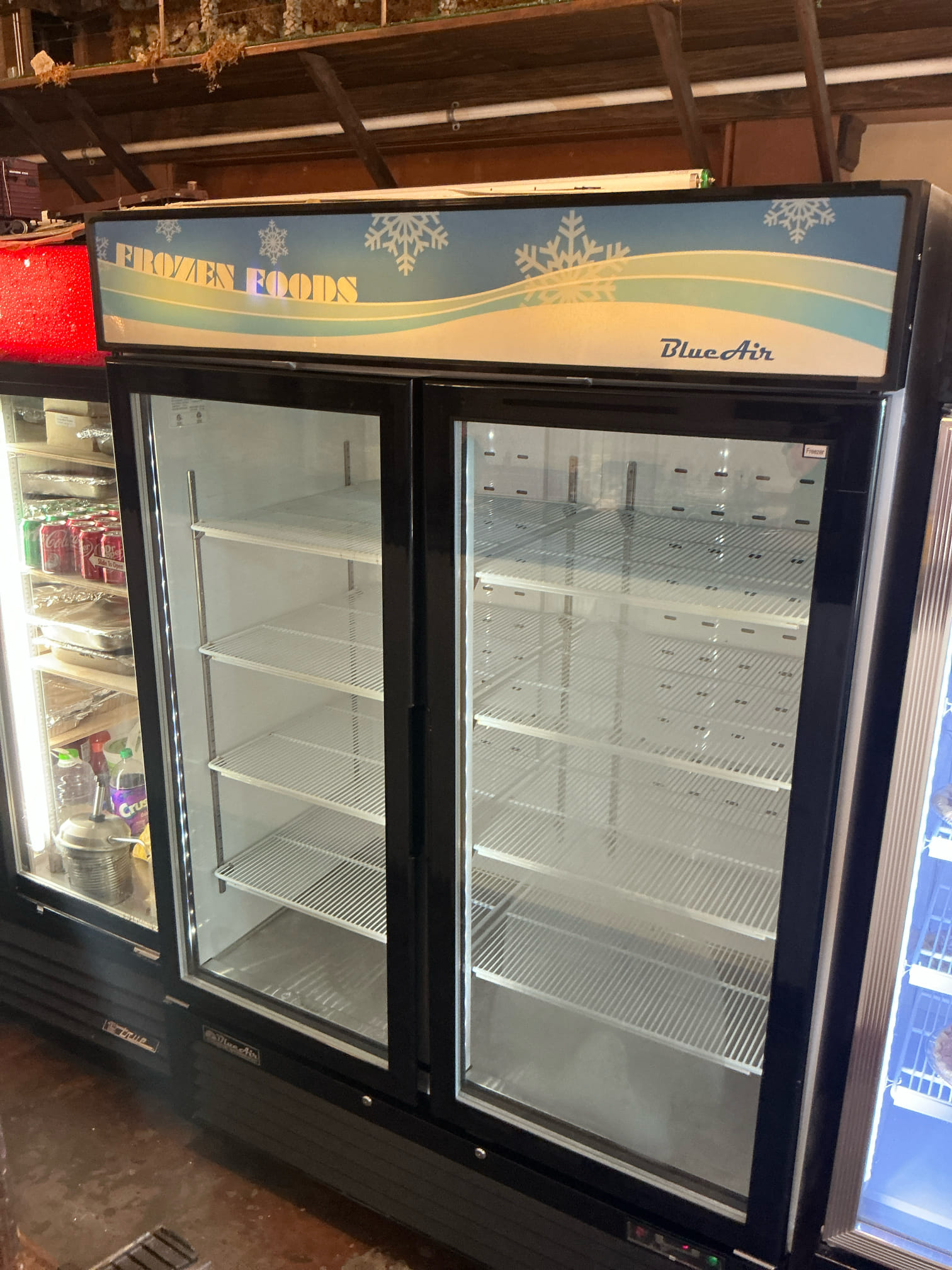
Keep bagged ice in a clean, dry freezer spot, away from food and chemicals. Seal the bags tight to stop freezer burn and contamination. Rotate your stock so you use the oldest bags first.
What methods can help prevent calcium buildup in commercial ice machines?
Cleaning your ice machine regularly with approved descaling products knocks out calcium deposits before they become a problem. If you can, set up a professional maintenance schedule—catching buildup early saves a lot of headaches down the road. Water softeners or filtration systems make a real difference too, cutting down on minerals so your ice stays clear and your machine doesn’t have to work as hard.
At Memphis Ice, we always suggest giving your machines routine checks and a good cleaning. It keeps your ice tasting fresh and helps your equipment run better—plus, it’s a lot less stressful than dealing with surprise repairs.