proudly serving
the mid-south


Best Practices for Storing Food Around Ice Bins Safely and Efficiently
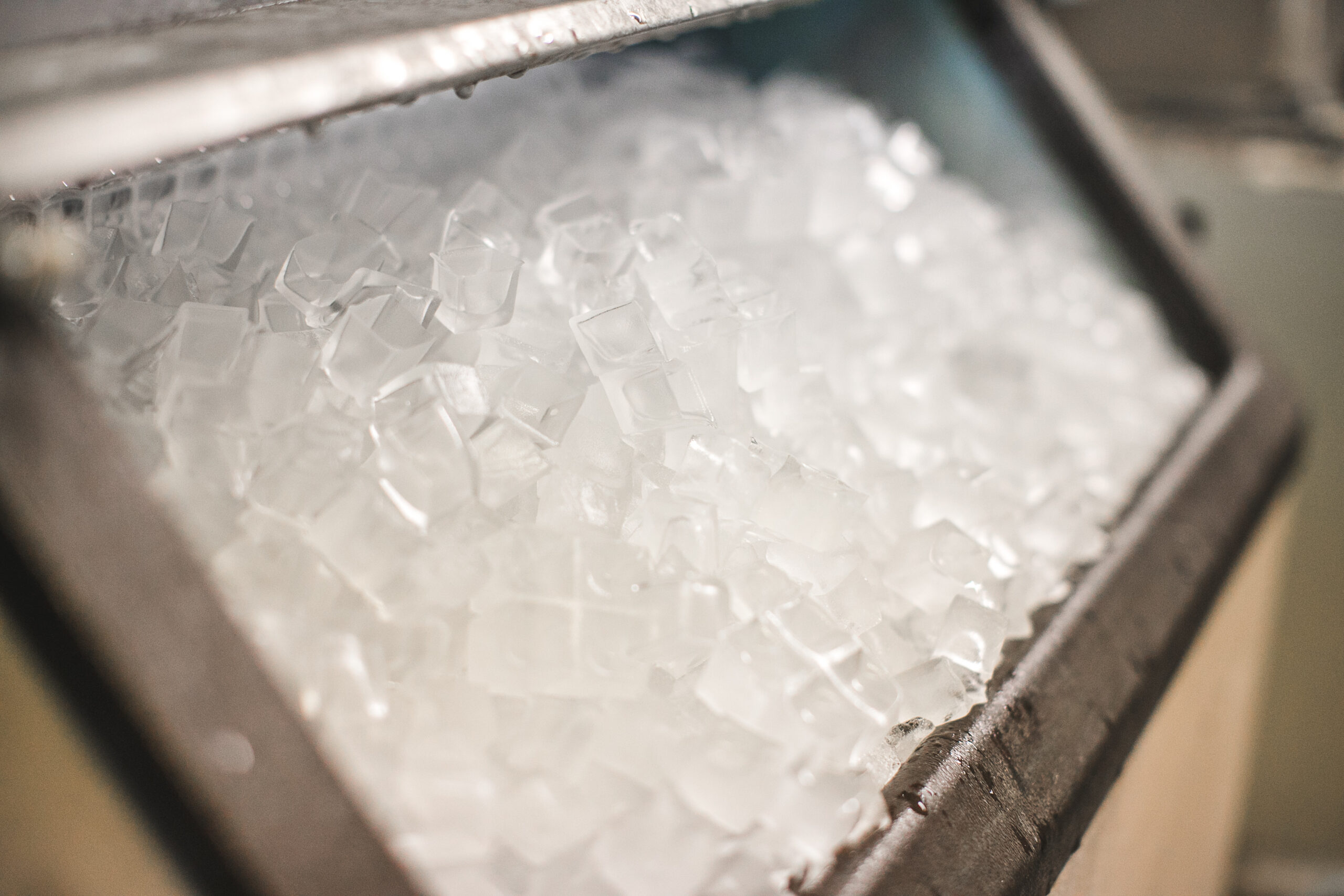
Proper food storage around ice bins keeps everything fresh and safe. The best practice is to use clean, well-maintained ice bins that prevent contamination and control temperature, helping you avoid slime, mold, and germs. When your ice bin’s clean, you’re protecting food from germs and making sure customers get the quality they expect.
If you’re storing food near ice bins, keep raw and ready-to-eat items apart and close those bin doors fast to stop outside air and bacteria from sneaking in. Regular cleaning and maintenance—something Memphis Ice has been helping with since 1977—really help prevent problems before they start.
Understanding Food Safety Near Ice Bins
Storing food near ice bins takes some thought. You’ve got to avoid contamination, keep temperatures right, and pick the right foods for the spot. It’s a balancing act, but it pays off in food quality and safety.
Potential Contamination Risks
Ice bins turn into germ magnets if you don’t clean them often. Food stored nearby can pick up bacteria or dirt from the bin or the ice itself.
Cross-contamination’s a big risk, especially if raw meats drip onto other foods. Sharing utensils between ice and food? Not a good idea. Stick to separate, clean tools and keep that ice bin closed when not in use—otherwise, airborne stuff can get in.
Memphis Ice suggests cleaning ice bins regularly with food-safe cleaners. That way, you stop dirt, mold, or bacteria from building up and affecting both ice and nearby food. If your bin looks and smells fresh, you’re on the right track.
Importance of Temperature Control
Ice bins are built to keep ice cold, but the area around them can warm up if you’re not careful. Food near ice bins has to stay at safe temps to keep bacteria from growing.
Cold foods—think salads or dairy—should only be near ice bins if you can keep them under 40°F (4°C). If it gets warmer than that, bacteria thrive and you’re risking foodborne illness.
Check that your refrigeration system works well with your ice machine. Use thermometers to monitor food and ice temps. Don’t put hot or room-temp food close to the ice bin.
Recommended Food Types for Storage
Stick with ready-to-eat, cold foods near ice bins. Things like cut fruit, salads, cooked seafood, and drinks do well there, as long as you handle them right.
Never store raw meats, poultry, or seafood near ice bins. Their juices can drip and cause contamination. Keep those in sealed containers, on lower shelves, away from ice.
Use sturdy, sealed containers for anything near ice bins to cut down on moisture and germs. A clean, organized setup keeps food safe and cold with less risk.
Proper Storage Methods for Food Around Ice Bins
Keeping food safe near ice bins is all about controlling moisture, stopping contamination, and knowing what you’ve stored. Use containers that block moisture, keep food and ice apart, and label everything with dates. These habits protect both ice and food from germs and spoilage.
Use of Sealed Containers
Always go for sealed, airtight containers when storing food around ice bins. That keeps out moisture, germs, odors, and pests.
Pick plastic, glass, or metal containers with tight lids. Skip bags or wraps that can tear or let air in. Make sure everything’s clean before you fill it—no sense adding bacteria at the start.
Stacking’s easier with sealed containers, too, and it keeps things tidy and spill-free around your ice machine.
Separation of Food and Ice
Never put food directly on or inside ice bins where ice is stored or made. Ice can melt, drip, and pick up bacteria, which could get onto your food. Keep a gap, or use separate shelves or trays to avoid contact.
If food has to be nearby, keep it above or away from the ice so drips can’t reach it. Maybe use a dedicated cold storage or clean prep table close to the bin.
Well-maintained, insulated bins keep ice cold and cut down on moisture spreading. That stops slime or mold and keeps storage areas cleaner.
Labeling and Dating of Stored Items
Label every container with what’s inside and the date you stored it. That way, you use older stuff first and avoid waste. Clear labeling also helps prevent mix-ups, so you’re not opening things too often or keeping food past its prime.
Use waterproof markers or labels that won’t smudge in the cold. Put the label where you can see it without moving the container.
Check labels often and toss anything spoiled or past its date. This helps keep your ice bin and food area cleaner and lowers the contamination risk.
Sanitation and Cleanliness Guidelines
A clean ice bin is non-negotiable if you want safe food and quality ice. Good cleaning habits, avoiding contamination, and basic hygiene keep your food and ice safe for whoever’s eating or drinking.
Routine Cleaning Procedures
Clean your ice bins often to head off dirt, germs, and contamination. Start by emptying the bin. Wash it with warm, soapy water and a soft brush or cloth—don’t forget the corners. Rinse well with clean water to get rid of soap.
Sanitize with a food-safe sanitizer. Follow the directions for dilution and contact time. Let the bin air dry or use a clean towel. Skip harsh chemicals or rough tools that could damage the bin.
Aim to clean your ice bins at least once a week, or more if your place is busy or messy. Keeping up with this makes ice safer and your equipment lasts longer.
Preventing Cross-Contamination
Cross-contamination happens when germs move from one spot to another. Avoid it by never putting food directly in ice bins. Use clean, food-grade containers to keep ice and food separate.
Keep ice bins away from raw meat, seafood, or other risky foods. Use dedicated, clean, and dry scoopers for ice—don’t touch ice with your hands.
Label scoops and store them outside the bin when not in use. Clean scoop handles and storage spots regularly. These small steps help stop germs from spreading.
Personal Hygiene Best Practices
Your hands are the first line of defense. Wash with soap and water before handling ice or food near bins. Dry off with a clean towel or air dryer.
Don’t touch ice or bin interiors—use clean scoops or utensils. If you handle bins or machines, wear gloves and change them often.
Keep the work area tidy and don’t sneeze or cough near bins. Employees should follow health rules, especially if they’re sick. Good hygiene habits go a long way toward keeping ice and food safe.
Memphis Ice has been helping businesses stay cool since 1977, and these sanitation steps help you keep up that quality.
Equipment Maintenance and Inspection
Keeping ice bins and equipment in shape is crucial for safe food storage. Regular checks, quick fixes, and smart disposal keep things running and contamination at bay.
Regular Bin Inspections
Check your ice bins often to catch dirt, germs, or ice quality issues. Look for cracks, rust, or buildup inside. Clean and sanitize every 1 to 3 months, depending on use. Daily wipe-downs are smart, especially if food gets close to the ice.
Inspect lids and seals—they should close tight to keep out contaminants and keep ice cold. Bad seals let in warm air, melting ice faster or causing clumps. Watch for mold or odd smells as clues you need a deep clean.
Detecting and Addressing Leaks
Leaks are trouble if you miss them. Check water lines, bin connections, and drains for pooling or drips. Even small leaks can lead to mold growth or equipment trouble.
If you spot a leak, fix it fast. Replace bad hoses or tighten fittings. Regular checks help you dodge costly repairs, keep ice dry, and stop water from mixing with stored food. Memphis Ice suggests a regular maintenance schedule to keep leaks under control.
Proper Disposal of Melted Ice
Get rid of melted ice water safely and quickly—don’t pour it near food prep or storage. Use drains or containers just for melted ice to avoid cross-contamination.
Empty drip trays often and sanitize them to stop bacteria and smells. Use insulated bins with good drainage so melted ice doesn’t pool around food. Handling meltwater right helps keep food safe and your equipment in better shape. Memphis Ice has helped plenty of local businesses set up these systems.
Training and Staff Education
Your team needs to know how to handle ice bins and food storage to avoid mistakes that could cause contamination or waste. Good training and support keep things safe and efficient.
Staff Training Programs
Train everyone handling ice and nearby food storage on proper practices. Cover tasks like cleaning bins, not touching ice with bare hands, and keeping food far enough from ice to stop drips.
Use hands-on demos or quick videos to show the right way. Include safety tips for cross-contamination—like washing hands before handling ice and keeping scoops clean. Refresher sessions help, especially with new hires.
Write simple checklists for staff to follow. That keeps everyone on the same page about what good ice and food storage look like.
Policy Communication
Make your ice and food storage policies easy to find. Post clear rules near ice machines and storage spots. Use short signs or labels to remind workers about cleaning, safe storage, and hygiene.
Hold quick meetings to explain why the rules matter. Staff who get the reasons are more likely to follow them. Share updates when policies or equipment change.
Printed guides or reference cards help, too—handy for busy shifts. Keeping communication open means people can ask questions before problems start.
Monitoring Compliance
Check that staff follow ice bin and food storage rules. Do spot checks to see if bins are clean and food’s stored right. Track compliance with simple logs or digital forms.
Give positive feedback when things are done right. If you spot problems, address them quickly with coaching or retraining. Remind your team that careful habits protect customers and the business’s reputation.
Memphis Ice can back you up with maintenance plans that include staff training tips and routine checks. That way, you keep ice quality and food safety up all year.
Frequently Asked Questions
Keeping food safe around ice bins means sticking to rules for handling scoops, meeting health standards, and storing food properly on ice. It also helps to know the best ways to toss out ice and which containers keep things clean.
What regulations should be followed when storing an ice scoop?
Store ice scoops outside the bin in a clean, dry spot. Use a holder or hang it where it won’t touch dirty surfaces. Don’t leave the scoop inside the ice—that’s just asking for germs.
How do I ensure my ice machine meets health code standards?
Clean your ice machine on the manufacturer’s schedule. Use food-grade sanitizers on bins and scoops. Keep ice separate from food and clean up spills quickly. Check local health codes for extra rules.
What is the recommended method for discarding ice at the end of the day?
Pour leftover ice down a drain connected to plumbing—not in sinks used for dishes or food. Never put unused ice back in the bin. This keeps bacteria from spreading and your machine in better shape.
Why is the ‘2-2-4 rule’ important for food safety, and how does it apply to ice storage?
The ‘2-2-4 rule’ is about keeping food out of danger zones: no more than 2 hours at room temp, 2 hours in the fridge, and 4 hours in hot spots. Ice helps keep food cold, but you still have to watch those times to stop bacteria from growing during storage or service.
How can food be safely stored on ice?
Always stash food in sealed containers or wrap it up tight before letting it chill on ice. Pile up enough ice to actually cover the food, but watch out—don’t let water collect at the bottom. Melted ice turns into a mess fast, so go ahead and drain it out often to keep everything fresh and clean.
What are the best containers or practices for keeping ice sanitary in a storage bin?
Go for airtight containers or sealed plastic bags if you want your ice to stay fresh and not pick up weird odors. Bins with solid insulation help keep ice cold longer, which means your machine won’t have to work overtime. Make a habit of cleaning and sanitizing the bin to prevent slime or mold from showing up.
Memphis Ice has been helping local businesses keep their ice clean and machines running since 1977. If you need a hand with ice machine care or refrigeration service, maybe reach out to an expert.
Recent News

Cool & Maintained: How to Build a Maintenance Schedule That Actually Works
Cool & Maintained: Five Signs Your Ice Machine Needs Professional Servicing
Cool & Maintained: How Often Should You Really Be Cleaning Your Ice Machine?
Cool & Maintained: The Ultimate Ice Machine Cleaning Checklist
How to Choose the Right Size Ice Machine for Your Business Made Easy and Stress-Free
How To Keep Ice Machines Running During Power Outages