proudly serving
the mid-south

How to Prep Refrigeration Equipment for Summer to Ensure Peak Efficiency and Longevity
When summer heat hits Memphis, your refrigeration equipment will have to work harder than ever to keep temperatures steady and products safe. The key to avoiding costly breakdowns and inefficiencies is thorough preparation and regular maintenance before the heat sets in. Making sure your commercial ice machine, walk-in cooler, or freezer is ready helps protect your business and preserves the quality of your goods.
You’ll want to focus on cleaning condenser coils, checking refrigerant levels, and optimizing airflow to ensure your system runs smoothly during warmer months. At Memphis Ice, we’ve been keeping businesses cool since 1977, supporting local restaurants, healthcare facilities, and retailers with reliable refrigeration service designed to reduce risks and keep your operations stress-free.
Preparing now means fewer emergency repairs and less downtime when summer demand surges. Whether you need ice machine maintenance or walk-in cooler repair, understanding the essentials will help you stay ahead and keep your business running efficiently all season long.
Essential Summer Preparation Steps
Your refrigeration equipment will face increased demand during warmer months. It’s critical to focus on thorough upkeep to maintain efficiency and prevent breakdowns before they happen. Taking care of key components early ensures steady cooling and reduces costly repairs.
Inspect and Clean Condenser Coils
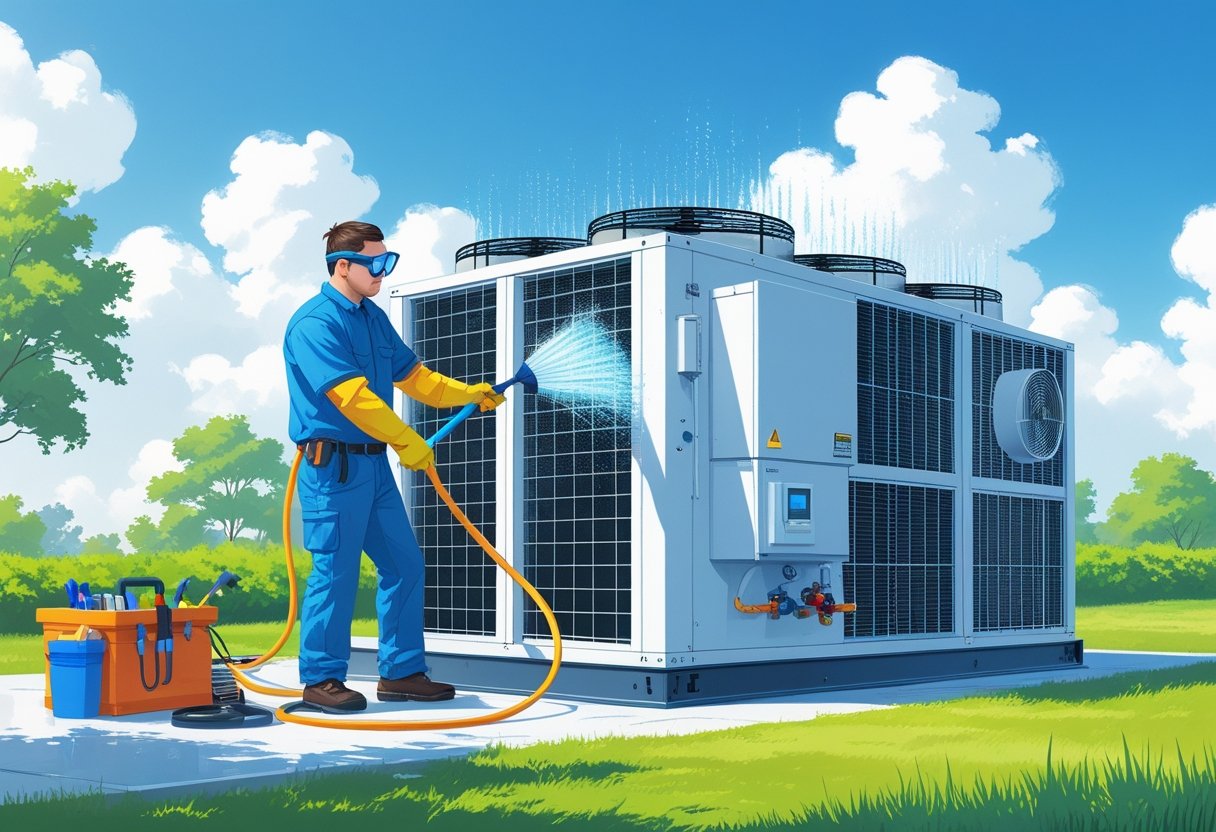
Condenser coils dissipate heat from your refrigeration system, so keeping them clean directly impacts performance. Dust, dirt, and debris buildup make your compressor work harder, reducing energy efficiency and increasing wear.
Regularly inspect coils for clogged fins or dirt accumulation. Use a soft brush or vacuum to remove grime—avoid harsh chemicals that can damage the coils. Cleaning coils at least quarterly, and more frequently in dusty environments, supports consistent cooling and helps prevent system failures during the summer surge.
Check and Replace Door Seals
Door seals maintain the cold air inside your unit. Worn or damaged seals allow warm air to enter, causing temperature fluctuations that strain your system and compromise food safety.
Inspect seals for cracks, gaps, or stiffness. Close the door on a dollar bill or a piece of paper; if it slips out easily, it’s time to replace the gasket. Ensuring tight seals prevents cold air loss, reduces energy consumption, and protects your inventory through the hottest months.
Clear and Maintain Drain Lines
Condensate drain lines remove excess moisture from refrigeration units. Blockages can cause water to back up, creating hygiene issues, pooling, or even equipment damage.
Flush drain lines regularly with a mild cleaning solution to clear clogs from debris, mold, or algae buildup. Make sure drainage runs freely, and check drip pans for standing water. Keeping your drain system clear supports reliable operation and prevents unexpected service calls.
Verify Internal Temperatures
Maintaining consistent internal temperatures is vital for compliance and product quality. Summer heat pushes refrigeration units harder, increasing the risk of fluctuations.
Use a reliable thermometer to check unit temperatures daily. Adjust thermostats if temperatures rise above recommended ranges for your products. Monitor temperature logs to spot abnormalities quickly. Accurate temperature control helps you avoid spoilage and ensures your equipment runs efficiently all summer long.
For professional assistance with summer prep, consider advice from Memphis Ice, specialists in commercial refrigeration service and maintenance within the Mid-South. Their expertise helps keep your refrigeration reliable when you need it most.
Learn more about preparing your refrigeration system for the heat in this detailed summer prep guide.
Food Safety and Compliance
Keeping your refrigeration equipment well-prepared for summer is critical to maintaining food safety and meeting regulatory standards. Proper temperature control, preventing contamination, and regular equipment checks all play vital roles in safeguarding your inventory and customer health.
Monitor Temperature for Safe Storage
Consistently monitoring temperatures is essential to prevent food spoilage and bacterial growth. Your refrigeration units should keep cold foods at or below 40°F, while frozen items must stay at 0°F or lower. Use calibrated thermometers or digital monitoring systems to track temperatures throughout the day.
Record temperature checks at regular intervals, ideally multiple times daily, and spot-check units more frequently during hot weather. Acting quickly if temperatures rise above safe thresholds reduces the risk of foodborne illnesses. Reliable commercial refrigeration that maintains steady temperatures helps you comply with food safety regulations and protects your inventory.
Prevent Cross-Contamination
Cross-contamination occurs when harmful bacteria transfer between foods or surfaces, increasing food safety risks. Always store raw meats separately from ready-to-eat items, preferably on lower shelves to avoid drips. Use sealed containers or wrap food properly to prevent exposure.
Ensure your refrigerators and freezers have clean, organized interiors. Regularly sanitize shelves, trays, and door handles using approved cleaners. Training your staff on proper handling practices and maintaining clean equipment reduces the chances of contamination significantly.
Schedule Regular Equipment Inspections
Having your refrigeration equipment inspected by a professional technician before summer ensures it can handle increased cooling demands. Inspections should include checking door gaskets, cleaning condenser coils, and verifying compressor efficiency.
A well-maintained system runs smoother, uses less energy, and avoids unexpected breakdowns. Memphis Ice recommends scheduling these checkups annually, especially before warmer months, to prevent failures that could put your inventory at risk. Keeping maintenance up to date aligns with safety standards and improves your refrigeration reliability.
For expert help with inspection and maintenance, consider reaching out to Memphis Ice, trusted in the Mid-South for nearly 50 years.
Maximizing Energy Efficiency
Improving energy efficiency in your refrigeration equipment saves money and extends the life of your units. Effective steps include selecting the right equipment, managing the surrounding environment, and optimizing how your storage is arranged for airflow.
Invest in Energy-Efficient Equipment
Choosing energy-efficient refrigeration equipment is crucial, especially for commercial use where units run continuously. Look for models with ENERGY STAR certification or similar ratings that indicate lower power consumption. These units use advanced compressors and insulation to reduce energy use without sacrificing performance.
Upgrading to newer technology can cut your energy bill significantly. Although upfront costs may be higher, the savings over time and reduced maintenance needs justify the investment. Memphis Ice recommends evaluating your current systems to identify equipment that may be outdated or inefficient before summer’s peak demand.
Regularly schedule professional inspections to ensure components like condensers and fans are working at peak efficiency. Replacing worn seals and cleaning coils are small actions that maintain the performance of energy-efficient units.
Control Ambient Temperatures Around Units
Ambient temperature impacts how hard your refrigeration equipment must work. Keep units away from heat sources such as ovens, dishwashers, or direct sunlight to reduce strain. Installing proper ventilation improves heat dissipation and lowers energy consumption.
If possible, install shading or reflective barriers to block sunlight on outdoor or exposed refrigeration units. For indoor spaces, maintaining a controlled room temperature helps avoid overworking compressors during the summer.
Using programmable thermostats or smart controllers allows you to adjust operations based on actual environmental conditions. Memphis Ice advises that preventing unnecessary heat exposure is one of the simplest, cost-effective ways to improve energy efficiency in commercial refrigeration.
Organize Storage to Improve Airflow
Proper storage arrangement inside refrigeration units directly affects their energy efficiency. Overcrowded shelves and blocked vents restrict airflow, forcing compressors to run longer. Arrange products with enough space to allow cold air to circulate freely around all items.
Use adjustable shelving and avoid stacking items too close to the evaporator coils. Regularly remove expired or unnecessary stock to prevent congestion. This simple step reduces energy waste and helps maintain consistent temperatures.
You can also group items by temperature sensitivity to minimize frequent door openings, which causes temperature fluctuations and increases cooling load. Clear labeling and organized storage systems streamline workflows and keep your refrigeration equipment running efficiently.
Best Practices for Daily Operation
Efficient daily habits are essential to keep your refrigeration equipment running smoothly through summer. Focusing on controlling door access, managing load capacity, and ensuring your team knows the right handling procedures will protect your units from strain and maintain food safety.
Limit Door Openings During Peak Hours
Every time a refrigeration door opens, cold air escapes and warm air enters, forcing your equipment to work harder. During busy periods, minimize door openings to reduce temperature fluctuations that can compromise food safety and increase energy costs.
Check door seals regularly for cracks or wear. Damaged seals allow cold air to leak, weakening your unit’s efficiency. If you notice any seal issues, schedule repairs promptly to maintain optimal insulation.
Use strip curtains or air curtains if your setup allows, especially in walk-in coolers. These barriers reduce cold air loss when doors must remain open temporarily.
Remember, consistent temperature control directly impacts your product quality. Avoid leaving doors open longer than necessary, especially when handling perishable items.
Avoid Overloading Refrigeration Units
Overstuffing shelves restricts air circulation inside your refrigeration units, making it difficult to maintain consistent cooling. Proper airflow is critical to keep every item at safe temperatures and prevent hotspots that increase spoilage risk.
Organize contents to allow 2-3 inches of space between stored items and walls. Avoid stacking products too tightly. Use racks and shelving to keep stock orderly and accessible.
Regularly inspect loading patterns and adjust according to traffic and inventory changes. An overloaded unit can strain compressors and fans, shortening equipment life and raising repair costs.
Keeping the right balance ensures your refrigeration system performs efficiently, a priority we emphasize at Memphis Ice during summer preparations.
Train Staff on Proper Equipment Use
Your refrigeration equipment’s longevity depends heavily on how your team handles it daily. Provide clear training on best practices related to temperature settings, door management, and loading techniques.
Emphasize the importance of closing doors gently to avoid damaging seals. Staff should also know not to block vents inside units, which can restrict airflow and stress the system.
Educate your team on signs of malfunction such as unusual noises, excessive frost buildup, or inconsistent temperatures. Early reporting allows quick fixes before small issues turn into costly breakdowns.
Consistent training keeps your refrigeration units performing well and maintains food safety compliance, reducing risk in your operation. Memphis Ice offers support for maintenance training tailored to your business needs.
Emergency Preparedness and Maintenance Scheduling
Keeping your commercial refrigeration running smoothly during the summer requires proactive planning and regular upkeep. This means making sure you have backup systems in place, detailed maintenance routines, and quick access to help when emergencies arise.
Establish a Backup Power Plan
A reliable backup power source is essential to prevent costly spoilage during outages. Consider installing a generator with enough capacity to support your refrigeration equipment.
Test your generator regularly to ensure it starts and runs without issues. Have fuel reserves on hand and arrange contracts with fuel suppliers for emergency deliveries.
Make sure key staff know how to safely switch to backup power, and post clear instructions near your equipment. This preparation reduces downtime and protects your inventory when electrical disruptions occur.
Create a Maintenance Checklist
A preventative maintenance checklist keeps your refrigeration system operating efficiently under summer heat. Include:
- Cleaning condenser coils and evaporators to improve airflow
- Checking refrigerant levels and topping up as needed
- Inspecting door seals and hinges for tight closures
- Monitoring compressor performance and vibrations
- Verifying temperature settings and sensor accuracy
Schedule these tasks monthly or seasonally, depending on equipment age and usage. Consistent maintenance prevents failures and extends the life of your investment.
Keep Emergency Contacts Readily Available
In emergencies, having the right contacts at your fingertips saves valuable time. Maintain an updated list that includes:
- Your commercial refrigeration service provider
- Local electrician experienced with refrigeration systems
- Backup generator technician
- Key equipment manufacturers’ support lines
Store this list both digitally and physically near your refrigeration units. Memphis Ice recommends reviewing emergency contacts annually to ensure rapid response when needed.
This approach minimizes downtime and keeps your business running through summer challenges.
Frequently Asked Questions
Preparing refrigeration equipment for summer means focusing on maintenance, cleaning, temperature settings, and early detection of potential issues. Regular servicing and refrigerant checks ensure your system stays efficient and prevents unexpected downtime during hot months.
What maintenance steps should be taken for commercial refrigerators before the summer season?
You should inspect and clean condenser coils, check door seals for leaks, and test the thermostat accuracy. Lubricate moving parts and clear any drainage lines to avoid blockages. It’s also important to verify refrigerant levels and ensure fans are running smoothly.
Can you outline the process for cleaning refrigeration coils to ensure optimal summer performance?
First, unplug the unit and remove any loose debris with a brush or vacuum. Use a coil cleaner designed for your system, spraying evenly on the coils, then rinse with water carefully to avoid electrical parts. Cleaning coils improves airflow and reduces compressor strain in hot weather.
What are the recommended thermostat settings for refrigeration units during hotter months?
Set your walk-in coolers between 36°F and 38°F and freezers at 0°F to 5°F. Avoid frequent temperature changes to maintain consistent cooling and energy efficiency. Calibration of your thermostat before summer helps avoid overcooling and stress on the system.
How often should refrigeration equipment be serviced to prevent breakdowns in the summer?
Schedule professional maintenance at least twice before and during the summer season. Frequent checks can identify early wear or refrigerant leaks. Preventive servicing reduces the risk of sudden failures when temperatures peak and demand on your system is highest.
What signs indicate that refrigeration equipment is not ready for high summer temperatures?
Indicators include fluctuating temperatures, excessive frost build-up, strange noises, and longer run cycles. You may also notice humidity inside the unit or inconsistent cooling. These signs suggest a need for immediate inspection to avoid spoilage or costly repairs.
Are there any specific refrigerant level checks needed before the summer begins?
Yes, proper refrigerant charge is critical to efficient cooling in high heat. Have a technician measure pressure levels and recharge if necessary. Low refrigerant forces your compressor to work harder, increasing wear and energy use during the busiest months.
Your preparation now will help your equipment handle the summer load efficiently. For trusted service and expert care in Memphis and the Mid-South, talk to the team at Memphis Ice. We’ve been keeping businesses cool since 1977 and can help you get ready before the heat hits.