proudly serving
the mid-south


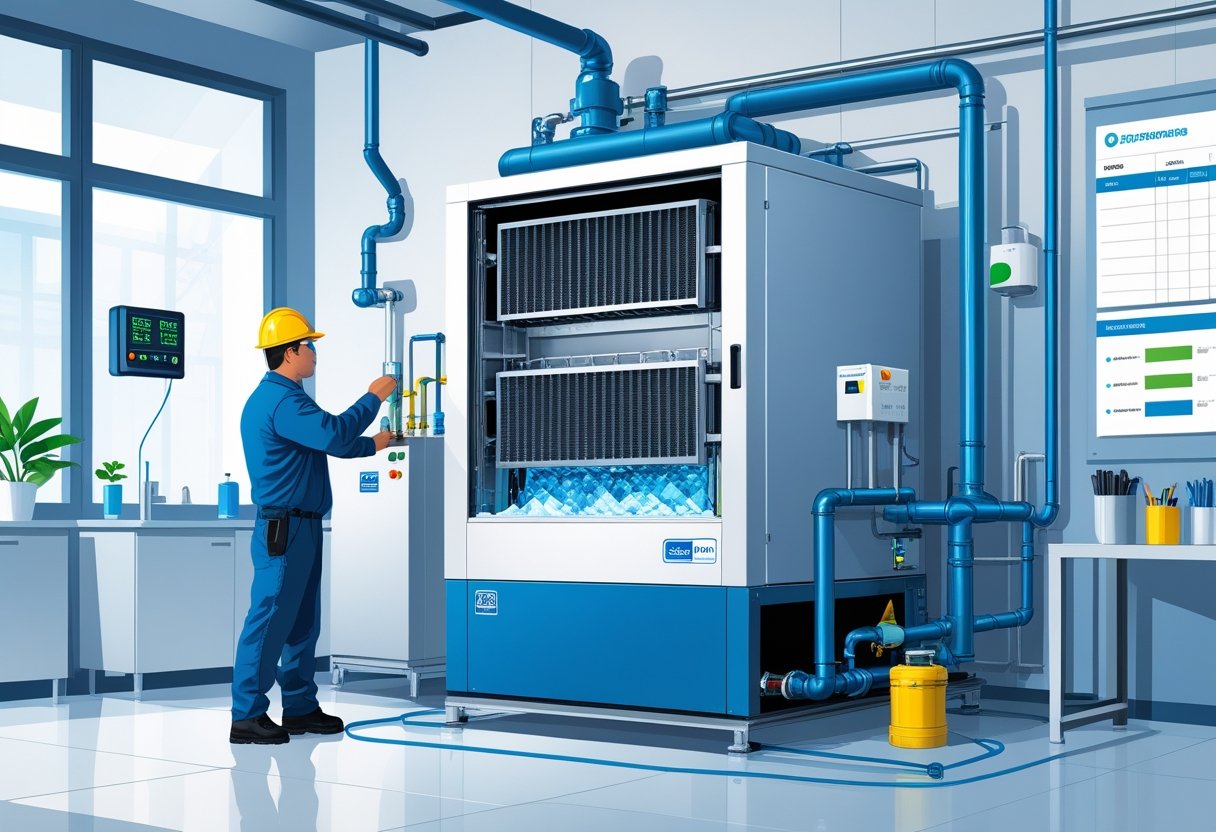
How to Improve Ice Machine Efficiency for Optimal Performance and Energy Savings
Keeping your commercial ice machine running efficiently is essential to avoid downtime and control operational costs. Regular cleaning to remove mineral buildup, using filtered water, and placing the machine in a cool area away from heat sources are key steps to boosting ice production and energy efficiency. These straightforward actions can extend your machine’s life and improve the quality of ice you serve.
At Memphis Ice, we understand how important reliable ice supply is for your business, especially during peak seasons in the Mid-South. Whether you rely on ice for restaurant prep, bar service, or healthcare needs, simple maintenance and timely service can prevent common issues that reduce efficiency. By optimizing your ice maker’s compressor performance and scheduling regular upkeep, you’ll keep things running smoothly year-round.
If you want to save energy, reduce breakdowns, and maintain steady ice production, knowing what affects your machine’s efficiency makes all the difference. Memphis Ice has supported local businesses for over 49 years, and we’re here to help you streamline your ice machine’s operation with practical, no-nonsense advice and trusted service.
Understanding Ice Machine Efficiency
Improving efficiency means understanding the key elements that impact how your ice machine produces ice and manages resources. Knowing what affects ice output, the differences between machine types, and how energy and water consumption are measured will help you make informed choices. These insights support better performance and cost control.
Factors Affecting Ice Production
Ice production depends largely on the compressor’s ability to maintain consistent cooling cycles. A high-efficiency compressor uses less energy while keeping ice output steady. Temperature settings, ambient conditions, and water quality also influence production rates.
Regular cleaning and maintenance prevent scale buildup that reduces cooling efficiency and ice quality. Poor water quality impacts not only taste but can clog the system, forcing the machine to work harder. Proper ventilation around the machine avoids overheating and supports stable operation. Monitoring these factors can extend your ice machine’s service life and reduce unplanned downtime.
Types of Ice Machines and Their Efficiency
Different ice machines are designed for specific ice shapes and production volumes, affecting their energy efficiency. For example:
- Cube ice machines usually consume more energy but produce ice that melts slower, ideal for food service.
- Flake ice machines use less energy and are suited for healthcare or industrial use where quick cooling is needed.
- Nugget ice machines are popular in bars and convenience stores due to their soft texture but typically require more water.
Choosing the right machine depends on your ice volume needs and usage patterns. Memphis Ice can help you select a model that balances energy use with output, avoiding waste and ensuring you have the right amount of ice when needed.
Measuring Energy and Water Usage
Tracking both energy and water use is critical for managing operational costs in your ice machine. Energy consumption is often measured in kilowatt-hours (kWh), with the most efficient machines consuming fewer kWh per pound of ice produced. You can find this information in manufacturers’ specs or from service technicians.
Water use varies widely, with some machines using 2 to 3 gallons of water for every pound of ice made. Monitoring your machine’s water consumption will help identify leaks, inefficient cycles, or maintenance needs. Implementing regular preventative maintenance, like the plans offered by Memphis Ice, can optimize water flow and reduce electrical waste, keeping your ice machine running reliably while cutting costs.
Optimizing Temperature and Cooling Performance
Maintaining the right temperature and airflow conditions is critical to getting the most from your ice machine. Proper cooling and avoiding buildup can significantly improve ice production speed and energy efficiency.
Ideal Operating Temperatures
Your ice maker performs best when operating within specific temperature ranges. Aim to keep the ambient air around the machine between 50°F and 90°F. Temperatures above this can cause the compressor to work harder, reducing efficiency and shortening equipment life.
Also, monitor water temperature feeding the ice machine—ideally between 40°F and 70°F. Cooler water reduces the freezing cycle time and lessens energy use. Avoid using warm water, as this makes the system strain to freeze ice.
Lowering condensing temperature by even a few degrees can save compressor power. For real-world application, Memphis Ice technicians recommend regular temperature checks to ensure consistent performance and prevent overheating.
Managing Airflow and Ventilation
Ventilation around your commercial ice machine directly affects its cooling ability. Make sure there is at least 6 inches of clearance on all sides to allow heat to dissipate efficiently. Better airflow means the compressor and condenser won’t overheat or cycle excessively.
Avoid placing your ice machine in tight or enclosed spaces with poor ventilation or near heat sources like ovens or direct sunlight. High surrounding temperatures degrade ice output rates and increase electricity consumption.
Routine cleaning of condenser coils and fans also helps. Dust buildup restricts airflow, causing the compressor to overwork. Regular inspections and addressing airflow issues keep ice machines running smoothly during Memphis’s hot summers.
Preventing Frost and Ice Buildup
Ice and frost buildup inside your ice machine reduce cooling efficiency and slow production. Ensure door seals are intact and close properly to prevent warm air intrusion, which causes condensation and ice formation.
Set up a maintenance schedule that includes manual defrost cycles or use machines with automatic defrost features. Remove any frost regularly and check drainage lines; clogged drains can lead to unwanted ice accumulation.
Keep humidity levels controlled in the area around your ice machine, as excess moisture increases frost risk. An ice machine operating without obstruction or frost buildup delivers consistent ice quality and reduces energy consumption over time.
Improving Water Supply and Quality
Your ice machine’s efficiency depends heavily on the water it uses. Consistent flow, quality filtration, and proper pressure all influence ice production and machine longevity. Paying attention to these factors reduces downtime and keeps ice clear and odor-free.
Ensuring Consistent Water Flow
Consistent water flow is critical for steady ice production. Interruptions or fluctuations can cause the ice maker to work harder, reducing efficiency and possibly damaging components. Check your supply line for blockages or leaks regularly.
A stable flow rate maintains the right water level on the evaporator plate. Too little water slows ice formation; too much overwhelms the system and wastes energy. Use flow restrictors or adjustable valves to optimize water volume based on your ice machine’s specifications.
At Memphis Ice, we recommend routine inspections to catch flow issues early. Proper plumbing and avoiding kinked tubes help maintain consistent supply, reducing the risk of operational hiccups.
Water Filtration and Mineral Reduction
Hard water contains minerals like calcium and magnesium that cause scale buildup in your ice machine’s internal components. This buildup decreases cooling efficiency and shortens equipment life. Installing a quality filtration system removes these minerals before they enter your ice maker.
Filters also reduce chlorine and other impurities that affect ice taste and clarity. Crystal-clear, odor-free ice enhances guest satisfaction whether in a restaurant or hospital. Changing filters on schedule is just as important to prevent clogging and ensure continued protection.
Investing in filtration may seem minor, but it prevents costly repairs and downtime. Memphis Ice supports businesses in the Mid-South with guidance on selecting the right water treatment for commercial ice machines.
Impact of Water Pressure on Efficiency
Proper water pressure ensures your ice machine receives water at an optimal rate. Pressure that’s too low leads to slow ice production and inconsistent cubes. Excessively high pressure can damage valves and increase leaks.
Most commercial ice machines require water pressure between 20 and 80 psi. Use a pressure regulator to maintain steady levels within this range. Regularly test pressure, especially if you’ve added filtration systems, as they may alter flow dynamics.
Maintaining correct pressure reduces energy consumption and keeps your ice maker running smoothly over time. Adjusting and monitoring water pressure is an essential part of ice machine maintenance and efficiency improvement.
For expert help, reach out to Memphis Ice to ensure your water supply supports peak performance year-round.
Maintenance Strategies for Maximum Efficiency
Keeping your ice machine running efficiently depends on consistent care focused on cleaning, timely part replacement, and thorough inspections. Each step targets common wear points that, if overlooked, can reduce ice quality and increase energy use.
Regular Cleaning Schedule
A clean ice machine runs cooler and produces better quality ice. You should schedule cleaning at least monthly, though frequency depends on usage and water conditions. Use manufacturer-recommended cleaning agents to remove mineral buildup and prevent mold.
Clean all accessible surfaces, including the ice bin, evaporator plate, and water reservoir. Neglecting these areas can cause bacteria growth and clog water lines, leading to inefficiency and health risks. Don’t forget the condenser coils; dirty coils force the compressor to work harder, increasing energy consumption.
Document your cleaning routine to track when tasks are due. This helps avoid missed cleanings that often result in costly repairs and downtime.
Replacing Filters and Seals
Filters and seals protect your ice machine from contaminants and leaks but wear out over time. Replace water filters every 6 months or sooner if water quality is poor. Clean or replace air filters regularly to maintain airflow and cooling efficiency.
Check door gaskets and seals monthly for cracks or deformation. Damaged seals cause cold air to escape, wasting energy and stressing the compressor. You can usually replace these parts yourself, but for complex repairs, trusted appliance repair professionals like Memphis Ice provide prompt, reliable service.
Keeping these components in good shape ensures your ice maker operates efficiently and reduces unexpected failures.
Inspecting Internal Components
Routine inspections of internal parts identify early signs of wear before they cause breakdowns. Look for scale buildup on evaporator plates and check water distribution tubes for blockages. Inspect the compressor and fan motors for unusual noises or excessive heat, which may signal mechanical problems.
Evaluate electrical connections for corrosion or loose wiring, both common sources of intermittent issues. A skilled technician from Memphis Ice can perform detailed diagnostics to ensure all systems work within optimal parameters.
Regular internal checkups minimize downtime and extend the lifespan of your commercial ice machine. Scheduling these inspections as part of your maintenance plan keeps your operations running smoothly year-round.
Optimizing Usage Patterns
Efficient ice production depends on matching your ice machine’s operation to your actual needs. Managing production cycles, preventing unnecessary machine strain, and cutting down idle time can cut energy costs and extend equipment life.
Scheduling Ice Production Cycles
Set your ice machine to run during peak demand hours to avoid unnecessary operation. If your business has predictable busy periods, schedule production beforehand to have ice ready without overworking the machine.
Automate cycles based on usage patterns, if possible. For example, restaurants might ramp up ice production in the morning for lunch shifts and reduce output overnight. This approach prevents constant running and reduces energy waste.
Memphis Ice suggests reviewing your production schedule quarterly, especially approaching warm months, to adjust for seasonal demand shifts. Proper scheduling helps keep your commercial ice machine efficient and ensures ice availability when you need it most.
Avoiding Overfilling and Underuse
Overfilling the bin forces the machine to stop production repeatedly, which wastes energy and stresses the equipment. Regularly check ice storage levels to prevent backing up production cycles unnecessarily.
Conversely, underusing the machine means running the compressor and other components without producing enough ice to justify the energy spent. This often happens in slow seasons or off-peak hours.
Maintain an optimal balance by tracking consumption and adjusting production. You might find it helpful to use a daily or weekly log. This reduces wear and tear while improving energy efficiency, particularly for businesses in the Mid-South region facing fluctuating ice demand.
Reducing Idle Time
Idle time is when your ice maker runs but isn’t producing or storing ice efficiently. This often results from poor placement causing heat buildup or a lack of maintenance leading to clogged filters and inefficient cooling.
Keep the machine in a well-ventilated location away from heat sources and direct sunlight. Memphis Ice’s maintenance plans emphasize avoiding idle time through regular equipment checks and cleaning.
Minimizing idle time means your ice machine uses power primarily for production, lowering operational costs and extending its service life. Focus on timely maintenance and strategic operational habits to keep your system running smoothly year-round.
When to Upgrade or Seek Repair
Knowing when to repair your ice machine versus investing in an upgrade can save you both time and money. Factors such as performance issues, repair costs, and energy efficiency play significant roles in making this decision.
Recognizing Signs of Declining Efficiency
Watch for consistent reductions in ice production or poor ice quality as clear signs your machine is struggling. If your ice machine frequently breaks down or requires repeated repairs, it may be losing efficiency.
Unusual noises, longer freeze cycles, or higher energy bills also indicate that internal components might be failing. Routine maintenance can catch these issues early, but persistent problems usually call for professional appliance repair to avoid costly downtime.
Cost-Benefit Analysis of Replacement
Before committing to repairs, compare the estimated cost of fixing the current unit with the price of a new one. Consider the age of your machine—commercial ice machines typically last 7 to 10 years. If your unit exceeds this or repair costs surpass 50% of a replacement’s price, an upgrade is often more economical.
Factor in potential savings from lower energy consumption and fewer maintenance calls. Memphis Ice recommends assessing these costs carefully to ensure your business keeps running smoothly without unexpected interruptions.
Selecting Energy-Efficient Models
Upgrading to an energy-efficient ice machine reduces operating costs and improves output reliability. Newer models often include water pre-coolers and advanced filtration systems that cut down on energy use and extend component life.
Look for machines with ENERGY STAR certification or similar ratings to guarantee savings over time. Choosing the right model depends on your usage volume and space requirements—experts at Memphis Ice can help you select a machine tailored to your operational needs.
Frequently Asked Questions
Maintaining your ice machine involves regular attention to cleaning, component care, and environmental control. Managing water quality and choosing energy-efficient features also play vital roles in reducing power use and extending the life of the machine.
What are best practices for maintaining an ice machine to ensure optimal performance?
You should clean and sanitize your ice machine regularly to prevent buildup and contamination. Scheduling timely servicing and replacing worn parts helps avoid costly breakdowns. Keeping the machine in controlled temperatures also supports consistent operation.
Can regular cleaning impact the efficiency of ice machines, and how often should it be done?
Yes, regular cleaning directly improves efficiency by preventing scale and mold buildup. Health departments consider ice a food product, so cleaning internal components like evaporators and dispensers every few weeks is recommended. Follow manufacturer guidelines for best results.
What role does the environment around the ice machine play in its overall energy consumption?
The ambient temperature strongly affects how hard your machine must work. Ideally, keep it between 50 and 80 degrees Fahrenheit to optimize energy use and prevent overheating. Proper ventilation and avoiding direct sunlight also contribute to stable performance.
Are there specific components within an ice machine that should be monitored or replaced regularly to enhance efficiency?
Water filters, condensers, and evaporators demand close attention. Changing water filters every six months or more often in hard water areas maintains ice quality and machine efficiency. Inspecting seals and mechanical parts regularly ensures smooth operation and reduces energy waste.
How does water quality affect an ice machine’s efficiency and what measures can be taken to improve it?
Poor water quality causes mineral buildup that reduces freezing efficiency and damages internal parts. Using water filters and softeners helps prevent scale deposits and extends your machine’s lifespan. Regular testing of water hardness is advisable to adjust treatment as needed.
What energy-saving features should one look for when purchasing a new ice machine to ensure high efficiency?
Look for models with Energy Star certification and built-in sensors that adjust ice production based on usage. Efficient compressors and insulation reduce power consumption. Some machines also have programmable timers and ambient temperature controls that help minimize energy waste.
For tailored maintenance and service plans, Memphis Ice offers expert support to keep your commercial ice machine performing at its best. Request service before the busy season hits to avoid unexpected downtime.