proudly serving
the mid-south



What Impacts Ice Machine Performance In Humid Climates Friendly Tips To Keep It Running Smoothly
Running an ice machine in a humid spot like Memphis or the Mid-South? You’ll notice the heat and moisture have a real impact. High humidity and warm temps force your ice machine to work overtime to cool down and make ice, which slows things and can wear it out faster. That means less ice, right when you need it—especially during busy summer months.
Good airflow and a cool, dry location help a ton. If the machine can’t breathe, it’ll struggle, burn more energy, and leave you with less ice. At Memphis Ice, we’ve spent nearly five decades helping local businesses tackle these issues, offering maintenance and advice so machines keep humming along, no matter how muggy it gets.
Humidity’s Direct Effects on Ice Machine Efficiency
High humidity throws a wrench in how your ice machine runs. Extra moisture in the air messes with cooling, slows down ice making, and stresses out certain parts. If you get a handle on these effects, you’ll have an easier time keeping your equipment happy in sticky climates.
Increased Condensation Challenges
When it’s muggy, condensation becomes a real headache for your ice machine. Warm, damp air hits the cold insides, and suddenly you’ve got water droplets everywhere. Water pools in places it shouldn’t, making things slippery and even encouraging mold growth.
Condensation stresses your drainage system, too. If drains clog or slow down, water backs up and can mess with internal parts. Keeping things clean—especially around vents and drains—cuts down on these headaches.
We’ve seen at Memphis Ice that regular cleaning and a close eye on damp spots save you from expensive repairs and keep your machine going strong through the muggy months.
Ice Production Rate Reduction
Humidity drags down how fast your machine can make ice. The machine tries to cool and freeze water, but all that moisture in the air slows the process. The evaporator coil ends up working harder, and you notice less ice during those busy stretches.
When you’re not getting enough ice, you might run the machine longer or buy extra—costing more time and money. You can soften the blow by making sure the machine’s room is well-ventilated and temperature-controlled.
Keep tabs on your ice output during sticky days. If you see a drop, it’s probably time to tweak your maintenance or check for issues.
Evaporator Coil Performance
The evaporator coil is the heart of freezing water into ice cubes. Humid air makes it frost up or ice over faster than usual, which kills its ability to absorb heat.
If the coil starts struggling, your machine eats up more energy and needs service sooner. Defrosting and cleaning the coils regularly keeps airflow and cooling on track.
Hear odd noises or notice slow ice production? Could be the coil. Give Memphis Ice a call—we know how to keep evaporator coils in fighting shape.
Moisture-Related Maintenance Issues
Humidity brings its own set of problems for your ice machine. Moist air speeds up buildup inside, and it’s a dream for mold and bacteria. It can clog drains and water lines, dragging down performance.
Scale Buildup Acceleration
More moisture means minerals in your water stick inside the ice machine faster. Scale coats parts like evaporators and water lines, acting as a barrier that slows freezing and makes your machine burn more energy.
If you ignore scale, it cuts ice output and wears down components, leading to pricey repairs. Clean and descale every 3 to 6 months, especially if you’re in a humid spot.
Soft or treated water helps, too—less scale, cleaner ice, smoother operation.
Mold and Bacteria Growth
Moist air is perfect for mold and bacteria. They show up in every damp nook—from water reservoirs to ice bins.
Besides making the ice taste funky, mold and bacteria can cause health code headaches. Not what you want in a restaurant or healthcare setting.
So, clean and sanitize regularly. Use the right cleaners to get into those hidden, wet corners. We always recommend a regular maintenance schedule to keep things safe and running well.
Clogged Drains and Water Lines
Humidity boosts the odds of mold, slime, and minerals clogging up drains and water lines. Blockages lead to water backing up, uneven flow, slow ice production—or even a total stop.
Clogs can cause leaks or trigger error codes, too. Make it a habit to check and clear drains and lines.
Flush water lines and clean drain pans often. We’ve found this simple step saves a lot of headaches and downtime, especially when Memphis gets steamy.
Cooling System Limitations in Humid Environments
Humid air makes your ice machine’s cooling system work extra hard to keep things cold. All that extra moisture stresses key parts, which can slow ice production and shorten the machine’s life. You’ve got to know how these challenges show up if you want your equipment to last.
Overworked Compressors
When it’s humid, your ice machine’s compressor has to cool both the water and all that heavy, moist air. It ends up running longer to get rid of the extra heat and humidity. That constant work wears it down and can even cause overheating.
If your compressor gets overworked, you’ll notice slower ice making, less ice, or the machine shutting off unexpectedly. Try to keep your machine in a spot with steady temps—stay away from hot kitchens or near ovens. Regular checkups from pros like Memphis Ice can catch compressor issues before they get serious.
Fan and Airflow Restrictions
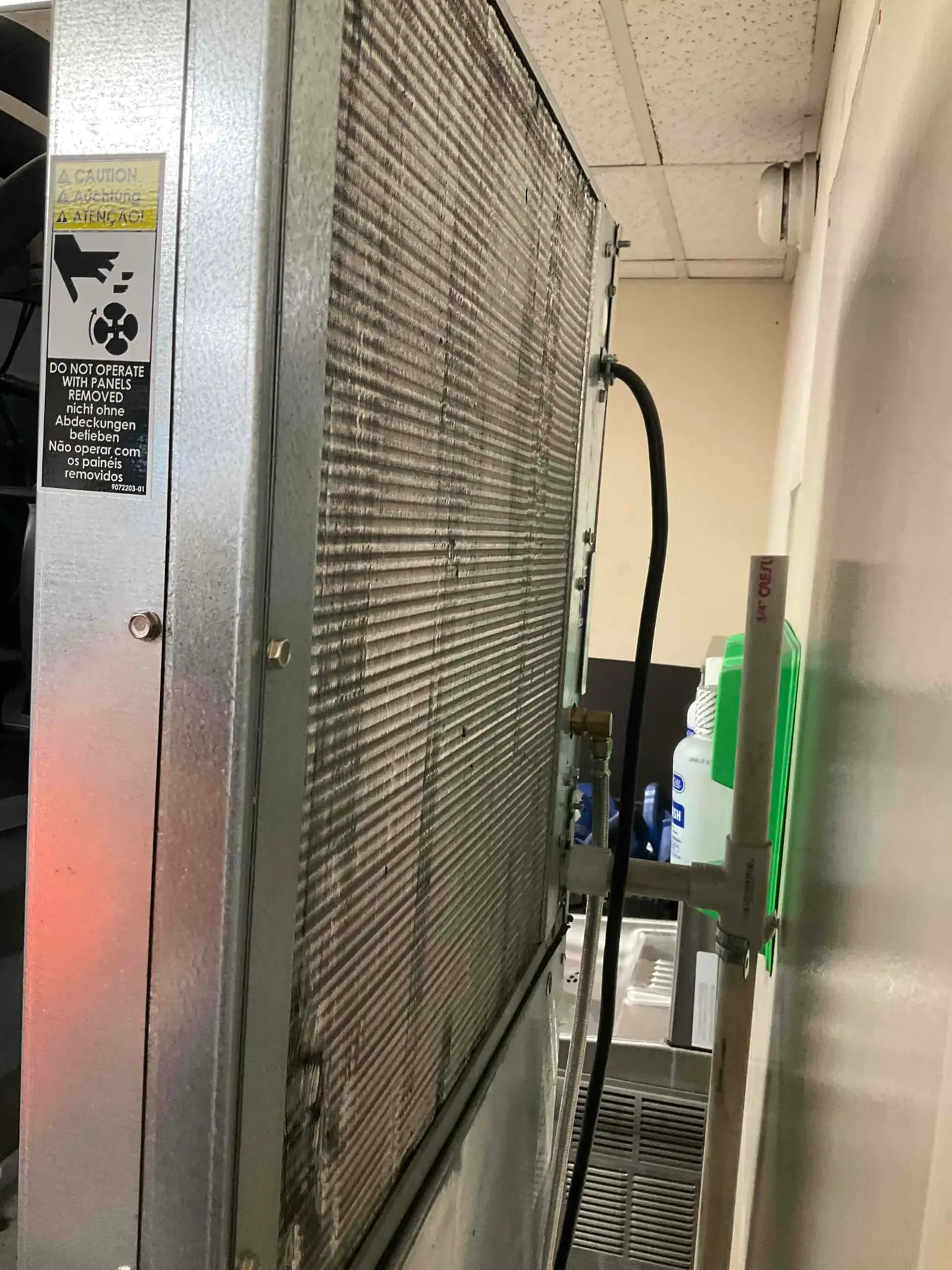
Your ice machine needs good airflow to cool its condenser. Humid, thick air makes this tougher, and blocked vents or dirty fan blades make it worse.
If the fan can’t keep up, temps inside rise, ice production drops, and your energy bill goes up. Keep vents clear and fans clean. Find a cool, breezy spot for your machine if you can. Don’t forget to schedule periodic cleaning and inspections to avoid airflow problems sneaking up on you.
Water Quality and Air Quality Factors
Your ice machine’s performance depends on both water and air quality. Bad water leads to buildup that slows freezing. Air brings in particles and moisture that cause all sorts of trouble inside. Keeping both as clean and steady as possible is the secret to good ice.
Impact of Humidity on Water Supply
High humidity raises the risk of mineral buildup in your ice machine. Hard water—full of calcium and magnesium—forms scale in pipes and tanks. That gunk makes freezing less efficient and can damage parts.
Moisture in humid climates settles inside, mixing with minerals and making a stubborn layer that’s tough to clean. Water filters and softeners help cut down on deposits. Consistent water flow matters, too—clogged filters or low pressure from mineral blockages mean less ice and slower production.
Check your water quality regularly, especially during Memphis summers when humidity spikes. We always suggest keeping water lines clean and using good filtration to keep things running right.
Influence of Humid Airborne Particles
Humid air drags along dust, mold spores, and debris that sneak into your ice machine. Moisture makes these stick, leading to mold and bacterial buildup.
If airflow is poor or there are warm spots, this gunk multiplies. Over time, it makes ice cloudy or gives it weird tastes and smells. Make sure your machine gets enough fresh air and stays clean.
Dirty air wears out internal parts faster and can even impact health safety. Change filters and stick to a cleaning schedule that fits your humid environment. Your machine—and your ice—will be better for it.
Energy Consumption and Operational Costs
Humid climates push your ice machine to use more energy and cost more to run. All that moisture means it has to work harder to freeze water. Plus, keeping it in shape means ongoing expenses you’ll want to plan for.
Increased Power Usage
Humidity makes the air around your machine warmer and wetter. That bumps up the temperature inside the condenser and compressor, so your machine has to work extra hard to get rid of heat and keep ice frozen.
If airflow’s blocked by dirt or dust, it only gets worse. The system draws more electricity, and your bills go up. You might notice less ice, too, since the machine runs longer just to keep up.
To help, put your machine somewhere cool and well-ventilated. Use filtered water to cut down on mineral buildup that can make the machine overwork. These little steps save energy and help your machine last longer.
Maintenance-Related Expenses
In humid places, your ice machine is more likely to get mold, scale, and bacteria buildup. These problems kill efficiency and bump up the risk of expensive repairs. Regular cleaning and maintenance keep things running and help dodge breakdowns.
Skip routine care, and you’ll end up with clogged filters and dirty evaporators. The machine has to work harder, uses more power, and parts start to wear out. That leads to big repair bills—or needing a new machine sooner than you’d like.
We suggest year-round maintenance plans. They help you avoid nasty surprises and keep your ice top-notch, which matters for your business. Spending a bit on upkeep now saves you a lot in the long run.
Frequently Asked Questions
Humidity throws a lot at your ice machine. It affects cooling, ice making, and how often you need to clean things up.
How does high humidity influence the efficiency of ice machines?
High humidity makes it tougher for your ice machine to get rid of heat. Extra moisture forces the cooling system to work overtime, slowing down ice production. Your machine might heat up faster, use more energy, and wear out quicker.
What are the common issues with ice machines in humid conditions?
In humid climates, you’ll often see more frost inside the machine. Warm, damp air hits cold surfaces, and suddenly ice sticks together or blocks water flow. You might also notice the machine running a lot or not lasting as long because of the extra strain.
Why might an ice maker produce less ice in a humid environment?
When it’s humid, the cooling system just can’t keep things as cold. That slows ice formation and cuts down the amount you get each day. Water lines can get weird from temperature swings, too, which limits output.
Can ambient humidity lead to faster ice clumping in ice machines?
Absolutely. Moist air makes ice pieces stick together faster, causing clumping. That lowers ice quality and makes the machine work harder to break things up. Over time, it slows everything down.
What maintenance tips can help improve ice machine performance in humid areas?
Clean and sanitize your machine regularly to prevent frost and mineral gunk. Make sure vents and airflow stay clear so it doesn’t overheat. We recommend routine service to swap out tired parts and keep things running, no matter how sticky the weather gets.
How does the water source quality affect ice machine operation in high humidity?
Water loaded with minerals or other junk tends to leave deposits inside your machine. In humid places, this only gets worse—your ice maker has to work overtime and stays colder for longer stretches. If you want to cut down on clogs and keep your ice looking and tasting good, filtered water’s the way to go.
If you’re running into problems or just want to avoid them, Memphis Ice can jump in with advice and reliable refrigeration service to help your ice machine stay in top shape.
Recent News
Signs Your Refrigeration System Is Undersized for Your Business and How to Fix It
Steps to Ensure Consistent Refrigeration Across Multiple Units for Smooth and Efficient Cooling
Steps to Keep Food Storage Safe During a Power Outage Friendly Tips for Your Home
Steps to Reduce Energy Costs with Efficient Refrigeration Units for a Greener Home
Event Refrigeration Rental Services Made Easy for Your Next Celebration
Energy Rebates for Refrigeration Equipment Made Easy and Affordable