proudly serving
the mid-south
Ice Machine Problems? We've Got You Covered.
The table below explains how we diagnose ice machine failures on site and determine the exact repair required to restore full ice production.
| Symptom | Common Causes | Parts to Check | Urgency |
|---|---|---|---|
Ice tastes bad or smells (health code risk for Bartlett food service) |
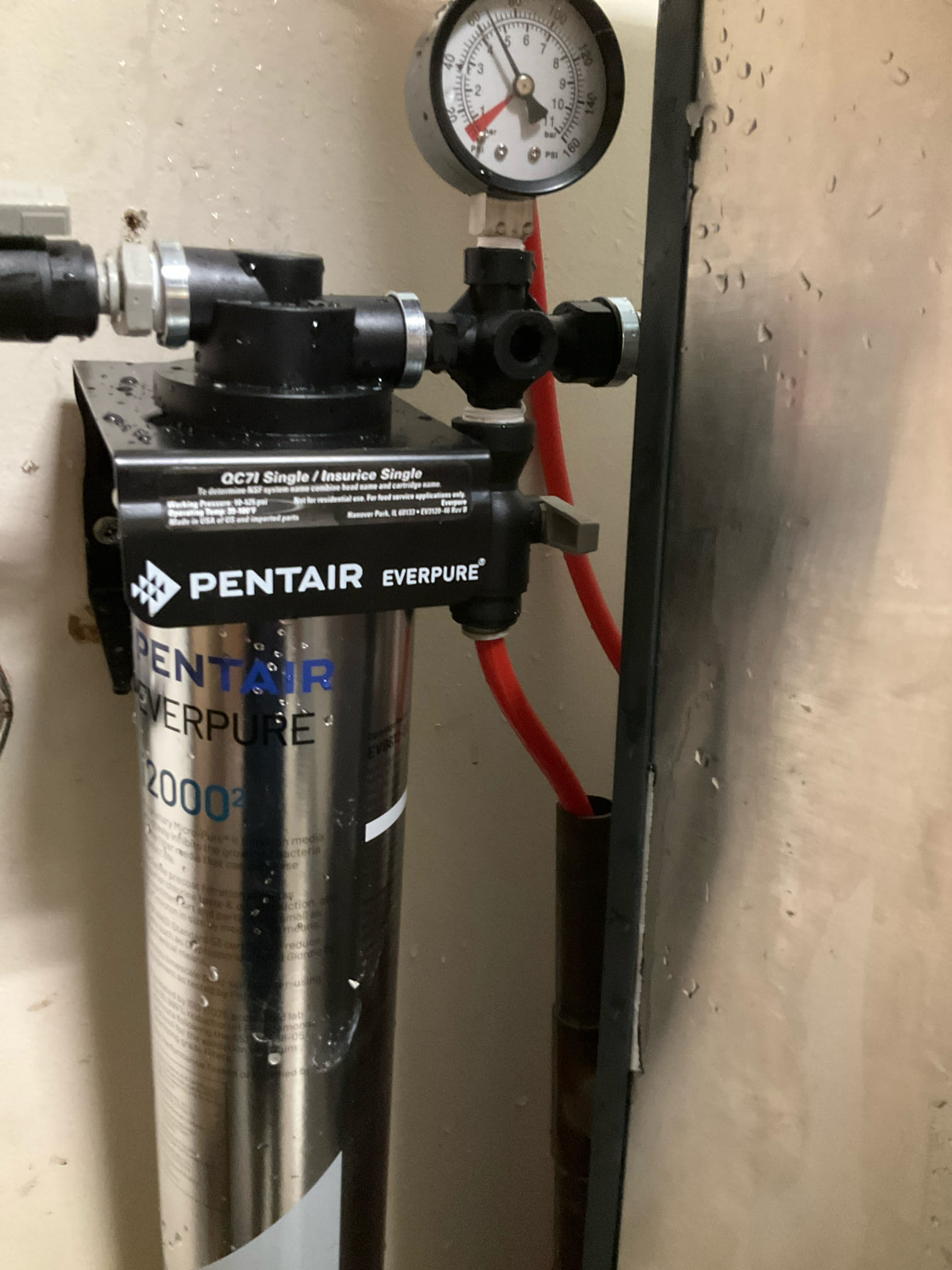
Biofilm accumulation inside water distribution lines, a saturated water filter passing sediment and chlorine byproducts into the ice supply, or organic residue trapped in the bin drain producing odor during each harvest cycle | Water filter, water distribution tube, evaporator plate, bin liner and drain | Same Day |
Ice is cloudy or soft (indicates incomplete freeze cycle or restricted water flow) |
Low refrigerant charge preventing the evaporator from reaching full freeze temperature, a weakening water pump reducing flow across the plate, or air trapped in the water distribution system disrupting even coverage | Water filter, water pump, thermostatic expansion valve, evaporator plate | 24-48 hrs |
Machine making less ice (increasing during Bartlett summer months) |
Dirty condenser coils restricting heat rejection, elevated ambient temperature forcing longer compressor run times, or a partially blocked water inlet valve reducing fill volume per cycle | Condenser coil, water inlet valve, compressor, air filter | Same Day |
Ice cubes are small or incomplete (caused by soft mineral content in local water) |
Scale deposits on the evaporator plate reducing surface contact, a miscalibrated ice thickness sensor ending the freeze cycle too early, or low incoming water pressure starving each fill | Ice thickness sensor, evaporator plate, water inlet valve, water distribution tube | 24-48 hrs |
Machine is louder than normal (often traced to a worn motor or loose internal component) |
Worn condenser fan motor bearings producing a grinding sound, a failing water pump vibrating against the chassis, or loose mounting hardware allowing the compressor to rattle during operation | Condenser fan motor, water pump, compressor mounts, fan blade | 24-48 hrs |
Water leaking from machine (check drain line and valve connections for blockage or wear) |
A cracked or disconnected drain line, a worn inlet valve that does not seat fully between fill cycles, or a blocked condensate path forcing water out the front or sides of the cabinet | Drain line, water inlet valve, float valve, bin gasket | Same Day |
Error codes on display (signals a sensor fault or control board communication failure) |
A failed bin control sensor sending false full-bin signals, a malfunctioning thermistor misreading evaporator temperature, or a control board that has lost communication with one or more system sensors | Control board, bin control sensor, thermistor, ice thickness probe | 24-48 hrs |
Visible mold or slime in bin (requires immediate cleaning and full sanitization) |
Biofilm colonization from infrequent sanitization, warm humid air entering through a damaged bin gasket, or standing water in the drain pan creating conditions for mold and bacterial growth | Bin liner, bin gasket, drain pan, water distribution tube | Immediate |

Keep Your Equipment Running Like New
| Business Type | Service Frequency | Daily Ice Demand | Compliance Standard | Why This Frequency |



|---|---|---|---|---|
| High-Volume Restaurants | Every 2 months | 400-800 lbs | TN Rule 1200-23-01 & FDA | High customer volume and grease buildup require frequent cleaning |
| Quick-Service and Fast Food | Every 3 months | 300-600 lbs | TN Rule 1200-23-01 & FDA | Beverage service drives constant production and health department scrutiny |
| Healthcare Facilities | Every 3 months | 150-400 lbs | TN Health Dept & CMS | Patient care standards require documented sanitation and infection control |
| Hotels | Every 4 months | 500-1000 lbs | TN Rule 1200-23-01 | Floor machines serve guests constantly and affect online reviews |
| Convenience Stores | Every 4 months | 200-500 lbs | TN Rule 1200-23-01 | Fountain drinks and bagged ice sales depend on reliable production |
| Churches | Every 6 months | 50-150 lbs | TN Rule 1200-23-01 | Lower usage during fellowship events requires less frequent maintenance |
| Corporate Offices | Every 6 months | 50-200 lbs | TN Rule 1200-23-01 | Break room usage creates moderate demand without food service requirements |
| Coffee Shops | Every 3-4 months | 100-300 lbs | TN Rule 1200-23-01 & FDA | Iced beverage sales and health inspections require regular sanitation cycles |
| Schools | Every 4-6 months | 200-500 lbs | TN Rule 1200-23-01 | Cafeteria service during school year requires seasonal maintenance scheduling |
| Senior Living Facilities | Every 4 months | 150-400 lbs | TN Health Dept & CMS | Vulnerable residents require infection control and compliance documentation standards |
| Bartlett Water Hardness: 125 PPM (7.3 GPG) from Bartlett Water Department (source) | Classification: Hard | Filter Replacement: Every 3-4 months |
The coldest repairs from the coolest techs
Bartlett’s restaurant scene and retail corridors need ice machines that produce through every shift. Equipment downtime costs money and frustrates customers. From breakfast spots on Stage Road to Saint Francis Hospital-Bartlett, businesses depend on working ice machines to meet daily demand.
Our technicians cover Appling Farms, Park Avenue, and Wolfchase with fast turnaround that gets your operation back to full capacity before the lunch rush ends or evening crowds arrive. We have served this area since 1977, completing same-day repairs that restore production.
No Commercial Refrigeration Brand Left Out in the Cold

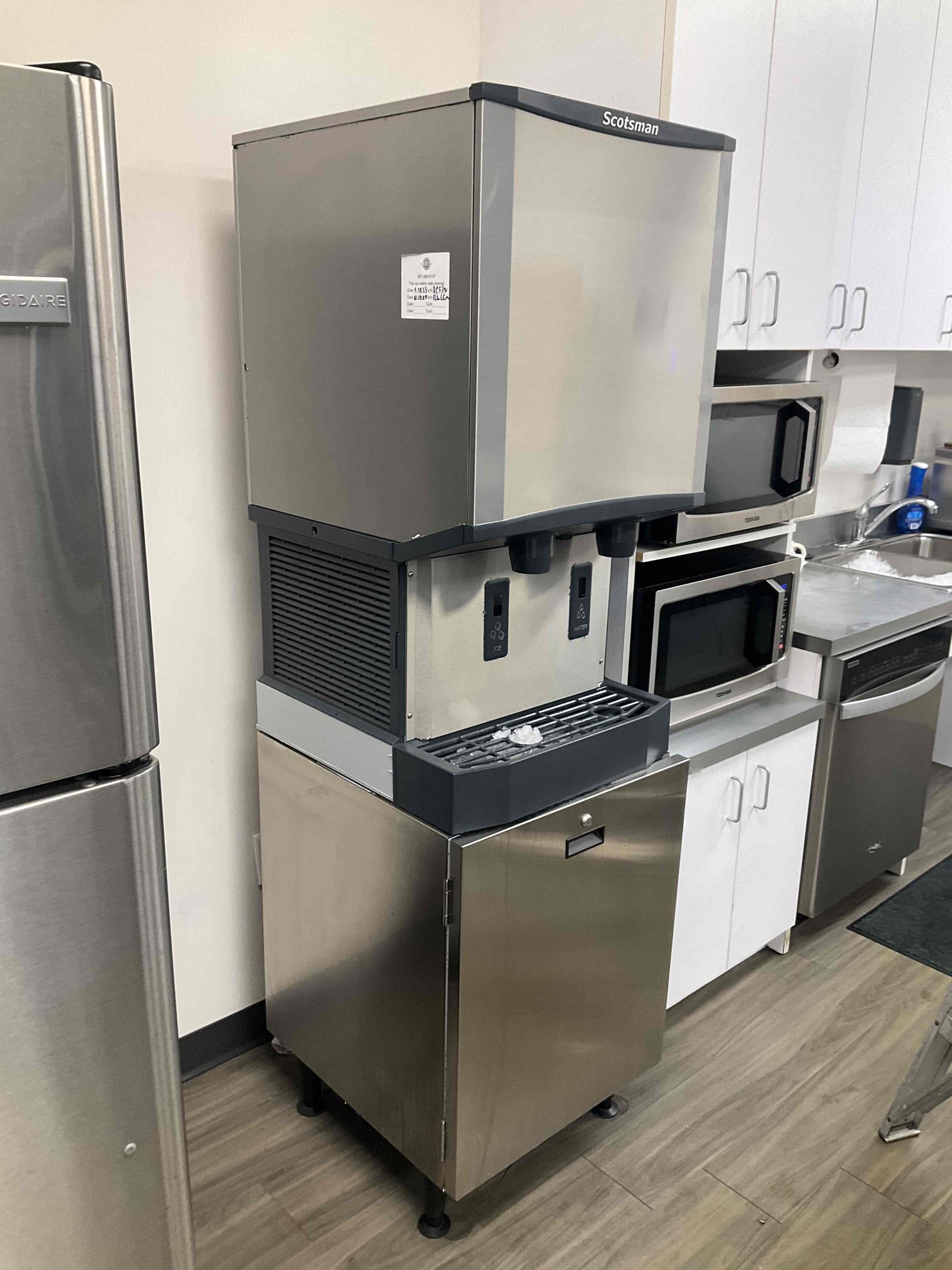
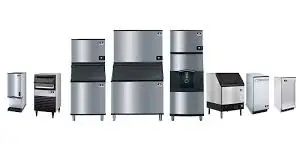
Our Scotsman-certified technicians are trained in the control board diagnostics, water system calibration, and energy management systems specific to Prodigy Elite, Prodigy Plus, CU undercounter, and NS Series nugget models. Model-specific training matters because each line uses different sensor configurations and error code sequences.

NEO undercounter units, S-Series modular machines, and Q-Series models each have specific Indigo NXT diagnostic procedures. Our certified technicians follow those procedures to identify whether a water sensor, harvest cycle component, or control board caused the failure, then complete the repair with the right part.

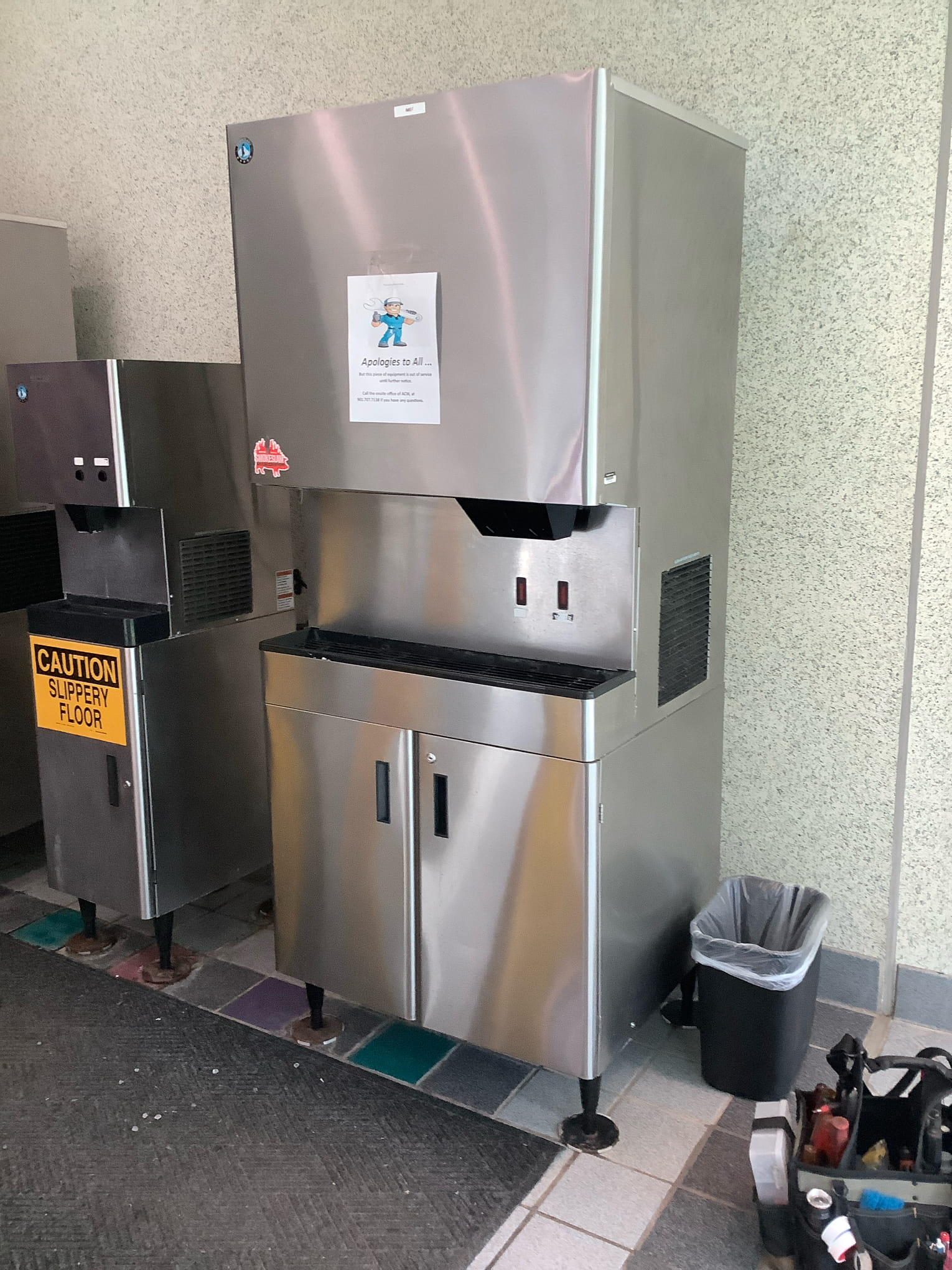
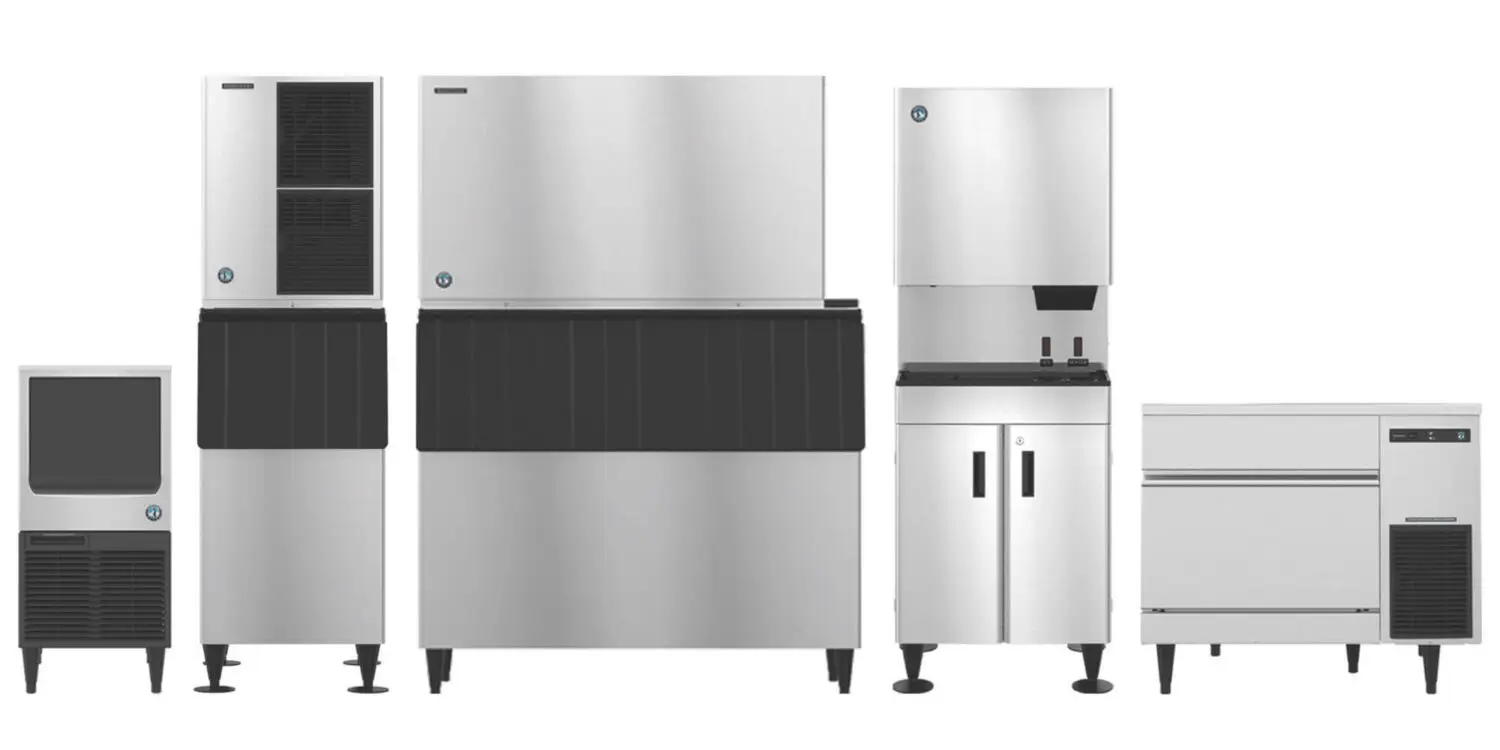
Our service scope covers Hoshizaki DCM dispensers, KM Series crescent cube makers, AM-Series modular cubers, and F-Series flake machines. Each diagnosis follows a system-by-system process that isolates whether the water pump, bin control sensor, or another component caused the failure.
Cool Questions, Cool Answers
Ready to Break the Ice?

Request Service
Schedule A Service Call
Get your commercial refrigeration equipment fixed right the first time by a factory-certified expert. Call now at 901-290-3260 or submit the form below to get started.