proudly serving
the mid-south

Cold Storage Solutions for Food Service: Easy Tips to Keep Food Fresh and Safe
Cold storage solutions are key to keeping your food service operations running smoothly and your products fresh. Whether you manage a busy restaurant, catering service, or food supplier, having reliable refrigeration helps protect your inventory and ensures food safety.
At Memphis Ice, we understand how important it is for you to trust your refrigeration equipment. With 49 years of hands-on experience serving the Mid-South, we know what it takes to keep your coolers and freezers working well year-round.
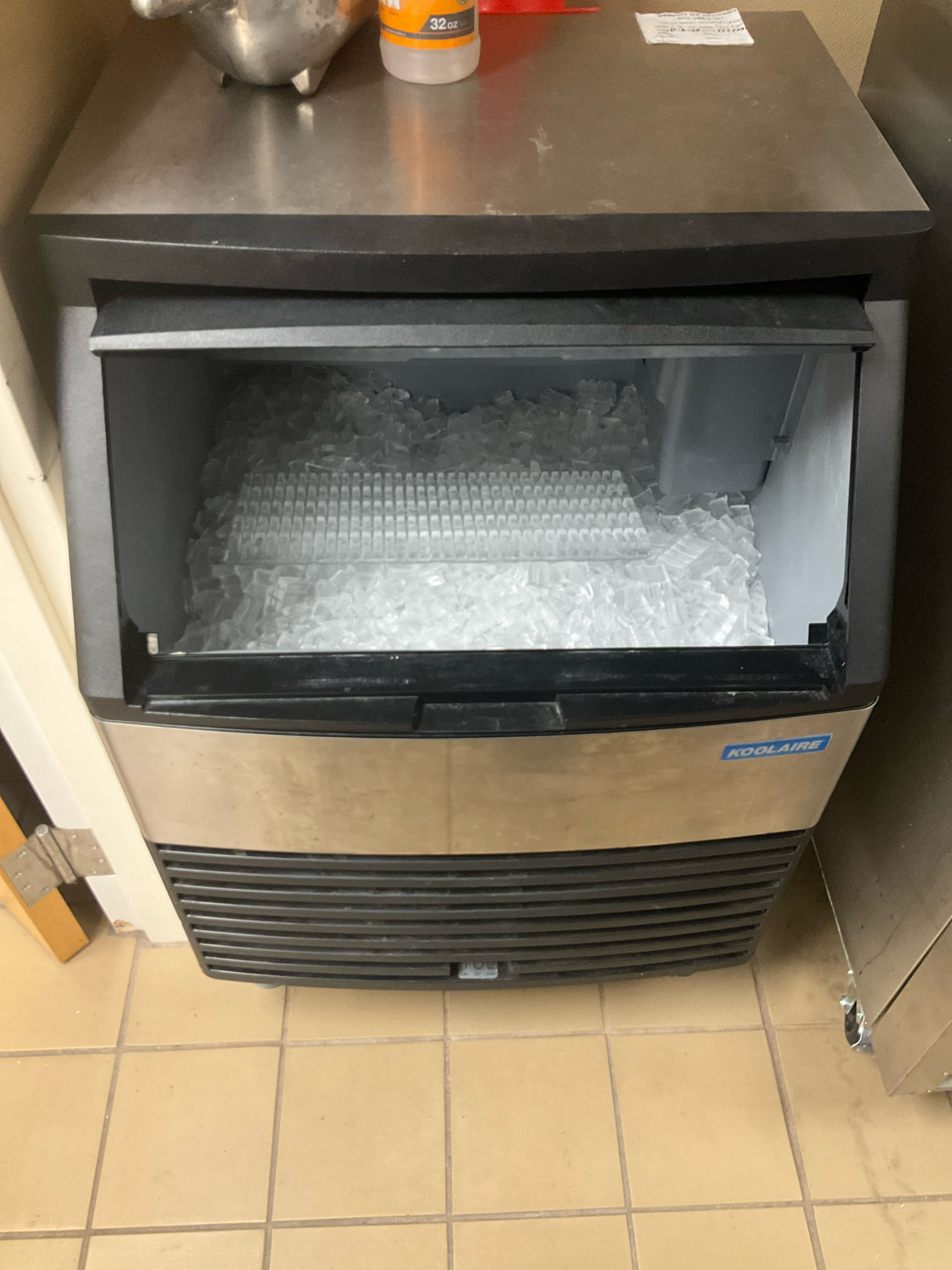
From commercial ice machines to walk-in cooler repair, our team is ready to help you focus on your business while we handle the cold storage.
No matter your size or needs, cold storage solutions can be tailored to fit your space and budget. This means fewer worries for you and fresher food for your customers.
Talk to a Memphis Ice expert today to find out how to protect your business with smart refrigeration choices.
Understanding Cold Storage Solutions for Food Service
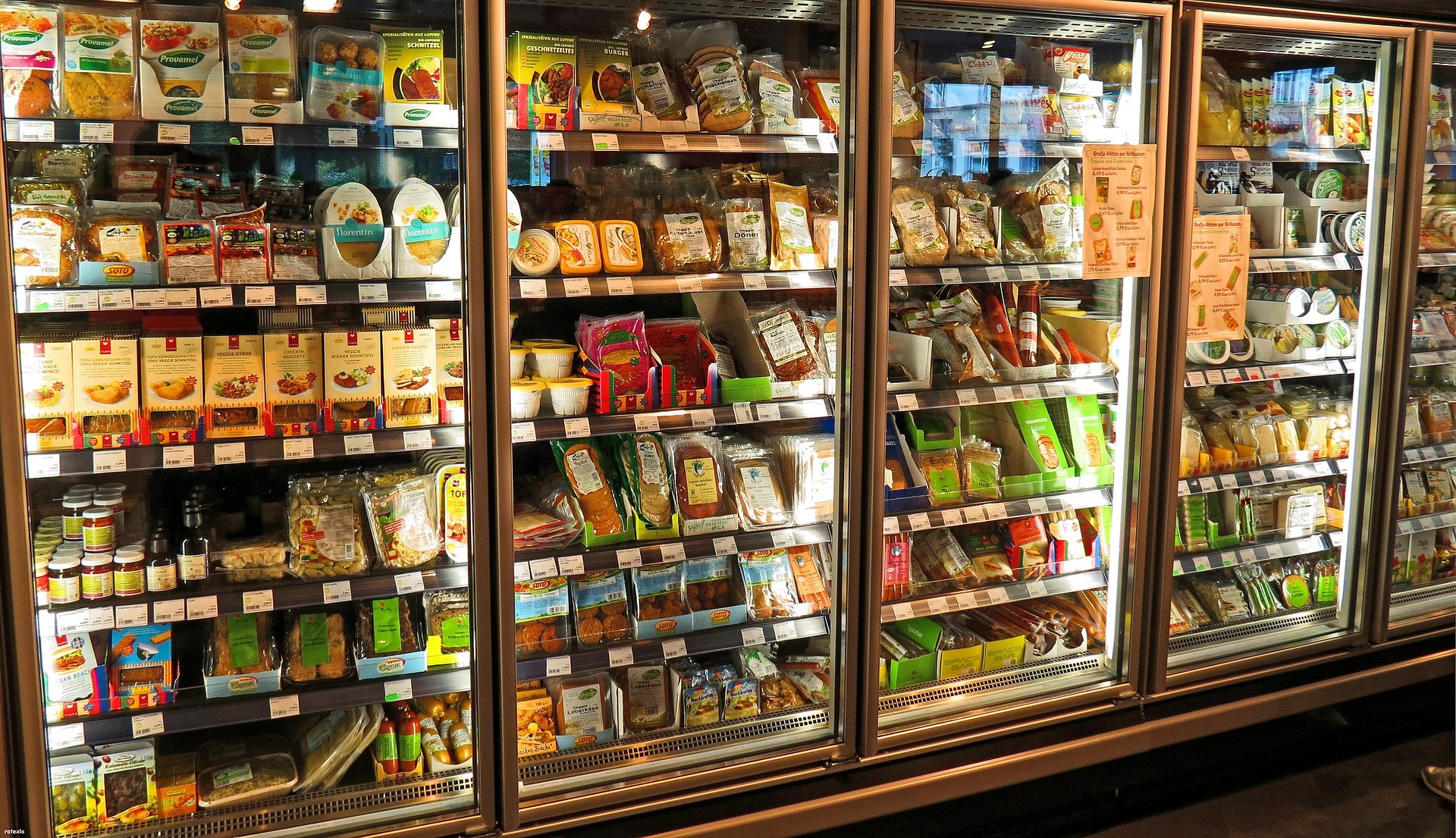
Cold storage plays a key role in keeping food fresh and safe in any food service business. Knowing how these systems work and what standards they follow can help you choose the right solution to protect your inventory and deliver quality products to your customers.
Definition and Importance
Cold storage means using refrigerated units to store food at controlled temperatures. This keeps items like meat, dairy, and produce from spoiling too fast.
Without proper cold storage, food can quickly lose freshness, leading to waste and health risks. In food service, cold storage units include walk-in coolers, freezers, and even blast chillers.
These systems keep a steady temperature and maintain humidity where needed. This not only extends shelf life but also helps prevent bacteria growth.
Having reliable cold storage saves you money by reducing spoilage and ensures you meet health regulations. At Memphis Ice, we’ve been supporting local businesses with refrigeration solutions that fit different needs since 1977.
Industry Standards
Cold storage for food service follows strict guidelines to make sure food safety is never compromised. The USDA and FDA set temperature ranges that food must be stored at, usually between 32°F and 41°F for refrigerated items, and below 0°F for frozen goods.
Regular monitoring of temperature and humidity is required. Many businesses use digital controls and alarms to catch issues before they affect food quality.
Cleaning and maintenance also follow standards to avoid contamination. Shelves and surfaces must be easy to clean, and equipment needs routine checks.
Maintaining your unit with trusted local experts, like Memphis Ice’s service team, helps you stay compliant and avoid costly repairs.
Types of Cold Storage for Food Service
Choosing the right cold storage affects how well you keep food fresh and safe. Different units serve different needs, like storing bulk ingredients or quickly chilling prepared food.
Understanding your options helps you find the best fit for your kitchen’s size, menu, and workflow.
Walk-In Coolers and Freezers
Walk-in coolers and freezers are large, insulated rooms that maintain specific temperatures. You use coolers to store fresh produce, dairy, and meats at temperatures just above freezing.
Freezers keep items at or below 0°F, essential for long-term storage of frozen foods. These units are great when you need a lot of space and easy access for staff.
Proper temperature control and ventilation prevent spoilage. Memphis Ice supports businesses in the Mid-South with walk-in cooler repair and maintenance, so your unit runs smoothly year-round.
Reach-In Refrigerators
Reach-in refrigerators are smaller, self-contained units with shelves and doors you open to grab items quickly. They fit well in kitchens with limited space or for high-use ingredients near prep stations.
Their compact size makes them easy to clean and organize. With adjustable racks and temperatures, you can store a variety of foods, from sauces to dairy.
These units help keep your workflow efficient by reducing trips back to larger coolers. Memphis Ice offers refrigeration service to ensure your reach-in units stay reliable during busy shifts.
Blast Chillers
Blast chillers rapidly cool cooked food to safe temperatures, reducing bacteria growth. This fast cooling preserves food quality, texture, and flavor.
They are perfect for busy kitchens that prepare meals ahead and need quick cooling before storage. Using a blast chiller can improve food safety and free up oven space faster.
They also help meet health code requirements for cooling foods promptly. Adding a blast chiller to your setup gives you more control over food prep timing and safety.
Selecting the Right Cold Storage Solution
Choosing the right cold storage setup means balancing your space needs, how you control temperatures, and keeping energy use low. Each factor directly affects your food’s safety and your costs.
Careful planning helps you avoid common problems like spoilage or rising bills.
Capacity and Space Requirements
Start by figuring out how much storage space you really need. Consider the volume of food products you handle daily and what peak times look like in your kitchen.
Think about whether you need room to grow. A walk-in cooler might be best if you have a lot of bulk items or expect to add more inventory over time.
You can also look for layouts that use vertical space efficiently, like shelving systems. Be sure to measure your space carefully and include room for staff to move comfortably.
You want easy access to all your items without overcrowding. When you contact Memphis Ice, we help you match a unit to your exact needs, so you don’t pay for more space than you actually use.
Temperature Control Options
Different foods need different temperatures. Fresh veggies and dairy usually need cool, steady temperatures around 35-40°F.
Frozen foods require much colder, steady temps below 0°F. Look for systems with precise temperature controls and good insulation.
This keeps food at safe temperatures and limits waste. Quick-freeze options are also helpful if you need to freeze products fast to lock in freshness.
Some systems offer advanced monitoring. This means you can track temperatures remotely and get alerts if things go wrong.
Maintaining consistent temps is key to keeping your stock safe, which is why reliable controls are a must for any foodservice operation.
Energy Efficiency
Energy costs add up fast with cold storage, so efficiency matters. When choosing a cooler or freezer, look for models with good insulation, Energy Star ratings, or similar certifications to help save electricity.
LED lighting, energy-efficient compressors, and smart defrost systems can also reduce power use. These features cut down your monthly bills and help your equipment last longer.
Regular maintenance is one of the best ways to keep your system running efficiently. Memphis Ice offers service plans to keep your cold storage working well year-round, reducing the chance of unexpected breakdowns and costly repairs.
Installation and Setup Best Practices
Setting up cold storage for your food service means thinking carefully about where it goes and making sure it meets all food safety rules. These steps help protect your products and keep your operation running smoothly.
Location Considerations
Choose a spot with easy access for deliveries and daily use. Your cold storage should be close to prep areas to cut down on the time food spends outside controlled temperatures.
Avoid placing it near heat sources like ovens or direct sunlight. Make sure the area has good ventilation to keep the refrigeration system working well.
The floor must be level and strong enough to support heavy equipment. Plan space for proper door clearance and staff movement to prevent accidents or delays.
At Memphis Ice, we stress the importance of installation environments that help your equipment last longer and save energy. Checking these details before installation can save you costly repairs or downtime.
Compliance with Food Safety Regulations
Your cold storage must follow local and federal food safety rules. These laws focus on keeping foods at safe temperatures to prevent spoilage and contamination.
You’ll need to maintain accurate temperature logs and install reliable thermometers. Ensure all surfaces inside the storage area are easy to clean and made of non-absorbent materials.
Proper drainage is important to avoid standing water, which can harbor bacteria. Staff training on cleaning and handling is part of keeping your facility compliant.
Keeping up with inspection schedules and documentation will help you avoid fines and keep your operation running without interruptions. Memphis Ice can assist you in meeting these standards with expert service and maintenance.
Maintenance and Monitoring
Keeping your cold storage running smoothly means staying on top of regular upkeep and having reliable systems that catch problems early. Both planned maintenance and smart monitoring help prevent spoilage and costly breakdowns.
Preventive Maintenance Routines
Regular maintenance is key to avoiding unexpected failures. Make sure your refrigeration units get checked at least every few months.
Focus on cleaning coils, checking refrigerant levels, and inspecting seals on doors and gaskets. These steps keep your equipment efficient and prevent leaks.
You should also schedule professional service annually. Technicians can test components, clean hard-to-reach areas, and replace worn parts.
Memphis Ice offers maintenance plans tailored to local businesses across the Mid-South to keep your equipment in peak condition.
Monitoring and Alarm Systems
Automated temperature monitoring systems are a smart way to protect your inventory. These use sensors and cloud-based platforms to track temperatures 24/7 and alert you immediately if anything goes wrong.
Look for systems that provide real-time alerts via text or email. This fast notice lets you fix issues before food safety is at risk.
Many setups also keep audit-ready logs, helping you comply with regulations without extra work. Memphis Ice can help you set up remote monitoring tailored to your needs.
With these tools, you spend less time worrying and more time focusing on your business.
Emerging Technologies in Cold Storage
New tools are changing how you manage cold storage. These advances help you save energy, track conditions in real time, and reduce environmental impact.
They make your refrigeration more efficient and reliable.
Smart Monitoring Systems
Smart monitoring uses sensors and the internet to keep an eye on your cold storage all day. You get alerts if the temperature or humidity changes unexpectedly.
This helps prevent spoiled food or wasted energy. These systems can track equipment performance, so you know when maintenance is needed before a breakdown happens.
Some use AI to predict problems and suggest fixes. This lowers your risk of costly repairs and downtime.
For your restaurant or food service business, this means fewer surprises and better safety for your products. Memphis Ice can help you set up smart monitoring that fits your needs and keeps your operation running smoothly.
Eco-Friendly Refrigerants
Traditional refrigerants can harm the environment by adding to global warming. New eco-friendly refrigerants have lower global warming potential (GWP) and help meet stricter environmental rules.
These refrigerants still cool effectively but reduce your carbon footprint. Switching to them can also improve your energy use, which saves money over time.
Using eco-friendly refrigerants is a smart step to reduce your impact and prepare your business for future regulations. Memphis Ice offers guidance on making this switch with minimal disruption.
| Benefit | Explanation |
|---|---|
| Lower environmental impact | Less harm to the ozone and climate |
| Better energy efficiency | Uses less power for the same cooling effect |
| Regulatory compliance | Meets current and future environmental standards |
Common Challenges and Troubleshooting
Keeping your cold storage running smoothly is key to protecting food quality and safety. You’ll face specific problems like temperature changes and power failures that can disrupt operations.
Knowing how to spot and fix these issues quickly helps you avoid costly losses and keeps your business on track.
Dealing with Temperature Fluctuations
Temperature swings can spoil your food and cause waste. These fluctuations often happen because of door openings, faulty thermostats, or worn seals.
It’s important to check that doors close tightly and regularly inspect gaskets for cracks or tears. Using a digital temperature monitor with alerts can notify you early if temps rise or drop outside a safe range.
Also, avoid overloading shelves, so air flows properly inside your cooler. Routine maintenance keeps your system balanced.
Memphis Ice recommends scheduling regular checks to adjust settings and clean vents. This prevents uneven cooling and saves energy, giving you peace of mind that your storage stays consistent.
Addressing Power Outages
Power loss is one of the most serious threats to cold storage. Without electricity, temperatures rise fast, risking food safety.
You need a plan that includes backup power, like generators, especially during storms or outages common in the Mid-South. Keep emergency contact info handy for your refrigeration service provider, such as Memphis Ice, who can respond quickly.
Inspect your backup systems often to ensure they start when needed. During outages, avoid opening doors to keep cold air inside.
Use coolers or dry ice as temporary solutions if the outage is prolonged.
Cost Considerations for Food Service Cold Storage
When planning your cold storage needs, it’s important to balance upfront costs with ongoing expenses. Knowing what goes into each helps you budget better and avoid surprises.
The main areas to focus on are the initial investment and the operational expenses.
Initial Investment
Setting up cold storage for your food service starts with the initial investment. This includes the cost to buy or build the walk-in cooler, freezer units, or specialized refrigeration systems.
Costs can range widely depending on size, type, and features. Typically, building a cold storage warehouse can cost between $2,600 and $3,700 per square foot.
You may also need to budget for insulation, shelving, and temperature monitoring technology. Working with a trusted local company like Memphis Ice can help you get a fair price and a system designed for your needs.
They’ll consider your space, food types, and temperature requirements to suggest solutions that keep your food fresh without overspending upfront.
Operational Expenses
Once your cold storage is up and running, operational costs take over. These include energy, maintenance, and staffing expenses.
Cold storage uses a lot of energy to keep low temperatures, especially during Memphis summers. Expect your utility bills to be higher as refrigeration equipment runs 24/7.
Regular maintenance is also crucial to avoid breakdowns that can lead to food spoilage. You’ll need to train your staff on proper handling and monitoring techniques to ensure safety and efficiency.
Keeping up with repairs and cleaning helps extend equipment life and keep costs down.
Future Trends in Cold Storage for Food Service
Cold storage is changing fast to keep up with your business needs. One big trend is smarter, energy-efficient systems.
These new units use less power and keep your food fresher longer. This means lower bills and less worry about spoilage.
You’ll also see more flexible temperature zones. These let you store different items—from fresh produce to frozen goods—all in one place.
This saves space and makes organizing easier. Automation is another key change.
Sensors and remote monitoring help you spot problems early. For example, your refrigeration can alert you if temperatures rise unexpectedly.
Sustainability is becoming important too. Using greener refrigerants and better insulation helps reduce environmental impact.
Many systems now aim to cut down the water and energy they use.
Here’s a quick look at what to watch for:
| Trend | Benefit |
|---|---|
| Energy Efficiency | Save money, reduce waste |
| Flexible Temperatures | Store more types of food |
| Automation | Early alerts, fewer breakdowns |
| Sustainability | Lower environmental footprint |
Frequently Asked Questions
Cold storage is key to keeping food fresh, safe, and ready for your customers. You need to know which foods to store, how to pick the right equipment, and how to keep everything running smoothly in your kitchen or service area.
What should be included in a comprehensive list of food items suited for cold storage?
Your list should cover perishable items like dairy, meats, seafood, fresh fruits, and vegetables. Frozen foods like peas or prepared meals also need cold storage.
Don’t forget ingredients that spoil quickly or need strict temperature control, such as sauces and deli products.
How do you choose the best cold storage solution for your food service business?
Consider your available space, your peak storage needs, and the types of foods you keep. Walk-in coolers and freezers offer flexibility, while blast chillers are great for rapid cooling.
Also, choose equipment with good energy efficiency and ease of maintenance to reduce costs and downtime.
Could you explain the ‘2 2 4 rule’ in food safety and its importance for cold storage?
The ‘2 2 4 rule’ helps control bacteria growth. It means you should chill perishable food to 41°F (5°C) within 2 hours, then store it for no more than 4 days.
Following this rule reduces food safety risks and helps your cold storage keep foods fresh and safe.
What factors influence the profit margin of a food service business using cold storage?
Energy costs, spoilage rates, and equipment reliability all affect profits. Efficient cold storage cuts down waste and keeps food quality high, saving money.
Regular service and maintenance, like what you get from Memphis Ice, ensure your system runs reliably without unexpected repairs.
Can you describe the different types of food storage available for food service operations?
You have several options: walk-in coolers, walk-in freezers, reach-in coolers, and blast chillers. Some businesses also use refrigerated prep tables or portable refrigerated containers.
Each type suits different tasks, like storing fresh produce or freezing bulk ingredients.
What considerations are important for maintaining cold storage systems within food service establishments?
Keep equipment clean and check temperature settings daily.
Schedule regular maintenance to spot problems early.
Make sure doors seal properly to avoid energy waste.
Partnering with a trusted service like Memphis Ice makes upkeep easier.